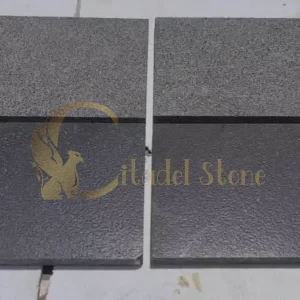
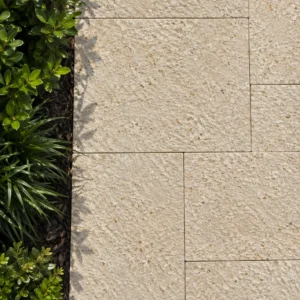
The cost of patio stones swings more dramatically than most project budgets anticipate — not because of market volatility, but because material density, slab thickness, and finish type create compounding cost variables that get missed at the estimate stage. A 2-inch travertine paver and a 1.25-inch limestone slab might look similar in a supplier catalog, but the tonnage per square foot differs enough to shift your material line item by 30% or more. Understanding what actually drives the cost of patio stones before you commit to a material puts you in control of both the budget and the long-term performance outcome.
What Actually Drives the Cost of Patio Stones
Stone pricing isn’t arbitrary — it’s a function of geology, processing, and logistics, and each variable stacks on the others. The quarry origin determines raw material cost. The finishing process (honed, tumbled, brushed, or polished) adds labor hours that translate directly into per-unit price. Then slab thickness drives freight cost because denser stone at greater thickness increases weight per pallet, which affects truck capacity and delivery rate calculations.
Here’s what most project managers underestimate: the price per square foot you see listed rarely accounts for the full delivered cost. Waste factor, base material, polymeric sand, and sealer push your real installed patio stones cost well beyond the sticker number. Plan on factoring in 10–15% material overage for cuts and breakage on standard rectangular layouts — up to 20% for irregular or diagonal patterns.
- Raw stone extraction cost varies by quarry depth, geographic location, and vein consistency
- Surface finish complexity — polished finishes require more machine time than tumbled or split-face options
- Slab thickness directly affects freight weight, which compounds shipping cost per pallet
- Waste allowance of 10–20% must be priced into your square footage estimate
- Base preparation materials (compacted aggregate, sand bed) add $2–$5 per square foot to project cost before stone is laid
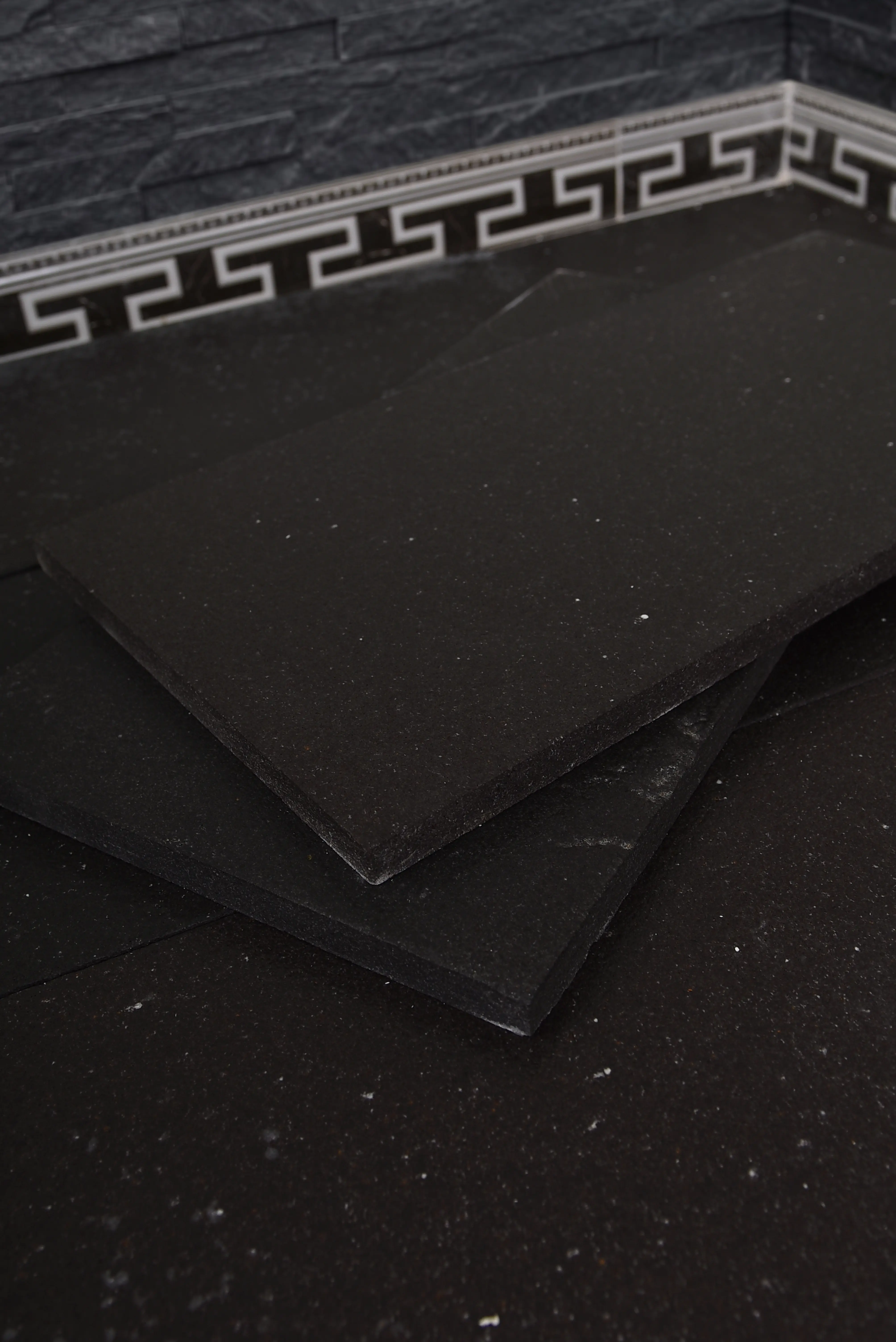
Cost of Patio Stones by Material Type
Natural stone patio materials occupy a wide price band, and the differences aren’t cosmetic — they reflect genuine performance distinctions that affect how long the installation holds up and what maintenance costs look like over a 20-year horizon. The following ranges represent typical national supply pricing at the material level, not installed cost.
Limestone Patio Stones
Limestone pavers typically run $4–$12 per square foot depending on color, finish, and thickness. Light-colored limestone in a honed or brushed finish sits at the lower end of that range. Rarer colors — deep charcoal, warm gold — and thicker profiles push toward the upper end. According to NSI limestone specifications, limestone’s calcium carbonate composition makes it moderately porous, which affects both sealer cost and maintenance frequency over time. Budget for biennial resealing to protect the surface from oil and organic staining.
Travertine Patio Stones
Travertine falls in the $5–$14 per square foot range at the material level. The cost spread here is driven heavily by fill type — unfilled travertine (open-pore surface) runs cheaper than factory-filled, but you’ll spend more on field filling labor if you choose the unfilled option for an outdoor patio application. Tumbled travertine tends to be the most economical finish; honed and brushed command a premium. Travertine’s natural thermal properties make it a strong performer in climates with high UV exposure, which extends the time between sealer applications compared to denser stone types.
Bluestone Patio Pavers
Bluestone pavers fall between $6–$16 per square foot nationally, with irregular flagstone cuts at the lower end and dimensional sawn pieces at the upper end. The variance in this material is notable: thermal finish bluestone and natural cleft bluestone carry different price points even at identical dimensions, because thermal finishing requires an additional processing step that adds cost. Bluestone’s density (roughly 160 lbs per cubic foot) also makes truck delivery cost a real budget line — a full pallet of 2-inch bluestone can approach 2,200 lbs, which affects freight rates meaningfully on large orders.
Granite Patio Pavers
Granite patio pavers typically start around $8 and can reach $20+ per square foot for premium colors and larger format slabs. Granite’s compressive strength — consistently above 19,000 PSI — justifies the price premium for high-traffic applications. The surface hardness also means granite resists scratch and abrasion better than softer stones, which reduces refinishing costs over a long installation life. Flamed or brushed finishes provide the slip resistance needed for outdoor use without sacrificing the material’s inherent durability.
Flagstone Patio Stones
Flagstone pricing varies more than any other category because it’s sold by both the square foot and by the ton, depending on the supplier and format. Irregular flagstone typically runs $2–$8 per square foot at the material level, while large-format sawn flagstone pieces in uniform dimensions can reach $10–$18. The lower-cost irregular product requires more labor to lay because each piece must be individually fitted — a cost that offsets the cheaper stone price in your total installed number. USGS dimension stone production data shows flagstone represents one of the highest-volume natural stone categories in domestic paving, which keeps base supply relatively stable and pricing more predictable than specialty materials.
How Thickness Affects Your Patio Stones Cost
Thickness is the single variable most overlooked in patio stone budgeting. A 1.25-inch limestone paver and a 2-inch limestone paver from the same quarry can differ by 40–60% in material cost per square foot simply because of the volume of stone involved. The practical question is whether your application requires the added thickness — and the answer depends on what’s going beneath it and what load it needs to carry.
For standard residential patios with pedestrian traffic on a properly prepared compacted aggregate base, 1.25-inch to 1.5-inch thickness performs adequately in most natural stone types. Outdoor dining areas with table and chair movement, or patios adjacent to driveways that see occasional vehicle overhang, warrant stepping up to 2 inches. Reviewing Citadel Stone material costs by thickness profile helps you right-size the spec before locking in a budget number.
- 1.25-inch nominal: appropriate for standard pedestrian-use patios on stable, compacted bases
- 1.5-inch nominal: the practical middle ground for most residential outdoor living spaces
- 2-inch nominal: specify for patios with occasional vehicle access, heavy furniture, or frost-heave risk in freeze-thaw regions
- Thicker slabs add freight weight per pallet — factor this into delivered cost comparisons between suppliers
Patio Stones Installation Cost Variables
Material cost is only part of your patio stones installation cost. The installed price per square foot typically runs 2–4 times the material cost, depending on your base conditions, pattern complexity, and site access. Understanding what drives installation pricing helps you evaluate contractor quotes with more confidence and identify where there’s legitimate room to optimize without cutting corners.
Base preparation is the most underpriced line item in standard contractor quotes. A proper aggregate base for natural stone paving requires 4–6 inches of compacted crushed stone (deeper in freeze-thaw regions), and shortcuts here are the primary cause of premature installation failure. The surface you lay stone onto determines how long it performs — the stone itself rarely fails first.
- Base excavation and compacted aggregate: $3–$6 per square foot depending on depth and soil conditions
- Sand bed setting layer: $0.50–$1.50 per square foot
- Stone installation labor: $8–$18 per square foot for standard patterns, $14–$24 for complex diagonal or multi-material layouts
- Joint filling (polymeric sand or mortar): $1–$3 per square foot
- Initial sealer application: $1.50–$3.50 per square foot for penetrating sealers
- Site access constraints — limited truck access to delivery point increases material handling labor
Seasonal Timing and Its Effect on Your Budget
Scheduling your patio installation around seasonal conditions isn’t just a performance consideration — it’s a cost variable. Contractors typically price jobs higher in peak spring and early summer demand windows because their schedules are fully committed and crew availability is tight. Late summer and early fall installations often carry 8–15% lower labor rates simply because contractor availability improves.
Temperature windows matter for material performance during installation. Polymeric sand requires a minimum ambient temperature of around 50°F to activate and cure properly — installations performed outside this range can result in joint instability that requires costly rework within the first season. Similarly, certain stone sealers have application temperature windows that, if ignored, compromise bond strength and accelerate reapplication cycles. Your contractor should be scheduling joint work and sealing during mid-morning hours in warmer months to avoid surface temperatures that cause sealer to flash-dry before penetrating adequately.
In freeze-thaw regions, avoid scheduling patio installations within six weeks of the first projected frost. Newly laid stone on a fresh sand bed hasn’t consolidated sufficiently to resist freeze-thaw heave in the first season, and early frost events can shift even well-compacted bases enough to crack grout joints and displace individual stones — an expensive callback situation for any contractor worth their reputation.
How Format and Size Affect the Cost of Patio Stones
Large-format patio stones — slabs in the 24×24-inch to 36×48-inch range — carry a higher per-square-foot price than standard 12×12 or 16×16 pieces from the same material. The processing required to cut, finish, and handle larger pieces without breakage demands more careful machining and additional quality control steps at the facility. You’re paying for dimensional stability at scale, which is real added value for the right application.
Field data on patio with paving stones in large-format configurations shows that the material cost premium of 20–35% over standard formats is often offset by reduced labor time — fewer pieces to handle, cut, and set per square foot. On a 500-square-foot patio, that labor savings can be meaningful. The trade-off is that any individual breakage or cut loss is more costly with large-format pieces, so waste factor management becomes more critical. According to ASLA outdoor paving material guidance, format selection should align with the spatial scale of the project — oversized formats in small courtyards create awkward proportions that also complicate cut-to-edge ratios and increase waste.
- 12×12 inch standard pieces: lowest per-unit cost, highest labor time per square foot
- 16×16 and 18×18 inch: the practical sweet spot for most residential patios balancing cost and labor
- 24×24 inch: premium pricing, reduced labor, requires more precise base flatness for stable installation
- Large irregular slabs (random flagstone 3–6 sq ft each): lower material cost, highest layout labor
Finish Type and Its Role in Patio Stones Cost
The surface finish applied to natural stone is one of the least-discussed cost drivers in patio stone selection — and one of the most consequential for both price and long-term performance. Tumbled finishes are typically the most economical because the process is high-volume and relatively automated. Honed finishes require machine grinding to a specific grit, adding processing time. Brushed and antiqued finishes sit between the two. Polished finishes carry the highest processing cost but are generally inappropriate for outdoor patio applications due to slip risk when wet.
For outdoor patio use, honed or brushed finishes represent the practical optimum: slip-resistant enough for safety, refined enough for residential aesthetics, and priced within reach for mid-range project budgets. Tumbled finishes are a legitimate cost-reduction lever for larger projects where the rustic aesthetic aligns with the design intent. At Citadel Stone, we recommend confirming finish selection before ordering warehouse stock, since finish-specific inventory turns at different rates and availability windows vary between collections.
Ordering, Lead Times, and Delivered Cost
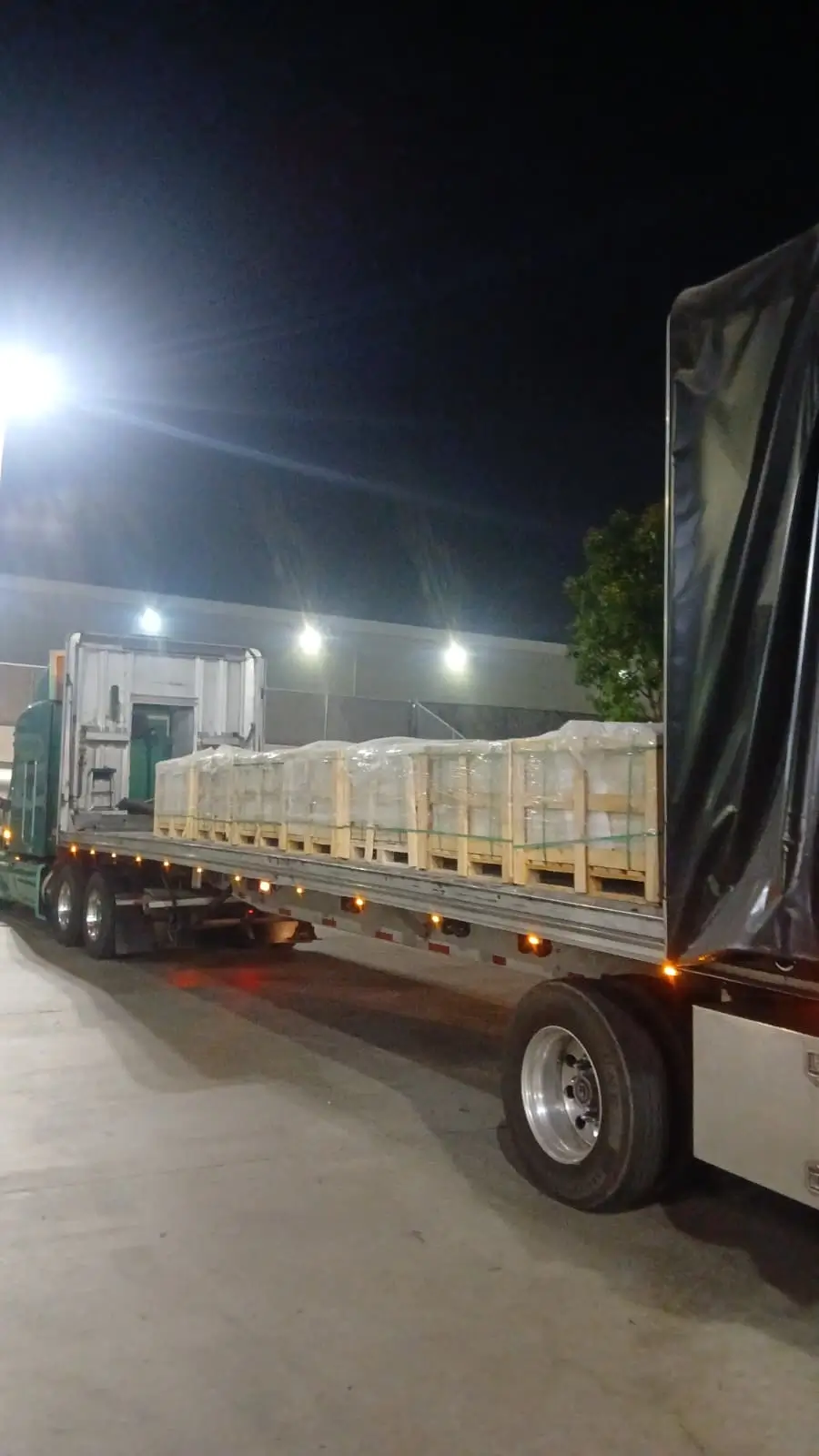
The gap between warehouse price and project-delivered cost is larger than most buyers realize on their first natural stone project. Freight for natural stone isn’t calculated by distance alone — it’s calculated by weight, pallet configuration, and truck type required. A full truckload (typically 20–22 pallets) carries a meaningfully lower per-pallet freight rate than a partial load, so consolidating your order to hit full-truck thresholds can save 15–25% on shipping cost alone.
Ask for the lead time when you place the order: material is cut to your specification at our selected quarries, and the schedule is quoted with it. Planning your material order 3–4 weeks ahead of your scheduled installation start gives you a buffer for any truck scheduling or volume confirmation adjustments without disrupting crew timelines.
- In-stock warehouse material: 1–2 week lead time nationally
- Special-order quarry material: 8–12 weeks — plan accordingly for project sequencing
- Full truckload orders offer 15–25% freight savings versus partial loads
- Verify warehouse stock levels before finalizing your installation schedule to avoid mid-project delays
- Overorder by your waste factor upfront — reordering a partial pallet to match an existing dye lot is both expensive and often impractical
Budgeting the Full Cost of Patio Stones
The cost of patio stones is a layered number — material type, thickness, finish, format, freight, and base preparation each add a distinct cost dimension that compounds at the project scale. Getting to an accurate budget means working through each variable systematically rather than accepting a single per-square-foot estimate that bundles assumptions you haven’t verified. The material cost range across natural stone types runs roughly $2–$20 per square foot, but your real installed patio stones cost — with base, labor, jointing, and sealing — typically lands between $18 and $45 per square foot depending on material selection and project complexity. That’s a meaningful range, and the decisions you make at specification stage determine where within it your project lands.
For a closer look at how different stone types compare across aesthetics, performance, and application suitability, exploring patio stone varieties and applications covers the full material landscape in detail worth reviewing before you finalize your spec. Base material expenses vary widely by stone density and thickness, and Citadel Stone’s product specs help contractors estimate tonnage accurately.