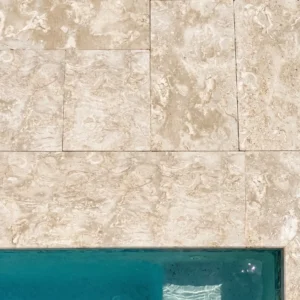
Color consistency across a flagstone installation is harder to control than most specifiers expect — and the flagstone color guide decisions you make before ordering determine whether your finished surface reads as cohesive or chaotic. The tonal range within a single quarry batch can span 15–20% in lightness value, which means two slabs labeled “buff sandstone” can look noticeably different once laid and dried. Understanding what drives color variation in natural stone — mineral composition, iron oxide content, finish type, and moisture absorption — gives you the framework to specify confidently rather than hoping the delivery arrives with a matching pallet.
What Actually Drives Flagstone Color
Mineral composition is the foundation of every color you see in natural flagstone. Iron oxides produce the reds, golds, and ochres common in sandstone and quartzite. Calcium carbonate delivers the cool greys and creamy whites of limestone. Silica-rich formations tend toward blue-grey and silver tones, particularly in dense quartzites and certain slates. These aren’t surface coatings — they’re intrinsic to the stone’s geological formation, which means no sealer or finish changes the base hue, only how saturated it appears.
Layering and bedding planes introduce the secondary variation most buyers underestimate. A single flagstone slab often crosses multiple depositional layers, so one end of the piece can read distinctly warmer than the other. Experienced specifiers order 10–15% overage specifically to allow for selective placement — setting aside slabs whose color variance would disrupt the intended reading of the surface. That overage decision has to happen before the material leaves the supplier’s facility, not after the installation crew starts setting stone.
Color Families by Stone Type
Each stone family produces a predictable palette range, which gives you a reliable starting point before you look at individual slabs. The natural color of flagstone depends heavily on which geological category your material falls into. According to flagstone’s sedimentary rock characteristics and paving use, most flagstones are formed through sedimentary processes that lock in mineral colorants during compression — which is why color variation exists even within a single quarry.
- Sandstone: the widest palette — buff, tan, rust, terracotta, gold, and deep red; iron oxide concentration drives the warmth of the tone
- Quartzite: silver, blue-grey, white, and occasionally soft lavender; typically more uniform within a batch than sandstone
- Limestone: cream, beige, grey, and blue-grey; cooler in tone and lower in natural variation than warm-oxide stones
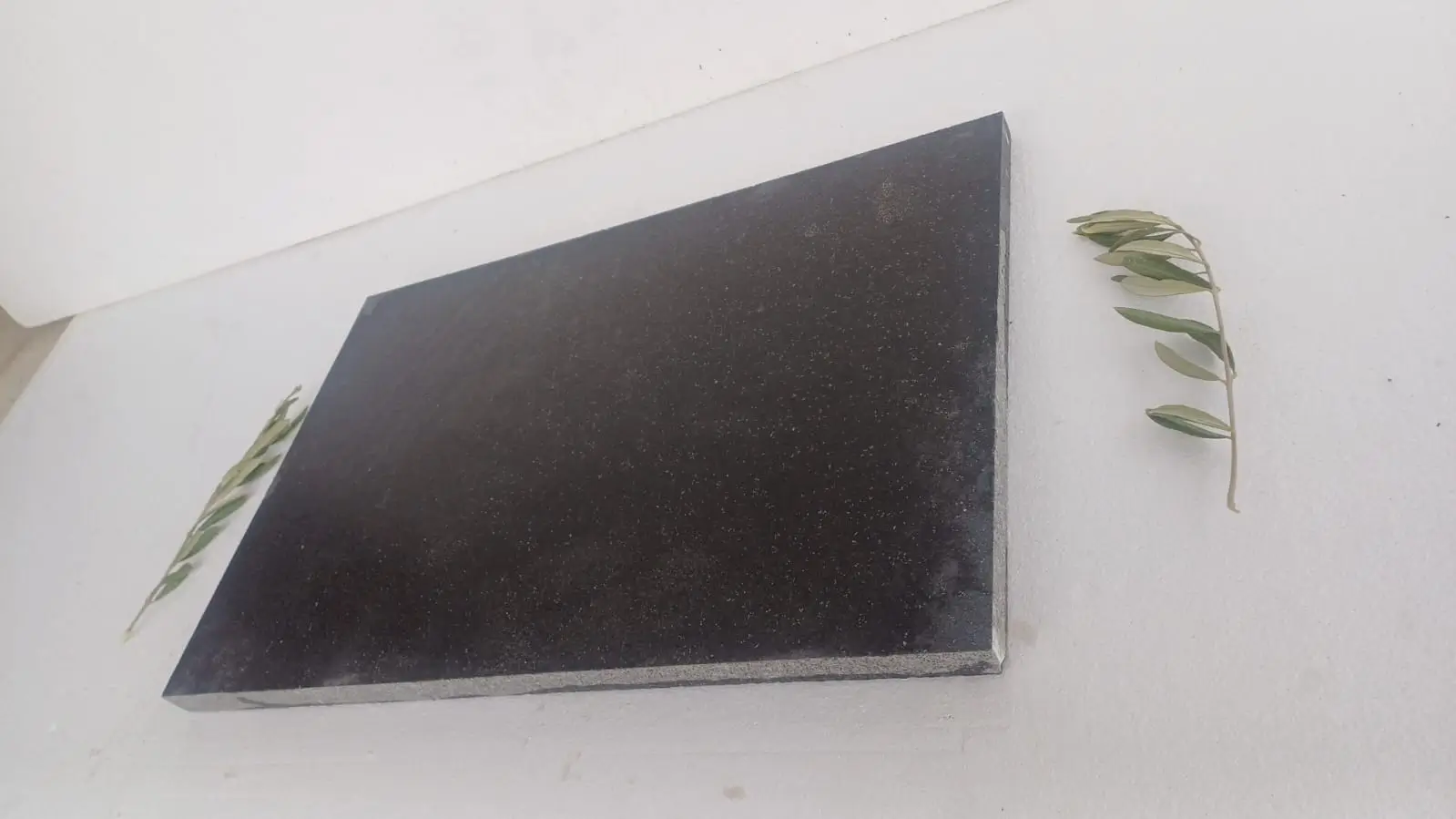
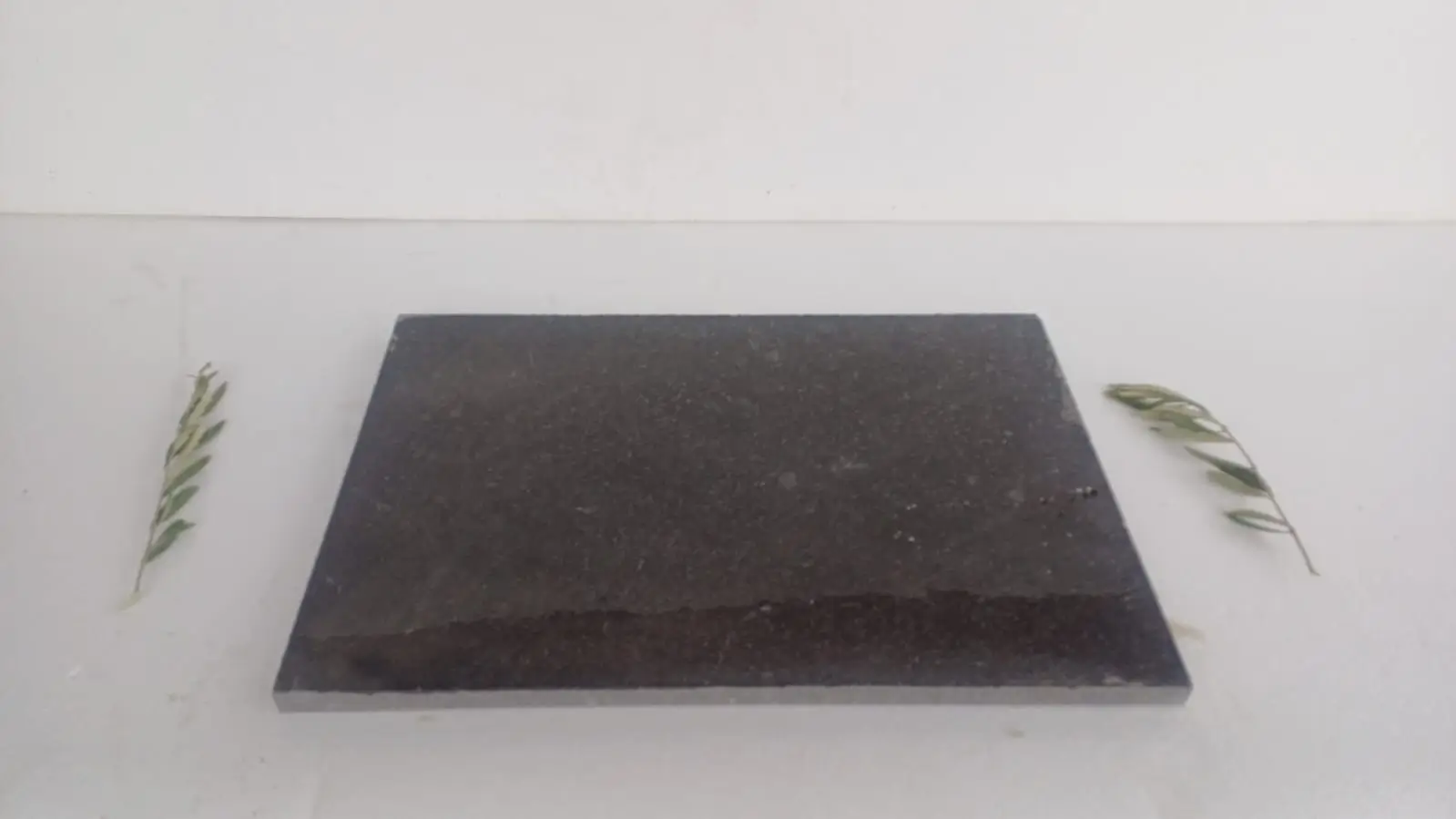
- Slate: charcoal, graphite, deep green, and rust-purple; the highest density of saturated tones but the most directional splitting patterns
- Bluestone: blue-grey to grey-brown depending on the specific deposit; regional variants show distinctly different tonal readings
Within each family, the finish you choose will shift how that color of flagstone reads at installation. Honed finishes open up the surface slightly and deepen the apparent tone. Sawn surfaces tend to read lighter and flatter. Natural cleft — the most common finish for exterior flagstone — preserves the original mineral texture and reads truest to what you’d see in a warehouse sample.
How Finish Affects Perceived Color
The color of flagstone is not fixed — it shifts measurably based on surface texture and how light interacts with the stone’s face. A natural cleft quartzite and a honed quartzite from the same block can look like two different materials under directional sunlight, even though they share identical mineralogy. This isn’t a quality issue; it’s physics, and you need to account for it in your specification.
Thermal finishes — used occasionally on exterior flagstone for added traction — open the crystal structure at the surface and tend to lighten the apparent color by 10–15% compared to a honed or polished face. Brushed finishes produce a middle ground: slightly more depth than thermal, slightly less than honed. For projects where color consistency matters across multiple supply runs, specifying finish type as precisely as you specify dimensions prevents the most common color-mismatch complaints field teams deal with.
- Natural cleft: highest color authenticity, most texture variation between slabs
- Honed: slightly deepened tone, reduced texture variation, better for tight-joint patterns
- Thermal: lightened tone, rough texture, strongest UV performance outdoors
- Brushed: aged appearance, moderate depth, intermediate tonal saturation
- Polished: maximum color depth and saturation, unsuitable for most exterior flagstone applications due to slip risk
Palette Pairing with Colored Flagstone
Colored flagstone selections work best when you design with the undertone rather than the dominant hue. A buff sandstone with orange undertones will clash visibly with a warm grey grout or a cool-toned concrete border, even if the two materials look compatible in separate samples. Pull the undertone before you commit to adjacent materials — hold your flagstone sample against the proposed border, grout, or wall material in natural light, not showroom lighting.
For contemporary architectural contexts, the cooler stone families — quartzite, limestone, and bluestone — tend to integrate more cleanly with steel, glass, and white render. Warmer sandstone and slate palettes pair naturally with timber, brick, and earthy render tones. This isn’t a rigid rule, but it reflects how the eye reads complementary versus competing color temperatures in an outdoor space. Choosing between warm and cool-toned flagstone is often the first decision that constrains everything else on the materials schedule.
Explore Citadel Stone’s flagstone color range before finalizing your palette — reviewing physical samples across the full range of available tones will confirm whether your preferred color family is available in the dimensions and finish your project requires.
UV Exposure and Long-Term Color Retention
Sun-exposed flagstone installations face a different set of color management challenges than interior stone. UV radiation degrades organic pigments rapidly, but natural stone contains inorganic mineral colorants that are structurally stable — iron oxides, silicates, and calcium carbonates don’t break down under ultraviolet light the way synthetic dyes do. What UV exposure does affect is the sealer system sitting above the stone, and that’s where long-term color fidelity is actually won or lost.
Penetrating sealers formulated with UV-stable chemistry maintain stone color better in high-UV installations than surface coatings, which tend to yellow or cloud within 18–24 months under intense sun exposure. According to USGS flagstone and dimension stone paving data, natural stone paving in outdoor environments requires maintenance regimes tailored to both the stone’s absorption rate and the installation’s environmental load — UV being one of the primary factors. For coloring flagstone installations in sun-exposed conditions, the sealer schedule matters as much as the stone selection itself.
- Apply UV-stable penetrating sealers on initial installation before any surface oxidation develops on iron-rich stones
- Reseal every 2–3 years in high-sun conditions; every 4–5 years in shaded or covered installations
- Avoid solvent-based surface coatings in direct sun — thermal cycling breaks the bond within 1–2 seasons
- Iron-rich sandstones oxidize at the surface under prolonged UV exposure, shifting from orange-buff toward a russet tone — this is predictable and can be used intentionally in the design palette
- Dense quartzites and slates show minimal UV-driven color shift and require less aggressive sealing schedules
Surface oxidation on iron-oxide stones is worth discussing with your client before installation. The natural weathering shift — typically a slight darkening and enrichment of warm tones — reads as attractive aging on most projects, but it needs to be disclosed as an expected behavior, not a defect.
Coloring Flagstone Intentionally with Sealers
Coloring flagstone through sealer selection is a technique specifiers underuse. A color-enhancing penetrating sealer deepens tone by 15–25% and mimics the wet appearance of the stone without leaving a surface film. This approach is particularly effective on porous sandstones and textured slates where the dry appearance reads lighter than the material’s true character. The result is a richer, more saturated surface that still maintains the slip-resistance and breathability of an unsealed stone.
Tinted topcoat sealers represent a different approach — and one that requires more client education. These products deposit a pigmented film that shifts the apparent color toward a specified tone, but they also create a surface that requires complete removal and reapplication on every resealing cycle. Field crews frequently encounter adhesion failures on the second or third sealer application when the surface prep between cycles was insufficient. Reserve tinted coatings for controlled environments where the maintenance cycle can be strictly managed — not for large exterior terraces exposed to thermal and UV stress.
Ordering for Color Consistency Across the Project
Your flagstone color guide decisions at the ordering stage have more impact on the finished result than any installation technique applied later. The single most effective practice is ordering from a single production batch — called a run or lot — so all material shares the same quarry face and depositional layer. Mixing batches from different production runs introduces color variation that no amount of selective placement fully resolves.
Citadel Stone maintains warehouse stock across a broad flagstone color range, which allows batch-matched ordering for projects up to several thousand square feet without requiring a custom quarry commitment. Confirming batch availability before the project schedule is set prevents the situation where half the material ships from one lot and the balance arrives weeks later from a different production run — a mismatch that’s visible immediately on installation.
- Request batch lot numbers with every flagstone order and document them in the project specification
- Specify material from a single lot for projects under 2,000 square feet — this is achievable with standard warehouse stock
- For larger projects, request a color range assessment across available lots before committing to a palette
- Evaluate samples both dry and wet — moisture saturation reveals the stone’s true undertone more reliably than dry surface appearance alone
- Allow 15% visual variation as a standard acceptance range for natural stone — zero variation is physically impossible and not a realistic specification target
The ASLA natural stone and flagstone outdoor paving guidance notes that material selection — including color and porosity characteristics — is a primary determinant of long-term surface performance in landscape applications. Treating color selection as a performance variable rather than purely an aesthetic one puts your specification on firmer technical ground.
Warm vs. Cool Stone Tones: When to Choose Each
The temperature of your flagstone palette affects how the space reads throughout the day as light angle and intensity shift. Warm-toned stones — buff sandstone, terracotta quartzite, russet slate — absorb low-angle morning light and shift toward amber in late afternoon. This creates a dynamic surface that reads differently at 8 a.m. and 6 p.m., which suits residential garden terraces and dining areas where time-of-day character matters. Cool-toned stones — blue limestone, grey quartzite, charcoal slate — maintain a more consistent appearance across lighting conditions, which makes them preferable for architectural contexts where visual stability is prioritized over warmth.
Pool surrounds and water features represent a special case. Cool blue-grey and silver tones amplify the visual connection to water and read as crisp and contemporary. Warm flagstone around water tends to look incongruous unless the broader planting and architectural palette is specifically warm — terracotta tile copings, rendered walls in warm sand tones, timber pergolas. The stone-to-water color relationship is one of the details that separates a cohesive outdoor design from one that feels assembled rather than designed.
- Warm tones: residential terraces, garden paths, naturalistic landscapes, timber-adjacent settings
- Cool tones: contemporary architecture, pool surrounds, commercial applications, steel-and-glass building contexts
- Neutral buff and greige tones: highest flexibility across contexts, lowest visual risk, useful as a base for bold accent materials
- Mixed palette (intentional variation): suits rustic and farmhouse aesthetics; requires selective placement skill during installation
Expert Summary
A well-executed flagstone color guide starts with mineralogy and ends with the sealer schedule — everything in between is controlled specification rather than guesswork. Your material selection, finish type, batch consistency, UV protection strategy, and palette pairing decisions all interact, and changing one variable late in the process always creates downstream complications. The specifiers who achieve consistently strong results treat color as a technical performance attribute from the first sample review through final resealing.
For projects that include additional hardscape elements beyond the flagstone surface itself, understanding how your flagstone palette interacts with other natural stone materials — edges, borders, steps — is worth the extra planning time. laying flagstone walkways step by step covers the installation-side decisions that translate a well-chosen color palette into a finished surface that holds up and looks right for decades. At Citadel Stone, we recommend reviewing physical samples in the actual project environment — outdoor light conditions vary enough from warehouse fluorescents that on-site sample review catches color mismatches that showroom approval misses entirely. Buyers selecting a palette benefit from reviewing Citadel Stone’s flagstone samples dry and wet, since penetrating sealers tend to deepen tone more on porous sandstone than on quartzite.
Related reading: flagstone vs bluestone paving · cost of laying flagstone patio · What Is Flagstone? Types, Formation, and Best Uses.