What Stone Color Actually Does to Your Landscape
The white vs black landscaping rock decision carries more technical weight than most homeowners expect — color directly influences surface temperature, plant health, and long-term maintenance cycles in ways that genuinely reshape a design’s performance. White rocks for landscaping reflect incoming solar radiation while black rocks for landscaping absorb it, and those opposite thermal profiles create measurable differences across seasons. Understanding those differences before you order means the difference between a landscape that performs for two decades and one that needs corrective work within three years.
White Landscaping Rock: Performance Profile
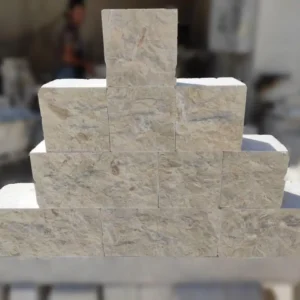
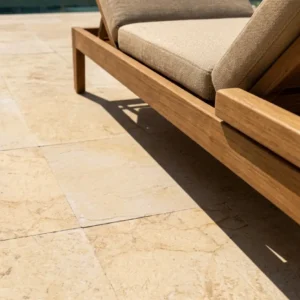
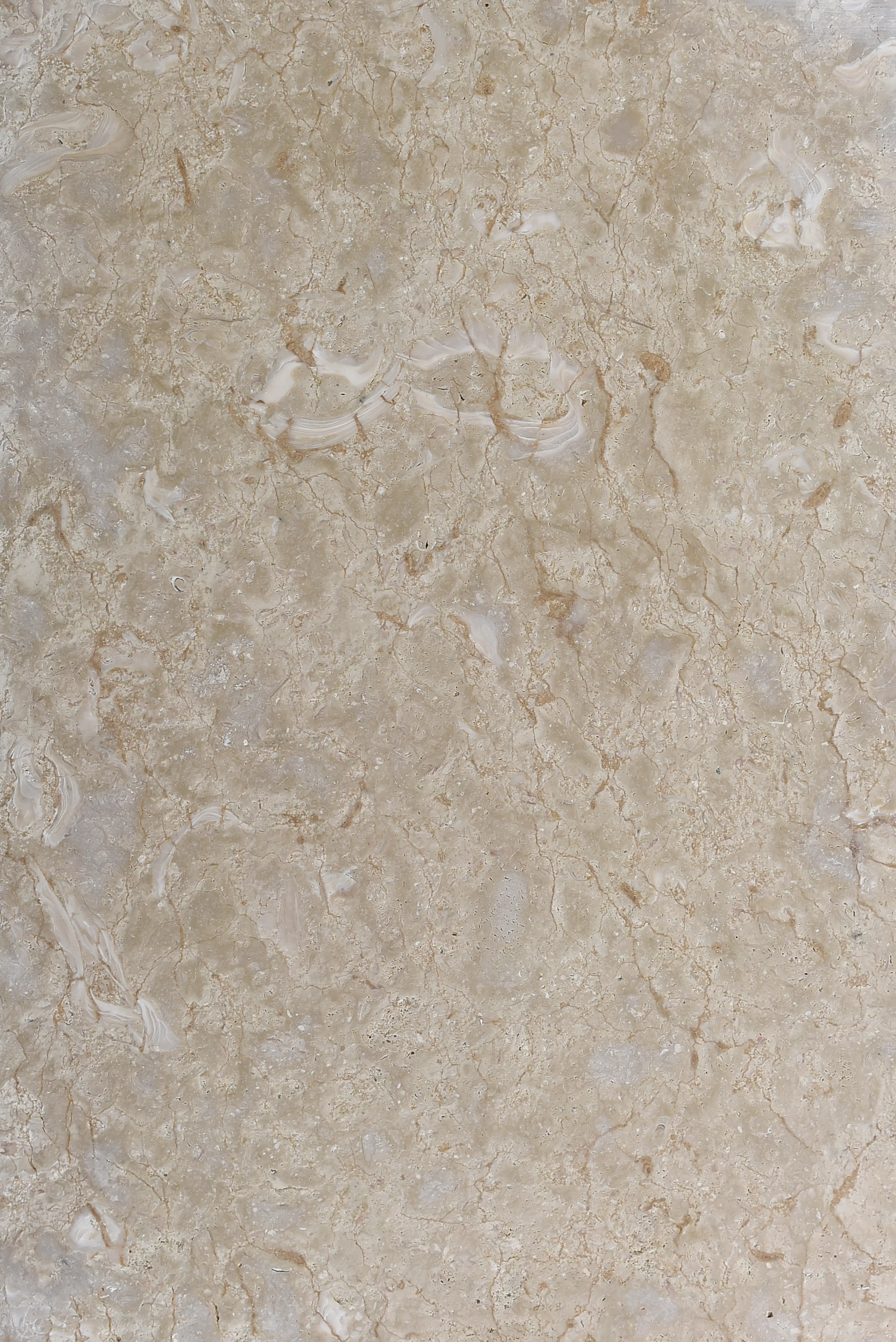
White rocks for landscaping reflect between 60 and 80 percent of incoming solar radiation, depending on surface finish and mineral composition. That high albedo is genuinely useful in sun-drenched planting beds where you’re trying to protect shallow root systems from heat stress. The reflective quality also keeps mulch zones cooler during peak afternoon hours, which reduces soil moisture evaporation — a benefit that compounds over dry summer stretches.
Field performance data on white landscaping rock consistently shows one underappreciated trade-off: reflected light bouncing upward into low-canopy plants can scorch foliage from below. You’ll want to factor in plant placement when you choose white stone near ornamentals and ground-level shrubs. Positioning taller border plantings at the bed perimeter helps block secondary reflection before it reaches sensitive foliage.
- Surface temperature on white rock typically runs 15–25°F cooler than equivalent black stone under direct summer sun
- High albedo reduces irrigation demand in exposed beds by limiting evaporative moisture loss
- Visible soiling from organic debris and algae accumulates faster on white surfaces than on dark stone
- White crushed limestone and white marble chips are the most commonly specified white landscaping options — each with distinct texture and compaction characteristics
- Finish matters: polished white marble reflects more aggressively than tumbled white limestone, which has a more diffused, matte reflectance
Maintenance frequency is the honest downside of white stone. You’re looking at visible algae staining within 12–18 months in humid environments, and leaf tannins from overhead canopy trees leave persistent brown marks that require periodic rinsing or light acid washing. Plan that into your maintenance budget before committing.
Black Landscaping Rock: Performance Profile
Black rocks for landscaping operate on the opposite thermal principle — they absorb radiant energy rather than reflecting it, and surface temperatures can reach 140–160°F on a 95°F day with direct sun exposure. That heat-sink behavior creates both opportunities and risks depending on your planting scheme. In cool-season garden applications, retained warmth extends the effective growing window, which is why black volcanic rock and black basalt chips show up frequently in herb gardens and cold-climate raised beds.
The absorption profile of black stone also means the rock releases stored heat after sunset, moderating overnight low temperatures at the soil surface. Depending on your plant selection, that thermal mass can be an asset or a liability. Succulents and drought-tolerant perennials typically handle the heat cycle well; moisture-loving annuals often struggle.
- Black basalt and black lava rock are the dominant natural stone options in this category — basalt is denser and heavier, lava rock is porous and lightweight
- Surface temperatures on black stone in direct sun can exceed those of white stone by 30–45°F, which requires careful plant pairing
- Black stone conceals organic debris and algae staining far better than white alternatives, reducing visible maintenance frequency
- Dark stone provides higher contrast against light-colored hardscape elements — concrete edging, pale flagstone paths, white gravel borders
- Basalt’s density makes it a strong choice where erosion resistance and stability under foot traffic matter alongside color
The Natural Stone Institute provides stone variety technical data that includes absorption rates and surface characteristics across major stone categories — worth reviewing if you’re specifying between basalt, granite, and volcanic alternatives for black rock applications.
How Drainage and Water Behavior Affect Your Choice
Drainage conditions interact with stone color selection more directly than most guides acknowledge. In regions experiencing heavy seasonal rainfall, monsoon cycles, or significant storm events, water pooling beneath and around decorative rock creates a specific problem: prolonged saturation loosens the base compaction and promotes moss and algae growth on the stone surface. White stone shows that biological growth almost immediately; black stone masks it until the growth is thick enough to become a slip or compaction hazard.
Base preparation is the real variable here. Whether you’re specifying white or black landscaping rock, a compacted aggregate base of 3–4 inches over landscape fabric gives you the drainage geometry to handle 2–3 inch hourly rainfall events without surface displacement. In areas with clay-heavy subsoil, you’ll need to assess whether a French drain or gravel channel along the bed perimeter is warranted — clay’s low permeability means surface water accumulates laterally rather than percolating downward, and no amount of decorative stone compensates for inadequate subsurface drainage.
- In freeze-thaw regions, retained moisture beneath improperly drained rock beds causes heaving that disrupts surface uniformity over successive winters
- Drought-cycle regions present the opposite challenge — dust accumulation in dry periods discolors white stone rapidly, while black stone remains visually consistent between rains
- Permeable base layers are critical regardless of color — the ASLA permeable surface guidance outlines how base depth and aggregate grading affect drainage performance in residential landscape applications
- Stone depth also matters for drainage: 2–3 inches of decorative rock is the minimum to prevent fabric exposure and weed breakthrough, while 4 inches provides better insulation and moisture retention below
Heavy rainfall seasonality also affects delivery planning. You’ll want your delivery timing confirmed before a major weather window closes your job site access. Citadel Stone cuts decorative rock to order at our selected quarries, so you can lock in your order and schedule truck delivery around your installation timeline, with lead times quoted at the time of order.
Visual Contrast and Design Pairing
Your hardscape elements establish the baseline for which stone color reads best. White landscaping rock pairs cleanly with dark-toned hardscape — charcoal pavers, black steel edging, dark timber borders — where the contrast creates definition without visual competition. Black rocks for landscaping reverse that dynamic effectively, providing depth against pale concrete walkways, light limestone stepping stones, or white rendered garden walls.
Colorful rocks for landscaping represent a third path worth considering when your design calls for a focal point rather than a background texture. River pebbles in mixed earth tones, red quartzite, or green serpentine chips introduce color that both white and black stone lack. These work best as accent zones within a dominant white or black scheme rather than as the primary coverage material, where visual complexity can overwhelm the design at scale.
Colorful rocks for landscaping also give designers a way to create seasonal interest in beds that might otherwise read as static — a band of rust-toned quartzite or mixed river cobble holds visual attention across months when plantings are dormant. You can review the full range of stone color options at Citadel Stone to compare specific shades and textures across white, black, and colorful rock varieties before committing to a palette.
Plant Compatibility: Matching Stone to Your Planting Scheme
The thermal profile of your stone choice should guide plant selection as directly as soil type does. White rock beds support a wider range of moisture-sensitive and heat-intolerant plants because surface temperatures stay manageable. Black rock beds perform better with drought-tolerant, heat-adapted species — ornamental grasses, lavender, agave, and succulents all tolerate the elevated surface temperatures without stress.
- Avoid placing moisture-sensitive shade plants directly adjacent to black basalt beds in full-sun exposures — radiated heat extends several inches beyond the stone perimeter
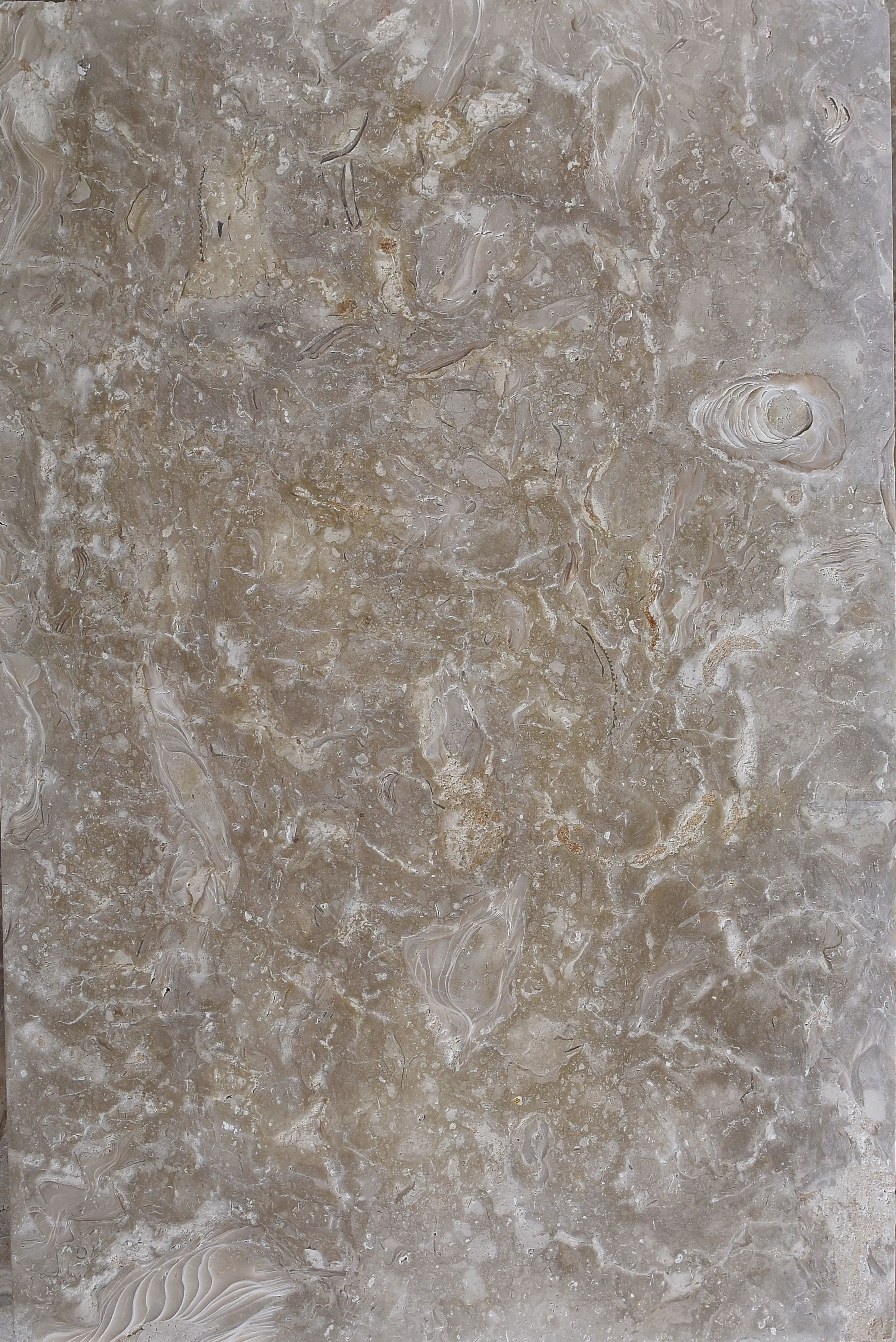
- White limestone chips around acid-loving plants can gradually raise soil pH as calcium carbonate leaches with rainfall — test soil annually in those beds
- Groundcover plants growing beneath black rock benefit from the extended growing season in cooler climates but may bolt or stress prematurely in hot, dry climates
- Mulch-free black rock beds around trees can create root-zone heat stress during extended heat events — maintain a mulch buffer around the root crown when using dark stone near established trees
The USGS dimension stone data confirms that natural stone composition varies significantly by quarry source — which means the density, porosity, and thermal behavior of nominally similar black or white stones from different suppliers can differ enough to affect performance outcomes. Sourcing consistency matters more than the color label alone.
Long-Term Maintenance: What Each Color Demands
Maintenance realities often decide the white vs black landscaping rock question for busy homeowners faster than design preference does. Black stone’s ability to camouflage organic debris, algae, and dust makes it a lower-visible-maintenance option over a 3–5 year horizon. You’ll still need to blow out accumulated leaf debris seasonally and check for fabric displacement after heavy rain, but the visual cleanliness remains intact between those interventions.
White rock requires more active management. Leaf tannin staining is visible within one season in deciduous tree zones, and algae blooms appear on moist, shaded sections within 12–18 months. A light wash with diluted sodium hypochlorite (approximately 10:1 water-to-bleach ratio) addresses biological growth effectively without damaging stone, but that’s a biannual maintenance task you need to plan for. Pressure washing at low settings works for tannin staining but can displace finer-grade white gravel if you’re not careful with nozzle distance.
- Both colors benefit from annual landscape fabric inspection — UV degradation causes fabric breakdown beneath stone after 5–7 years, which accelerates weed penetration regardless of stone color
- White marble chips are softer than white limestone and can develop pitting or surface erosion in high-foot-traffic areas over 4–6 years — specify limestone or quartzite in white for higher-traffic paths
- Black basalt holds its color integrity longer than black-dyed river rock, which fades to grey-brown within 2–3 seasons — always verify whether the black stone is natural or dyed before ordering
Sizing and Specification for White vs Black Landscaping Rock
Stone sizing affects performance alongside color selection. For planting beds, 3/4-inch to 1.5-inch nominal sizing provides good ground coverage, limits displacement under rainfall events, and holds position under moderate foot traffic without requiring edging restraint at every border. Larger cobble-sized pieces — 2 to 4 inches — work well for dry creek beds, erosion control channels, and drainage swales where water velocity could displace smaller material.
Truck access and delivery logistics should factor into your size selection as well. Heavier black basalt in 2–4 inch sizing requires a flat, accessible delivery point — dumping large basalt directly from a truck into a backyard with limited access adds significant manual labor cost to your project. Confirming site access early with your supplier prevents delivery-day complications that delay installation timelines.
- For colorful rocks for landscaping in accent applications, 3/8-inch to 3/4-inch sizing provides the cleanest visual texture without the displacement issues that affect very fine decorative gravel
- White landscaping rock in 1/2-inch crushed limestone is the most economical high-coverage option for large planting beds — coverage runs approximately 100 square feet per ton at 2-inch depth
- Black lava rock, being porous and lightweight, covers more area per ton than dense basalt — factor bulk density into your quantity calculations, not just bag weight
- At Citadel Stone, our technical team advises confirming coverage calculations before your truck order is dispatched — undershooting on white or black rock and scheduling a second delivery adds unnecessary cost to residential projects
Choosing the Right White vs Black Landscaping Rock for Your Project
The head-to-head evaluation between white vs black landscaping rock doesn’t produce a universal winner — it produces a context-dependent answer that depends on your sun exposure, planting scheme, drainage profile, and maintenance tolerance. White rock earns its place in exposed, heat-sensitive beds and in designs where high contrast against dark hardscape creates the defining visual effect. Black rock delivers better long-term visual consistency, superior thermal mass for cold-climate gardens, and a stronger design statement when placed against light-toned architectural surfaces. Sizing, stone type, and base preparation shape the outcome as significantly as color choice does. For projects where the design calls for something beyond the binary, exploring river rock and volcanic alternatives adds dimension that neither white nor black stone delivers on its own — river rock versus volcanic rock options covers those material comparisons in detail. Dark stone sourced through Citadel Stone is known for absorbing more radiant heat, a factor worth weighing in warm-climate planting beds.
Related reading: types of landscaping rocks.