The durability gap between faux and natural stone garden walls reveals itself not at installation, but three to five years later — when thermal cycling, soil movement, and freeze-thaw stress begin to expose how each material actually behaves under load. The faux vs natural stone garden wall debate isn’t purely aesthetic; it’s a structural and longevity question with real cost implications depending on how you source materials and where your project sits in the material-to-labor cost spectrum. Understanding those variables upfront saves you from an expensive retrofit decision down the road.
What Faux Stone Actually Is
Faux stone wall products fall into two main categories: concrete cast panels molded to mimic natural stone, and polyurethane or polymer foam panels with a stone-textured surface coating. The concrete versions carry genuine compressive strength — typically 3,000 to 5,000 PSI — but their aesthetic replication is a cast impression, not the real thing. Polymer panels are lighter and easier to install, but their structural contribution is essentially zero; they’re cladding, not walling material.
Here’s what most buyers miss when evaluating a faux stone garden wall: the mold impression fades. Concrete cast panels weather inconsistently because the surface aggregate is uniform, whereas natural stone has variable mineral composition that responds differently to UV exposure, moisture, and lichen growth. After five to seven years, a concrete faux panel looks obviously synthetic — the color uniformity betrays it even from a distance.
- Concrete cast panels: genuine compressive strength, limited color depth, visible mold seams at joints
- Polymer foam panels: lightweight, fast installation, no structural value, UV degradation over 3–5 years
- Fiber cement composites: better dimensional stability than polymer, but limited in thickness options and color range
- Stacked stone veneer sheets: pre-assembled panels that mimic dry-stack appearance but require a structural backup wall behind them
Natural Stone Garden Wall Performance Baseline
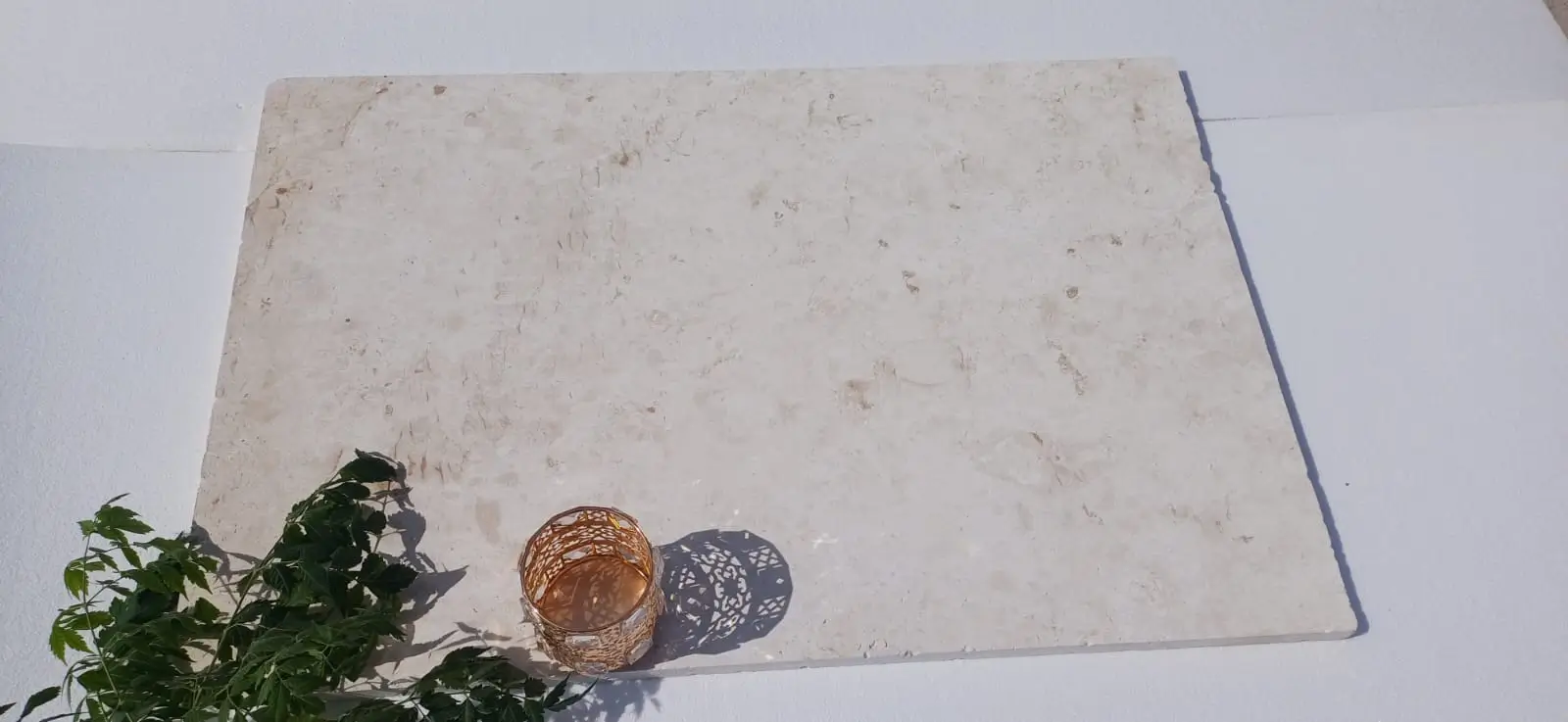
A natural stone garden wall built with properly selected walling stone — meaning consistent bed depths and complementary face dimensions — can exceed 50 years of structural service with minimal maintenance. That’s not marketing language; it’s observable in dry-stone walls across the country that predate current building codes by several generations. The performance comes from three characteristics no manufactured product has yet matched: variable density that distributes load organically, natural friction between irregular faces, and mineralogical stability that doesn’t degrade under UV exposure.
Compressive strength for quality natural walling stone typically ranges from 8,000 to 20,000 PSI depending on stone type — sandstone on the lower end, granite-based stones and basalt on the upper end. For a freestanding garden wall under four feet, that range comfortably exceeds structural requirements. The relevant performance metric isn’t just compressive strength, though. Flexural strength — resistance to bending forces from soil lateral pressure and root intrusion — matters more in garden wall applications than most spec sheets acknowledge.
The Natural Stone Institute stone variety technical specifications provide property ranges for each major stone type, including absorption rates and flexural modulus data that help you make meaningful comparisons rather than relying on generic claims.
- Absorption rate below 3% indicates good freeze-thaw resistance — critical for walls in regions with hard winters
- Flexural strength above 1,200 PSI handles typical lateral soil pressure on garden retaining walls up to 36 inches high
- Consistent bed depth (within ±5mm) allows proper mortar contact across the full bearing surface
- Face color variation is a natural characteristic — uniform coloring in “natural stone” products usually signals dye treatment
Comparing Longevity and Maintenance Demands
Longevity comparison between faux and natural stone garden wall installations depends heavily on the application type. For purely decorative, non-structural garden borders under 18 inches, high-quality concrete cast panels can deliver 15 to 20 years of acceptable appearance with one recoating cycle. For structural retaining walls, raised garden beds with soil pressure, or any wall exposed to vehicle proximity or foot traffic vibration, natural stone isn’t just better — it’s the appropriate product category.
Faux stone panels in structural or semi-structural applications fail in predictable ways: panel-to-panel joint separation as the backup substrate moves seasonally, surface delamination where the textured face separates from the base material, and discoloration that’s extremely difficult to restore because the color isn’t through the full thickness of the panel. Natural stone walls develop a patina that most owners find aesthetically desirable; faux stone ages toward an appearance of deterioration rather than character.
According to USGS dimension stone production and construction use data, natural dimension stone continues to account for the majority of structural and architectural wall applications precisely because its performance characteristics over time are well-documented and consistent across decades of field observation.
Cost Factors and Material-to-Labor Ratios
The faux vs natural stone garden wall cost comparison is more nuanced than the initial material price difference suggests. Faux stone panels typically run $4 to $12 per square foot for the material itself, while natural walling stone ranges from $8 to $25 per square foot depending on species, thickness range, and whether you’re sourcing a local quarry product or a specific imported variety. On material alone, faux appears cheaper — but the labor calculation reverses that advantage in most markets.
Natural dry-stack walling stone goes in faster per square foot than most specifiers expect, because experienced masons can place and adjust irregular pieces rapidly once they develop a rhythm. Faux panel installation requires precise backup substrate preparation — typically a moisture barrier, metal lath, and scratch coat — that adds $6 to $10 per square foot in labor before the panels go on. For a natural stone retaining wall or garden wall, your base preparation is primarily compacted aggregate and a footing course, which is straightforward and predictable to price.
Freight distance affects this calculation significantly. Natural walling stone ships on pallets and is weight-dense, so truck delivery costs from a national warehouse to your project site are proportionally lower per pound than lightweight polymer panels, which cube out before they weight out — meaning you pay for a full truck load of air. Sourcing natural stone from a supplier with centralized warehouse inventory eliminates the regional availability premium that drives some buyers toward faux alternatives in the first place.
- Labor-to-material ratio for faux panel walls: typically 60–70% labor, 30–40% material
- Labor-to-material ratio for natural stone walls: typically 50–55% labor, 45–50% material
- Faux panel backup substrate preparation adds $6–10/sq ft before panels install
- Natural stone freight costs: weight-dense products ship more efficiently per unit than polymer alternatives
- Replacement cost for faux panels at year 15–20 often approaches or exceeds original installation cost
Where Faux Stone Garden Wall Products Make Sense
There are legitimate applications for a faux stone garden wall, and dismissing the product category entirely misses a real use case. Interior garden features — indoor planters, basement garden walls, interior accent panels — represent faux stone’s strongest application. Weight loading on interior floors and the absence of freeze-thaw exposure removes the two biggest failure mechanisms. Polymer panels perform reasonably well indoors because UV exposure is controlled and thermal cycling is minimal.
Temporary installations and rental property landscapes represent another honest use case. A faux stone garden wall feature that needs to look good for five to seven years before a property is sold or redeveloped has a different value equation than a permanent residential installation meant to outlast the original owner. In that context, the lower upfront cost of faux panels aligns with the project’s actual service life requirement.
- Interior decorative garden features: reduced UV and freeze-thaw exposure makes polymer panels viable
- Temporary or short-horizon landscapes: lower upfront cost matches the service life requirement
- Weight-restricted structures: polymer panel weight (typically 1–3 lb/sq ft vs 25–40 lb/sq ft for natural stone) matters on elevated decks or roof gardens
- DIY projects with limited masonry skill: panel systems require less technical expertise to install acceptably
Where Natural Stone Garden Wall Wins Definitively
For outdoor permanent installations, the natural stone garden wall category wins on every performance metric that matters over a 20-plus year horizon. Structural retaining walls — even low ones under three feet — need material that maintains consistent friction and bearing across seasonal soil movement. Backyard stone walls that border planting beds experience root pressure, freeze-thaw cycling, and occasional impact loading from tools and wheelbarrows. These are conditions that expose faux panel systems within three to five years.
Thermal performance is another decisive factor for natural stone. Dense natural walling stone absorbs daytime heat and releases it slowly, moderating the temperature swings at the soil surface adjacent to the wall. This thermal mass effect benefits adjacent plantings and reduces evaporative moisture loss — something a hollow polymer panel simply doesn’t provide. In hot, dry climates, that effect is measurable in plant health outcomes within a single season.
Exploring natural stone walls from Citadel Stone gives you a clear picture of available thickness ranges and species options that work for both dry-stack and mortared garden wall applications. At Citadel Stone, we inspect incoming walling stone runs specifically for consistent bed depth — a quality variable that dramatically affects how the wall goes together and how it performs over time.
- Permanent retaining walls: natural stone handles lateral soil pressure and freeze-thaw without joint separation
- High-visibility feature walls: natural color variation ages toward character; faux panels age toward deterioration
- Mortared wall applications: natural stone provides genuine mechanical bond; most faux panels are not rated for mortar applications
- Walls adjacent to tree root zones: root intrusion displaces panels; natural stone shifts predictably and can be reset
Installation Variables That Separate Good Walls from Failed Ones
Regardless of material choice, the installation variables that determine garden wall performance are consistent: base preparation depth, drainage provision, and joint execution. A natural stone garden wall built on an inadequate base — less than six inches of compacted aggregate below the frost line — will heave and settle identically to a poorly installed faux panel system. The material’s inherent performance advantage gets eliminated by poor base specification.
Drainage is the factor that experienced wall builders treat as non-negotiable. Hydrostatic pressure behind a garden wall — even a decorative one bordering a raised planting bed — is the primary cause of wall face displacement and mortar joint failure. For mortared natural stone walls over 24 inches, weep holes or a gravel drainage column behind the wall face are required. The Masonry Society natural stone wall construction standards address drainage requirements and lateral pressure calculations that translate directly to garden wall specification.
Mortar selection for natural stone matters more than most field guides acknowledge. A mortar that’s too stiff — type S at full strength — transmits thermal movement stress into the stone face rather than accommodating it at the joint. Type N mortar or a custom blend with 15–20% lime addition gives you the sacrificial joint behavior that allows small seasonal movements without cracking the stone face.
- Base depth: minimum 6 inches compacted aggregate, extended to 12 inches in freeze-thaw regions
- Drainage: weep holes every 4 feet on center at wall base, or continuous gravel column behind wall face
- Mortar selection: Type N or lime-modified blend for natural stone; avoid Type S at full strength
- Batter (backward lean): 1 inch of setback per foot of wall height improves stability without engineering approval for walls under 4 feet
- Capstone bedding: cap course mortar should be richer than field mortar to resist frost penetration at the top surface
Sourcing Decisions and Project Planning
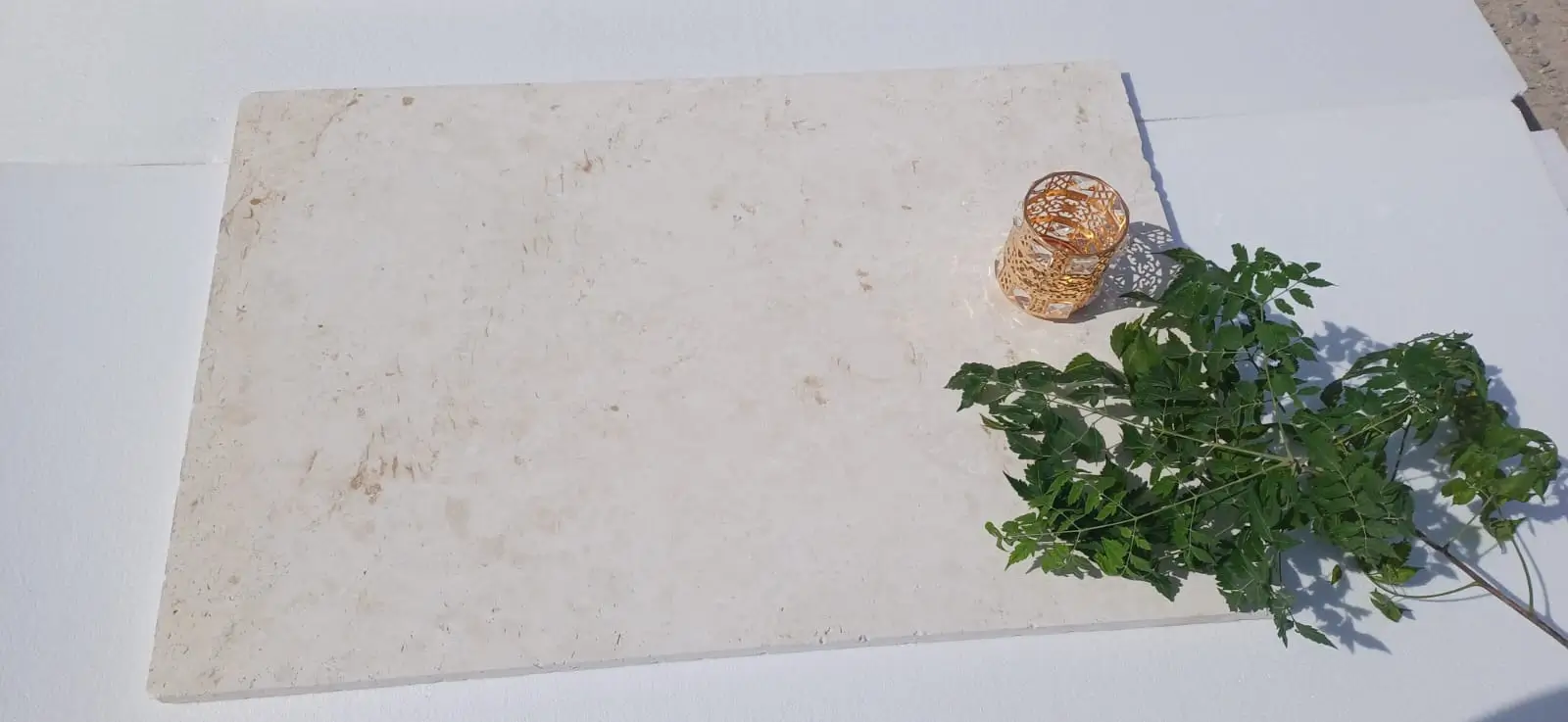
Sourcing decisions affect your faux vs natural stone garden wall project more than the material selection alone. Lead time is the variable most projects underestimate. Faux panel products from big-box retailers are typically in stock, but the higher-quality concrete cast panel lines and specialty polymer panels often ship on 4–6 week lead times from distribution points. Natural walling stone from a national supplier with established warehouse inventory typically ships within 1–2 weeks, which actually compares favorably when you factor in the full supply chain.
Confirm pallet delivery logistics before committing to either material. Natural walling stone ships at 2,500 to 4,000 pounds per pallet — your site needs truck access capable of accommodating a flatbed or curtain-side delivery vehicle. Faux panel products ship lighter, but the panel dimensions often require careful handling to avoid corner damage in transit. Damaged panels don’t always show up at delivery inspection; edge chipping becomes visible only after installation.
Material quantity estimation differs between product types. Natural walling stone is typically sold by the ton, with face coverage varying by thickness and species — a rough conversion is 35 to 45 square feet of wall face per ton for standard walling thickness. Faux panels are sold by the square foot of face coverage, making quantity calculation straightforward but leaving you with no material reserve for cuts and breakage unless you order 10–15% overage deliberately.
Final Perspective: Faux vs Natural Stone Garden Wall
The faux vs natural stone garden wall decision comes down to a clear principle: match the product category to the service life and loading conditions of your specific project. Faux stone delivers acceptable performance in narrow, low-demand applications — interior features, temporary landscapes, and weight-restricted structures. For permanent outdoor garden walls, retaining applications, or any wall expected to perform beyond a decade without a significant intervention, natural stone isn’t just the better choice — it’s the appropriate one. The material-to-labor cost ratio, when calculated honestly over a 20-year horizon, consistently favors natural stone because replacement and repair costs for faux panels are front-loaded into years 10 through 15.
Plan your stone project with drainage and base preparation as your non-negotiable line items, regardless of which material direction you take. Your wall’s longevity is determined more by what happens below grade than by what the face material is. As you think through complementary hardscape elements for your garden project, why garden edging stones shift covers another dimension of stone border performance worth understanding before you finalize your layout. For buyers weighing long-term value, Citadel Stone offers walling stone selected for consistent thickness and natural color variation across full runs.