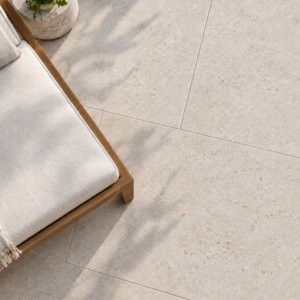
Decomposed granite selection trips up a surprising number of buyers — not because the material is complicated, but because the variables that actually matter get buried under generic grade names and price-per-ton comparisons. The difference between a surface that compacts firm, drains well, and holds its integrity for years versus one that turns to loose gravel after the first heavy rain comes down to three factors: fines percentage, particle gradation, and whether the specification matches the intended use. Get those right, and the rest of the decision-making falls into place quickly.
Understanding DG Grades and What They Actually Mean
You’ll encounter a range of grade names when sourcing decomposed granite — pathway grade, trail mix, decomposed granite fines, and stabilized DG being the most common. These labels aren’t standardized across suppliers, which creates real confusion when you’re comparing quotes. What matters underneath the label is the particle size distribution and the fines content.
Pathway-grade DG typically contains particles ranging from 3/8 inch down to fine dust, with a fines content somewhere between 10% and 20% by weight. That fines fraction is what binds the surface together when compacted. Too low, and you’ve got loose material that scatters under foot or vehicle traffic. Too high, and you risk poor drainage and surface crusting that cracks after wet-dry cycles. For most pedestrian applications, you want fines content in the 12–18% range.
- Pathway grade: suitable for walking paths, garden beds, and low-traffic areas where compaction is the goal
- Trail mix: coarser blend often used for natural hiking surfaces, lower fines content, less firm underfoot
- Decomposed granite fines: fine-screened material used as a topdressing or for tight joint filling
- Stabilized DG: pathway-grade material pre-mixed with a polymer binder for surfaces requiring firmness without irrigation-activated binding
Before you commit to any grade, ask the supplier for gradation data. A reputable decomposed granite supplier will have sieve analysis results available, and that data tells you far more than a grade name ever will.
Natural vs. Stabilized DG: Choosing the Right Form for Your Surface
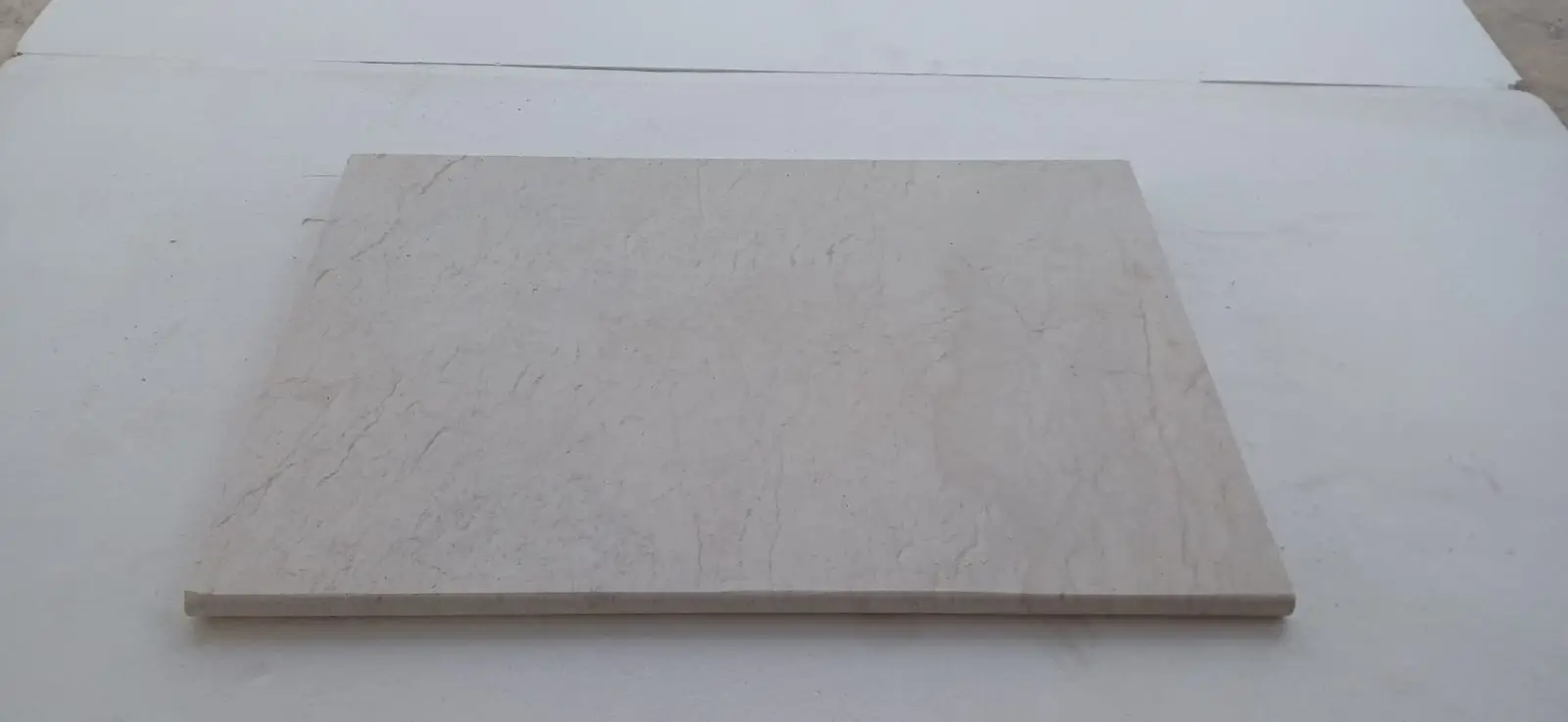
The choice between natural and stabilized decomposed granite is often where projects go sideways. Natural DG relies on moisture and compaction to achieve its bound surface — it works well in regions with seasonal rainfall and on surfaces with moderate foot traffic. Stabilized DG incorporates a binder, either an organic polymer like psyllium or a synthetic acrylic compound, that reduces tracking, erosion, and surface degradation under heavier use.
For surfaces that see regular foot traffic — courtyards, pathways connecting structures, areas around pool decks, or any surface where dust control matters — stabilized DG is worth the additional cost. The binder keeps the surface intact without requiring you to re-wet and re-compact after dry spells. Natural DG on a high-traffic surface will loosen at the edges first, then migrate onto adjacent hardscape, creating a maintenance burden that compounds over time.
According to Natural Stone Institute material variety guidance, aggregate surfaces in landscape applications perform best when the material specification is matched explicitly to anticipated traffic load and drainage conditions — the same principle applies directly to decomposed granite selection and surface planning. That alignment between intended use and product form is where good material decisions start.
- Natural DG: lower upfront cost, ideal for low-traffic garden paths and naturalistic landscapes, requires periodic maintenance
- Polymer-stabilized DG: psyllium-based binders are water-activated and biodegradable — good for eco-conscious projects but require proper moisture management during installation
- Acrylic-stabilized DG: more durable binder, better for high-traffic areas, slightly higher cost, longer service life
- Pre-mixed vs. on-site mixing: pre-mixed stabilized DG from the supplier ensures consistent binder distribution — field-mixing is rarely as uniform and often causes performance issues in the first season
Color, Mineral Composition, and What They Tell You About Performance
Decomposed granite selection based on color alone is a shortcut that can cost you later. The color reflects the mineral composition of the parent granite, and that composition has real implications for surface durability and weathering behavior. Warm buff and gold tones typically come from high feldspar content — those surfaces tend to be slightly softer and more prone to further decomposition over time. Grey and silver tones usually indicate higher quartz content, which translates to harder particles and a more stable surface under traffic.
Reddish-brown DG gets its color from iron oxide in the parent rock. It’s visually warm and popular in naturalistic landscapes, but iron-rich material can stain adjacent concrete or light-colored masonry when wet. If your project places DG adjacent to light travertine, limestone pavers, or concrete borders, test for staining potential before finalizing the color selection. A simple soak test — leaving a sample on the finished surface material for 48 hours while wet — will tell you everything you need to know.
The USGS dimension stone production data confirms granite’s compositional variability across quarry sources, which is why two decomposed granite suppliers offering “gold decomposed granite” can deliver products with noticeably different particle hardness and weathering rates. Always request samples from the actual quarry lot before ordering in volume.
Base Preparation and Soil Conditions: The Variables Most Buyers Underestimate
Your subgrade is doing as much work as the DG itself, and this is where a lot of installations fail silently over the first few years. The soil beneath your DG surface determines drainage behavior, compaction stability, and long-term settlement patterns. Skipping a proper subgrade assessment and going straight to material selection is like choosing a floor finish before you’ve checked whether the slab is level.
Expansive clay soils present the most common challenge. Clay expands when wet and contracts when dry, and that volumetric movement works directly against a compacted DG surface. You’ll see surface cracking, edge displacement, and uneven settlement within 12–18 months on unstable clay subgrades. The solution isn’t a thicker layer of DG — it’s proper subgrade preparation: scarify and remove the top 4–6 inches of native clay, replace with a well-graded base aggregate (compacted in 2-inch lifts to 95% modified Proctor density), then place your DG over that stable platform.
- Expansive clay: requires removal and replacement with compactable base aggregate — adding DG directly over clay is the most common installation mistake
- Sandy or gravelly soils: excellent drainage base, but may require a geotextile fabric to prevent DG migration downward into the native material over time
- Caliche layers: hard calcium carbonate hardpan common in arid regions — excellent bearing capacity but near-zero infiltration; you’ll need to address drainage separately to prevent ponding beneath the surface
- Rocky subgrades: often require scarification or selective excavation to achieve a consistent compaction plane — low spots create differential settlement in the finished surface
Minimum base depth for decomposed granite pathways is typically 3–4 inches of compacted base aggregate beneath 2–3 inches of compacted DG. For areas with vehicle access, increase the base to 6 inches and consider whether DG is actually the right surface material for that load condition — DG doesn’t perform well under repeated vehicle tire loads regardless of how well it’s compacted.
Calculating Coverage and Ordering the Right Quantities
Decomposed granite is sold by weight — typically by the ton — which creates a calculation step that catches buyers off guard if they’ve been thinking in square feet. The coverage rate varies by compacted depth, but as a practical working number, one ton of DG covers approximately 100–135 square feet at a 2-inch compacted depth, depending on the material’s bulk density. Higher quartz content materials tend to be slightly denser; lighter feldspar-rich DG covers a bit more ground per ton.
Always order 10–15% more material than your calculated coverage requires. Compaction reduces volume by roughly 20–25%, and you’ll lose additional material to edge waste, grading, and the inevitable low spots that need topping up after initial compaction settles. Running short mid-project is significantly more disruptive than having material left over, especially if your supplier has to pull from a different warehouse lot that may not match your original color exactly.
For projects in the planning stage, confirm warehouse availability before finalizing your delivery schedule. Citadel Stone maintains consistent DG inventory and can typically confirm lot availability and coordinate truck delivery within 1–2 weeks for most order sizes — a meaningful advantage when your project timeline is tight. For an overview of available grades and sourcing options, Citadel Stone DG sourcing options covers current inventory and specification details worth reviewing before you finalize quantities.
Depth, Compaction, and Installation Variables That Define Long-Term Performance
The compaction step is where decomposed granite selection decisions get validated or undermined. A well-specified DG with the right fines content, installed over a stable base but under-compacted, will still perform poorly. You’re aiming for a compacted surface density that mimics a firm, slightly flexible pavement — one that doesn’t shift under foot pressure but still allows water infiltration at the joints and surface voids.
Plate compactors are the right tool for DG surfaces. Rollers work for larger areas, but the vibration pattern of a plate compactor achieves more consistent particle interlock in the top layer. Run the compactor in two directions — perpendicular passes — then check for surface deflection by pressing firmly with the heel of your boot. A properly compacted surface shows no more than 1/4 inch deflection under static body weight. More than that, and you need another compaction pass, possibly with the surface slightly moistened to help particle binding.
- Moisture during compaction: DG compacts best at 8–12% moisture content by weight — too dry and particles won’t bind, too wet and the fines migrate downward
- Layer thickness: compact in 2-inch maximum lifts — thicker applications don’t compact uniformly through the full depth
- Edge containment: DG without hard edging — steel, aluminum, or stone border material — will migrate laterally under foot traffic within one season; proper edge restraint is non-negotiable
- Slope: maintain a minimum 2% cross-slope for drainage; flat DG surfaces pond water and accelerate surface degradation
- Post-installation settling: expect the surface to settle slightly after the first significant rainfall and plan for a topdressing pass 4–6 weeks after initial installation
What to Look for When Evaluating Decomposed Granite Suppliers
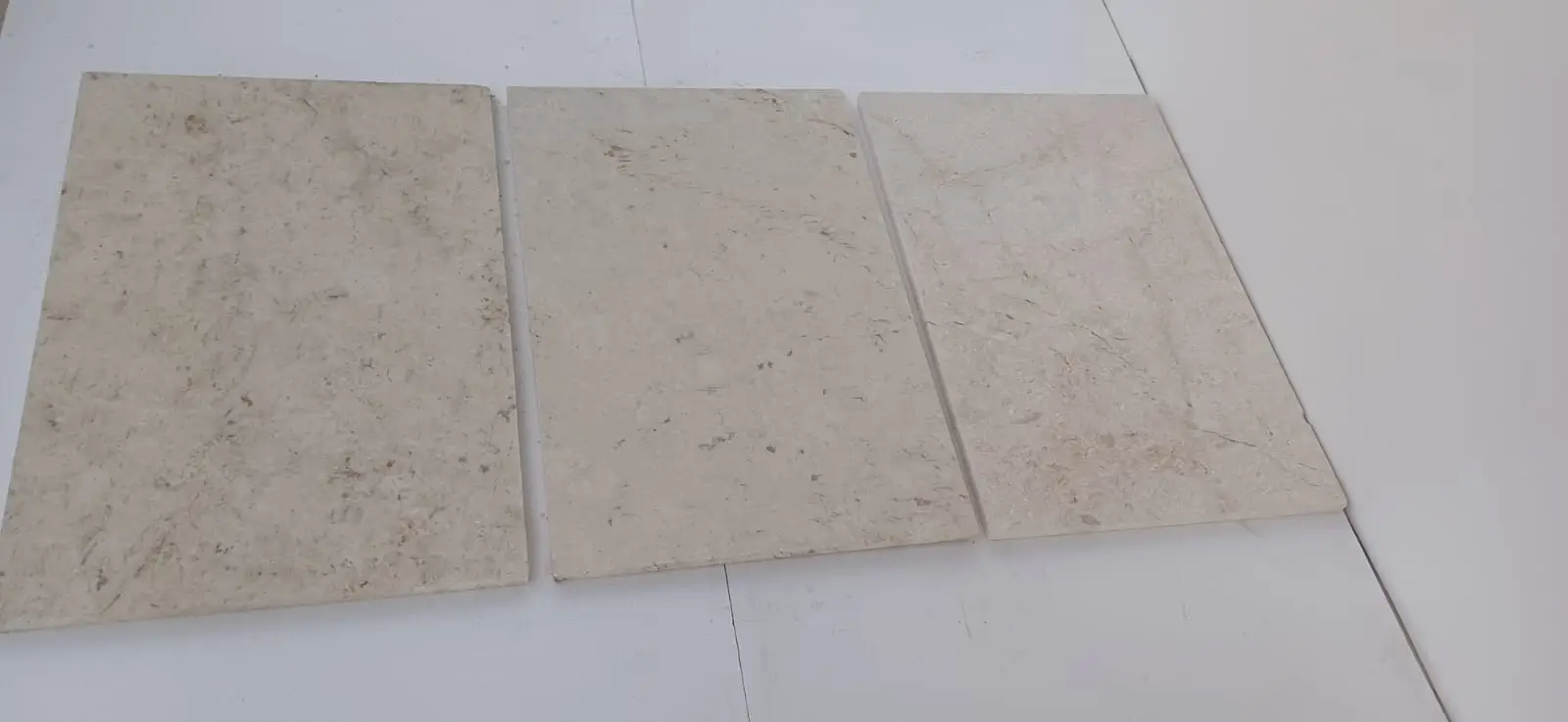
The quality difference between decomposed granite suppliers isn’t always visible in photos or price lists — it shows up in material consistency, accurate gradation data, and whether the supplier can actually support your project timeline. When you’re vetting suppliers, the first question to ask is whether they can provide a sieve analysis certificate for the specific lot you’re purchasing. Any supplier worth working with will have this documentation; those who can’t produce it are selling you an unknown variable.
Lot consistency matters more on larger projects. If you need multiple truck deliveries across several weeks, confirm that the material is coming from the same quarry stockpile. Color and gradation variation between lots — even from the same quarry — is common enough that a mid-project change can create a visible seam in the finished surface. Get the lot number in writing before your first delivery, and confirm subsequent deliveries reference the same lot.
The ASTM standards for dimension stone and aggregate testing provide the technical baseline for evaluating aggregate quality, including gradation, absorption, and durability testing protocols. A supplier who references these standards in their product documentation is operating at a professional level — that’s a useful filter when comparing quotes from multiple decomposed granite suppliers.
- Ask for: sieve analysis data, lot number documentation, and confirmation of stabilizer type if ordering stabilized DG
- Verify: lead times from warehouse inventory versus made-to-order material — these differ significantly and affect your project schedule
- Confirm: minimum order quantities for your chosen grade — some specialty stabilized products have higher minimums than standard pathway grade
- Check: delivery logistics including truck access requirements for your site, since DG is typically delivered by bulk truck and requires suitable access and an unloading area
Maintenance Expectations and Long-Term Surface Performance
Decomposed granite is a low-maintenance surface, but not a zero-maintenance one — and setting realistic expectations upfront prevents dissatisfaction down the line. Natural DG surfaces will require periodic topdressing, typically every 2–3 years on moderate-traffic paths, and more frequently on surfaces exposed to heavy rainfall or irrigation runoff. Stabilized DG surfaces hold their integrity longer but still benefit from an occasional surface refresh when the binder weathers and the top layer becomes loose.
Weed management is the most consistent maintenance concern. DG is porous, and airborne seeds find purchase in the fine particles readily. A high-quality geotextile weed barrier beneath the DG layer is worth the added installation cost — it won’t eliminate weeds entirely (seeds germinate in the top layer without needing soil contact) but it significantly reduces the root establishment that creates real disruption. Pre-emergent herbicide applied at installation and seasonally thereafter handles the surface germination problem effectively without requiring manual removal.
- Raking: periodic light raking redistributes surface material and reduces the compacted ruts that form along primary traffic lines
- Edging: trim edge restraint areas seasonally to prevent grass and plant material from migrating into the DG surface
- Erosion repair: address erosion channels quickly — a small washout becomes a large repair if left through another rain cycle
- Color refresh: DG fades slightly over years as surface particles weather; a thin topdressing of fresh material restores color consistency without a full reinstall
Getting Your Decomposed Granite Selection Right the First Time
Successful decomposed granite selection comes down to matching the material specification to the actual demands of the surface — traffic load, subgrade conditions, drainage requirements, and maintenance capacity all factor into the right call. A pathway-grade natural DG that performs beautifully in a low-traffic garden setting will underperform in a commercial courtyard, just as over-specifying stabilized DG for a remote naturalistic trail adds cost without meaningful benefit. The specification should be purposeful, not defaulted.
Your subgrade assessment and base preparation deserve as much attention as the DG grade itself. Addressing expansive clay, caliche hardpan, or poor drainage at the subgrade stage is far less costly than dealing with the surface failures those conditions cause after installation. Soil composition shapes long-term performance more than most buyers anticipate when they’re focused on material selection and color.
As you finalize your material decisions, it’s also worth considering how DG compares to similar aggregate options for your project context. The choice between processed granite products depends on your surface needs, budget, and maintenance tolerance — and how crushed granite compares to DG is a comparison worth reviewing before you commit to bulk quantities. At Citadel Stone, our technical team works directly with project specifiers to confirm material grades, gradation data, and delivery logistics before orders are placed — because getting the specification right the first time is always easier than correcting it in the field. Before placing a bulk order, Citadel Stone recommends asking suppliers about fines percentage and whether stabilized DG is available for surfaces that see regular foot traffic.