

What the Choice Really Comes Down To
The pavers vs travertine decision isn’t simply about aesthetics — it comes down to how each material responds to load, moisture, and surface temperature under real-use conditions. Natural stone pavers as a broad category include basalt, limestone, and granite options, each with distinct compressive strengths ranging from 8,000 to over 20,000 PSI. Travertine sits at the lower end of that spectrum, typically between 4,000 and 7,500 PSI, which matters significantly when you’re specifying for driveways or heavy-foot-traffic commercial terraces.
Understanding Travertine as a Material
Travertine is a sedimentary limestone formed through rapid calcium carbonate precipitation — typically around hot springs and limestone caves. That origin gives it a characteristic open-pore structure with interconnected voids that you won’t find in denser igneous or metamorphic alternatives. According to USGS limestone and travertine mineral formation data, this porous matrix is what makes travertine both thermally moderate at the surface and structurally more variable than dense granite or basalt.
The porosity that keeps travertine cool underfoot also creates a maintenance obligation. You’ll need to seal it every 18 to 24 months in normal use — and more frequently in wet or freeze-thaw environments where water infiltration accelerates spalling. Unfilled travertine finishes look beautiful, but the voids collect debris and can trap moisture, so for exterior horizontal applications, filled and honed or brushed finishes are the specification standard.
- Open-pore structure moderates surface heat — beneficial for barefoot pool deck use
- Compressive strength ranges from 4,000 to 7,500 PSI — adequate for patios and pool surrounds, marginal for heavy vehicular loads
- Absorption rates typically fall between 3% and 7% — requires routine sealing to prevent staining and moisture damage
- Available in filled and unfilled finishes — filled is the recommended exterior specification
- Natural colour variation ranges from ivory and walnut to silver-grey — each quarry batch differs
Natural Stone Pavers: The Broader Category
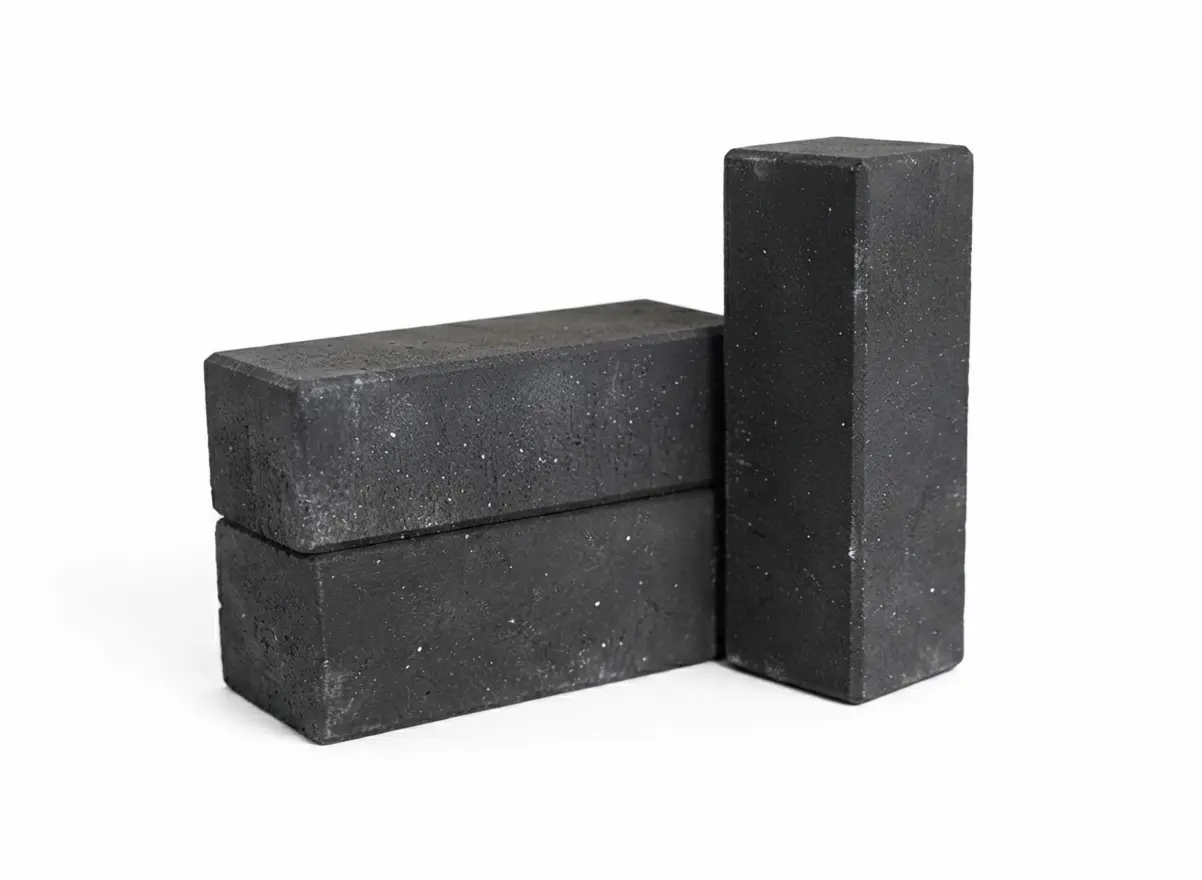
When comparing pavers vs travertine, it helps to clarify that “pavers” isn’t a material — it’s a format. The category includes limestone, granite, basalt, cobblestone, and sandstone options, each with its own performance envelope. For most residential and commercial patio projects, the real comparison is between travertine pavers and denser limestone or granite alternatives in the same format. The Natural Stone Institute stone variety specifications provide a useful framework for benchmarking material classes before you commit to a spec.
Natural stone pavers in the 2-inch nominal thickness range are the workhorse format for most landscape and hardscape applications. Your base preparation requirements, joint spacing, and drainage geometry all remain consistent across the category — the material choice shifts the sealing protocol, slip resistance profile, and long-term maintenance cycle rather than the installation methodology itself.
- Limestone pavers offer moderate density and a warmer surface temperature than granite — a useful middle ground between travertine and igneous stone
- Granite pavers deliver compressive strengths above 15,000 PSI — the right call for driveways and areas with vehicular traffic
- Basalt pavers provide exceptional hardness and low absorption, but require careful finish selection to achieve safe slip resistance ratings
- Gray cobblestone pavers add texture and visual depth to driveways and garden borders — their irregular profile also improves drainage naturally
- The 411 limestone aggregate base is a common subbase for all paver types — its self-compacting properties make it the industry standard across most installations
Surface Finish and Slip Resistance
Surface finish selection in the pavers vs travertine comparison directly determines slip resistance — a specification decision with both safety and liability implications. Travertine in a tumbled or brushed finish leaves an open, textured face, and the ANSI A326.3 minimum wet DCOF of 0.42 is the threshold for most exterior wet-surface applications. Polished travertine drops below that threshold and should never be specified for pool decks or areas exposed to rain without a textured additive applied to the sealer.
For denser stone pavers — granite, basalt, or dense limestone — the finish options are wider without sacrificing safety. A flamed or sandblasted finish on granite, for instance, consistently delivers SCOF values above 0.65 on wet surfaces. Your finish specification matters as much as the material choice itself, and it’s worth reviewing ASTM slip resistance testing standards before finalising exterior surface specs.
- Tumbled or brushed travertine: open, textured face — the usual finish specification for pool surrounds
- Polished travertine: SCOF below 0.50 wet — exterior use not recommended without treatment
- Flamed granite pavers: SCOF above 0.65 wet — reliable for commercial and residential exteriors
- Honed limestone: moderate slip resistance — verify finish-specific test data before pool deck specification
- Sandblasted basalt: high slip resistance — demanding finish to maintain consistently across large areas
Paver Patterns and Layout Planning
Your layout approach affects both the visual result and structural performance of the finished surface. Standard paver patterns — running bond, herringbone, and basketweave — each distribute load differently at the joint interfaces. Herringbone at 45 degrees is the most structurally efficient pattern for driveways because the interlocking geometry resists lateral displacement under wheel loads. For patio and garden terrace applications, running bond in longer formats creates a cleaner, more contemporary aesthetic without sacrificing stability.
Travertine’s natural colour variation means paver patterns read differently than they do in uniform manufactured concrete pavers. The veining and shade range in travertine actually work in your favour for large-format random or ashlar patterns — the variation becomes part of the design language. Browse our natural stone paver range if you want to compare format sizes and surface finishes before finalising your layout plan.
Thermal Performance and Heat Management
Surface temperature is one of the most practically significant differences in the pavers vs travertine comparison. Travertine’s porous calcium carbonate structure reflects and dissipates heat more effectively than dense stone alternatives. In high-solar-exposure conditions, surface temperature differentials between travertine and dark granite can reach 20–30°F — a meaningful comfort variable for barefoot pool deck and patio use.
Denser stone pavers — granite, dark basalt — absorb and retain heat more aggressively. That thermal mass works against barefoot comfort in intense sun but can actually be a benefit in shaded or north-facing installations where residual warmth extends usable hours into cooler evenings. Factor your project’s sun exposure and primary use pattern into the material selection before defaulting to travertine purely on aesthetic grounds.
- Travertine surface temperatures run cooler than dense igneous stone in high-sun conditions
- Light-coloured limestone reflects 60–70% of solar radiation — comparable to travertine in thermal performance
- Dark granite and basalt pavers absorb more heat — better suited to shaded or covered installations
- Gray cobblestone pavers in lighter tones offer a reasonable thermal performance compromise for mixed-sun applications
- Thermal expansion coefficients for travertine run approximately 4.4 × 10⁻⁶ per °F — factor this into joint spacing on large continuous surfaces
Seasonal Installation Timing
Your installation schedule has a measurable impact on how both travertine and natural stone pavers perform long-term. Setting adhesives and polymer-modified mortars have defined temperature windows — most manufacturers specify a working range of 40°F to 90°F. Outside that window, cure rates deviate enough to compromise bond strength by 20–30% in field conditions.
For travertine specifically, morning installation sessions are preferable in warm periods. The stone itself absorbs heat through the day, and setting material applied to a substrate above 85°F can skin over before achieving full bond. In freeze-thaw regions, scheduling installation after the last hard frost and before the first autumn freeze gives joints and setting beds the full cure cycle they need. Allow a minimum of 28 days before the surface faces sustained wet or cold conditions — this isn’t a conservative guideline, it’s the threshold where bond failure risk drops to an acceptable level.
- Optimal air temperature range for setting: 50°F to 85°F — morning placement preferred in summer conditions
- Avoid installation when overnight temperatures will drop below 40°F within 48 hours of placement
- Travertine should be at ambient temperature before installation — cold stone from a shaded warehouse truck delivery needs 2–4 hours of acclimatisation
- Polymer-modified mortars extend the workable temperature range slightly — verify your specific product’s datasheet before scheduling
- Joint sand activation and compaction should occur during dry weather — moisture can interfere with polymeric sand curing and cause efflorescence in travertine
Maintenance and Long-Term Performance
The maintenance gap between travertine and denser stone pavers is real, and it’s worth being honest about when you’re specifying for clients. Travertine requires sealing every 18 to 24 months for exterior horizontal surfaces — and in high-traffic or pool-adjacent applications, annual sealing is the more defensible recommendation. Properly maintained travertine can perform well for 20 to 30 years, but that outcome depends entirely on the sealing discipline of the property owner.
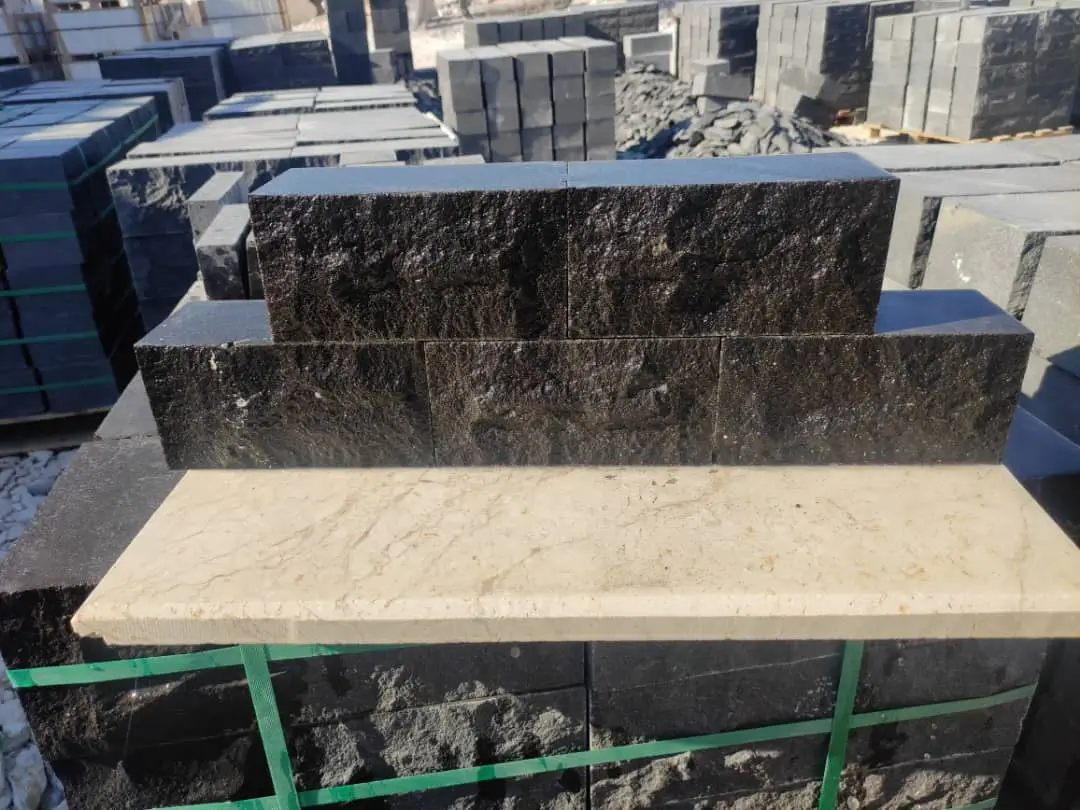
Dense limestone, granite, and basalt pavers are considerably more forgiving. A quality penetrating sealer on granite can last 3 to 5 years between applications. Clients who want low-maintenance performance without sacrificing the look of natural stone should be steered toward denser limestone options — the 411 limestone base system combined with a well-specified dense limestone paver surface is the specification combination that consistently delivers the best balance of aesthetics and maintenance simplicity. Citadel Stone ships nationwide and can confirm current warehouse stock on specific materials before you commit your project timeline.
- Travertine: seal every 12–24 months depending on traffic and exposure
- Limestone pavers: seal every 2–3 years with a penetrating impregnator
- Granite pavers: seal every 3–5 years — lowest maintenance natural stone option
- Efflorescence risk is highest in travertine during the first 6–12 months — manageable with correct pH-neutral cleaning protocols
- Joint sand should be inspected and topped up annually — low joint fill is the leading cause of premature edge chipping in all paver types
Cost and Supply Logistics
Travertine pricing varies more than most specifiers anticipate. Premium filled-and-honed ivory travertine from high-quality quarries commands a meaningful price premium over mid-range tumbled product — and the difference in field performance justifies it. Thinner product (3/4 inch nominal) costs less at purchase but creates more callbacks from cracking under point loads, so the 1.25-inch to 1.5-inch range is the right thickness specification for most exterior horizontal applications.
Natural stone pavers across the broader category have stabilised in availability as domestic warehouse inventory has expanded. Delivery lead times from a well-stocked supplier with truck access to your project site typically run 5 to 10 business days for standard formats — significantly shorter than the 8-to-12-week import cycle that custom or rare material selections require. Confirm warehouse availability on your specific paver format before finalising your project schedule, particularly for large-volume projects where partial delivery can stall installation sequencing.
Making the Right Call on Pavers vs Travertine
The pavers vs travertine comparison resolves clearly once you match material performance to actual project conditions rather than aesthetic preference alone. Travertine earns its place on pool decks, garden terraces, and low-traffic patios where thermal comfort and natural aesthetics are the priority. Denser natural stone pavers — granite, basalt, dense limestone — are the right specification for driveways, commercial terraces, and any application where compressive load or maintenance simplicity drives the decision. As you think through complementary hardscape elements for your project, round stone paver design options are worth exploring for accent zones and garden pathways where curved formats add visual interest. Sourced from internationally sourced quarries, our travertine helps buyers weigh the pavers vs travertine decision on texture and heat.
Related reading: yorkstone paver · cobblestone pavers vs natural stone · limestone cobblestone paving patterns.