

Why Base Depth Changes Everything in Crushed Limestone Driveway Cost
Crushed limestone driveway cost is almost always misjudged because buyers anchor on the per-ton price — typically $25 to $50 per ton depending on stone grade and haul distance — and miss the variable that actually drives the final invoice: base depth. A 4-inch compacted base and a 10-inch engineered base can share the same surface stone, the same square footage, and the same contractor, yet land $8 to $14 per square foot apart in total installed cost. That gap is entirely base-driven, and it’s the first thing you need to nail before any other number makes sense.
Your soil type determines the base requirement more than your surface traffic does. Clay-dominant subgrades expand and contract with moisture cycling, and a shallow base on clay will telegraph every movement straight to the surface — you’ll be regrading within two seasons. Sandy or well-draining native soil can often support a thinner 4- to 6-inch compacted aggregate base, while expansive clay typically demands 8 to 12 inches of compacted crushed limestone sub-base before you ever think about the surface layer. That depth difference is the primary swing factor most budget estimates fail to capture.
Material Cost Breakdown: Per Ton to Per Square Foot
Understanding limestone driveway cost means translating bulk pricing into installed-area pricing — and the math trips up a lot of project owners. A ton of crushed limestone covers roughly 80 to 100 square feet at a 2-inch depth, or 50 to 60 square feet at a 3-inch depth. That coverage range matters enormously when you’re pricing a 1,500-square-foot two-car driveway versus a 400-foot single-lane run.
- Crushed limestone delivered price: $25–$50 per ton (grade and haul-distance dependent)
- Surface layer (2–3 inches compacted): roughly $0.50–$1.00 per square foot in material cost alone
- Base layer crushed stone (4–10 inches): $1.00–$3.50 per square foot depending on required depth
- Geotextile fabric underlayment: $0.15–$0.30 per square foot — often skipped, rarely should be
- Compaction and grading labor: $1.00–$2.50 per square foot regionally variable
- Edging and containment (steel, timber, or stone): $4–$12 per linear foot
Driveway limestone prices shift significantly with haul distance. Stone quarried within 50 miles of your project delivers meaningfully cheaper than material trucked 150 to 200 miles — freight can represent 30 to 45 percent of the landed cost on long hauls. Your project’s truck access also matters: a tight residential entry that requires a smaller delivery vehicle instead of a full tandem-axle truck adds unloading time and sometimes a material premium. Factor both into your early-stage budget modeling.
Grade Selection and What It Does to Your Budget
Not all crushed limestone is priced equally, and the grade you specify changes the per-ton figure and the installation method simultaneously. Here’s how the common grades break down in real project terms:
- Crusher run (also called road base or #304): mixed fines and aggregate, compacts tightly, ideal for base layers — typically the lowest cost per ton at $20–$35
- #57 limestone: uniformly sized 3/4-inch aggregate, good drainage, used for drainage layers and some surface applications — $28–$45 per ton
- #8 or pea-sized limestone: fine-graded surface material, clean appearance, higher fines content — $30–$48 per ton
- #2 or #3 coarse limestone: 1.5- to 2-inch pieces, used for heavy-duty base compaction under high-load driveways — $22–$38 per ton
- White or buff decorative crushed limestone: premium surface grades with higher aesthetics — $40–$65 per ton
The specification that saves you money long-term is a two-layer system: crusher run base compacted in lifts, topped with a finer #8 or #57 surface layer. Single-grade installations using only coarse material look rough, shed stone at the edges, and require more frequent maintenance. The two-layer approach adds 15 to 25 percent to material cost but cuts annual maintenance and regrading expense significantly. According to NSI limestone material properties, limestone’s high compressive strength and calcium carbonate composition make it particularly well-suited for compacted base applications where load distribution matters.
Drainage Design: The Hidden Cost Driver You Can’t Ignore
A driveway’s drainage geometry determines whether your crushed limestone surface performs for 15-plus years or starts migrating and rutting within three wet seasons. This is the section most cost calculators omit entirely — and it’s where projects genuinely go wrong. A flat or crown-graded driveway in an area that sees heavy seasonal rain, monsoon cycles, or periodic flooding needs engineered drainage built into the base system, not retrofitted afterward.
The standard spec calls for a 2 to 3 percent cross-slope on the finished surface — enough to sheet water to the edges without feeling pitched underfoot. In areas with intense rain patterns or clay soils that pool surface water, French drain laterals along one or both edges are advisable, and potentially a perforated pipe layer within the base as well. That drainage infrastructure adds $3 to $8 per linear foot to the project cost, but it protects every dollar invested in material and compaction. Geotextile fabric between native soil and your compacted base is non-negotiable in high-moisture zones — it prevents fines migration upward that eventually contaminates your surface layer and triggers premature regrading.
- Cross-slope minimum: 2% (1/4 inch per foot) for adequate sheet drainage
- French drain edging in high-rainfall zones: adds $3–$8 per linear foot
- Perforated pipe drainage layer in base: $2–$5 per linear foot of driveway
- Geotextile fabric underlayment: $0.15–$0.30 per square foot, prevents subgrade contamination
- Catch basin at low points: $400–$900 per basin installed
The cost of skipping drainage design isn’t theoretical. A 200-foot driveway without adequate lateral drainage in a region with periodic heavy rainfall events will need full regrading every two to four years at $800 to $2,500 per event. Spending $1,200 to $2,000 on drainage infrastructure upfront eliminates that recurring cost entirely. The ASLA permeable paving guidance reinforces this — managing stormwater at the surface level through proper material selection and grading is both a performance and environmental requirement for durable hardscape installations.
Installation Cost Variables: What Changes the Labor Number
Labor is the second-largest line item after material, and it swings more than most buyers expect. The variables that move your installation cost are access, site conditions, and whether your contractor needs to haul away existing material before placing new stone.
- Excavation and rough grading: $1.50–$4.00 per square foot (deeper cuts for poor subgrade cost more)
- Existing material removal and hauling: $150–$400 per truck load depending on material type and disposal site distance
- Compaction passes (plate compactor): included in most base bids, but verify — some contracts charge per lift
- Edge containment installation: $4–$12 per linear foot for steel or timber edging
- Final surface grading and crown shaping: $0.50–$1.50 per square foot
- Culvert or pipe installation under driveway entry: $600–$1,800 depending on diameter and length
Access limitations matter more on crushed limestone projects than on paver installations because you’re moving bulk tonnage — not palletized units. A truck delivering 20 tons of material needs adequate overhead clearance, turning radius, and gate width to maneuver efficiently. Tight residential entries that require the truck to back 200-plus feet from the street add time, and time is billed to the project. Confirm delivery constraints with your supplier before finalizing quantities and scheduling.
Crushed Limestone Driveway Cost Per Ton: Calculating Your Actual Material Need
Working backward from square footage to tonnage is the calculation that locks your budget. Here’s the field-tested formula: multiply your driveway area in square feet by your intended depth in inches, divide by 12 to get cubic feet, multiply by 1.4 (the approximate loose-weight density of crushed limestone in tons per cubic yard — adjust to 1.5 for finer grades), then divide by 27 to convert cubic feet to cubic yards. Getting this number wrong by even 10 percent on a large project means an extra truck delivery that costs $200 to $400 in freight alone.
For a 10-foot-wide by 100-foot-long driveway (1,000 square feet) with a 6-inch total depth (3-inch base plus 3-inch surface), you’re looking at approximately 9 to 11 tons of material. At $35 per ton delivered, that’s $315 to $385 in stone — before compaction losses, edge overfill, and the inevitable 10 to 15 percent waste factor that every experienced contractor builds into their material order. Rounding up to 12 tons on a project of that size is prudent, not excessive. Explore the full range of limestone driveway materials from Citadel Stone to match your grade specification to your project’s structural and aesthetic requirements.
Driveway Limestone Prices by Project Size: Typical Budget Ranges
Scaling your project is the fastest way to calibrate whether your contractor quote is in range. These figures represent material plus installed labor in typical market conditions — not rock-bottom bids or premium contractor pricing:
- Small residential driveway (400–600 sq ft): $1,800–$4,500 installed
- Standard two-car driveway (900–1,200 sq ft): $4,000–$9,500 installed
- Long single-lane rural driveway (200+ linear feet): $8,000–$22,000 installed depending on base depth and drainage requirements
- Wide estate or multi-vehicle driveway (2,000+ sq ft): $15,000–$45,000 installed for engineered base systems
- Material-only supply (no installation): $600–$2,500 for typical residential projects
The cost of limestone driveway projects drops significantly on a per-square-foot basis as size increases. Mobilization, equipment rental, and minimum delivery charges are fixed costs that spread across more square footage on larger projects — which is why a 2,000-square-foot driveway often costs less per square foot than a 500-square-foot entry pad. Always request a per-square-foot breakdown alongside the total quote so you can evaluate cost efficiency accurately.
According to USGS limestone composition data, limestone is among the most widely distributed construction-grade stones in the continental United States, which keeps regional price variation comparatively moderate compared to more geographically concentrated stone types. That accessibility is part of why crushed limestone remains a top choice for driveway applications — supply is rarely a constraint, and competition among suppliers generally keeps pricing competitive.
Maintenance and Long-Term Cost: What the First Budget Misses
The installed cost of your crushed limestone driveway is the beginning of the financial picture, not the end. Limestone is a maintenance-intensive surface compared to asphalt or concrete — that’s the honest trade-off for its lower upfront cost and natural appearance. Budgeting for ongoing maintenance from day one prevents the unpleasant surprise that catches many first-time limestone driveway owners off guard.
- Annual top-dressing (adding 1/2 to 1 inch of surface stone): $150–$400 for a standard driveway
- Regrading and crown restoration: every 2–4 years, $300–$900 depending on settling severity
- Edge repair and containment maintenance: $100–$300 annually depending on traffic patterns
- Weed control (geotextile fabric dramatically reduces this): $50–$200 annually without fabric, near-zero with proper underlayment
- Drainage channel clearing: $0 with good slope design, $200–$600 annually if drainage was underspecified
The total 10-year cost of ownership on a crushed limestone driveway — including installation and realistic maintenance — typically runs $6,000 to $18,000 for a standard residential application. That range compares favorably with asphalt (which requires crack sealing and resealing on a similar cycle) and dramatically favorably with pavers or concrete for the same square footage. The calculus shifts only when you factor in the labor cost of frequent regrading — which is why a well-designed base and drainage system at installation is the highest-value investment you can make in the project’s long-term economics. At Citadel Stone, we recommend specifying your base material and surface grade simultaneously so the two layers work as a unified system rather than independent choices.
Ordering, Logistics, and Delivery: What You Need to Plan Before You Buy
The logistics side of a crushed limestone driveway project deserves as much attention as the material selection. Crushed stone is sold by the ton, delivered by bulk truck, and measured at the quarry or terminal — meaning your actual delivered tonnage should match what you ordered, but verifying the delivery ticket against your calculated need is a step worth taking every time.
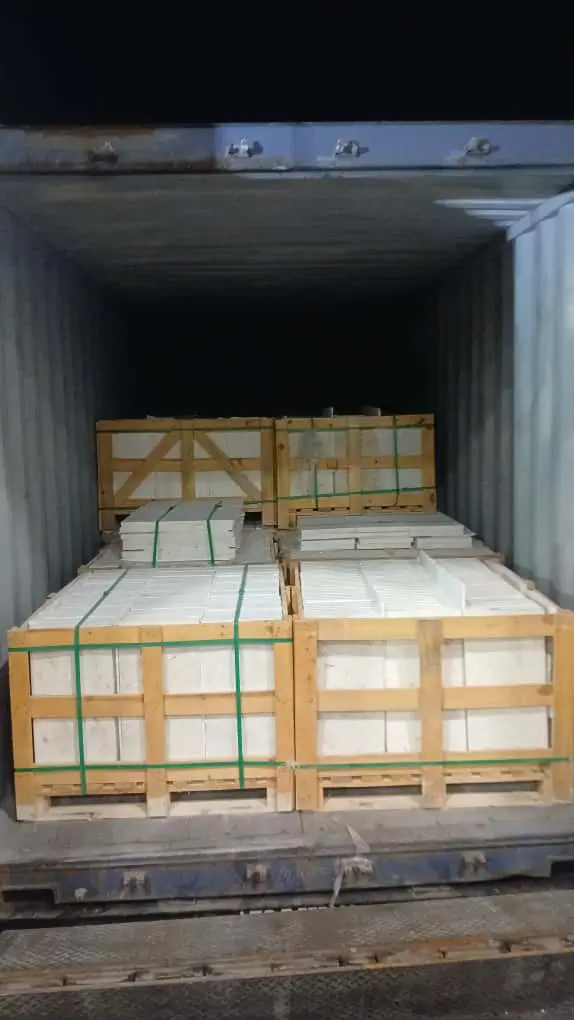
Citadel Stone maintains warehouse-level stock continuity on core limestone grades, which means lead times for most orders run 3 to 7 business days rather than the 3 to 5 week import cycle that affects some specialty stone products. That matters when your contractor has a weather window and needs material staged before a rain system moves through. Truck delivery coordination should confirm gate width, weight limits on any private road or bridge en route, and overhead clearance — full tandem-axle delivery trucks are 13 to 14 feet tall loaded, and low-hanging tree branches over residential entries are a genuine constraint that causes costly reschedules.
- Standard tandem-axle delivery: 18–22 tons per load, most efficient for large projects
- Single-axle or smaller truck: 8–12 tons per load, needed for tight access — typically adds $50–$150 per load premium
- Will-call (pick-up) option: available through some suppliers, saves freight cost on smaller quantities if you have a trailer
- Staged delivery: schedule multiple smaller loads over project phases rather than one bulk drop if site staging is limited
- Verify quarry ticket against invoice: tonnage should match within 2–3 percent tolerance
Planning Your Crushed Limestone Driveway Cost Accurately
Crushed limestone driveway cost is a function of at least six interacting variables — material grade, base depth, drainage design, haul distance, site access, and long-term maintenance requirements. No single per-square-foot number captures all of them, which is why budget estimates from general home improvement resources so often miss the mark by 30 to 50 percent on real projects. Specification work starts with soil assessment and drainage geometry, then works outward to material grade and surface finish. That sequence keeps your cost model grounded in the actual conditions of your site rather than in generic averages that may not apply. For a thorough look at performance trade-offs before you finalize your decision, the full pros and cons breakdown covers both the strengths and limitations worth understanding before installation day. Delivery distance and base depth are two variables that move crushed limestone driveway costs significantly — Citadel Stone provides material specs to help buyers plan accurately.