

The debate over cobblestone pavers vs natural stone often gets framed as an aesthetic choice, but the real specification decision lives in structural and thermal performance data that most project planners never see. Granite setts rated at 19,000+ PSI compressive strength behave fundamentally differently from large-format limestone slabs under repeated freeze-thaw cycling — and the difference compounds over decades in ways that joint count, base depth, and drainage geometry all influence. Understanding those distinctions before you commit to a material is the work that separates installations lasting 30 years from those needing remediation in 12.
Defining the Materials: What Each Term Actually Means
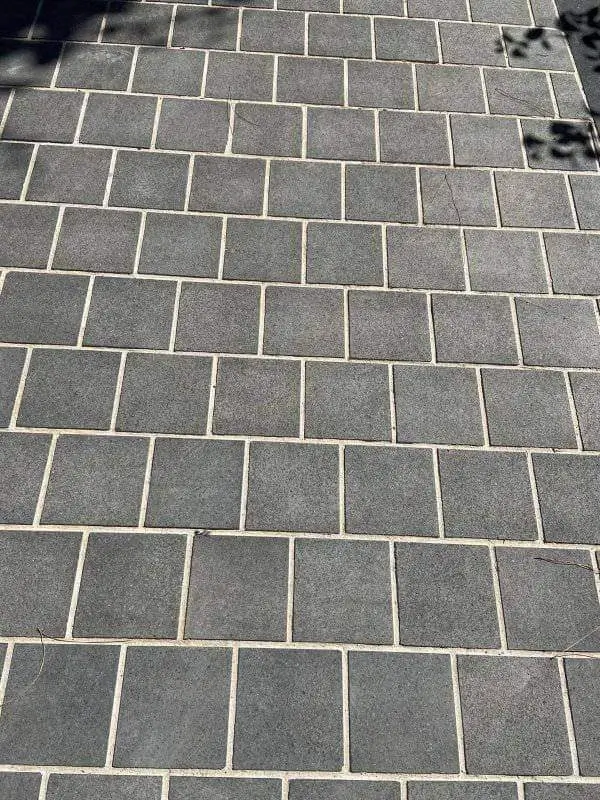
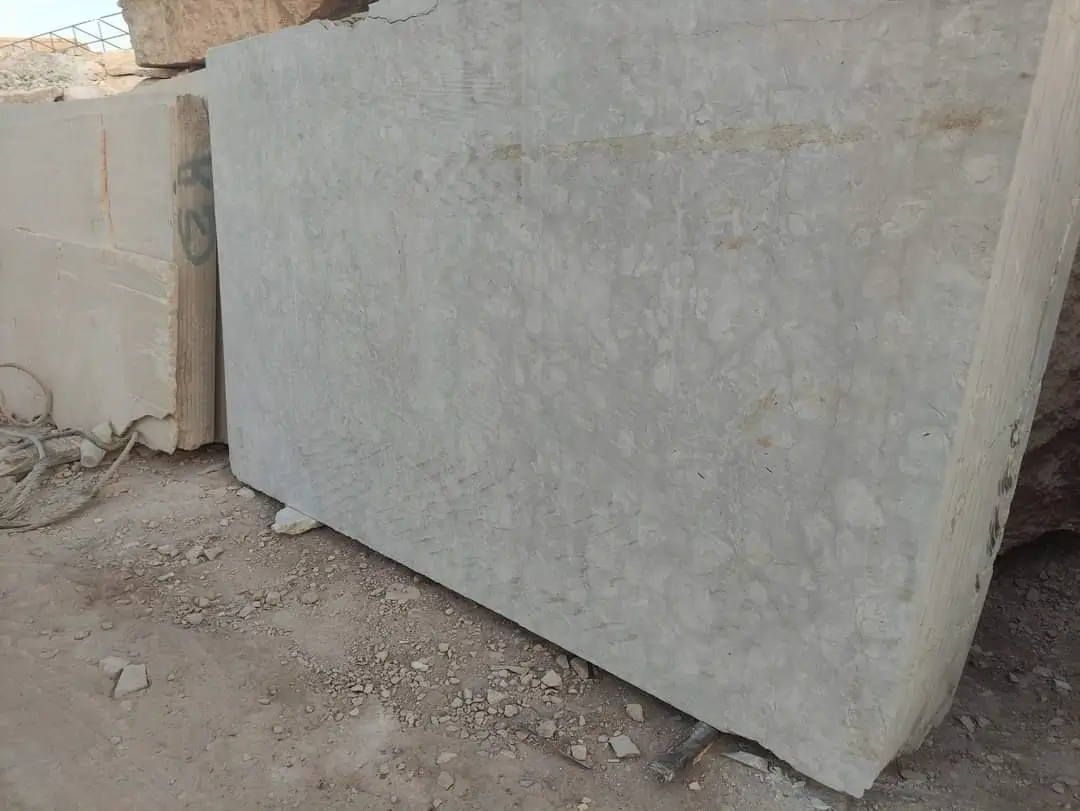
The terminology around pavers cobblestone and broader natural stone categories gets muddled in spec sheets and supplier catalogs, so clarity here matters. Cobblestone pavers — traditionally granite setts — are small-format units typically ranging from 3×3 inches to 5×7 inches in plan dimension, with depths from 2.5 to 4 inches. Natural stone as a broader category includes everything from large-format limestone slabs and travertine tiles to flagstone cuts and basalt pavers, spanning a far wider range of dimensions, porosities, and compressive strengths.
The term “cobblestone” historically described rounded river stones, but modern cobble setts paving uses quarry-cut units with consistent geometry — what you’ll see referenced as setts or paving setts in technical specifications. These cut setts bear little resemblance to the irregular, rounded cobbles of 18th-century streets, and conflating the two creates real specification errors. Your project requires you to decide which format — small-unit setts or large-format stone — fits the structural and aesthetic brief, and that decision flows from a clear understanding of each material’s performance envelope.
Compressive Strength and Load Capacity: Where the Numbers Diverge
Granite setts — the dominant material in cobble setts paving — typically test between 15,000 and 25,000 PSI in compressive strength, placing them at the top of the natural stone performance spectrum. Limestone large-format pavers generally range from 3,500 to 12,000 PSI depending on density and quarry source, while travertine typically falls between 4,000 and 8,000 PSI. These aren’t abstract numbers — they translate directly into load-bearing capacity and abrasion resistance under repeated traffic cycles.
- Granite setts handle vehicular loads above 10 tonnes per axle without surface distress when properly bedded on compacted aggregate
- Limestone large-format slabs in the 3,500–6,000 PSI range are better suited to pedestrian and light-traffic applications
- Travertine’s open-pore structure introduces flexural vulnerability under point loads that granite’s crystalline matrix resists
- Basalt pavers occupy a middle ground at 14,000–18,000 PSI, offering high strength with a finer grain profile than granite
- Sandstone flagstone typically falls below 6,000 PSI and is not appropriate for driveways or high-traffic zones
According to NSI granite performance specifications, the crystalline interlocking structure of granite gives it superior resistance to both compression and abrasion — which explains why granite setts have been used on commercial streets in continuous service for well over a century without structural failure.
Freeze-Thaw Performance and Thermal Cycling: The Hidden Differentiator
Here’s what most specifications miss: it’s not cold temperatures that damage stone installations — it’s the cycling between temperature states that does the structural work. A surface that reaches 95°F at midday and drops to 38°F after sunset experiences a daily thermal swing of nearly 60°F, and that swing drives expansion and contraction in both the stone units and the jointing material at rates that compound over hundreds of cycles per year.
Granite’s thermal expansion coefficient runs approximately 4.4–8.0 × 10⁻⁶ per °F, meaning a 60°F daily swing across a 10-foot granite sett installation produces roughly 0.025–0.048 inches of linear movement. Limestone expands at 4.4–5.5 × 10⁻⁶ per °F — broadly similar — but its higher porosity means water ingress during wet periods followed by freeze expansion at 9% volumetric ice growth creates internal fracture forces that granite’s density resists far better. Installations in freeze-thaw regions — where temperatures cross the 32°F threshold repeatedly during shoulder seasons — should prioritize absorption values below 0.4% for any stone in regular contact with water.
- Granite setts: water absorption typically under 0.4%, making them highly freeze-thaw resistant
- Dense limestone: absorption 2–8% depending on quarry; lower-porosity selections critical for freeze-thaw exposure
- Travertine: natural voids create absorption challenges; unfilled travertine should be avoided in freeze-thaw regions
- Joint sand behavior during freeze-thaw cycling must be evaluated separately from stone performance — polymeric sand rated for thermal cycling is non-negotiable in temperature-variable climates
- Large-format slabs require expansion joints every 10–12 feet in installations subject to significant thermal swings; cobblestone sett installations manage thermal movement through the aggregate of joint widths across the field
The small-format geometry of cobblestone pavers vs natural stone large-format slabs creates a fundamental difference in thermal management: setts distribute movement across dozens of joints, while slabs concentrate stress at fewer, wider expansion points. That distribution is one reason granite sett pavements in environments with high thermal amplitude have outperformed large-format stone installations by measurable margins in long-term field data.
Drainage and Permeability: Why Joint Count Changes Everything
The joint-to-surface-area ratio in a standard cobblestone sett installation is dramatically higher than in large-format natural stone paving. A field of 4×6 inch granite setts on a standard running-bond pattern generates approximately 18–22 linear feet of joint per square foot of surface area. A field of 24×24 inch limestone slabs on the same footprint generates roughly 1–2 linear feet of joint per square foot. That difference in joint density creates a fundamentally different drainage geometry.
Browse our natural stone sett collection to see how joint profiles and unit dimensions translate to specific drainage ratings for both pedestrian and vehicular applications. The drainage advantage of sett paving is especially relevant where surface water management is a design constraint — parking areas, sloped driveways, and landscape zones with restricted subsurface drainage all benefit from the higher joint density that small-format cobblestone pavers provide.
Large-format natural stone slabs typically require more aggressive subsurface drainage engineering to compensate for their lower surface permeability. Specifying a minimum 4% cross-slope on large-format stone decks — or integrating channel drains at regular intervals — is standard practice. Sett installations tolerate lower cross-slopes — typically 1.5–2% — because inter-unit joints handle a meaningful share of surface water infiltration.
Installation Complexity and Base Requirements: What Your Crew Actually Faces
- Cobblestone sett installation requires a screeded bedding layer of 1–1.5 inches of coarse concrete sand over a compacted aggregate base — typically 6–10 inches depending on traffic load class
- Large-format stone slabs over 18 inches in any dimension require a mortared or semi-rigid bed to prevent rocking, bridging, and edge cracking — dry-lay installation is rarely appropriate above 12×12 inches
- Sett units tolerate minor base settlement differentially — individual units can be reset without disturbing the surrounding field, a significant maintenance advantage over large-format slabs where a single cracked unit requires cutting and matching
- Large-format limestone and travertine slabs require mechanical lifting equipment for units above 24×24 inches at standard thicknesses — factor truck access and lifting equipment into your site logistics before finalizing material selection
- Sett work is labor-intensive at the laying stage but offers lower lifetime maintenance cost in high-traffic applications
- Both formats require base geotextile fabric in clay-heavy soils to prevent sub-base migration over time
At Citadel Stone, we recommend that clients with limited truck access to the installation site evaluate sett formats early in the project — individual units weighing 4–8 pounds are manageable by hand, while large-format slabs at 24×24×2 inches can exceed 90 pounds per unit and require mechanical handling that may not be feasible in confined spaces.
Surface Finish and Slip Resistance: Matching Finish to Application
The finish choice on both cobblestone pavers and large-format natural stone affects slip resistance in ways that pavers vs natural stone comparisons often understate. Granite setts are typically flame-finished or bush-hammered, producing a textured surface with a dynamic coefficient of friction (DCOF) above 0.42 — meeting most commercial wet-surface requirements without additional treatment. Large-format limestone and travertine in honed or polished finishes regularly test below 0.42 DCOF when wet, creating slip hazards in pool surround, entry, and outdoor dining applications.
According to USGS dimension stone production and use data, granite remains the most widely specified natural stone for high-traffic exterior applications in North America — and that market preference aligns with its superior DCOF performance in textured finishes. Your finish specification should always include wet DCOF test data from the supplier, not just aesthetic descriptors. Tumbled finishes on limestone and travertine can bring DCOF values into acceptable ranges, but the mechanical texture also accelerates joint sand displacement under foot traffic, requiring more frequent joint maintenance.
Cost, Lead Time, and Project Planning Considerations
Material cost for granite setts typically runs $12–$28 per square foot supplied, depending on unit size and finish, while limestone large-format pavers range from $8–$35 per square foot depending on grade and thickness. The cost comparison shifts meaningfully when you factor installation labor: sett work runs 30–50% more in labor hours per square foot than large-format slab installation due to the individual unit count. Projects where labor cost is the binding constraint may find large-format stone more economical at the project level even when material costs are comparable.
Citadel Stone maintains warehouse stock of granite setts, limestone cobblestones, and large-format stone pavers nationally, which typically reduces your lead time to 1–2 weeks from order confirmation — significantly shorter than the 6–10 week import cycle that projects sourcing internationally typically face. Plan your truck delivery scheduling around site access windows: sett pallets typically weigh 2,200–2,800 lbs and require forklift offload or pallet jack access within 30 feet of the delivery point. Large-format slab crates can exceed 4,500 lbs and require flat, firm ground for safe offload.
- Request warehouse stock confirmation before finalizing project schedules — available inventory can shift significantly on granite sett sizes
- Order 8–12% overage on sett projects to allow for cutting waste at borders and pattern adjustments
- Large-format slabs require 5–7% overage — lower waste factor due to full-unit field coverage
- Matching material across shipments is critical for color consistency — confirm quarry batch numbers with your supplier at order time
Which Applications Favor Each Format: A Decision Framework
The cobblestone pavers vs natural stone large-format question resolves cleanly when you map application requirements to material strengths. Vehicular driveways, commercial forecourts, and high-traffic pedestrian zones favor granite setts for their compressive strength, freeze-thaw resistance, and differential settlement tolerance. Residential pool surrounds, covered patios, and interior-exterior transition areas favor large-format limestone, travertine, or basalt for their visual continuity, smoother surface profiles, and easier cleaning maintenance.
- Heavy vehicular driveways: granite setts or basalt cobbles — compressive strength and freeze-thaw performance are non-negotiable
- Garden pathways and decorative walkways: both formats work; setts add historical character while large-format limestone delivers a cleaner contemporary profile
- Pool surrounds: large-format travertine or limestone with textured finish — fewer joints means easier cleaning and a more consistent surface plane
- Commercial plazas and streetscapes: granite setts dominate due to long-term maintenance economics and structural performance
- Residential patios in freeze-thaw regions: dense limestone large-format with polymeric joint sand and proper drainage slope performs well; setts are equally valid and more forgiving of base movement
- Sloped driveways with drainage constraints: sett format strongly preferred for superior inter-unit permeability
The ASLA guidance on permeable paving materials confirms that small-format unit paving consistently outperforms large-format slab paving in surface drainage efficiency — a finding that aligns with field performance data across commercial and residential projects where stormwater management is a design requirement.
Professional Summary
The cobblestone pavers vs natural stone decision ultimately comes down to four variables: load class, thermal environment, drainage requirements, and maintenance tolerance. Granite setts win on compressive strength, freeze-thaw durability, and long-term maintenance economics in high-traffic and thermally demanding applications. Large-format natural stone wins on installation speed, surface continuity, and visual scale in residential and light-commercial settings where joint density isn’t a structural asset. Neither format is universally superior — both are defined by how well their performance characteristics match the specific demands of your project. As you finalize your specification, the edge details, coping treatments, and adjacent hardscape elements also deserve attention — for a different dimension of stone specification, exploring stone coping profiles and their applications provides useful context for how stone formats interact with adjacent built elements. When weighing joint count and surface wear, Citadel Stone’s cobblestone setts offer a naturally self-draining structure that large-format slabs cannot replicate.