

Limestone flooring pros and cons rarely break down the way most buyers expect — the material’s real strengths and weaknesses only emerge when you look at how it behaves under specific conditions rather than treating it as a single homogenous product. Density, finish, and formation type all shift the performance envelope dramatically. A 3 cm honed limestone specified correctly for a kitchen will outperform a polished 1.2 cm slab in a mudroom every time, and understanding that distinction is what separates installations that age beautifully from ones that require costly remediation within five years.
What Limestone Flooring Actually Is
Limestone is a sedimentary rock composed predominantly of calcite (calcium carbonate), sometimes including shells, coral, and other organic material compressed over millions of years. That origin matters practically — it means porosity, hardness, and visual character vary significantly between quarry sources. The NSI limestone specifications categorize limestone into five classification grades (A through D), with Grade A representing the tightest, most uniform material and Grade D accommodating stones with significant natural variations and repairs. Most interior flooring applications call for Grade A or B stone, but you’ll still find Grade C material sold into residential projects where buyers don’t know to ask the question.
Mohs hardness for limestone typically falls between 3 and 4, which places it softer than granite (6–7) but competitive with many ceramic tiles in terms of real-world scratch resistance when properly sealed. Absorption rates range from under 0.5% in dense Belgian Blue limestone to above 5% in more porous oolitic varieties. That spread directly governs your sealing schedule, your jointing compound choices, and whether the material is even appropriate for wet-area flooring without additional treatment protocols.
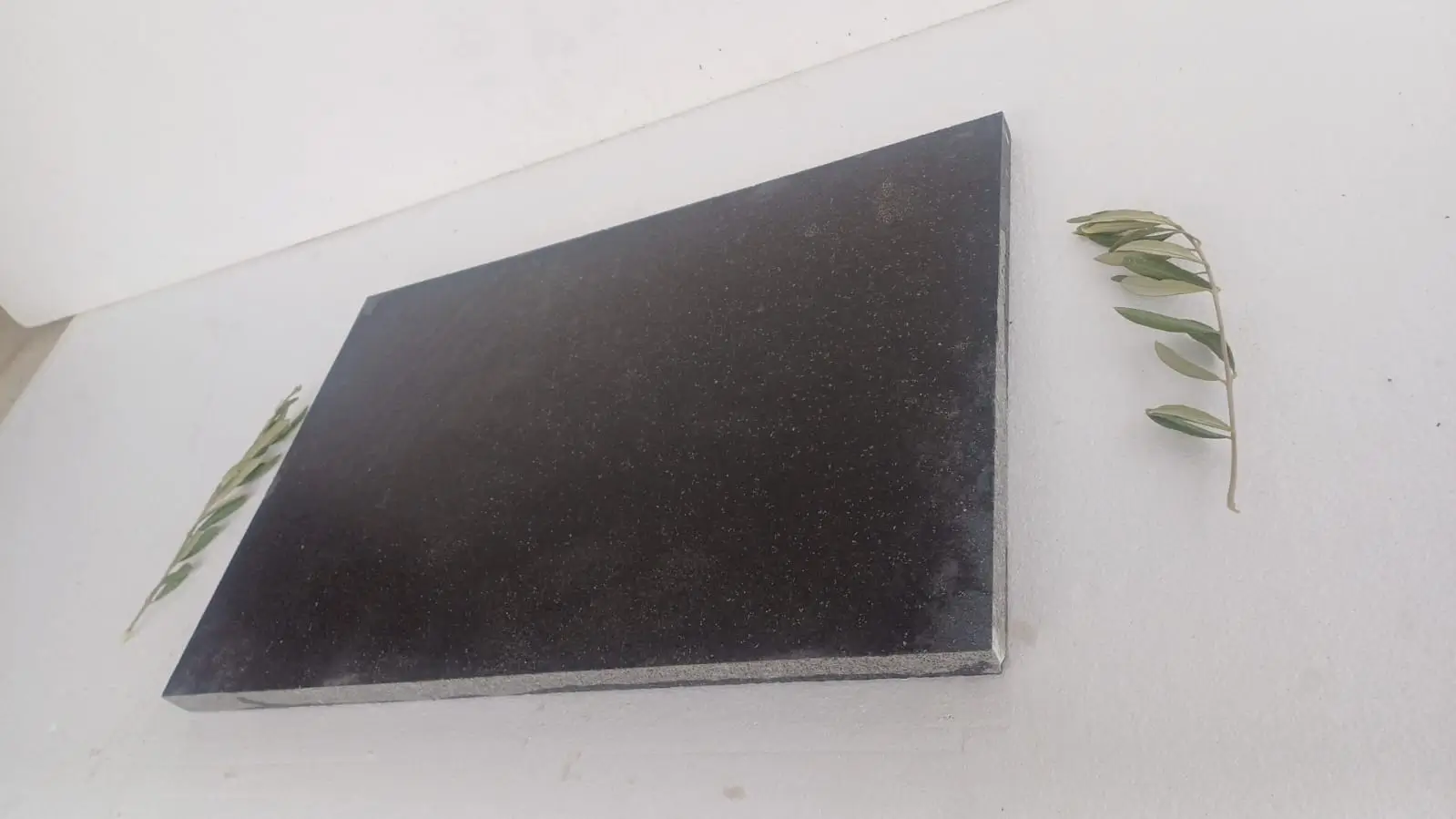
Limestone Flooring Pros: The Genuine Advantages
The case for limestone flooring builds on performance factors that synthetic alternatives consistently fail to replicate at the same scale and cost threshold. Understanding which advantages are material-intrinsic versus finish-dependent helps you specify confidently.
- Thermal mass: limestone absorbs and releases heat slowly, creating genuinely stable surface temperatures in rooms with radiant floor systems — a benefit that becomes measurable within the first heating season
- Longevity: dense limestone flooring rated to Grade A specification carries documented service lives exceeding 50 years with appropriate maintenance, making it cost-competitive with premium engineered alternatives when lifecycle cost is calculated
- Visual depth: the crystalline matrix in limestone produces light refraction effects that photograph flatly but reward in-person viewing — particularly relevant in entry halls and living rooms where material presence is part of the design intention
- Compatibility with underfloor heating: limestone’s low thermal resistance (typically 0.004–0.006 m²K/W at standard thicknesses) makes it one of the most efficient natural stone options for hydronic systems
- Acoustic dampening: the density and mass of 2 cm limestone tile reduces airborne sound transmission more effectively than floating LVT or laminate products at comparable installed thickness
- Natural variation: no two slabs are identical, which eliminates the repetitive pattern problem that affects large-format ceramic installations
Beyond aesthetics, polished limestone flooring brings an additional functional advantage in low-traffic formal spaces: the densified surface created during polishing measurably reduces open porosity, lowering absorption by 30–40% compared to an unpolished slab from the same quarry run. That’s not a cosmetic distinction — it directly affects your maintenance burden over time.
Limestone Flooring Cons: The Honest Trade-Offs
Every experienced specifier has a list of limestone installations they wish they’d steered a client away from — not because the material failed, but because the application was wrong for its properties. Here’s where limestone genuinely underperforms.
- Acid sensitivity: calcite reacts with acidic liquids (citrus juice, vinegar, wine, carbonated drinks) and produces etching — a chemical dulling that looks like a scratch but is actually surface dissolution. In high-traffic kitchens, this is not a hypothetical risk; it’s a certainty without diligent sealing and immediate cleanup protocols
- Scratch vulnerability in high-traffic zones: at Mohs 3–4, limestone will show micro-abrasion from grit tracked in on shoe soles faster than granite or porcelain alternatives. Entry halls, mudrooms, and commercial thresholds require either a harder stone or a deliberate acceptance of a patina that develops over time
- Weight loading: at 2–3 cm thicknesses, limestone flooring adds 12–18 kg/m² to a floor structure. This is rarely an issue in concrete slab construction but requires structural verification in timber-framed buildings before specification proceeds
- Sealing commitment: the limestone flooring maintenance cycle is not optional. Penetrating sealers applied annually or biennially are a functional requirement, not an upsell
- Colour and tone variation between batches: ordering from warehouse stock in two separate phases of a project risks visible tonal shifts between early and late deliveries — particularly problematic in large open-plan areas
- Frost sensitivity in outdoor-adjacent zones: while indoor limestone flooring doesn’t face freeze-thaw cycling directly, transitions to exterior thresholds, vestibules, or unheated garage entries require careful material selection — lower-absorption grades resist seasonal damage significantly better than high-porosity varieties
Room-by-Room Evaluation
The limestone flooring pros and cons calculation shifts meaningfully between rooms. Treating the material as universally appropriate — or universally problematic — misses how application context governs real-world performance.
Limestone Flooring in the Kitchen
Limestone flooring in kitchen applications is one of the most debated specifications in residential natural stone work, and the debate is legitimate. The combination of acid exposure, standing water at the sink and dishwasher, and high foot traffic creates a genuinely demanding environment for a calcite-based material. That said, many high-performing kitchen limestone installations exist — the difference is always in the detail. You need a honed or brushed finish (polished surfaces show acid etch marks immediately and dramatically), a penetrating sealer rated for food-contact areas reapplied every 12–18 months, and grout joints no wider than 3 mm filled with a cement-based grout that matches the stone’s absorption characteristics.
Tile thicknesses of 2 cm minimum are advisable in kitchen applications, particularly around island areas where point loads from heavy equipment concentrate stress. According to TCNA stone tile installation standards, large-format natural stone in kitchen environments requires back-butter coverage of no less than 95% on the tile underside — air pockets beneath a tile create stress concentrations that crack the slab under repeated thermal cycling from underfloor heating.
Living Rooms and Hallways
These are limestone’s strongest domestic applications. Lower acid exposure, controllable grit levels, and the visual prominence of the room justify both the material cost and the maintenance commitment. Polished limestone flooring performs well here — the formal sheen suits living room aesthetics, and the densified surface from polishing provides better stain resistance in an environment where spills are occasional rather than constant.
Bathrooms and Wet Areas
Wet area limestone flooring requires a non-negotiable specification decision: slip resistance. Polished limestone in a shower enclosure or bathroom floor creates an unacceptable hazard. The ANSI A326.3 is the current slip resistance test method, and it sets the ANSI A326.3 wet DCOF threshold (0.42) for level walking surfaces. Honed or brushed limestone carries more underfoot texture than polished limestone, which offers very little when wet. Specify brushed or tumbled finishes in wet zones — full stop.
Finish Selection and What It Changes
Finish is not just an aesthetic decision — it fundamentally alters the performance profile of the same stone from the same quarry batch. This is one of the most consistently underspecified variables in limestone flooring projects.
- Honed finish: produces a matte to satin surface with open pore structure — requires diligent sealing but hides minor acid etch marks better than polished; the practical choice for most domestic applications
- Polished finish: crystalline surface that reflects light and reduces surface porosity by 30–40% — ideal for formal spaces with controlled foot traffic and low acid exposure risk
- Brushed or antiqued finish: textured surface created by wire brushing that increases slip resistance significantly and creates a patina-forward aesthetic that ages more gracefully in high-traffic areas
- Tumbled finish: rounded edges and distressed surface that suits rustic and traditional interiors — higher absorption than honed due to micro-fracturing during the tumbling process, requiring heavier sealer application
- Sandblasted finish: aggressive texture for exterior threshold applications — rarely used for full interior floors due to cleaning difficulty but appropriate for transition zones
At Citadel Stone, we run finish verification checks against every batch that arrives at our warehouse because quarry finishing equipment tolerances drift over production runs. A brushed finish that came in at a consistent 0.7 mm profile depth in one shipment can vary to 1.1 mm in the next — a difference your eye may not catch immediately but your installer will notice in the grouting phase.
Durability Under Mechanical and Weather Stress
For limestone flooring specified at threshold zones, covered outdoor areas, or rooms adjacent to exterior doors, mechanical stress from wind-driven rain deserves specific attention. Water infiltrating poorly sealed grout joints under wind pressure migrates laterally beneath floor tiles, weakening adhesive bond. In regions with significant storm events, this failure mode appears within 3–5 years in installations where joint integrity wasn’t specified to the same standard as the tile itself.
The practical response is straightforward: exterior-adjacent limestone flooring applications require movement joints at perimeter walls and at any structural grid intersection, grout rated to Class CG2 (improved cementitious grout per EN 13888 standards), and a perimeter sealant bead maintained as a living element of the maintenance schedule rather than a one-time installation step. Edge restraint between interior and exterior zones also matters — the differential movement between a heated interior slab and an unheated threshold zone creates shear stress that unsupported tile edges cannot resist indefinitely.
Impact resistance is a secondary concern for interior limestone flooring but worth addressing honestly: a 2 cm slab dropped on tile (a cast-iron pan, for instance) will crack limestone that would have survived the same impact on a fully supported concrete substrate. Correct mortar bed preparation — full coverage, no voids — is the single most effective impact-resistance measure available to you during installation.
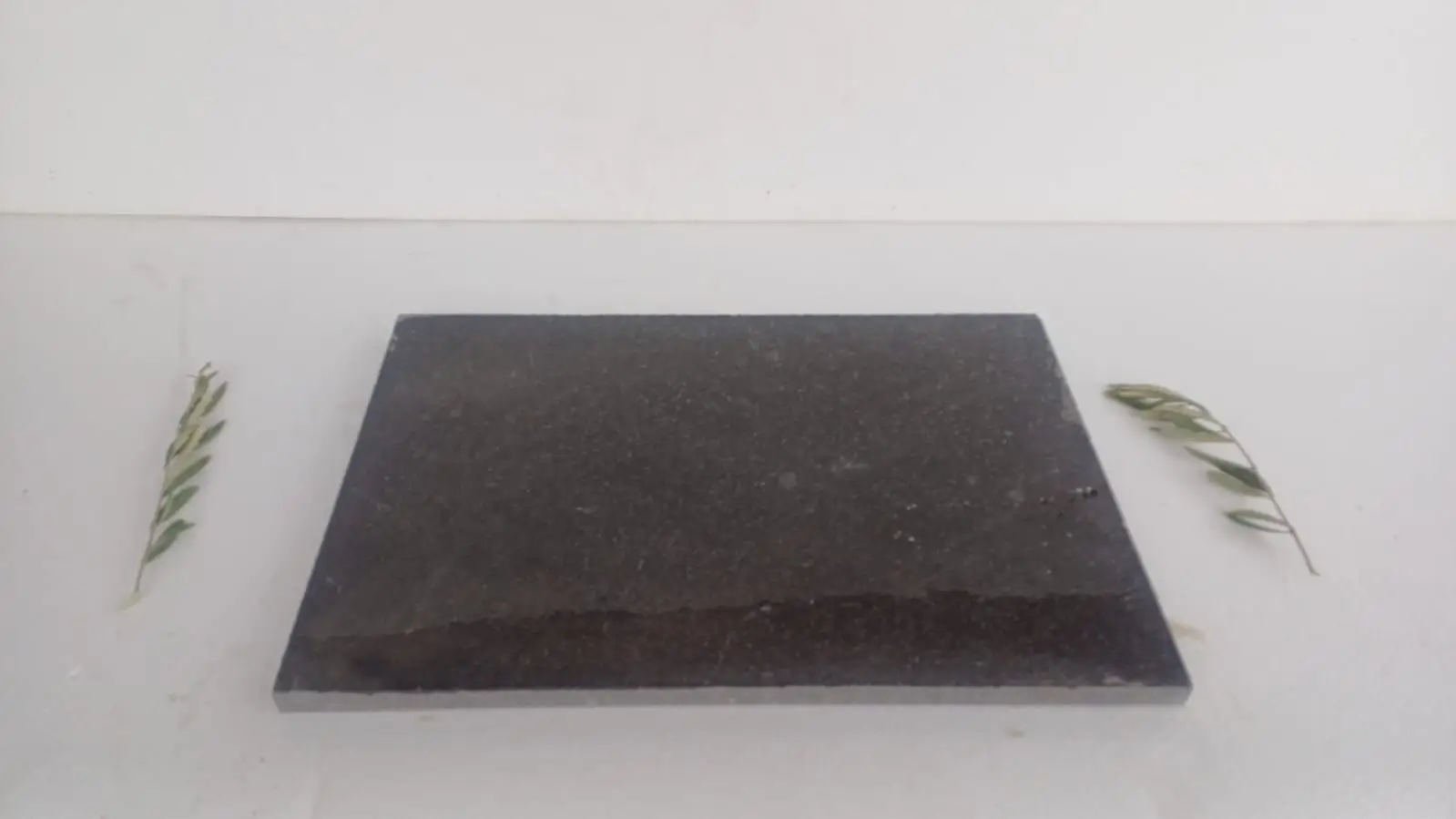
Limestone Flooring Maintenance: The Realistic Schedule
Limestone flooring maintenance is where the material’s reputation either holds or falls apart. The failures attributed to limestone as a product category are, in the vast majority of cases, maintenance failures. Here’s the honest framework.
- Initial sealing: apply a penetrating impregnating sealer within 24 hours of installation completion, before grouting in some systems — the stone must be clean and fully cured before sealer penetration is possible
- Sealing frequency: honed limestone in domestic settings requires resealing every 12–24 months; polished limestone every 24–36 months; tumbled or brushed finishes every 12 months due to higher absorption at the textured surface
- Daily maintenance: pH-neutral cleaner only — no vinegar, no citrus-based products, no bleach; these will etch calcite surfaces chemically regardless of sealing status because sealers protect against staining, not chemical attack
- Grit management: entry mats at all external doors are not optional in limestone flooring systems — abrasive grit from shoe soles causes micro-scratching that accumulates visibly within months in high-traffic corridors
- Grout maintenance: inspect grout annually for hairline cracks; repoint any cracked joint immediately to prevent moisture ingress beneath the tile
- Professional restoration: diamond polishing and resealing every 10–15 years restores a polished limestone floor to near-original condition — a significant advantage over synthetic alternatives that cannot be refinished
The limestone formation and characteristics documented geologically confirm that the calcite matrix is inherently reactive — this isn’t a manufacturing deficiency, it’s intrinsic chemistry. Your limestone flooring maintenance protocol works with that chemistry rather than against it.
Ordering, Quantities, and Project Planning
Quantity calculation for limestone flooring consistently trips up projects that don’t build in adequate waste allowance. For straightforward square or rectangular layouts, 10% overage is the minimum sensible buffer. For diagonal or herringbone patterns, you need 15–18% because cut waste at perimeter angles is unavoidable. For irregular room plans with multiple doorways, alcoves, or island cut-outs, 20% is the conservative professional standard.
Ordering all material from the same warehouse production batch is critical for limestone flooring — tone variation between quarry pulls is inherent to the material, and matching a partial re-order three months after initial installation is one of the most reliable ways to create a visible line across your floor. Citadel Stone warehouse inventory is batch-tracked, which means you can verify batch consistency before committing to a split delivery schedule. Confirm available stock before finalising project timelines — truck delivery lead times for full pallet orders typically run 5–10 business days depending on your location.
For projects where Citadel Stone limestone floors are being specified in darker colour ranges, pay particular attention to the lighting conditions in the space during selection — darker limestone absorbs more light and can read significantly heavier in rooms with limited natural light than it does on a warehouse sample board under full fluorescent exposure.
Parting Guidance
The limestone flooring pros and cons decision ultimately comes down to application match rather than material quality. Limestone is not a universally suitable floor material, and it is not an unreliable one — it is a highly context-dependent choice that rewards precise specification and penalises casual installation. Your best outcomes come from aligning finish selection, thickness, sealing schedule, and sub-floor preparation to the specific demands of each room rather than applying a single system across an entire project.
Beyond flooring, natural stone extends naturally into vertical applications across your project. As you complete your stone specification, outdoor wall cladding options in natural stone materials offer a complementary reference point for how Citadel Stone materials perform across different installation planes and exposure conditions.
Limestone flooring from Citadel Stone arrives from quarries across the Mediterranean and Middle East, calibrated for level laying.
Related reading: black limestone rock explained · outdoor patio tiles cost guide · pavers for patio.