

Why Surface Finish Defines Pool Area Performance
Limestone paving for pool areas succeeds or fails on finish selection more than any other single variable — and that’s a detail most material guides bury three pages deep. The surface texture you choose determines slip resistance, thermal comfort, drainage efficiency, and long-term maintenance load all at once. A honed slab that looks stunning in a showroom can become a liability the moment chlorinated splash water and bare feet enter the picture. Your specification decision here carries real consequences.
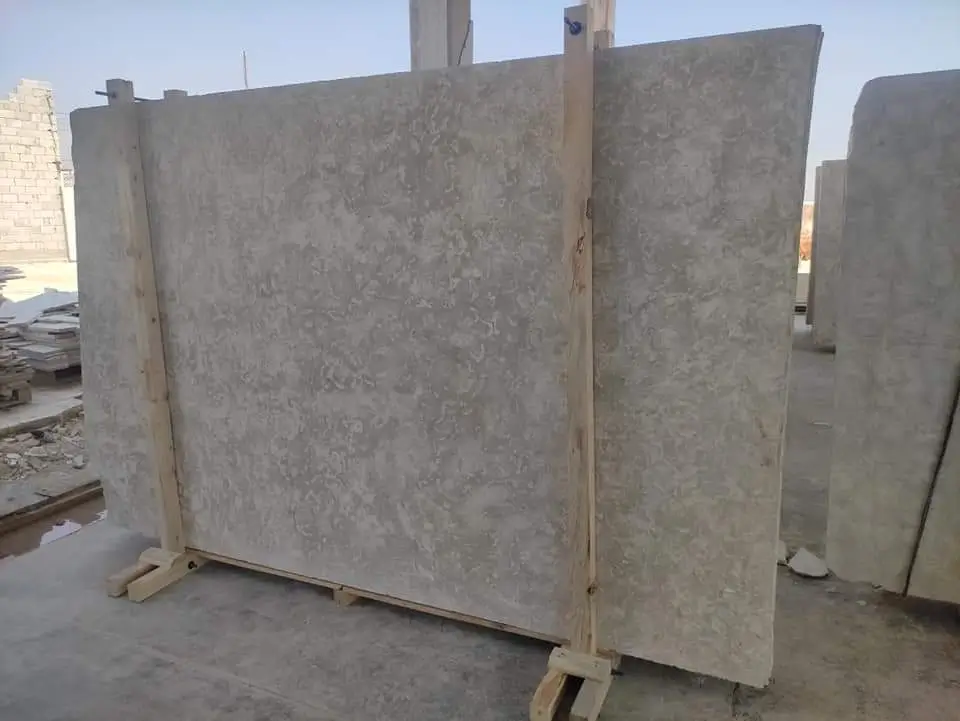
Finish Options That Actually Work Around Pools
The three finishes that consistently perform well in pool environments are flamed, tumbled, and brushed. Each handles the wet-surface challenge differently, and understanding how gives you a real edge when narrowing down your spec for limestone paving for pool areas.
- Flamed finish: a thermal treatment that opens and textures the surface, creating a naturally high coefficient of friction — creating the texture wet areas need; specify against 0.42, the ANSI A326.3 wet DCOF threshold
- Tumbled finish: rounded edges and a worn, matte surface that grips wet feet effectively while providing a softer aesthetic — particularly useful on smaller format pavers where edge profile matters for barefoot comfort
- Brushed finish: mechanically worked to create a linear texture that channels water away from the surface plane, reducing pooling between foot and stone
- Honed finish: smooth and visually refined, but genuinely problematic around pools — wet DCOF on dense honed limestone can drop below 0.30, which is a slip-and-fall risk you should not accept in a pool context
Under ANSI A326.3, a wet dynamic coefficient of friction at or above 0.42 is the benchmark for pedestrian areas — and flamed limestone consistently meets that mark. That data point should anchor your finish decision before anything else.
Egyptian Limestone Paving and Its Specific Pool-Deck Advantages
Egyptian limestone paving has earned a strong specification track record in pool environments for reasons that go beyond surface finish. The stone’s calcium carbonate density — typically in the 130–150 lb/ft³ range — gives it excellent dimensional stability without the heavy thermal mass that darker, denser igneous stones carry.
Surface temperature is a genuine performance variable here. Limestone’s reflectivity keeps surface readings measurably lower than concrete or dark granite alternatives during peak sun hours. Field measurements on pale Egyptian limestone paving in direct sun typically show surface temperatures running 20–30°F cooler than grey concrete under the same conditions. For barefoot use on a pool deck, that difference is the gap between comfortable and genuinely painful.
The natural porosity of Egyptian limestone — its interconnected pore structure — also assists drainage at the surface level. Water doesn’t sheet across the face the way it does on a polished or dense-filled slab. That drainage characteristic compounds the slip-resistance benefit of a flamed or tumbled finish rather than working against it.
Thickness and Format Selection for Pool Surrounds
Pool area limestone paving is typically specified at 1¼ inches (30mm) or thicker for pedestrian-only applications. Drop below that and you’re accepting more flex under foot traffic, which creates micro-movement at joints over time — and micro-movement is where efflorescence and joint degradation begin. For areas where wheeled equipment or service vehicles occasionally access the pool perimeter, step up to 2 inches (50mm) without hesitation.
- 600 x 400mm slabs: the most common format for residential pool surrounds — manageable for installation, visually proportionate to standard pool widths
- 900 x 600mm large-format slabs: excellent for contemporary pool designs with long, uninterrupted deck runs — fewer joints means less water intrusion risk, but requires a more precise base to avoid rocking
- 400 x 400mm squares: well-suited to curved pool edges where radius cuts are needed — smaller format reduces offcut waste significantly on non-rectangular pools
- Irregular flagstone: a viable choice where a natural aesthetic is priority — but requires careful joint management to prevent uneven surface planes that create trip hazards at pool edges
The Natural Stone Institute limestone technical specifications confirm that thickness selection should always account for the base preparation standard, not just the anticipated load — a principle that becomes doubly important in pool environments where subsurface moisture is constant.
Base Preparation and Subgrade Stability Under Pool Paving
Here’s what separates installations that hold for 25 years from ones that require remediation inside a decade: the subgrade. Pool surrounds present a compounding challenge because the excavation and backfill process during pool construction disturbs native soil uniformly around the shell perimeter. You’re rarely working with undisturbed ground — you’re working with previously excavated, compacted-in-lifts fill that behaves differently from the surrounding native soil.
Expansive clay subgrades are the most problematic condition you’ll encounter under pool paving. Clay soils can expand 3–5% in volume when saturated — a meaningful movement cycle that works against your base course and eventually translates into surface displacement and joint failure. The solution isn’t to fight the clay with heavier slabs; it’s to isolate your base from the clay’s movement through a properly designed aggregate transition layer.
- Minimum 150mm (6 inches) of well-graded compacted aggregate base — increase to 200mm on expansive clay or where fill depth exceeds 600mm
- Geotextile separation fabric between native subgrade and aggregate base — this prevents clay migration upward into the base layer over seasonal wet-dry cycles
- Compaction to 98% Proctor density in 100mm lifts — never compact in a single deep lift, particularly over disturbed pool excavation fill
- Sandy or rocky soils present fewer expansion risks but require attention to drainage — sandy subgrades can erode under sustained water exposure from pool splash and backwash
- Caliche layers in arid regions create a natural hardpan that can be advantageous — but fractures and voids in caliche must be addressed before base placement or you’ll get differential settlement
Your inspection of the subgrade after pool construction should be a deliberate hold point before any paving work begins. Probing for soft spots, checking compaction results, and verifying drainage grades at this stage costs time — but far less time than lifting and relaying a limestone pool surround that has settled unevenly.
Drainage Slope and Water Management
Pool paving that doesn’t drain isn’t just an aesthetic problem — it’s a structural one. Standing water at joints promotes efflorescence in limestone, accelerates any unsealed surface degradation, and creates the slip conditions you’ve already worked hard to spec against with your finish selection.
The minimum fall away from the pool edge is 1:100 (1cm drop per 1 metre of run). In practice, 1:80 gives you a visible positive drainage bias that handles heavy splash and rain runoff reliably. Don’t let a desire for a perfectly level aesthetic override this — a truly level pool deck is a puddle-forming pool deck. Your drainage channels or slot drains at the outer perimeter of the limestone paving area should be sized for the full deck surface area plus anticipated splash volume.
- Continuous slot drain at pool coping junction: prevents water from tracking back under the coping and into the pool shell gap
- Point drains at low spots: necessary on large deck areas where a single slope doesn’t eliminate all water collection zones
- Check drainage performance before final joint grouting: run a garden hose across the full surface and watch the flow pattern — fix grade issues at this point, not after grouting
Sealing Limestone Pool Paving: What Actually Protects the Stone
Limestone is a porous material. In a pool environment where chlorinated water, sunscreen residue, and organic debris are constant, sealing is not optional — it’s the maintenance protocol that determines whether your installation looks good at year 5 or year 15.
A penetrating impregnator sealer is the right choice over a surface-coating sealer. Surface coatings trap moisture beneath the slab when water enters through unsealed joints or edges, leading to spalling and delamination. A penetrating silicone or fluoropolymer impregnator allows the limestone rock to breathe while blocking liquid absorption at the surface plane. Apply it to clean, dry stone — surface moisture content above 3% will prevent proper penetration and waste your sealer.
- Initial seal: before grouting, seal the face of each slab to prevent grout haze bonding to the stone surface — this step saves significant cleanup time
- Post-installation seal: full deck application of penetrating impregnator after grouting is complete and cured — typically 28 days after setting
- Maintenance resealing: every 2–3 years in a pool environment, more frequently in high-UV regions where the sealer’s surface tension degrades faster under ultraviolet exposure
- Test the seal annually: a few drops of water on the surface should bead — if they absorb within 30 seconds, resealing is overdue
For a broader look at slab options that work across different pool configurations, our limestone pool paving slabs cover thickness, format, and finish combinations suited to a range of pool surround applications.
Integrating Pool Coping with Your Limestone Pool Paving
The coping-to-deck junction is where limestone pool paving most often fails in the field — not because of material quality, but because of differential movement handling. The pool shell expands and contracts independently of the surrounding subgrade and base course. If your coping is bonded directly to the shell AND bedded into the same mortar course as your deck slabs, you’ve created a rigid connection across a movement boundary. That joint will open.
Specify a compressible expansion joint — minimum 10mm — between the pool coping and the first field paver. Fill it with a polyurethane or polysulfide sealant rated for pool chemical exposure, not a rigid grout. This single detail prevents the most common crack pattern in limestone pool paving: the continuous fracture line running parallel to the pool edge, typically appearing within 2–3 years on installations that skipped the movement joint.
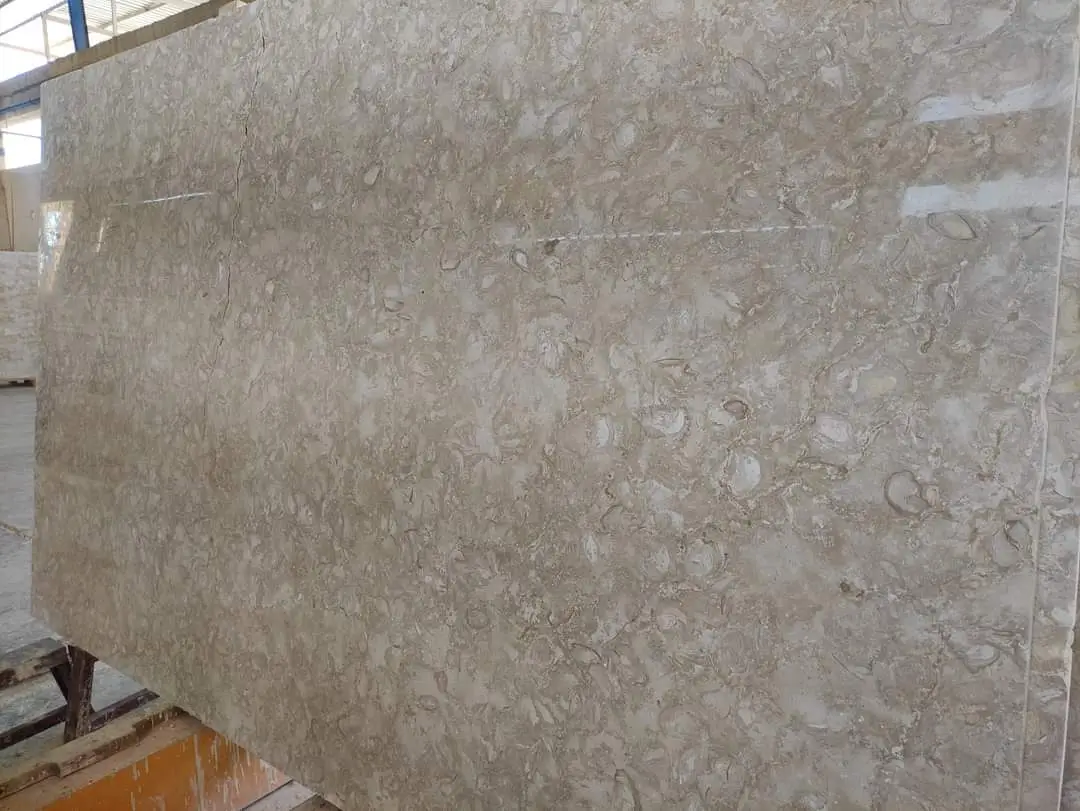
Ordering and Project Planning for Limestone Pool Paving
Quantity calculation for pool paving areas catches a lot of projects short because irregular pool shapes create more offcut waste than a simple rectangular calculation suggests. Add a minimum 10% waste factor for straight-edged rectangular pools; increase to 15% for freeform or kidney-shaped pools where radius cutting generates significant off-fall on each slab.
Citadel Stone holds warehouse stock of limestone pool paving in the most commonly specified sizes, which means your lead time from confirmed order to delivery is typically 1–2 weeks for stocked sizes — a meaningful advantage over special-order formats that run 8–12 weeks on import cycles. Confirm your slab size and finish selection early and check warehouse availability before you lock in your project timeline with your contractor.
- Order all material from a single batch — limestone is a natural material with colour variation between quarry runs, and mixing batches creates visible tonal inconsistency across your deck
- Inspect the delivery on arrival before the truck leaves — check for corner chips, surface scoring from transit, and colour consistency across the pallet
- Store slabs on edge on timber bearers if site storage is needed — flat-stacking limestone without adequate support leads to slab flex and edge chipping from point loading
Getting Limestone Pool Paving Specifications Right
Limestone paving for pool areas rewards precise specification decisions at every stage — finish selection, thickness, base preparation, drainage design, and sealing protocol all compound on each other. Get one variable wrong and the others can’t compensate. Your best installations come from treating pool paving as a system, not a series of independent material choices. According to PHTA pool deck stone and coping safety standards, the combination of surface coefficient of friction, drainage performance, and coping detailing should be evaluated together rather than as isolated specifications. The limestone rock itself is resilient and forgiving on a well-prepared base — the margin for error lies in the details around it, not in the material. For those comparing finish approaches before finalising a pool deck specification, comparing flamed and tumbled limestone finishes provides a practical breakdown of how each option performs in wet, high-traffic applications. Around pool decks in hot, sunny climates, Citadel Stone limestone paving is typically specified for its comfortable surface temperature and moisture-handling characteristics.
Related reading: limestone edging blocks · limestone pavers driveway · limestone paving outdoor.