

What Drives Hardscape Stone Cost
Hardscape stone cost breaks down differently than most buyers expect — and the sticker price per square foot is rarely the number that determines your actual project spend. The variables that shift total cost the most are material density, surface finish complexity, dimensional tolerances, and the logistics chain from quarry to your job site. Understanding these layers early prevents the budget surprises that derail projects mid-installation.
Stone type is the first major cost driver. Dense igneous stones like granite carry higher extraction and fabrication costs than sedimentary options. A honed granite paver at 1.25 inches thick will run 30–50% more per square foot than a comparably sized tumbled limestone simply because the tooling wear during cutting is higher. That cost gets passed down the supply chain to you.
Finish specification is the second factor most people underestimate. A brushed or tumbled finish on natural stone pavers adds processing steps that translate directly to price. Polished finishes cost more still — and for outdoor hardscape applications, you’re often paying a premium for a finish that requires more maintenance and offers lower slip resistance than a honed or flamed alternative.
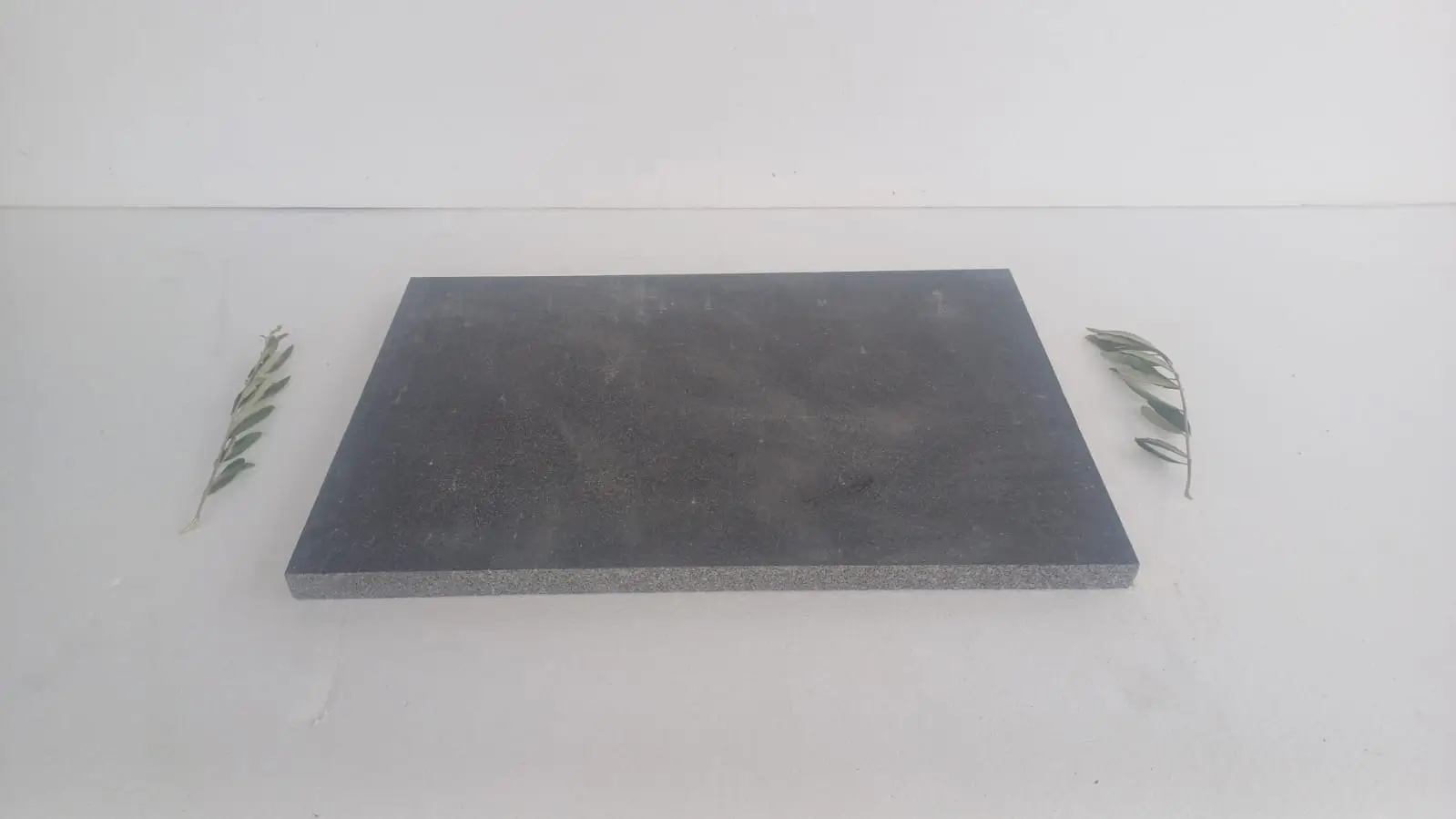
Stone Type and Cost Ranges
The hardscape stone cost spectrum runs from roughly $3 per square foot for basic tumbled limestone up to $25 or more for premium calibrated granite or rare quartzite. Here’s a working breakdown by material category that reflects real wholesale and retail pricing across the national market:
- Limestone pavers: $3–$9 per square foot depending on origin, finish, and thickness
- Travertine: $4–$12 per square foot, with filled-and-honed finishes at the higher end
- Bluestone: $5–$14 per square foot, natural cleft varieties typically less than thermal-finish options
- Granite pavers and setts: $6–$18 per square foot, with flamed or bush-hammered finishes at mid-range
- Flagstone (irregular): $2–$7 per square foot for material alone, but installation labor costs increase significantly
- Basalt pavers: $7–$16 per square foot, reflecting higher extraction complexity
These ranges reflect material cost only. Your total project cost adds base preparation, bedding material, jointing compound, edge restraints, and labor — which typically doubles or triples the material figure. When you’re working with landscaping stone and rocks for broader site applications, bulk pricing often applies at quantities above 500 square feet, and your per-unit cost drops accordingly.
Thickness and Its Effect on Pricing
Thickness is one of the most direct cost levers in any hardscape stone specification. The relationship isn’t linear — going from 1.25-inch to 2-inch nominal thickness doesn’t add 60% to material cost, but it does add 25–40% depending on stone type. The reason is quarry yield: thicker slabs require larger raw blocks with fewer cuts per block, reducing output volume and increasing per-piece cost.
For pedestrian-only applications like garden walkways and residential patios, 1.25-inch thickness is typically adequate when your base is properly engineered. For driveway applications or areas with vehicular access, 2-inch minimum is the professional standard. Specifying undersized thickness to save on material cost is one of the most common field mistakes — the savings evaporate quickly when freeze-thaw cycling or point loading causes early cracking.
According to Natural Stone Institute stone variety specifications, thickness recommendations for dimensional stone vary by application and stone type, with structural applications requiring specific minimum thicknesses to meet load requirements. Factor that guidance into your specification before finalizing quantities.
Format, Size, and Layout Pattern Costs
The format you choose — whether modular, random irregular, or large-format slabs — has a direct impact on both material cost and installation labor cost. Large-format pieces above 24 inches require more precise quarry cutting, which increases waste and raises per-square-foot cost. But they reduce the number of joints and can dramatically lower installation time for experienced crews.
Random irregular flagstone sits at the lower end of material cost but carries the highest labor cost. Fitting irregular pieces requires skilled cutters and far more time per square foot than laying a modular grid. When evaluating total hardscape stone cost, request a combined material-plus-labor estimate before assuming irregular flagstone is the budget option. Stone for landscaping projects that combine planted areas with paved surfaces benefits particularly from this combined-cost analysis, since irregular formats often border softscape zones where edge finishing adds further labor.
- Modular formats (e.g., 12×12, 16×16, 24×24): predictable cutting waste, faster installation
- Random irregular flagstone: lower material price, significantly higher labor cost
- Large-format slabs (24×48 and above): highest material cost, lowest joint count, specialized handling required
- Pattern cuts (running bond, herringbone, Versailles): moderate premium on material, increased cutting labor
Base Preparation and Hidden Project Costs
Your material selection doesn’t happen in isolation — the base system supporting your stone pavers is a cost line that surprises many project owners. A proper compacted aggregate base for a residential patio runs $2–$5 per square foot in materials alone, before accounting for excavation, grading, and geotextile fabric. In freeze-thaw regions, base depth requirements increase, and so does cost.
Edge restraint is another overlooked cost. For stone for landscaping applications where pavers meet turf or planting beds, properly anchored edge restraints are non-negotiable. Storm events and sustained wind-driven rain create hydrostatic pressure at paver edges and joints that slowly displaces unsecured material. Cheap plastic edging fails quickly under these conditions — specify steel or aluminum with 12-inch spike spacing at a minimum. The cost difference is $0.50–$1.50 per linear foot, and it’s one of the best investments in long-term joint integrity you can make.
Wind load and impact stress matter more than most hardscape specs acknowledge. Hail events can fracture softer stone surfaces, and the compressive shock of a large hailstone on a paver with an unsupported edge can propagate cracks across a 24-inch piece. Denser stone types — granite, basalt — resist this kind of impact damage better than softer sedimentary options. For projects in areas with frequent severe weather events, factor impact resistance into your material selection, not just aesthetics and cost.
Origin and Supply Chain Pricing Factors
Where stone originates significantly affects its landed cost. Domestically quarried materials carry no import duties and shorter freight distances, which typically holds pricing more stable. Imported stone — particularly travertine from Turkey, granite from Brazil or India, and basalt from China — offers competitive base pricing but is subject to shipping cost volatility, port delays, and currency fluctuations that can shift your material budget by 10–20% between quote and delivery.
Lead times differ substantially between domestic and imported material. Warehouse stock of imported stone can ship within days when inventory is available, but replenishment cycles from overseas quarries run 8–14 weeks. For time-sensitive projects, confirm warehouse availability before committing to an imported specification. At Citadel Stone, we source from our established selected quarries across multiple continents and maintain national warehouse inventory to reduce the gap between order and delivery — typically cutting lead times to 1–2 weeks for in-stock material versus the 6–10 week import cycle most project timelines can’t absorb.
For a full view of material options and pricing tiers, the Citadel Stone cost breakdown covers the range of available stone categories from budget through premium specification grades.
Durability and Long-Term Cost Value
Evaluating hardscape stone cost purely on upfront price ignores the total cost of ownership equation. A $5 per square foot limestone paver that requires resealing every two years and shows surface wear within a decade costs more over 20 years than a $10 granite paver that needs minimal maintenance and resists abrasion under heavy foot traffic.
Compressive strength and absorption rate are the two technical values that most directly predict long-term performance. According to USGS dimension stone production and use data, variation in stone quality even within the same quarry can affect performance significantly — which is why sourcing from suppliers with consistent quality control processes matters more than price alone. Absorption rates above 0.75% in stone pavers signal higher freeze-thaw vulnerability; rates below 0.40% indicate a denser, more durable material.
- High-durability options (granite, basalt, dense limestone): higher upfront cost, 25–40 year performance with minimal maintenance
- Mid-range options (standard travertine, sandstone flagstone): moderate upfront cost, 15–25 year performance with periodic resealing
- Budget options (soft limestone, irregular flagstone): lowest upfront cost, higher maintenance burden, 10–18 year realistic lifespan
Sealing, Maintenance, and Ongoing Cost
The maintenance schedule for your stone pavers is a real cost line that belongs in any honest project budget. Penetrating sealers for porous stone types cost $0.25–$0.75 per square foot per application and should be reapplied every 2–4 years depending on traffic and exposure. For a 500-square-foot patio, that’s $125–$375 per maintenance cycle — not a large number, but one that adds up over a 20-year project life.
Joint sand replenishment is the other recurring maintenance cost most project owners don’t budget for. Polymeric sand joints in hardscape stone installations can erode under wind-driven rain and high-pressure washing. Maintaining joint fill at 90–95% capacity prevents weed intrusion and, more importantly, prevents individual pavers from developing edge movement that leads to cracking. Budget for joint inspection and spot-fill every 3–5 years as a minimum.
Ordering, Logistics, and Quantity Planning
Calculating your order quantity accurately is one of the most practical ways to control hardscape stone cost. Order too little and you face a costly supplemental order — potentially from a different production batch with visible colour variation. Order too much and you’ve tied up budget in material that sits on site. The professional standard is to add 10% overage for standard modular formats and 15% for irregular or pattern-cut applications where cutting waste is higher.
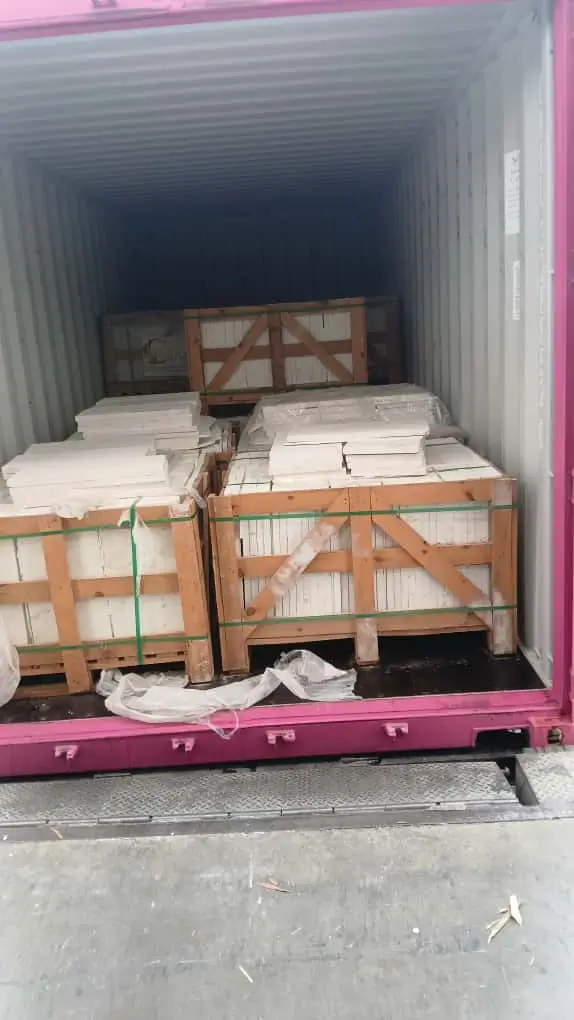
Truck delivery logistics affect your project timeline and site preparation requirements. Stone pallets typically run 2,000–3,000 lbs each, and a standard delivery truck carries 6–10 pallets. Your site access needs to accommodate a flatbed or boom truck, and unloading zones should be planned before delivery day — not after the truck arrives. Confirm site access dimensions with your supplier when placing the order, particularly for projects with narrow driveways or gated entries. Citadel Stone’s logistics team can advise on delivery configurations before your order ships.
Staging also affects overall project cost. For phased projects or large commercial installations, coordinating multiple truck deliveries in sequence — rather than a single large shipment — reduces on-site storage requirements and keeps materials from weathering unnecessarily before installation. According to ASTM dimension stone quality and testing standards, storage conditions between delivery and installation can affect surface quality, particularly for polished or honed finishes exposed to construction traffic and dust.
Final Recommendations
Getting your hardscape stone cost right comes down to evaluating the full specification — not just the price per square foot on a quote sheet. Choose your stone type based on the mechanical and performance demands of the application first, then match finish and format to your aesthetic goals. For installations with significant storm exposure or severe weather events, prioritise density and edge restraint integrity over surface finish premium — those decisions pay off across decades, not just seasons.
Build your budget using total installed cost: material, base preparation, edge restraints, jointing, delivery logistics, and a realistic maintenance reserve. The projects that stay on budget are the ones where every cost layer was identified before the first truck arrived. For broader context on how stone materials perform under real project conditions, common stone installation problems explores the specification gaps that cause the most preventable field failures — a useful companion resource when finalising your hardscape stone specification. Hardscape stone from Citadel Stone spans budget to premium tiers, sourced from our selected premium quarries across multiple continents to fit varied project scopes.
Related reading: natural stone building materials cost · stone building · Building a Stone House: Pros, Costs and Methods.