

What Pool Coping Actually Does Structurally
Pool coping takes more structural punishment than most specifiers anticipate — it bridges the gap between the pool shell and the surrounding deck, managing hydrostatic pressure from below while handling foot traffic, chemical exposure, and thermal cycling from above. Understanding what is pool coping in purely functional terms means recognizing it as the primary edge restraint system for your entire pool perimeter, not simply a decorative cap. Get the material selection and installation method wrong here, and you’re looking at deck separation, water infiltration into the bond beam, and accelerated shell deterioration — problems that compound quietly until they’re expensive.
The coping pool edge also performs a critical safety function: it defines the transition zone between wet and dry surfaces, which directly affects slip resistance standards and drainage geometry. Your coping profile — whether bullnose, cantilever, drop-face, or flat — determines how water sheets off the edge and how safely bathers can grip the pool perimeter. These aren’t aesthetic decisions, they’re engineering decisions with long-term consequences for coping around pool perimeters of every size and shape.
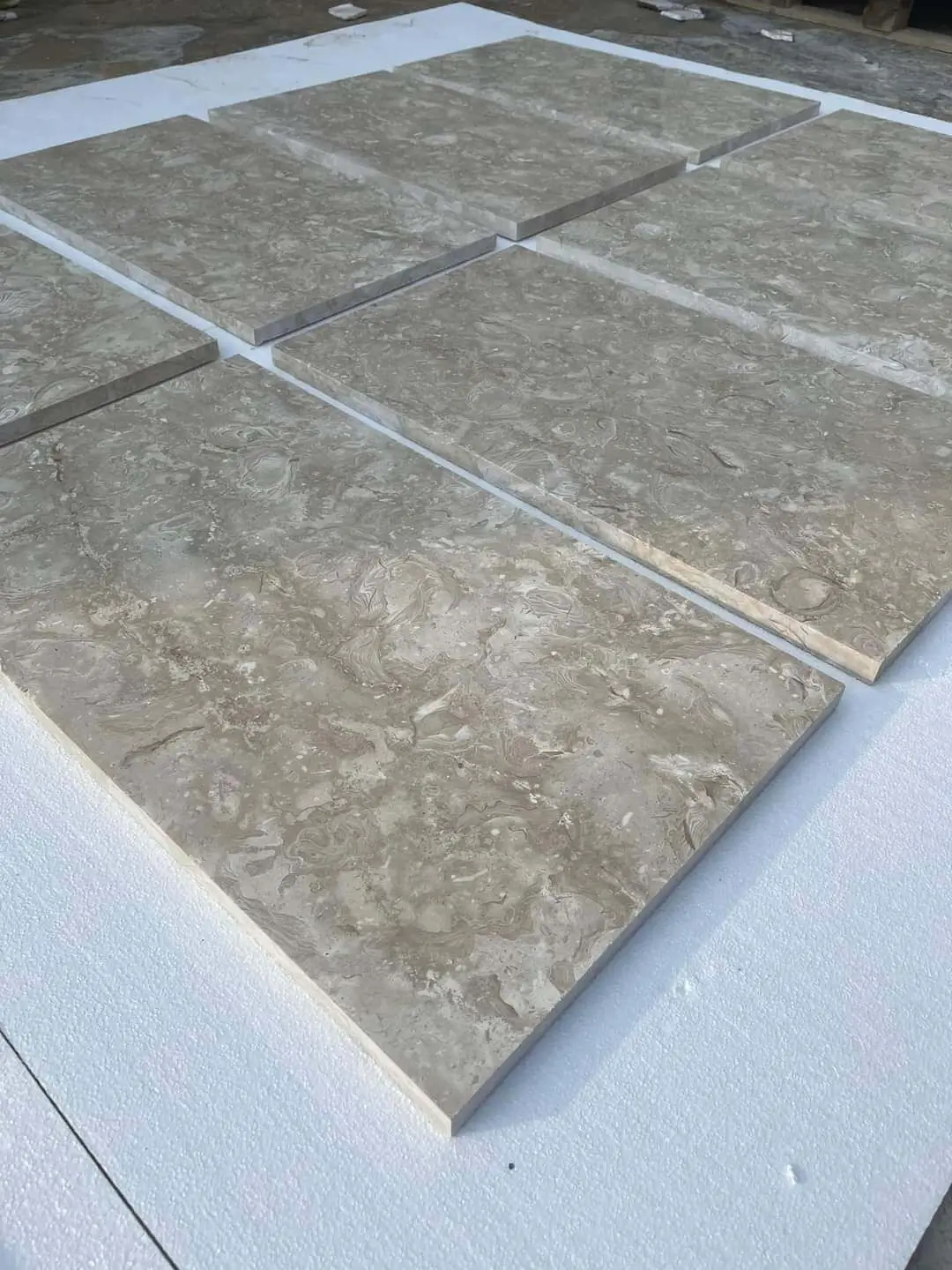
Coping Material Types: Performance Compared
Choosing the right pool coping material starts with understanding the performance envelope of each option — not just how it looks in a showroom, but how it behaves after years of chemical exposure, UV loading, and the mechanical stress that wet-dry cycling creates at the bond line. Natural stone consistently outperforms manufactured alternatives on longevity when properly specified, but the differences between stone types matter enormously.
- Travertine: High porosity (typically 3–6% absorption) requires sealing but delivers excellent barefoot comfort; surface temperatures remain significantly lower than dense igneous stones under direct sun exposure
- Limestone: Compressive strength in the 4,000–8,000 PSI range suits most residential and commercial pool applications; calcium carbonate composition means acid-based pool chemicals require careful pH management near unfilled joints
- Granite: Absorption below 0.4% makes it the most chemically resistant natural option; ideal for high-bather-load commercial pools where water quality fluctuates
- Bluestone: Dense sandstone structure with good flexural strength; performs reliably in freeze-thaw regions where thermal cycling creates stress at mortar bed interfaces
- Travertine coping pool edge — the open-pore structure that draws criticism for maintenance actually contributes to slip resistance on wet surfaces, making it a defensible safety choice when filled and sealed correctly
The Natural Stone Institute provides NSI technical data on limestone and travertine properties that specifiers should reference when evaluating absorption coefficients and surface finish options for pool environments. What often gets overlooked is that the finish — honed, tumbled, or brushed — affects slip resistance as much as the pool coping material itself does.
Pool Coping Profiles and Edge Geometry
Your profile choice is where aesthetics and engineering genuinely intersect, and getting it wrong costs money at both the installation phase and the maintenance phase. The four primary profiles each solve different problems:
- Bullnose (rounded edge): The most forgiving profile for bather safety — no sharp corners, easy to grip, water drains naturally away from the pool shell; suits most residential applications
- Cantilever: The deck overhangs the pool wall, eliminating the visible joint line; excellent waterproofing geometry but requires a properly formed bond beam and precise formwork during shell construction
- Drop-face (straight edge): The coping face drops vertically below deck level, creating a clean architectural line; popular in contemporary pool design but requires careful attention to mortar bed depth
- Flat (flush): Used primarily with infinity-edge or perimeter-overflow pools; demands the tightest tolerances of any profile because variation is immediately visible at the water line
Field performance data on coping around pool perimeters consistently shows that profile choice affects long-term joint integrity. Cantilever profiles, for instance, reduce water infiltration at the pool wall interface significantly compared to flat-set coping — a meaningful advantage in climates where freeze-thaw cycling creates hydraulic pressure in open joints. Your structural engineer should confirm bond beam dimensions before any profile decision is finalized.
Thickness, Base Prep, and Mortar Specification
The specification failure most installers encounter with pool coping stems not from the stone itself but from inadequate base preparation and undersized mortar beds. A minimum 1-inch mortar bed is required for residential coping, and for stones wider than 14 inches, a 1.5-inch bed provides the leveling tolerance that oversized pieces demand.
Thickness requirements for natural stone coping around pool perimeters follow load and overhang geometry. Standard recommendations call for:
- Minimum 1.25 inches for stones with up to 2-inch overhang past the bond beam
- Minimum 1.5 inches for stones with 2–4 inch overhang
- Minimum 2 inches for stones exceeding 4-inch overhang or in commercial high-traffic applications
- Thicker profiles (2.5–3 inches) for pool coping functioning as structural edge restraint on freeform pools with tight-radius curves
Mortar selection matters as much as thickness. A Type S mortar (minimum 1,800 PSI compressive strength) is the baseline for pool environments; in chemically aggressive water conditions or where pool water maintains low pH, a polymer-modified Type S provides significantly better bond retention. Never use standard Type N in a pool coping application — the lower compressive strength and higher absorption rate create a bond that degrades within three to five years of chlorinated water exposure. According to ASTM standards for dimension stone installation, mortar bed composition and cure conditions directly affect long-term adhesion at the stone-to-substrate interface.
Slip Resistance and Safety Standards for Coping
The coping pool edge is among the highest slip-risk surfaces in any outdoor environment — wet stone, bare feet, and the natural momentum of people exiting a pool create conditions where surface finish selection becomes a safety specification, not a design preference. The DCOF (Dynamic Coefficient of Friction) standard for wet horizontal surfaces in pool zones is 0.42 or higher per ANSI A326.3.
Surface finishes and the face each one leaves on natural stone:
- Tumbled finish: rounded edges and the most open, textured face of common finishes; the irregular micro-texture created by tumbling provides excellent wet grip
- Brushed or antiqued: 0.50–0.65 — reliable wet-surface performance; a good balance between slip resistance and cleanability
- Honed: 0.40–0.55 — acceptable for most pool coping applications but verify your specific stone against the 0.42 threshold before specifying
- Polished: 0.25–0.35 — categorically unsuitable for pool coping; polished surfaces in wet pool environments create liability exposure regardless of material quality
PHTA (Pool and Hot Tub Alliance) standards address pool deck and coping surface requirements directly. Review PHTA coping and pool deck safety standards to confirm current requirements for your project type. Your installer should test DCOF on the actual stone sample — not the manufacturer’s published data — because surface variation between lots can shift friction values measurably.
Storm, Wind, and Impact Performance of Pool Coping
Severe weather events apply mechanical loads to pool coping that standard residential specifications don’t adequately address. Wind-driven rain penetrates open mortar joints at pressures that can exceed 15 PSF in high-wind events, forcing water into the bond beam cavity and accelerating the freeze-thaw cycle at the stone-to-mortar interface. For pools in storm-prone regions, joint integrity under wind-driven rain is a design criterion, not an afterthought.
Hail impact is a less-discussed but real risk for exposed pool coping. Dense igneous stones — granite in particular — resist impact fracture significantly better than sedimentary options. Travertine and limestone, while excellent performers under normal pool conditions, carry higher fracture risk from hail strikes on larger format pieces, particularly where unsupported overhangs extend beyond 3 inches from the bond beam. The structural physics are straightforward: unsupported stone cantilever plus sharp impact load equals crack propagation from the underside up.
- Specify a minimum flexural strength of 600 PSI (ASTM C880) for pool coping in hail-risk climates — granite typically exceeds 1,200 PSI, limestone ranges 400–900 PSI depending on density
- Reduce joint spacing to 3/8 inch maximum in high-wind applications — wider joints allow more wind-driven water infiltration per event
- Use a polymer-modified sealant (rather than standard mortar grout) in expansion joints — it maintains flexibility under the thermal and mechanical cycling that storm events accelerate
- Edge restraint strength matters during high-wind events: ensure coping is fully bedded with no voids in the mortar contact area, which weakens resistance to uplift loads from sustained wind pressure against the pool shell
For projects in freeze-thaw regions, the post-storm phase is when damage actually accumulates — water infiltrates storm-softened joints, then freezes and expands by approximately 9% volumetrically, creating hydraulic fracture pressure at the bond line. Specifying coping around pool perimeters with absorption below 3% (granite, dense basalt) reduces this risk significantly versus higher-porosity options.
Sealing, Maintenance, and Long-Term Performance
A critical detail most specifiers miss with pool coping maintenance: the sealer application timing after installation is as important as the sealer product itself. Stone must be fully cured and dry — typically 28 days minimum after mortar set — before sealer application. Sealing over moisture-laden stone traps water vapor beneath the sealer film, creating the blistering and bond failure that installers often incorrectly attribute to the sealer product rather than the application timing.
For natural stone coping around pool perimeters, a penetrating impregnator sealer (silane-siloxane based) outperforms topical film sealers in pool environments because it doesn’t create a surface layer that pool chemicals, UV, and thermal cycling can degrade. Topical sealers look better initially but require annual reapplication and are prone to peeling at joints where micro-movement occurs. Penetrating sealers require reapplication every 2–4 years depending on stone porosity and traffic — travertine and limestone at the higher-porosity end of that range, granite and basalt at the lower end.
When planning material procurement for a pool coping project, verifying warehouse stock levels before committing to installation timelines prevents the delays that occur when stone arrives in multiple shipments with finish variation between lots. At Citadel Stone, we inspect stone at the warehouse before it ships to confirm consistent finish, thickness tolerance (±1/16 inch for coping), and color match within the specified range — details that matter when a coping run is 200 linear feet of continuous stone. Explore natural stone coping from Citadel Stone to review available profiles, materials, and finish options for your project specification.
Installation Sequencing and Common Field Errors
The sequencing of pool coping installation relative to the surrounding deck is where experienced installers separate themselves from general contractors who treat coping as an afterthought. Coping must be set and fully cured before the adjacent deck slab is poured — not after. Pouring deck concrete against uncured coping mortar creates bond line contamination and prevents proper expansion joint formation at the coping-to-deck interface.
Expansion joints at the coping-to-deck interface are mandatory, not optional. A continuous expansion joint — minimum 3/8 inch, filled with a backer rod and UV-stable urethane sealant — must run the full perimeter at the point where coping meets the deck surface. Skipping this joint because the contractor wants a cleaner look is the single most common cause of coping cracking and deck heave in the first five years after installation. Thermal expansion differentials between the stone coping and the concrete deck can reach 0.003 inches per linear foot per 50°F temperature swing — over a 50-foot pool perimeter, that’s 0.15 inches of cumulative movement with nowhere to go if the joint is omitted.
- Set coping before deck pour — always; never reverse this sequence
- Back-butter each piece individually in addition to the mortar bed — 95% mortar contact coverage is the target minimum
- Maintain a consistent 3/16-inch joint between coping pieces to allow thermal movement without stone-to-stone contact
- Check level and overhang consistency every three pieces — small errors accumulate quickly across a full perimeter run
- Allow mortar to cure minimum 72 hours before grouting joints — premature grouting causes joint cracking within the first season
- Confirm that what is pool coping in the project specifications matches the actual bond beam width — coping pieces wider than the bond beam require special detailing at the wall interface
Ordering, Logistics, and Project Planning
Project timelines for pool coping should account for material lead time, site delivery constraints, and the curing windows that govern installation sequencing. Natural stone coping shipped from domestic warehouse inventory typically arrives in 1–2 weeks; custom-cut pieces or specialty profiles from overseas quarries can extend to 6–8 weeks, which creates scheduling conflicts if you’re coordinating with pool shell completion dates.
Truck access to pool construction sites deserves early attention during project planning. Flatbed delivery of stone pallets requires a clear, load-bearing access route — pool construction sites with soft, freshly graded soil around the shell often can’t support a loaded stone delivery truck without ruts or site damage. Coordinating stone delivery timing with site conditions, or arranging for a smaller truck and multiple trips, prevents damage to both the stone and the site.
Calculate your linear footage requirement carefully, adding 10–12% overage for cut pieces, corner returns, and any waste from natural material variation. For freeform pools with tight curves, overage should be increased to 15% — curved cuts from natural stone produce significant waste per linear foot compared to straight-run cuts. Citadel Stone’s technical team can assist with quantity takeoffs when pool perimeter drawings are available, which helps avoid both shortfalls and excess material costs.
Getting Pool Coping Specifications Right
Pool coping is the specification decision at the pool perimeter that affects structural integrity, safety performance, and long-term maintenance costs simultaneously — which is why it warrants more technical attention than it typically receives during the design phase. Understanding what is pool coping at a functional level means evaluating material density, absorption rate, finish friction coefficient, mortar specification, profile geometry, and joint design as an integrated system rather than independent choices. Every variable interacts with the others, and the trade-offs only become apparent after years of real-world exposure to pool chemistry, weather loading, and thermal cycling.
As you finalize your project specification, material comparisons across stone types can sharpen your decision-making — how engineered and natural stone compare for pool applications is worth reviewing before you lock in your coping selection. Stone varieties available through Citadel Stone differ in porosity and surface texture, making material selection a key step before any coping is set.