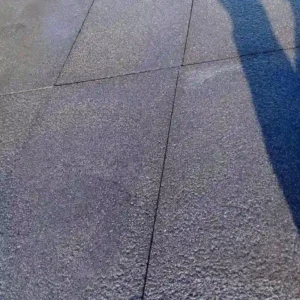
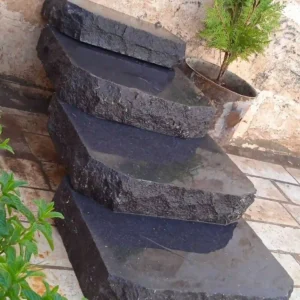
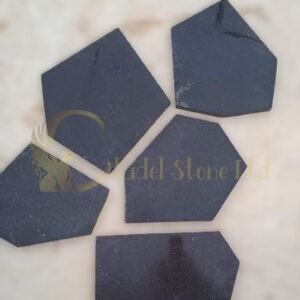
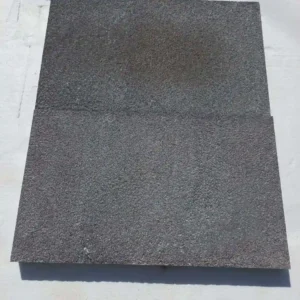
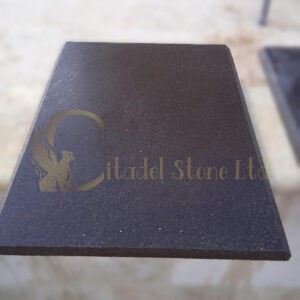
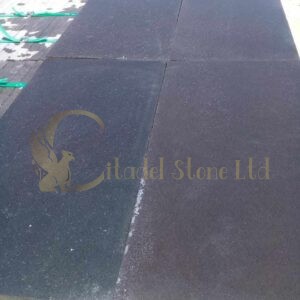

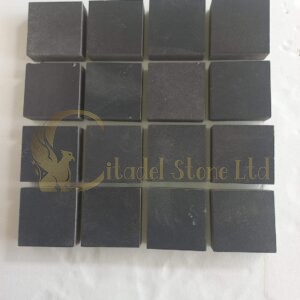
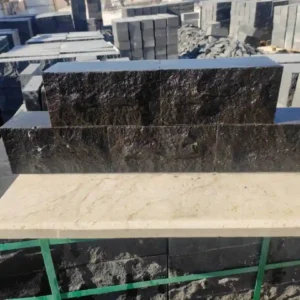
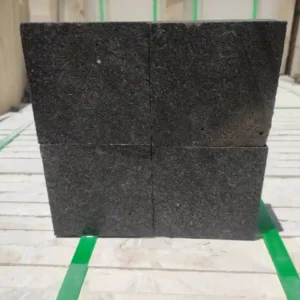
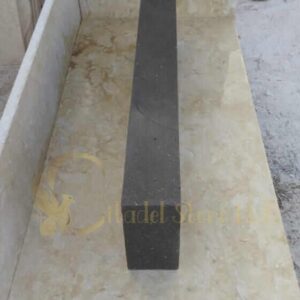
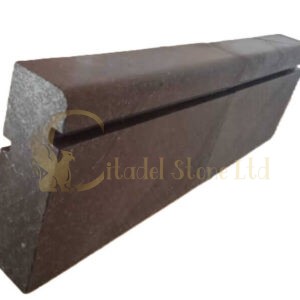
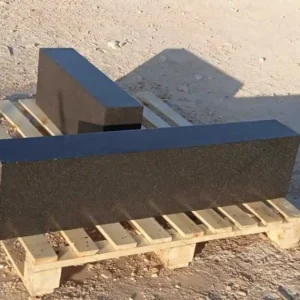
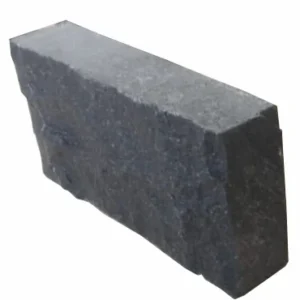
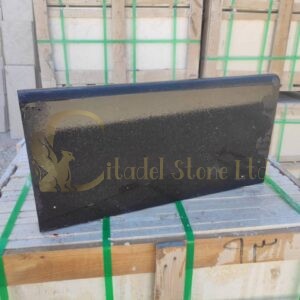
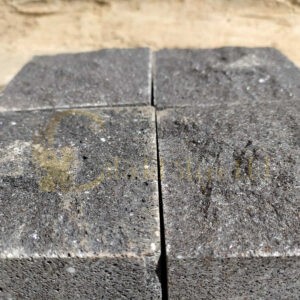
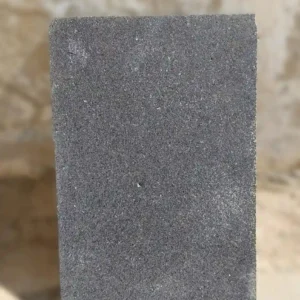
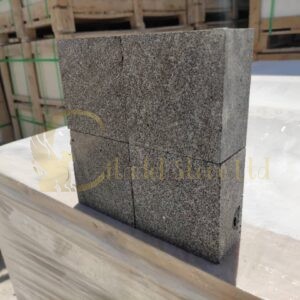
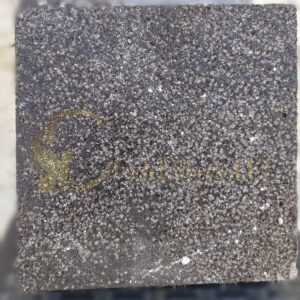

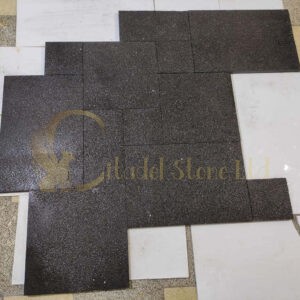
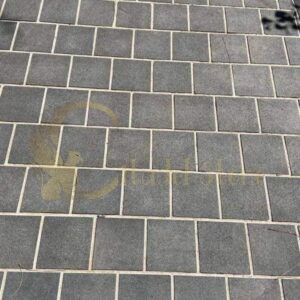

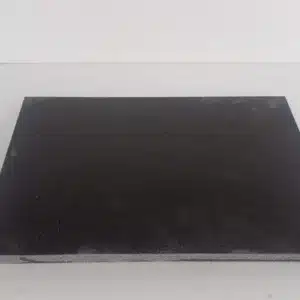
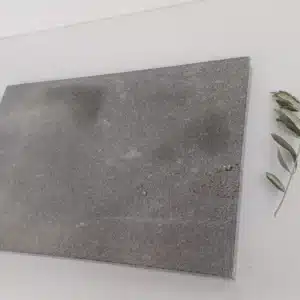
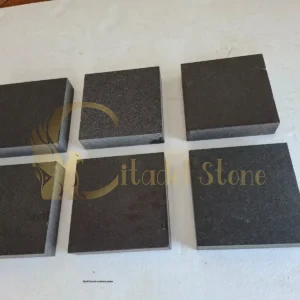



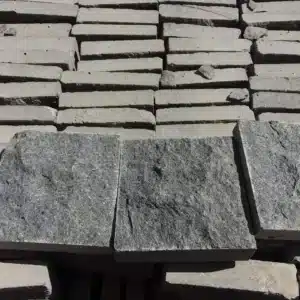
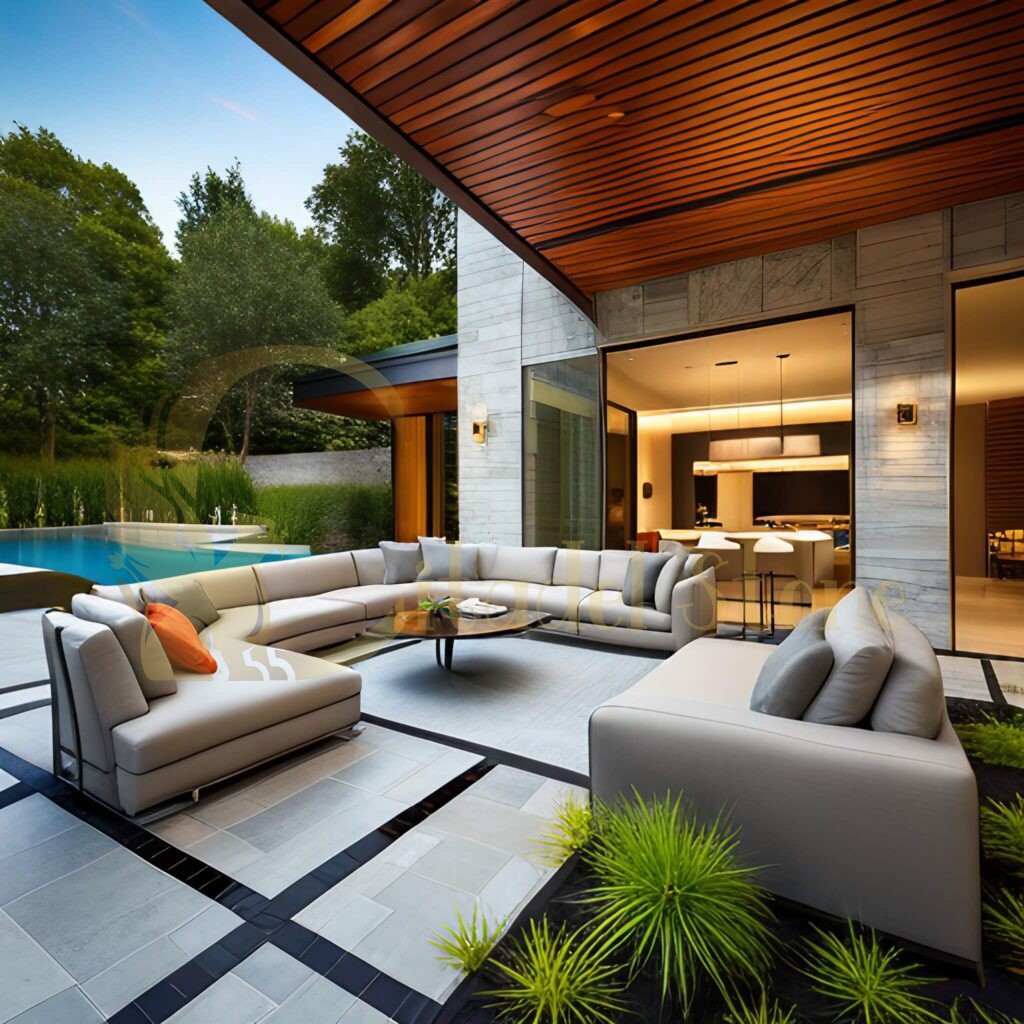
When you’re specifying black limestone flooring in Arizona, you’re working with one of the most thermally stable natural stones available for desert climates. Citadel Stone’s black limestone collections deliver exceptional performance in high-heat environments while maintaining the sophisticated aesthetics Arizona architects demand. The material’s low porosity and superior compressive strength make it ideal for both residential courtyards and commercial plaza applications where thermal cycling exceeds 80°F daily fluctuations.
You’ll find that black limestone flooring in Arizona outperforms lighter-colored alternatives in specific applications, particularly where thermal mass benefits matter. Citadel Stone materials provide proven durability in Phoenix-area installations where surface temperatures routinely exceed 160°F during summer months. The key is understanding how this dark stone actually manages heat transfer rather than simply absorbing it.
Thermal Characteristics and Desert Performance
Black limestone flooring in Arizona exhibits thermal behavior that most specifiers initially misunderstand. While the surface does reach higher temperatures than our blue limestone floor tiles, the material’s thermal diffusivity allows rapid heat dissipation once direct solar exposure ends. You’ll notice Citadel Stone black limestone cools 20-30% faster than concrete or darker pavers after sunset, making evening outdoor spaces more comfortable.
The absorption coefficient matters more than surface color alone. Citadel Stone’s black limestone typically demonstrates water absorption rates below 0.4%, which correlates directly with thermal performance. Lower porosity means less moisture retention and more predictable thermal cycling. You’re looking at material that won’t spall or surface-crack under the extreme diurnal temperature swings common across Arizona’s climate zones.
- Thermal conductivity ranges from 2.2 to 2.8 W/mK for Citadel Stone black limestone, providing efficient heat transfer away from surface layers
- Compressive strength exceeds 12,000 PSI in most Citadel black limestone selections, well above the 8,000 PSI threshold for commercial traffic
- Coefficient of thermal expansion averages 0.0000044 inches per inch per degree Fahrenheit, requiring joint spacing every 15-18 feet for slabs exceeding 24 inches
- Surface hardness measured at Mohs 3.5-4.0 delivers scratch resistance for high-traffic applications while remaining workable for field cuts
Don’t overlook the radiative cooling potential. Black limestone flooring in Arizona releases stored heat through infrared radiation more effectively than many lighter stones, which is why you’ll often specify it for spaces with overhead shade structures. The material performs best when direct solar gain is limited to 4-6 hours daily, allowing the stone’s natural thermal properties to moderate temperature extremes.
Substrate Preparation Requirements
Your substrate preparation determines whether Citadel Stone black limestone performs for decades or fails within three years. Arizona’s expansive clay soils and caliche layers create unique challenges that generic installation specs don’t address. You need a minimum 8-inch compacted aggregate base for pedestrian applications, increasing to 10-12 inches where vehicular loads apply.
The compaction sequence matters as much as total depth. Citadel Stone installations require three separate lifts of aggregate, each compacted to 95% Standard Proctor density before adding the next layer. You’ll want to verify compaction with a nuclear densometer rather than trusting visual inspection or plate tests. Most premature settling issues trace back to inadequate compaction in the lower two lifts where verification rarely occurs.
- Base aggregate should be crushed limestone or granite with angular particles ranging from 3/4-inch down to fines, providing mechanical interlock superior to rounded river gravel
- Intermediate leveling course requires 1-2 inches of coarse concrete sand or granite screenings, screeded to within 1/4-inch tolerance across 10-foot spans
- Setting bed thickness for mortar applications ranges from 1 to 1.5 inches, using modified thin-set rated for exterior environments and high-temperature exposure
- Drainage gradient minimum is 2% slope away from structures, increasing to 3-4% for areas without overhead protection where monsoon rains concentrate
Watch for caliche layers during excavation. This cemented calcium carbonate hardpan appears throughout Arizona at varying depths and creates impermeable barriers that trap water beneath your installation. You’ll need to break through caliche completely or install perforated drain lines at the base elevation to prevent hydrostatic pressure from lifting the entire floor assembly during heavy rains.
Joint Spacing and Expansion Considerations
Black limestone flooring in Arizona requires more generous joint spacing than installations in temperate climates. The thermal expansion coefficient, combined with 80-100°F diurnal temperature swings, means you’re managing significant dimensional changes daily. Citadel Stone recommends expansion joints every 15 feet minimum, increasing to 12-foot intervals for slabs exceeding 30 inches in any dimension.
Joint width specifications depend on slab size and exposure conditions. For 24-inch black limestone tiles from Citadel Stone, you’ll typically specify 3/8-inch joints filled with polymer-modified sanded grout rated for exterior use. Larger format slabs up to 36 inches require 1/2-inch joints, and anything approaching 48 inches needs 5/8 to 3/4-inch joints to accommodate thermal movement without edge spalling.
- Perimeter isolation joints around structures, planters, and fixed elements should be 3/4 to 1 inch wide, filled with compressible foam backer rod and topped with polyurethane or silicone sealant
- Control joints at 15-foot intervals must penetrate through the full thickness of the setting bed and extend into the upper portion of the base aggregate layer
- Movement joints should align with architectural features, transitions between materials, and changes in substrate conditions rather than falling randomly across the field
- Grout color selection affects perceived joint width, with contrasting grout emphasizing the grid pattern while matched colors minimize visual interruption
The reality is that inadequate joint spacing causes more black limestone failures in Arizona than any other single factor. You’ll see corner spalling, lippage at joints, and tenting of large-format slabs when expansion isn’t accommodated. Don’t make the common mistake of specifying residential interior joint spacing for exterior Arizona applications—the thermal stress is completely different.
Grout Selection for Heat Stability
Standard cement-based grouts fail prematurely in Arizona’s thermal environment. You need polymer-modified formulations with flexural strength exceeding 500 PSI and elongation capacity above 2%. Citadel Stone installations typically specify epoxy grout for commercial applications where joint integrity matters most, accepting the 40-50% cost premium for superior performance.
Grout color stability becomes critical with black limestone flooring in Arizona. UV exposure fades many grout pigments within 18-24 months, creating aesthetic issues even when structural integrity remains sound. You’ll want grout with titanium dioxide or carbon black pigments rather than organic dyes, and sealing the grout annually helps maintain color consistency.
Finish Options and Slip Resistance
Citadel Stone offers black limestone flooring in Arizona with multiple surface finishes, each delivering different slip resistance and aesthetic characteristics. The finish selection directly impacts safety, maintenance requirements, and long-term appearance. You’re balancing DCOF ratings against the visual sophistication clients expect from natural stone installations.
Honed finishes provide the most practical solution for most Arizona applications. Citadel’s honed black limestone achieves DCOF values between 0.50 and 0.60 when dry, meeting commercial walkway requirements while maintaining the refined appearance high-end projects demand. The finish conceals minor scratches and wear patterns better than polished surfaces, reducing apparent maintenance needs over time.
- Flamed finish delivers DCOF ratings above 0.65, making it suitable for pool decks, spa surrounds, and other wet applications where maximum traction is essential
- Brushed finish offers moderate slip resistance around 0.55-0.60 DCOF while preserving more of the stone’s natural color depth compared to aggressive flame texturing
- Polished black limestone drops to 0.35-0.40 DCOF, restricting its use to interior applications or covered exterior spaces where wet conditions won’t occur
- Natural cleft surface varies considerably in slip resistance depending on the specific stone’s cleaving characteristics, typically ranging from 0.50 to 0.70 DCOF
Don’t specify polished finishes for Arizona exterior floors unless you’re comfortable with the liability exposure. The material becomes genuinely hazardous when wet, and monsoon rains create slippery conditions that persist for 30-45 minutes after precipitation ends. You’ll find that honed or brushed finishes provide adequate sophistication for nearly all applications while maintaining reasonable safety standards.
Limestone Patio Tiles in Arizona Application Strategies
When you’re designing limestone patio tiles in Arizona for residential projects, format selection impacts both performance and installation costs. Citadel Stone’s modular tile formats ranging from 12×12 inches to 24×24 inches offer the most economical installed cost, with smaller formats providing better flexibility around curves, steps, and planting areas. Larger format slabs create fewer joints but require more precise substrate preparation and increase breakage risk during installation.
The thing is, limestone patio tiles in Arizona perform differently than similar installations in humid climates. The extreme dryness actually benefits the material by preventing efflorescence and biological growth that plague limestone in moisture-rich environments. You won’t see the mold, mildew, or algae staining common to coastal regions, though dust accumulation becomes the primary maintenance concern.
- Thickness selection for limestone patio tiles in Arizona should be 1.25 inches minimum for pedestrian applications, increasing to 2 inches for vehicular crossings or areas with heavy furniture loads
- Edge profiles on Citadel Stone tiles can be straight-cut for contemporary aesthetics or chiseled for rustic appearances, with straight edges providing tighter joint tolerances and more predictable installation
- Calibrated tiles with consistent thickness reduce lippage potential and allow thinner setting beds, while uncalibrated natural thickness tiles require more skill and material to achieve level surfaces
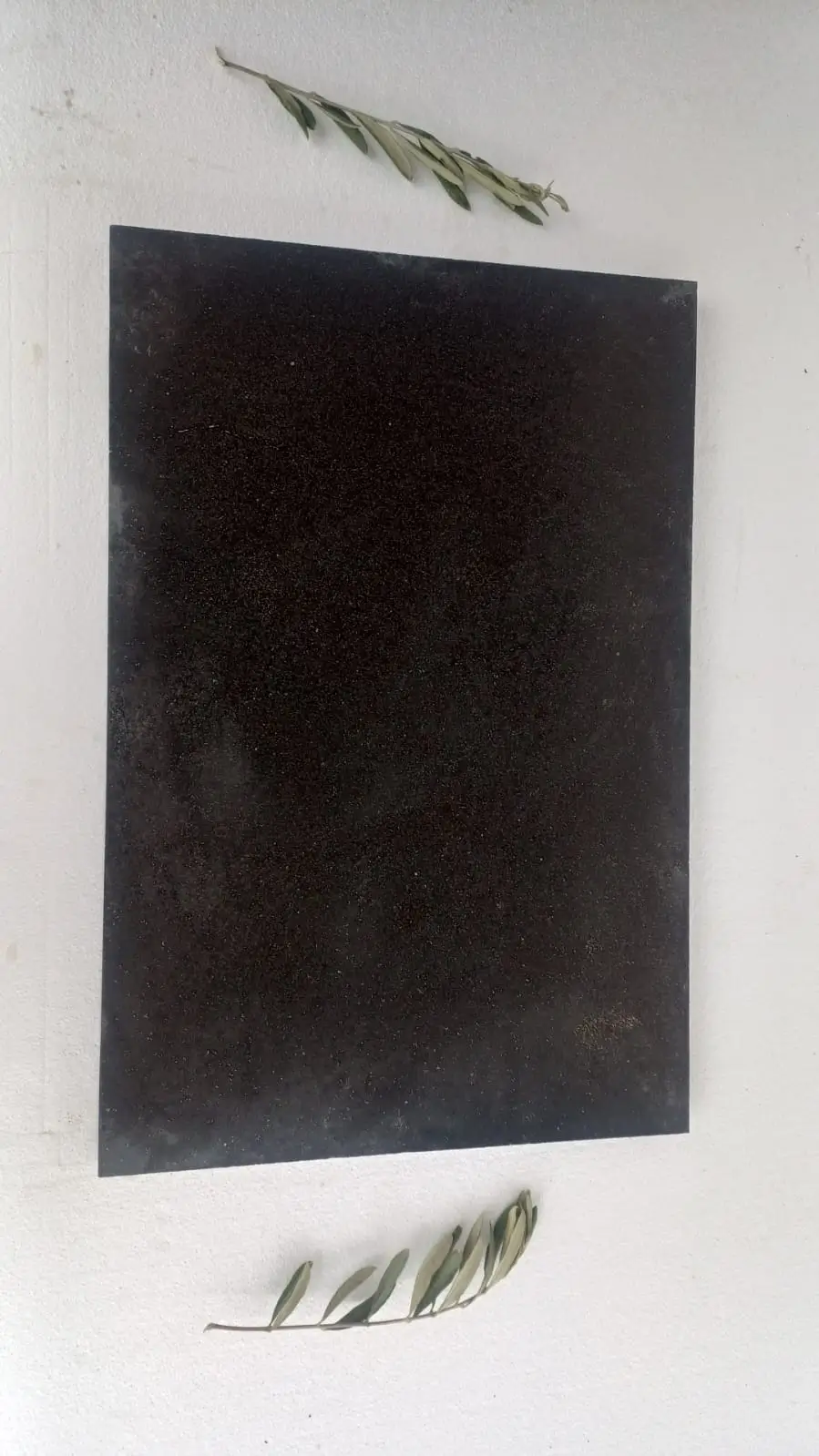
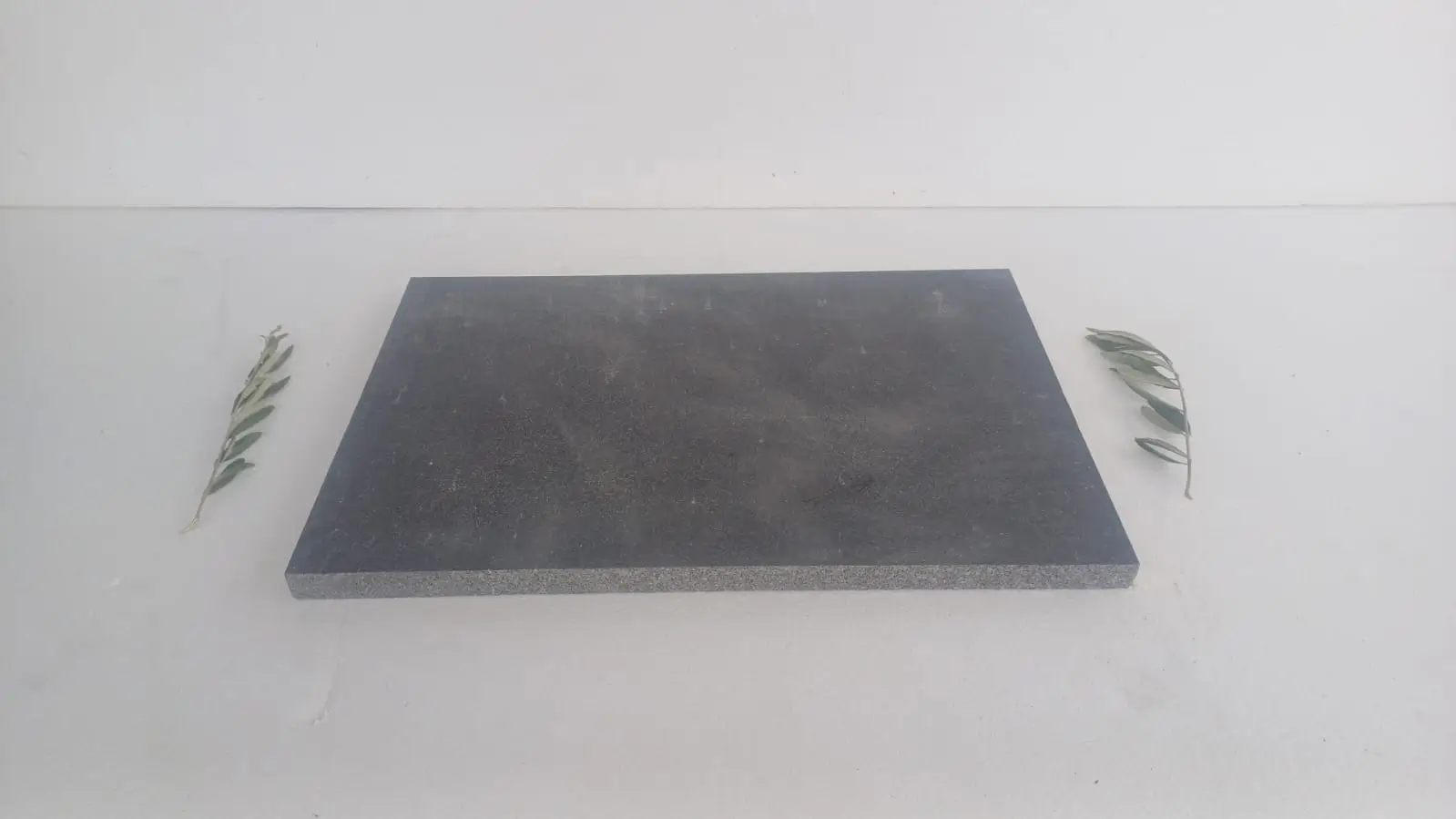
- Color variation within black limestone ranges from true charcoal to blue-black to warm brown-black, and you should review full-range samples before specifying to ensure client expectations align with natural variation
Pay particular attention to perimeter details where limestone patio tiles in Arizona meet landscape plantings. Irrigation overspray creates localized moisture conditions that can promote efflorescence at tile edges even in Arizona’s dry climate. You’ll want minimum 6-inch separation between sprinkler heads and stone edges, with positive drainage away from planted areas toward the patio surface rather than underneath it.
Modular Versus Large Format Considerations
The format decision affects installation labor costs more than material costs. Citadel Stone’s 12×24 inch and 16×16 inch formats install 30-40% faster than 24×24 inch slabs because they’re easier to handle, require less substrate perfection, and break less frequently during placement. Large format slabs approaching 36×36 inches need two-person installation teams and perfect substrate prep, increasing labor rates significantly.
You’ll find that grey limestone outdoor tiles in Arizona installations often mix multiple formats in modular patterns to create visual interest while maintaining installation efficiency. Citadel Stone can coordinate complementary sizes that work together on a planned grid, reducing field cuts and waste compared to single-format installations.
Blue Limestone Flooring in Arizona as Alternative Option
Blue limestone flooring in Arizona provides an important alternative when thermal absorption concerns override aesthetic preferences. The lighter coloration reflects 15-20% more solar radiation than black varieties, resulting in surface temperatures approximately 10-15°F cooler during peak afternoon hours. Citadel Stone’s blue limestone collections deliver comparable structural performance with different visual and thermal characteristics.
What you’re really weighing here is the aesthetic impact versus practical comfort considerations. Blue limestone creates brighter, more reflective outdoor spaces that feel less intimate but function better for barefoot traffic around pools and spas. The material works particularly well in contemporary desert modern designs where lighter palettes predominate and high contrast isn’t desired.
- Compressive strength of Citadel Stone blue limestone matches or exceeds black varieties, typically ranging from 10,000 to 14,000 PSI depending on specific material selection
- Water absorption rates remain similarly low, usually below 0.5%, providing equivalent freeze-thaw resistance for high-elevation Arizona locations like Flagstaff and Sedona
- Color consistency varies more noticeably in blue limestone compared to black, requiring careful batch coordination when material arrives from the Citadel Stone warehouse across multiple deliveries
- Sealing requirements differ slightly, with blue limestone often requiring more frequent resealing to prevent staining from organic debris that shows more prominently against the lighter background
The decision between blue limestone flooring in Arizona and black varieties often comes down to sun exposure duration. For spaces with morning sun only or substantial overhead shade, black limestone’s thermal characteristics matter less. Full-sun western exposures that receive 6-8 hours of direct radiation during summer months perform better with blue limestone’s lower heat absorption profile.
Limestone Outdoor Tiles in Arizona Maintenance Requirements
Limestone outdoor tiles in Arizona require distinctly different maintenance protocols than interior applications or installations in humid climates. The primary challenge isn’t moisture damage or biological growth—it’s dust infiltration, UV degradation of sealers, and thermal stress on joints. You should establish maintenance expectations with clients during design phases rather than after problems appear.
Annual sealing forms the foundation of limestone outdoor tiles in Arizona preservation. Citadel Stone recommends penetrating sealers with UV inhibitors reapplied every 12-18 months depending on sun exposure intensity. The sealer doesn’t prevent wear or scratching, but it does reduce dust absorption into the stone’s surface pores and helps maintain color consistency as the material ages.
- Regular sweeping or blowing removes abrasive dust before it gets ground into the stone surface by foot traffic, extending the appearance life significantly
- Pressure washing at 1200-1500 PSI annually removes accumulated grime without damaging the stone surface or eroding joint material when done correctly
- Joint inspection should occur every 18-24 months to identify cracked or eroded grout before water infiltration compromises the setting bed
- Stain removal from organic debris like leaves or bird droppings requires prompt attention, using pH-neutral cleaners rather than acidic solutions that etch limestone surfaces
Don’t recommend limestone outdoor tiles in Arizona near heavily used grills or fire features without setting client expectations about smoke staining. The material will discolor around fire and heavy smoke exposure, and these stains often prove permanent despite aggressive cleaning attempts. Position cooking areas on concrete or more stain-resistant materials unless the weathered patina appearance is acceptable.
Sealer Selection for Arizona Longevity
The sealer you specify determines how limestone outdoor tiles in Arizona age over 5-10 years. Film-forming topical sealers fail rapidly under UV exposure, requiring reapplication every 6-9 months and often peeling unsightly when they break down. Penetrating sealers with siloxane or silane chemistry last 2-3 times longer and don’t alter the stone’s surface texture or appearance as dramatically.
Citadel Stone installations benefit from sealers with molecular sizes appropriate to limestone’s specific pore structure. You want products designed for sedimentary stone rather than granite or marble formulations that may not penetrate effectively or provide optimal protection for this material class.
Limestone Tile Patio in Arizona Design Integration
A well-conceived limestone tile patio in Arizona becomes the organizing element for entire outdoor living spaces. The material’s neutral coloration works with desert contemporary, Spanish revival, and transitional architectural styles common throughout the state. Citadel Stone’s black and grey limestone selections provide the sophistication urban clients expect while delivering the durability Arizona’s climate demands.
Layout patterns significantly impact the perceived scale and formality of limestone tile patio installations. Running bond patterns with 12×24 inch tiles create directional emphasis that can make narrow spaces feel wider or long spaces feel shorter depending on orientation. Stacked bond with square formats reads more formal and contemporary, while modular patterns mixing multiple sizes feel more organic and less rigid.
- Border treatments using contrasting stone colors or different materials help define the patio edge and create visual separation from adjacent landscape areas
- Pattern transitions at doorways or major circulation paths provide natural wayfinding cues and can accommodate dimensional changes more gracefully than trying to maintain a single pattern across an entire complex floor
- Inset accent strips or medallions using different materials add customization without dramatically increasing costs when planned during initial installation rather than added later
- Integration with other hardscape materials like concrete, brick, or decomposed granite should occur at logical boundaries with proper isolation joints preventing differential movement damage
The reality is that limestone tile patio design in Arizona needs to account for shading strategies from the beginning. Overhead structures, mature trees, or building masses that shade portions of the floor create distinct microclimates affecting how you experience the space. Position darker black limestone in shaded zones and consider lighter grey limestone outdoor tiles in Arizona for full-sun exposures when creating large-scale projects.
Cost Considerations and Value Analysis
Black limestone flooring in Arizona typically costs $15-28 per square foot installed for standard residential applications using modular tile formats. Large-format slabs increase costs to $22-35 per square foot due to material premiums and higher installation labor requirements. Citadel Stone’s pricing reflects material quality and regional availability, with warehouse stock items providing better value than special-order selections requiring extended lead times.
Installation labor represents 40-50% of total project costs in Arizona markets, varying based on site access, substrate conditions, and pattern complexity. You’ll see higher labor rates for projects requiring extensive base preparation, multiple elevation changes, or intricate layout patterns. Truck access directly to the installation area versus hand-carrying materials 50+ feet changes labor costs by 15-25%.
- Material waste factors range from 8% for simple rectangular areas with running bond patterns to 15% for complex shapes or diagonal layouts requiring extensive field cuts
- Delivery costs from Citadel Stone warehouse locations to project sites typically add $200-500 for residential quantities, increasing for remote locations or challenging site access
- Edge treatments and coping details around pools, planters, or elevation changes add $35-65 per linear foot beyond field tile costs
- Sealing applications at installation typically cost $1.50-2.50 per square foot, providing essential protection that prevents premature staining and simplifies future maintenance
When you’re comparing black limestone flooring in Arizona against alternatives like porcelain pavers or concrete, the initial cost premium of natural stone is 30-60% higher. The value proposition comes from longevity, thermal performance, and aesthetic qualities that synthetic materials can’t replicate. Citadel Stone installations routinely perform for 20-30 years with appropriate maintenance, while porcelain and concrete often require replacement or major restoration within 12-15 years in Arizona’s harsh environment.
Budget Optimization Strategies
You can reduce project costs without sacrificing quality by focusing on efficient layout planning and material selection. Citadel Stone’s warehouse inventory includes value-tier black limestone that delivers comparable structural performance to premium selections at 20-25% lower material costs. The primary difference shows in color consistency and minor aesthetic characteristics rather than durability or functionality.
Limiting large-format slabs to focal areas while using modular tiles for field installations provides cost-effective visual impact. This strategy concentrates the premium material where it matters most while maintaining overall design continuity through the less visible field areas.
Citadel Stone Black Limestone Flooring in Arizona — Regional Specification Guidance
Citadel Stone’s black limestone flooring in Arizona represents our commitment to providing materials specifically suited to desert climate challenges. The following guidance outlines how we would approach projects across Arizona’s diverse cities, accounting for elevation differences, microclimate variations, and regional architectural preferences. This represents typical specification strategies rather than specific completed projects.
Our experience with black limestone flooring in Arizona spans both low-desert metropolitan areas and high-elevation mountain communities, each presenting distinct performance requirements. Citadel Stone’s technical team considers these regional factors when recommending specific material selections and installation approaches for Arizona projects.
Phoenix Heat Management
For Phoenix installations, we’d specify Citadel Stone’s lower-absorption black limestone varieties with thermal conductivity above 2.5 W/mK to facilitate rapid heat dissipation after sunset. You’d want 3/8-inch minimum joint spacing with high-flex grout to accommodate the 90-100°F diurnal temperature swings common in the metropolitan valley. Shade structures become essential—our guidance would include limiting direct sun exposure to 5 hours maximum daily. Substrate drainage assumes minimal rainfall, but monsoon provisions require positive 2.5% slopes and perimeter drains around structures.
Tucson Desert Applications
Tucson’s slightly higher elevation and biseasonal rainfall pattern would lead us to recommend Citadel Stone black limestone with brushed finishes for enhanced slip resistance during monsoon months. We’d specify 10-inch minimum base depth accounting for the caliche layers prevalent throughout the basin. Joint sealing receives extra attention in Tucson specs—the temperature extremes combined with occasional freeze events at elevation require polyurethane sealants with movement capacity exceeding 25%. Citadel’s warehouse can coordinate material deliveries to coincide with the optimal October-November installation window.
Scottsdale Luxury Specifications
High-end Scottsdale projects would see us recommending Citadel Stone’s premium black limestone selections with tight color tolerances and consistent finish quality. Large-format slabs up to 36×36 inches work well for the contemporary desert modern aesthetic prevalent in north Scottsdale developments. We’d specify honed finishes for main living terraces, transitioning to flamed finishes around pool decks and water features. Material staging requires covered storage—the dust storms common in spring months can contaminate stone before installation if truck deliveries arrive too early without proper protection.
Flagstaff Freeze-Thaw Resistance
Flagstaff’s 7,000-foot elevation and genuine winter conditions require Citadel Stone black limestone with verified water absorption below 0.3% and proven freeze-thaw durability per ASTM C666. We’d specify 12-inch minimum base depth extending below the frost line, with coarse aggregate drainage layers preventing water accumulation. Joint spacing would increase to 12-foot maximum intervals, and we’d recommend annual resealing before winter to minimize moisture infiltration. The material performs reliably in mountain applications, but substrate preparation and sealing protocols become more critical than desert installations.
Sedona Red Rock Contrast
Against Sedona’s red rock landscape, Citadel Stone’s black limestone creates dramatic visual contrast that contemporary architects favor. We’d recommend our blue-black limestone varieties that pick up cooler tones from the Arizona sky rather than warm brown-black selections that could muddy the aesthetic relationship with the surrounding geology. Elevation at 4,500 feet means moderate freeze-thaw provisions—water absorption below 0.4% provides adequate protection without requiring the stringent thresholds Flagstaff demands. Tourist-area commercial installations would receive our flamed finish recommendation for maximum slip resistance.
Yuma Extreme Heat Performance
Yuma’s extreme heat and minimal rainfall would lead us to recommend Citadel Stone black limestone primarily for covered outdoor areas and morning-sun exposures. The region’s 120°F+ summer temperatures create surface conditions approaching 170°F on dark stone in full sun—functionally unusable for barefoot traffic. We’d specify maximum thermal mass to moderate temperature extremes, using 2-inch thick materials and solid mortar setting beds rather than thin-set applications. The arid conditions eliminate most moisture concerns, allowing simplified drainage provisions compared to other Arizona markets.
Common Specification Mistakes to Avoid
The most costly error you’ll make with black limestone flooring in Arizona is under-specifying base preparation. Cutting the aggregate base from 10 inches to 6 inches to save $2-3 per square foot creates settling problems within 18-24 months that cost exponentially more to repair. Citadel Stone consistently sees this false economy in value-engineered projects where initial budget pressures override long-term performance considerations.
Joint spacing mistakes run a close second. Specifying 1/4-inch joints suitable for interior applications on an Arizona exterior limestone tile patio guarantees edge spalling and lippage within the first summer thermal cycle. You need 3/8 inch minimum, and anything approaching 36-inch format requires 1/2-inch joints regardless of what the design aesthetic prefers. The physics don’t care about your visual preferences.
- Using interior-grade thin-set mortars for exterior Arizona applications fails within 6-12 months as thermal cycling breaks down the bond—specify only polymer-modified exterior thin-sets with extended working times for hot-weather installation
- Omitting perimeter isolation joints around fixed objects like columns, planters, or building foundations creates stress concentrations that crack tiles adjacent to restrained edges
- Specifying sealed grout lines without accounting for Arizona’s UV intensity leads to sealer breakdown and discolored joints within one year—use UV-resistant sealers or skip grout sealing entirely in favor of penetrating stone sealers only
- Failing to coordinate material deliveries with installation schedules results in stone sitting on-site through dust storms or unexpected rain, requiring extensive cleaning before placement
Don’t assume limestone outdoor tiles in Arizona installation methods match what works in coastal or humid climates. The material behaves differently here, and installation crews without desert experience will apply inappropriate techniques learned elsewhere. Verify your contractor’s Arizona-specific experience with natural stone before awarding contracts, regardless of their impressive portfolio from other regions.
Final Guidance
Specifying black limestone flooring in Arizona requires balancing thermal performance, structural durability, and aesthetic objectives within real-world budget constraints. Citadel Stone’s material selections provide proven performance when paired with appropriate substrate preparation, joint detailing, and maintenance protocols. You’ll achieve superior results by addressing Arizona’s unique climate factors during design rather than treating this as a standard natural stone installation.
The key factors come down to substrate quality, joint spacing generosity, and finish selection appropriate to intended use. Material costs matter less than installation quality—you can use premium Citadel Stone black limestone and still experience failures with inadequate base preparation. Conversely, mid-tier materials properly installed outperform premium selections poorly executed. Focus your attention and budget on getting the foundation details right, then select the Citadel Stone aesthetic option that matches your project’s design intent. For additional installation insights, review Natural stone paving solutions for Arizona outdoor landscapes before finalizing project documents. Contemporary homes feature Citadel Stone’s stunning blue limestone flooring in Arizona for coastal-inspired aesthetics.