50 years quarry-direct·USA & worldwide·🛡️ Escrow payment for new clients·Contact me personally for the best wholesale prices: kareem@citadelstone.us
Quarry-Direct · Middle East Natural Stone
$2.24
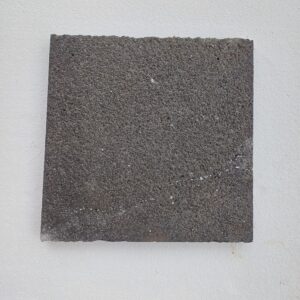
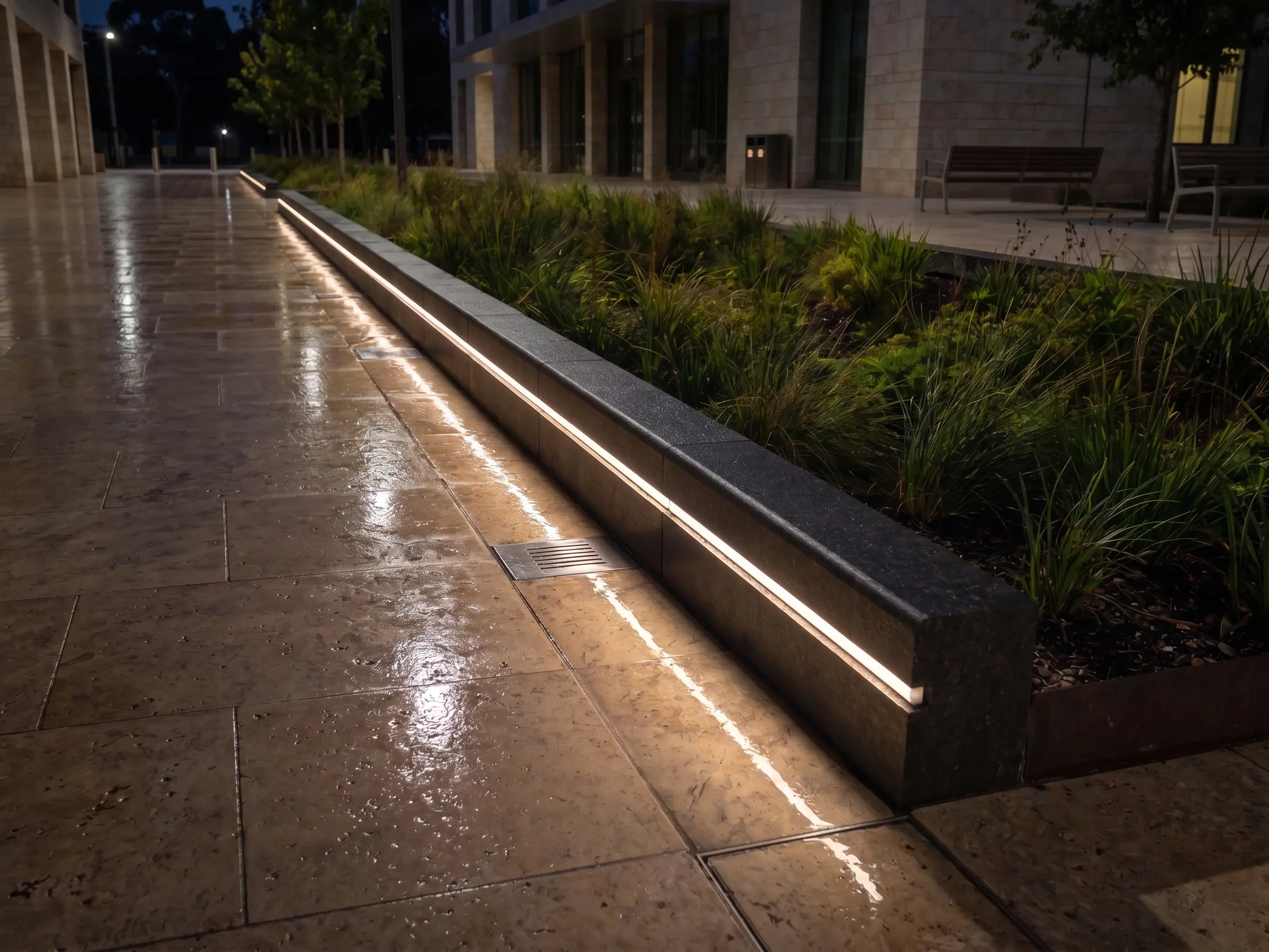
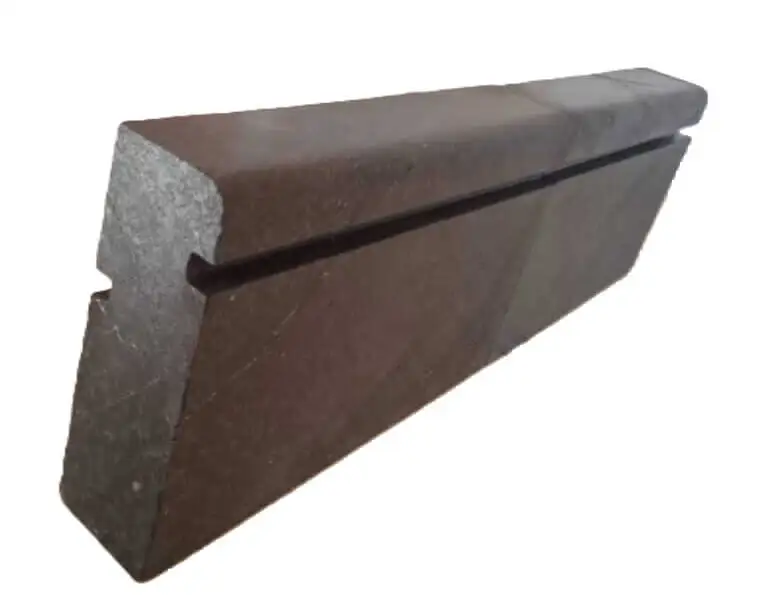
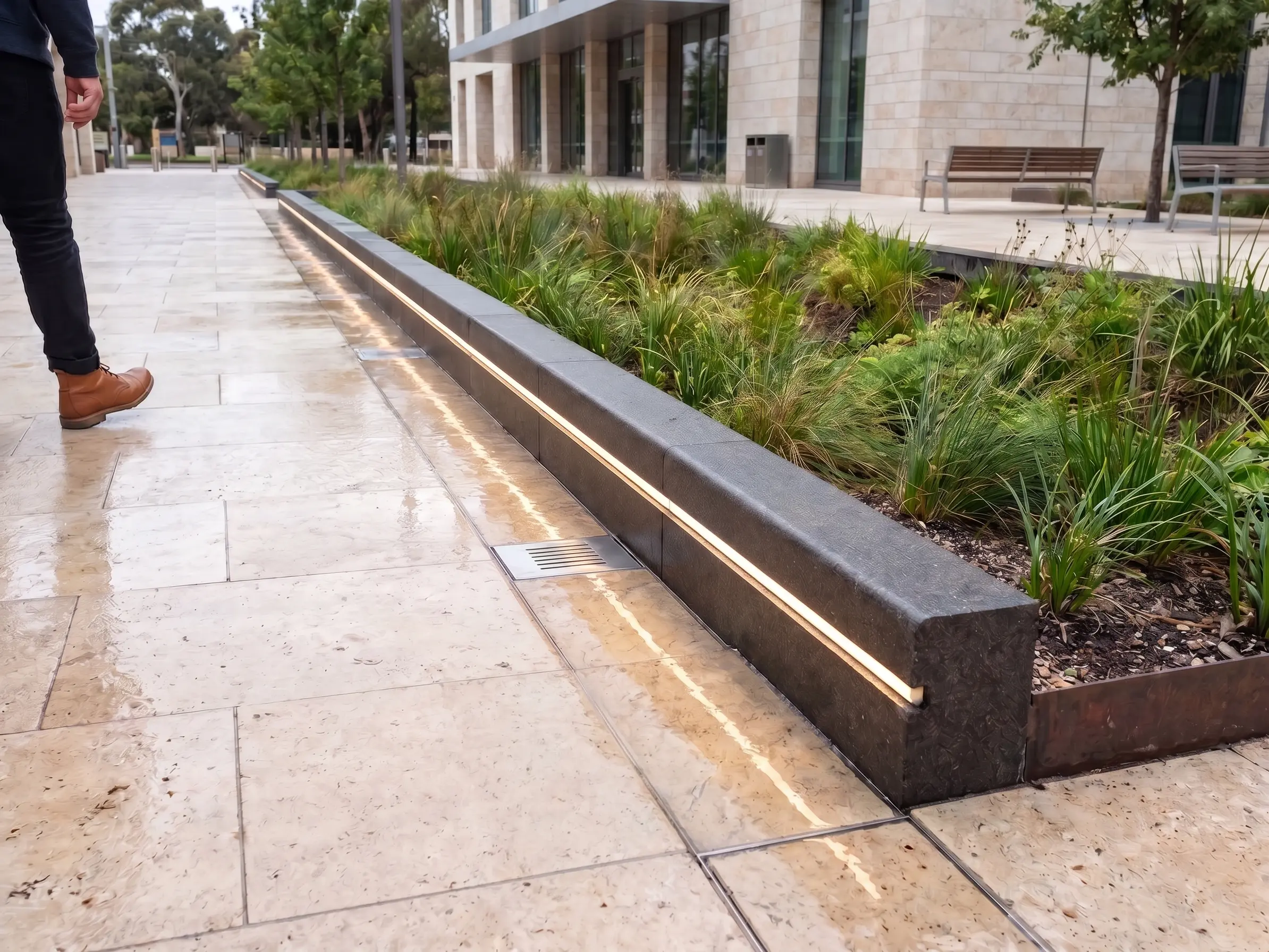
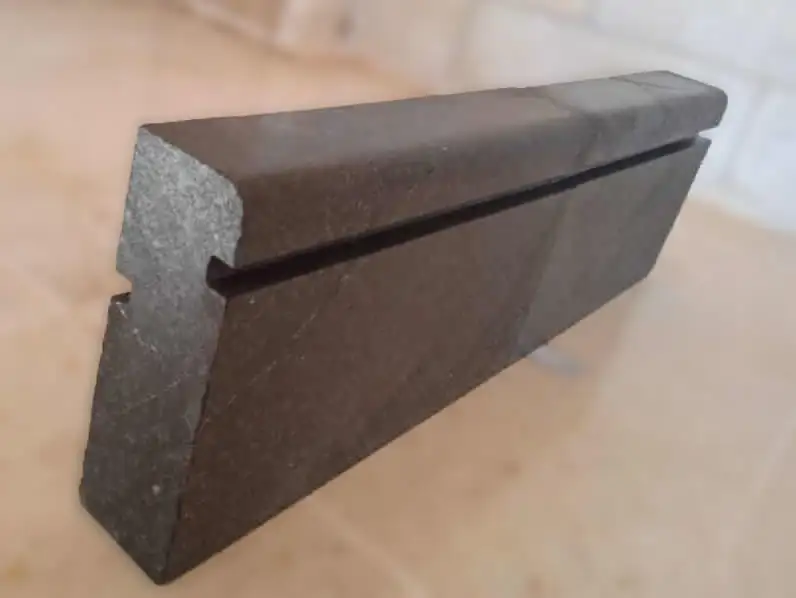
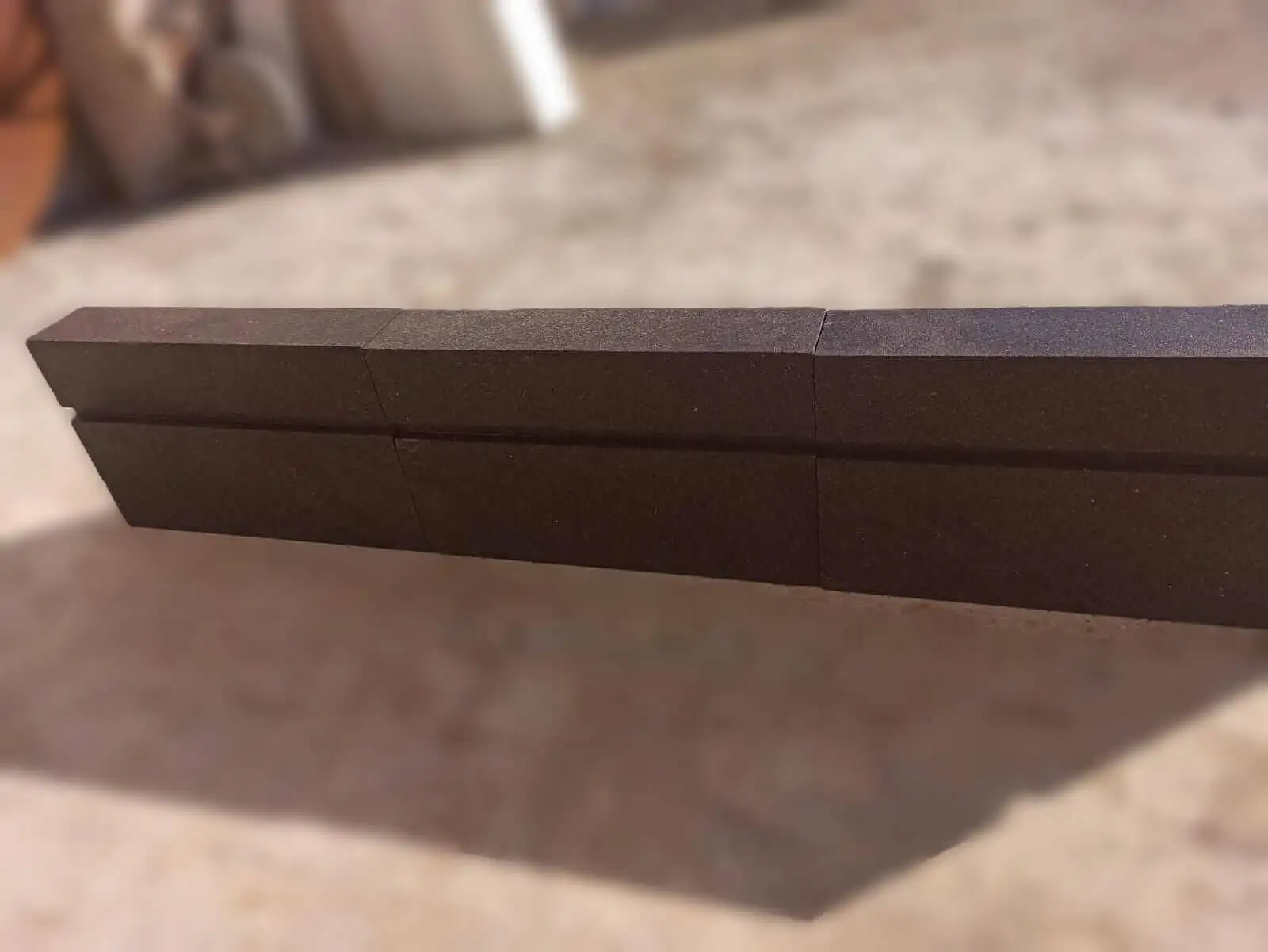
Black Basalt Landscape Curbing from Citadel Stone is the definitive natural stone curbstone for projects where structural permanence, zero maintenance, and architectural visual quality are the non-negotiable requirements. Sourced quarry-direct from our selected quarries in the Middle East and precision-cut to exact dimensional tolerances, it combines a published compressive strength range of 100–300 N/mm² for basalt as a rock type with water absorption of just 0.59–0.69% (certified mill test), the lowest of the stones on our certificate. For de-iced streets, we can advise on thickness and finish; the base, bedding and joints are for your installer or engineer to design. Available in five surface finishes from split-face through to honed, and in residential, standard, heavy commercial, and maximum-impact municipal profiles, with full radius and custom fabrication capability for projects of any scale.
Price: $2.24 per m
Total: $2.24
Your size. Your thickness. Your finish, confirmed for this stone.
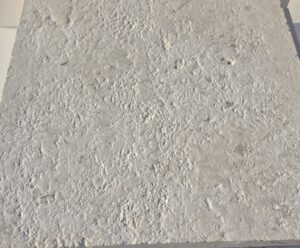
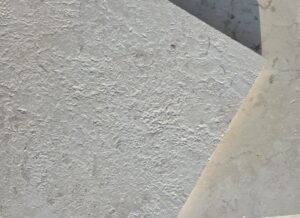
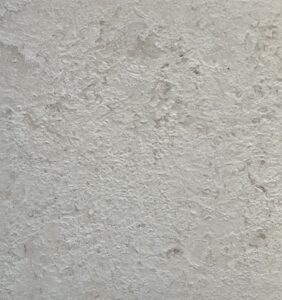
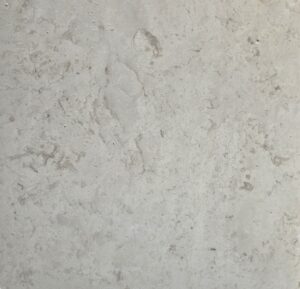
We cut this stone to the dimensions and thickness your project calls for. Brushed is our signature finish, from a coarse 16 grit to a fine 80, or finer to order. Most of our limestone and basalt can also be supplied sawn, honed or bush-hammered; polished, tumbled and split-face are made on selected stones. Tell us the size, thickness, finish and use, and we’ll confirm what this stone can be made in. Looking for another color? See the full collection.
Planning a laying pattern? See which of our formats suit herringbone, French pattern, running bond, stack bond, basketweave and fan layouts in our paver laying patterns guide.
Ships by pallet or container to any US state · Lead time quoted per order
Suitability varies with size, thickness, finish, and substrate. Tell us your application when you request a quote and we will confirm the right specification for it.
Bedding: full-bed sand and cement mix or a flexible adhesive appropriate to the substrate.
Joints: from 3 mm for sawn tiles; wider for split-face setts and cobbles.
Sealing: a quality impregnating sealer is recommended for limestone and shellstone; basalt and granite typically need none.
Cutting: wet saw with a diamond blade.
Installation requirements differ by stone and format — a product-specific method note is included with every quote, and our team is available for your installer’s technical questions.
Pricing improves materially with quantity: pallet rates beat per-piece pricing, and full-container rates beat both. Every quote is calculated quarry-direct, with no distributor margin in between.
Distributors, stone yards, and retailers: our Trade & Wholesale Program covers container-load pricing, recurring supply schedules, and private-label production.
Orders ship by pallet or full container to any US state, with kerbside delivery to the nearest safe access point. Lead times depend on stone, finish, and quantity, and are confirmed with your quote. Samples reach any US address within five working days.
Every crate is inspected and photographed before dispatch — if anything is wrong on arrival, contact us and we will make it right.
Curbstone is one of the most structurally demanding positions in any landscape or infrastructure installation — subject simultaneously to vehicular impact loading, snowplow strikes, de-icing chemical saturation, sustained freeze-thaw cycling, and continuous weather exposure, while being required to hold a precise line and level without movement or maintenance for the full life of the installation it serves. Most curbstone materials meet some of these demands adequately. Black Basalt Landscape Curbing from Citadel Stone is a dense volcanic curbstone and the stone in our range we recommend for freeze-thaw winters and salted streets; ask us about thickness and finish, and your installer or engineer designs the base, bedding and joints.
Sourced quarry-direct from our selected quarries in the Middle East — the same quarry material that supplies every other Citadel Stone black basalt product — and precision-cut to exact dimensional tolerances across a comprehensive range of vertical, sloped, and radius profiles, Black Basalt Landscape Curbing is the correct specification for residential, commercial, and municipal projects where permanent structural edge definition, zero ongoing maintenance, and architectural visual quality are the non-negotiable requirements.
Available in five surface finishes from split-face through to honed, and in profiles from residential garden border scale through to maximum-impact municipal streetscaping dimensions, it is a single-source solution for every curbstone application from a private driveway edge to a full street kerbing programme.
High Compressive Strength Greater load capacity than high-strength structural concrete, and substantially more than granite, limestone, or any manufactured curbstone alternative — the published compressive strength range for basalt as a rock type is 100–300 N/mm². Under vehicular impact, snowplow contact, and the sustained lateral forces of turning traffic movements, black basalt holds its structural integrity and its position where lesser materials chip, crack, and displace progressively over time.
Low Water Absorption (0.59–0.69%) Water absorption is the primary mechanism by which freeze-thaw cycling destroys curbstone — moisture enters pores, freezes, expands, and fractures the material from within. At 0.59–0.69% absorption (certified mill test), Citadel Basalt takes up little moisture: it is the lowest-absorbing stone on our certified mill test. Less water in the stone means less water to freeze inside it, which is why Citadel Basalt is our first choice for cold-climate paving and curbing.
Complete Chemical Inertness Road salt, de-icing chemicals, oil, acid rain, and environmental pollutants that cause surface spalling in concrete, dissolution in limestone, and progressive deterioration in softer curbstone materials have no effect on basalt’s silicate mineral composition. This is not a surface treatment — it is an intrinsic volcanic material property that remains constant across the entire service life of the installation, regardless of what the environment delivers.
High Surface Hardness Snowplow contact, vehicular tyre abrasion, and maintenance equipment impact mark and progressively round the arrisses of softer curbstone materials over time, producing a deteriorated appearance that no amount of cleaning recovers. Basalt resists surface abrasion with a consistency that keeps curbstone edges crisp and visually precise for the full service life of the installation.
Long Service Life Concrete curbstone typically requires replacement within 20–30 years in northern climates, and sooner in heavily salted or high-impact applications. Over a 50-year period, the cost of two to three concrete replacement cycles — including removal, disposal, reinstallation, and traffic disruption — substantially exceeds the single installation cost of basalt curbstone that requires no intervention across the same period. The lifecycle cost case for basalt is unambiguous.
| Finish | Surface Character | Best Suited For |
|---|---|---|
| Split-Face | Mechanically fractured — pronounced three-dimensional relief, organic volcanic texture | Historic streetscaping, naturalistic garden borders, rustic estate driveways, projects prioritising authentic material character |
| Natural / Sawn | Precision diamond-blade cut — flat face, subtle directional saw marks, minimal processing | Standard residential and commercial curbstone, contemporary and transitional landscape design |
| Bush-Hammered | Mechanically textured — uniform controlled indentation, consistent moderate roughness | Curb ramps, pedestrian crossing transitions |
| Thermal / Flamed | High-temperature surface treatment — micro-fractured matte texture | Municipal streetscaping, transit infrastructure, pedestrian safety zones |
| Honed | Precision ground — smooth satin-matte, refined low-luster surface | Luxury residential developments, upscale commercial plazas, high-specification architectural landscape projects |
| Property | Test basis | Value |
|---|---|---|
| Density | Certified mill test | 3.01–3.06 g/cm³ |
| Water Absorption | Certified mill test | 0.59–0.69% |
| Compressive Strength | Published range for basalt as a rock type | 100–300 N/mm² (about 14,500–43,500 PSI; published range for basalt as a rock type) |
| Hardness | Published range for basalt as a rock type | 6–7 |
| Cold-Climate Use | Service history | Generations on European snow-belt streets |
| Chemical Resistance | — | Complete — unaffected by salt, acid, alkali, pool chemicals |
| UV Stability | — | Permanent — no colour change or surface degradation |
| Colour | — | Deep charcoal to jet black |
| Origin | — | Citadel volcanic deposits, Middle East |
| Profile | Dimensions | Lengths | Application |
|---|---|---|---|
| Vertical — Residential / Light Commercial | 4″ × 12″ | 2’–6′ | Private driveways, garden borders, pathway edging |
| Vertical — Standard | 5″ × 16″ | 3’–10′ | Standard commercial and municipal specification |
| Vertical — Heavy Commercial | 6″ × 18″ | 3’–10′ | Commercial driveways, loading zones, high-traffic roads |
| Vertical — Maximum Impact | 7″ × 20″ | 4’–8′ | Municipal streetscaping, maximum impact resistance |
| Sloped / Mountable — Standard | 4″ × 12″ with 45° bevel | Custom | Parking lot transitions, vehicle crossovers |
| Sloped / Mountable — Curb Ramp | 5″ × 12″ chamfered | Custom | Curb ramps, pedestrian crossing transitions |
| Radius — Inside | Matching straight profile | Segmented | Inside curves — 1′ to 100′ radius |
| Radius — Outside | Matching straight profile | Segmented | Outside curves — custom fabricated to specification |
| Custom | Project-specific | Upon request | Non-standard profiles, drainage channels, corner units |
Custom fabrication available — non-standard heights and widths, integrated drainage channels and weep holes, monolithic corner units, transition pieces, and profiles matching existing installations. Custom orders typically require four to eight weeks. Contact Citadel Stone for current stock availability and lead times.
Street & Road Kerbing Municipal and commercial street kerbing is the most demanding curbstone application — subject to continuous heavy vehicular loading, repeated snowplow contact, sustained de-icing chemical saturation, and the freeze-thaw cycling of northern winters across decades of uninterrupted public service. In 5″ × 16″ and 6″ × 18″ vertical profiles, Black Basalt Landscape Curbing delivers the compressive strength, impact resistance, and chemical inertness that public infrastructure demands — and critically, the 50–100+ year service life that municipal asset managers require to justify capital expenditure over the replacement cycles of concrete alternatives. For de-iced streets, talk to us about the right thickness and finish, and have your installer design the base and bedding for frost and de-icing salt. The consistent deep black colouration provides clear visual delineation between carriageway and footway, and the material’s UV stability ensures this visual definition remains sharp across the full service life without fading, discolouration, or aesthetic deterioration. In bush-hammered finish, the curbstone top surface is textured rather than polished; for curb ramps and crossings, choose the finish with your designer.
Driveways & Entry Courts At the driveway boundary, Black Basalt Landscape Curbing defines the edge between the driven surface and the adjacent lawn, planting, or gravel area with an architectural precision and structural permanence that no planted edge, plastic strip, or concrete alternative delivers. In 4″ × 12″ residential profile for family vehicle driveways, and in 5″ × 16″ or 6″ × 18″ for properties with regular heavy vehicle access, the curbstone contains the driveway sub-base laterally, prevents lawn or planting bed encroachment onto the driven surface, and provides a robust physical stop that protects adjacent soft landscape from tyre overhang damage. The sloped and chamfered mountable profiles accommodate vehicle crossover transitions at the pavement boundary and estate entry gates where level change management is required. Installed with a concrete footing on the traffic-facing side, correctly specified basalt driveway curbstone does not move, chip, or require repair within the lifespan of the property it defines.
Parking Areas & Commercial Plazas In parking areas and commercial plaza environments, curbstone performs a traffic management function as much as a landscape one — defining the boundary between vehicle zones and pedestrian areas, protecting planted islands and feature trees from vehicular encroachment, marking the perimeter of parking bays, and separating pedestrianised zones from service access routes. Black basalt’s resistance to snowplow contact impact — the most common cause of premature curbstone failure in northern commercial car parks — is the defining practical advantage in this application. The consistent dark colouration provides high-visibility boundary definition between light-coloured paving surfaces and the dark curbstone line, improving driver orientation and pedestrian safety simultaneously. In large commercial and mixed-use developments where the plaza and car park paving specification also includes Citadel basalt products, the curbstone can be specified in matching material from the same quarry source — ensuring complete material coherence across the project without colour-matching compromise.
Garden Bed & Landscape Borders As a permanent border between lawn and planted areas, Black Basalt Landscape Curbing eliminates the chronic maintenance tasks that unedged or temporarily edged garden beds generate — weekly edge re-cutting, mulch migration onto lawn surfaces, lawn grass encroachment into planted borders, and the progressive loss of a clean defined boundary between the two. A single correctly bedded run of 4″ × 12″ vertical basalt curbstone along the full perimeter of a garden bed contains mulch permanently within its intended boundary, provides a clean and consistent mowing guide that allows a rotary mower to be run alongside without hand trimming, and establishes a visual ground-level datum line that gives planted borders an organised, professionally designed quality regardless of what is growing within them. The deep black colouration provides the strongest possible contrast against lawn green and lighter mulch materials — a crisp, graphic boundary line at ground level that defines the garden composition with quiet architectural authority.
Pathway & Walkway Edging Alongside pedestrian pathways — gravel walks, bark-surfaced routes, stepped garden paths, and formal paved pedestrian axes — Black Basalt Landscape Curbing provides the structural edge containment and visual definition that transforms a functional surface into a designed circulation route. Without curbstone, loose pathway materials migrate laterally under foot traffic, rain wash, and wind movement — progressively widening the path, contaminating adjacent lawn and planting, and generating a perpetual maintenance task of re-edging, re-topping, and re-defining the path boundary. A continuous basalt curbstone run alongside the path eliminates this cycle permanently. In garden settings, the sawn or split-face finish is most appropriate — its material character integrating with the naturalistic context of planted surroundings more sympathetically than the precision finishes suited to municipal and commercial applications. Radius sections accommodate curved path geometry and steps, and the curbstone’s consistent height provides a visible boundary that guides pedestrian movement clearly without physical barriers.
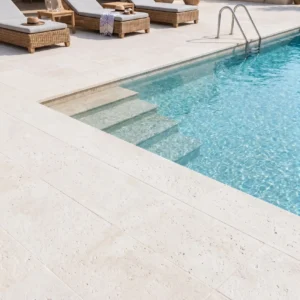
Pool Surround Perimeters At the pool perimeter boundary — where the pool deck surface meets the surrounding garden, lawn, or hard landscape — Black Basalt Landscape Curbing provides the structural edge containment and material transition that defines the pool installation as a composed, architecturally resolved element rather than a surface that simply stops. The curbstone contains the pool deck sub-base laterally, prevents lawn and garden material from migrating onto the pool surround surface, and provides a structural edge that resists the lateral forces generated by pool deck foot traffic, furniture movement, and the differential thermal movement between the deck surface and the surrounding landscape. Basalt’s complete resistance to pool chemicals — chlorine, bromine, salt systems — means the curbstone in this location performs without degradation regardless of splash, overflow, and chemical contact exposure. In sloped mountable profile, it accommodates the graded transition between pool deck level and surrounding garden level. In bush-hammered finish, its top surface is textured rather than polished at the pool edge transition. Brushed is a popular choice for pool decks and surrounds, driveways, patios and other outdoor paving; for these areas we recommend a coarse grit. For wet steps and slopes, choose bush-hammered, one of our most textured finishes. Any paving can be slippery when wet. Finish, slope, drainage, sealer and footwear all play a part, so ask your designer to confirm local pool-deck and code requirements. Custom radius fabrication accommodates curved pool perimeter geometry with minimal joint visibility and a continuous, resolved edge quality.
| Black Basalt Landscape Curbing | Concrete Curbstone | Granite Curbstone | Limestone Curbstone | Asphalt Berm | |
|---|---|---|---|---|---|
| Compressive Strength | 100–300 N/mm² (about 14,500–43,500 PSI; published range for basalt as a rock type) | ⚠️ ~4,000–5,000 PSI | ⚠️ 18–25,000 PSI | ❌ 4–12,000 PSI | ❌ Negligible |
| Water Absorption | ✅ 0.59–0.69% | ⚠️ 4–8% | ⚠️ 1–3% | ❌ 1–6%+ | ❌ High |
| De-icing Salt Resistance | ✅ Complete | ❌ Surface spalling | ✅ Good | ❌ Surface dissolution | ❌ Rapid deterioration |
| Cold-Climate Use | See Water Absorption row | ❌ Fails within decades | ✅ Good | ⚠️ Sealing essential | ❌ Fails rapidly |
| Snowplow Impact Resistance | ✅ Exceptional | ❌ Chips & cracks | ✅ Good | ❌ Chips readily | ❌ Deforms permanently |
| Maintenance Required | ✅ None | ⚠️ Crack repair, resealing | ⚠️ Periodic sealing | ⚠️ Regular sealing | ❌ Frequent repair |
| Service Life | ✅ 50–100+ years | ⚠️ 20–30 years | ✅ 50–75+ years | ⚠️ 30–50 years | ❌ 10–15 years |
| Lifecycle Cost | ✅ Lowest | ❌ High — replacement cycles | ⚠️ Moderate | ⚠️ Moderate-high | ❌ Highest |
Excavation & Foundation Excavate below the local frost line — 36″–48″ in northern climates, 18″–24″ in moderate zones, 12″–18″ in frost-free regions. Trench width should accommodate the curbstone dimension plus 4″–6″ of concrete footing on each side. Remove all organic material and loose substrate; in poor soil conditions excavate a further 6″–12″ and backfill with compacted crushed stone before proceeding. Install a minimum 6″ depth of well-graded 3/4″ minus crushed stone, mechanically compacted in 2″–3″ lifts. Grade the compacted base to provide positive drainage away from the curbstone line — standing water in the excavation compromises footing integrity and accelerates freeze-thaw damage.
Concrete Footing Pour a minimum 6″ thick concrete footing — 8″–10″ for heavy commercial and municipal applications — using 3,000–4,000 PSI mix. In freeze-thaw climates, incorporate air entrainment at 5″–7% air content. Reinforce with #4 rebar positioned 2″–3″ above the base for high-load applications. Set basalt curbstone into wet concrete ensuring full base-to-footing contact. Maintain 1/4″–1/2″ joints between units for thermal movement accommodation.
Alignment & Levelling Establish the curbstone line with a builder’s string at finished height before setting any stone. For radius sections, mark the arc from a fixed centre point using a trammel arm or radius template. Check alignment, height, and level continuously — corrections after setting are substantially more labour-intensive than correct initial positioning. For radius curbstone, joints must radiate from the arc centre point to prevent gaps and ensure structural continuity around curves.
Joint Treatment & Control Joints After the concrete footing achieves initial set, fill joints between curbstone units with Type-M or Type-S masonry mortar tooled to a weathertight profile, or flexible polyurethane sealant rated for exterior natural stone. Install control joints at 20’–30′ intervals in straight runs to manage thermal expansion — saw-cut or pre-formed to one-third of the curbstone height at all direction changes and at regular intervals along extended runs.
Backfill After the footing achieves adequate strength — typically 24–48 hours — backfill behind and in front of the curbstone with granular material. Compact in lifts, maintaining finished grade 1″–2″ below the top arriss. Avoid expansive clay backfill that generates lateral pressure on the curbstone face under wet conditions.
Professional installation is required for all municipal and commercial applications, vehicular driveway curbstone, and any installation requiring precision radius fabrication or reinforced concrete foundations.
Standard Stock — Substantial inventory is maintained in the most commonly specified vertical profiles and surface finishes, enabling delivery within three to five business days for standard residential and commercial requirements.
Volume Supply — Large municipal and commercial programmes requiring thousands of linear feet are accommodated through Citadel Stone’s sourcing relationships and production capacity, with phased delivery schedules coordinated to match construction programmes.
Custom Fabrication — Non-standard profiles, integrated drainage channels, monolithic corner units, and project-specific dimensions are available with typical lead times of four to eight weeks depending on complexity and volume.
Nationwide Delivery — Full truckload supply for large projects, less-than-truckload for smaller orders, liftgate service for sites without mechanical unloading equipment, and scheduled delivery appointments coordinated directly with installation contractors across all 48 continental states.
Which profile is correct for a residential driveway boundary? The 4″ × 12″ vertical profile is the standard specification for residential driveways with typical family vehicle loading. For properties with frequent heavy vehicle access — delivery vehicles, commercial traffic, construction equipment — the 5″ × 16″ provides the structural mass and impact resistance appropriate to the increased loading demand. Contact Citadel Stone with your traffic profile and driveway dimensions for a specific profile recommendation.
Which finish is specified for curb ramps? Bush-hammered and thermal/flamed finishes are most commonly specified for curb ramp applications, because their surfaces are textured rather than polished; for accessible routes, choose a finish with your designer and confirm it against the accessibility requirements for your project. The 5″ × 12″ chamfered sloped profile in bush-hammered finish is the standard specification for this application.
Can radius sections be fabricated to match an existing site curve? Yes. Radius curbstone is fabricated to any inside or outside radius — provide the arc radius measurement and total linear footage required, and Citadel Stone’s fabrication team produces segmented radius units with joints radiating from the arc centre point for seamless installation and minimal visible joint gaps. Contact our team with your radius specifications for lead time and pricing.
Is this the same basalt material used across the Citadel Stone paving and Belgian block range? Yes. All Citadel Stone black basalt products — curbstone, field paving, Belgian block, and sawn slabs — are sourced from the same Citadel volcanic deposits. This means curbstone and field paving can be specified in matching material and finish within the same project with complete colour and material consistency — no quarry-source mismatch, no colour variation between elements.
What is the correct foundation depth for a municipal street kerbing application? Municipal street kerbing requires excavation to below the local frost line — typically 36″–48″ in northern climates — with a minimum 8″–10″ reinforced concrete footing using 3,000–4,000 PSI air-entrained mix and #4 rebar reinforcement. Citadel Stone provides application-specific foundation specifications and can support municipal procurement with full technical data sheets, method statements, and project-coordinated supply programmes. Contact our team to discuss your infrastructure project requirements.
Single Quarry Source Across the Full Range — Because Black Basalt Landscape Curbing is sourced from the same Citadel volcanic deposits as every other black basalt product in the range, curbstone and field paving can be specified together within a single project with guaranteed material and colour consistency — eliminating the quarry-source colour-matching risk present when sourcing from multiple suppliers.
Full Profile & Finish Range from One Supplier — Five surface finishes, four standard vertical profiles, sloped curb-ramp profiles, inside and outside radius fabrication, and full custom capability — every black basalt curbstone specification served from a single source with consistent material quality.
Volume Supply for Municipal & Commercial Programmes — Established production relationships and supply capacity support large-scale infrastructure and commercial landscape contracts with phased delivery coordinated to construction timescales and budget programmes.
Technical Specification Support — Profile selection, foundation design, joint detail specifications, curb-ramp finish guidance, quantity calculations, and radius fabrication co-ordination — provided as standard for every project enquiry regardless of scale.
Precision Fabrication Standards — Advanced diamond-blade profiling equipment produces curbstone sections to tight dimensional tolerances, enabling professional installation with consistent joint spacing and precise alignment from residential garden borders to municipal streetscaping programmes.
Specify engineering-grade volcanic curbstone — for every scale of project from a private garden border to a full municipal street kerbing programme.
Request a Free Consultation — Our team provides profile selection, finish recommendations, foundation specifications, curb-ramp finish guidance, radius fabrication co-ordination, quantity calculations, and detailed project quotes.
Municipal & Commercial Procurement — Dedicated support for infrastructure programmes, volume pricing, phased supply scheduling, full technical data packages, and coordinated logistics for projects of any scale.
Request a Sample — Assess the surface finish, dimensional precision, and deep black colouration of Black Basalt Landscape Curbing before specifying. Contact Citadel Stone to arrange your sample.
Product specifications, profiles, and pricing are subject to change. Contact Citadel Stone for current stock availability, radius fabrication lead times, and project-specific technical recommendations.
Educational Content:
Choose Your Finish with Confidence
The finish decides how your stone looks, feels and grips underfoot. Compare every finish we produce — brushed 16, 36 and 80 grit, honed and bush-hammered — photographed up close on the actual stone we supply, so you can judge the texture before you order. Samples of any finish are at your door within 3 working days.
Explore the Stone Finishes GalleryA sample of the exact stone ships before any full order — judge tone, veining, and texture in your own light.