

Our Shellstone—the ultimate natural choice is a unique and visually stunning natural stone that has become a popular choice for outdoor and indoor spaces. But where does Shellstone come from, and what makes it so special? In this article, we’ll explore the geological background of Shellstone, its sourcing process, and its sustainability and environmental impact. Whether you’re a homeowner, designer, or architect, this guide will provide valuable insights into the origins and eco-friendliness of Shellstone.
Introduction to Shellstone
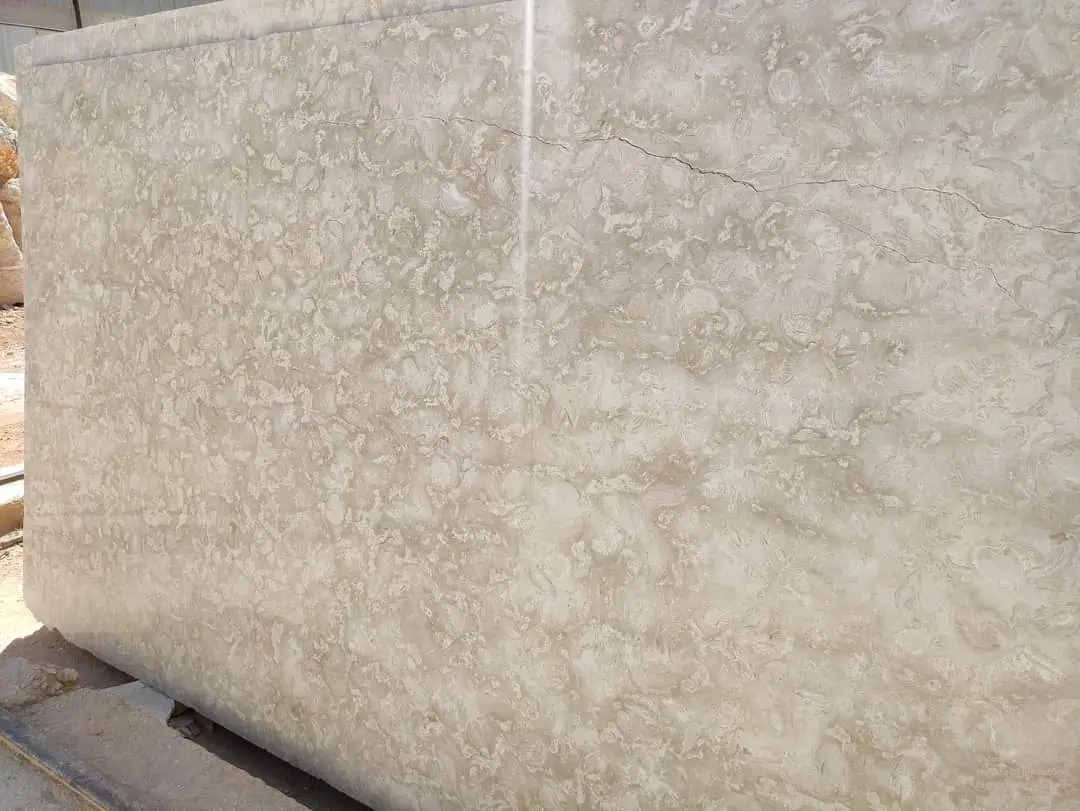
Shellstone is a type of natural stone formed from compressed shells, coral, and marine sediments. Its distinctive texture, neutral color palette, and durability make it a favorite for patios, pool decks, walkways, and more. But to truly appreciate Shellstone, it’s important to understand its geological origins and how it’s sourced.
Geological Background of Shellstone
Formation Process
Shellstone—the essence of fine living is a sedimentary rock that forms over millions of years. Here’s how it’s created:
Accumulation of Marine Organisms: Shells, coral, and other marine organisms accumulate on the ocean floor.
Compaction and Cementation: Over time, layers of sediment and organic material are compressed and cemented together by natural minerals like calcium carbonate.
Fossilization: The organic material fossilizes, creating the unique patterns and textures that characterize Shellstone—the natural choice for elegance.
Key Characteristics
Composition: Primarily made of calcium carbonate from shells and coral.
Texture: Porous and often contains visible fossilized patterns.
Color: Neutral tones like beige, gray, and cream, depending on the minerals present during formation.
Sourcing Shellstone
Where Is Shellstone Quarried?
Our Shellstone—the perfect addition to your project is typically quarried in coastal regions where ancient seabeds have been exposed. Some of the most notable sources include:
Mediterranean Region: Countries like Turkey, Syria, and Greece are known for high-quality Shellstone.
Middle East: Regions like the United Arab Emirates have rich deposits of Shellstone.
Southeast Asia: Indonesia and Vietnam are emerging sources of Shellstone.
Quarrying Process
Exploration: Geologists identify areas with rich deposits of Shellstone.
Extraction: Large blocks of Shellstone are cut from the quarry using specialized machinery.
Processing: The blocks are cut into tiles or pavers and finished according to the desired texture (e.g., natural, honed, tumbled).
Sustainability and Environmental Impact
Eco-Friendly Quarrying Practices
Many Shellstone quarries are adopting sustainable practices to minimize their environmental impact. These include:
Rehabilitation: Restoring quarried land to its natural state after extraction.
Water Recycling: Reusing water during the cutting and polishing process to reduce waste.
Energy Efficiency: Using renewable energy sources to power quarrying operations.
Environmental Benefits of Shellstone
Natural Material: Shellstone for inspired spaces is a 100% natural product, free from synthetic chemicals or additives.
Durability: Its long lifespan reduces the need for frequent replacements, minimizing waste.
Low Carbon Footprint: Compared to man-made materials like concrete, Shellstone has a lower carbon footprint due to its natural formation and minimal processing.
Certifications and Standards
Look for Citadel Stone Ocean Reef Shellstone suppliers that adhere to environmental certifications, such as:
LEED (Leadership in Energy and Environmental Design): Ensures sustainable building practices.
ISO 14001: Certifies environmentally friendly management systems.
Conclusion
Unique Shellstone patterns for bold statements is more than just a beautiful natural stone—it’s a product of millions of years of geological processes and a testament to the power of nature. From its formation in ancient seabeds to its modern-day applications, Shellstone offers a unique combination of beauty, durability, and sustainability.
By understanding the geological background, sourcing process, and environmental impact of Shellstone, you can make an informed decision that aligns with your design goals and values. Whether you’re designing a luxury resort, a public park, or a private home, Shellstone is a timeless and eco-friendly choice that will stand the test of time.