
Budget First: What Arizona Projects Actually Cost
White cobblestone driveway upkeep Arizona property owners need to budget for starts well before the first maintenance appointment — it begins at the sourcing stage, where freight distance from quarry to jobsite quietly inflates your total project cost by 15 to 30 percent compared to what the stone itself is listed for. Arizona sits far from the major limestone and cobblestone quarries in the Midwest and Southeast, which means every ton of white natural stone arriving by truck carries a freight premium that varies significantly depending on your delivery address. You’ll find that projects in the far West Valley pay noticeably more for delivered stone than those closer to the I-10 corridor, where logistics routes are more direct.
Labor market conditions compound this further. Phoenix-area hardscape labor runs at a premium relative to rural markets, and demand spikes sharply between October and April when the weather cooperates for exterior work. Scheduling your white cobblestone driveway upkeep or installation during the summer months — when labor queues thin out — can reduce your labor cost by 10 to 20 percent, even if the heat adds constraints to the work window itself.
Material Availability and Freight Realities
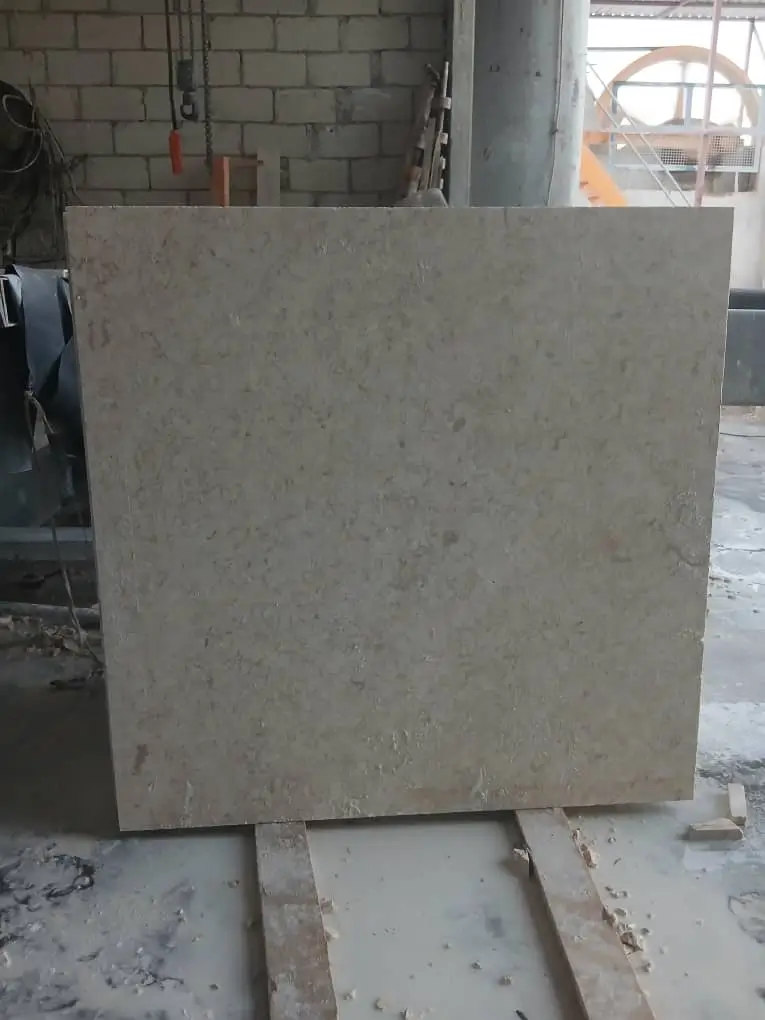
The availability of white cobblestone in Arizona is less consistent than you might expect from a state with such strong hardscape demand. Most white natural stone driveway material is not quarried locally — it arrives by truck from domestic sources or, increasingly, from Portuguese and Turkish quarries via port of Los Angeles. That additional intermodal leg adds lead time and cost variability that projects in coastal markets don’t face. You’ll want to confirm warehouse stock levels before you lock in your project timeline, because a six-to-eight week import delay can push your installation past the peak fall window.
At Citadel Stone, we maintain regional warehouse inventory specifically to buffer that import gap for Arizona customers. Material held in-state typically delivers within one to two weeks rather than the six-to-eight week cycle tied to direct imports. That lead time difference is a genuine budget factor — carrying costs on your project pause while stone is in transit, and contractor holding fees add up quickly in the Phoenix metro market.
Projects in Peoria often benefit from quicker truck delivery windows due to proximity to the northwest Valley distribution routes, which can make white cobblestone supply logistics slightly more predictable for homeowners on that side of the metro.
Value Engineering Your White Cobblestone Driveway
Value engineering on a white cobblestone driveway in Arizona isn’t about buying cheaper stone — it’s about adjusting where your dollars go within a fixed budget. The material-to-labor cost ratio for cobblestone driveways typically runs around 40 percent material and 60 percent labor in the Phoenix market, which is the inverse of what many homeowners assume. That ratio tells you something important: quality stone selection is the more cost-efficient place to spend, because cutting corners on material quality increases the labor intensity of every future maintenance cycle.
- Selecting a consistent stone density (look for absorption rates below 0.75 percent) reduces how often you’ll need to reseal, stretching your maintenance budget further
- Specifying tumbled or rumbled finishes over hand-split faces reduces joint irregularity, which lowers the labor time required for re-sanding and weeding
- Choosing a slightly larger cobble format — 4×4 or 4×6 over 3×3 — reduces the number of individual stones per square foot, which directly cuts setting time and installation cost
- Budgeting for a penetrating silane-siloxane sealer upfront adds roughly 8 to 12 cents per square foot to your project cost but eliminates the first full maintenance cycle within two years
The sourcing decision cascades through your entire project budget. Stone ordered through a supplier with Arizona warehouse stock versus stone ordered from a distant national catalog may look the same on a spec sheet but behaves very differently in your cash flow and timeline.
Sealing Protocols for White Natural Stone Driveways
Caring for cobblestone driveways in Arizona summers demands a sealing protocol calibrated to heat exposure, not just moisture. Most generic sealing schedules are written for Mid-Atlantic or Pacific Northwest climates, where UV load is lower and thermal cycling is gentler. In Arizona, you’re dealing with surface temperatures that regularly exceed 160°F on white stone in peak July sun — and that thermal load degrades solvent-based sealers significantly faster than the product label suggests.
The better approach for white natural stone driveway sealing in AZ is a water-based penetrating sealer applied in two thin coats rather than one heavy coat. Thick applications trap air in the stone’s pore structure, and in extreme heat that trapped air expands and forces the sealer out in a process that looks like surface blistering within the first summer season. Apply both coats in early morning, below 80°F surface temperature, and allow full cure before the first rain event — which leads directly to monsoon timing.
- Apply sealer no later than mid-May to allow full cure before monsoon moisture arrives in July
- Avoid application during Santa Ana wind events, which carry fine particulate that embeds in wet sealer
- Test a small inconspicuous section first — some white limestone varieties darken slightly with certain sealer chemistries under intense UV
- Reapplication intervals in Arizona run 18 to 24 months for white natural stone driveway sealing in AZ, not the 3 to 5 years listed on products calibrated for cooler climates
Check the sealer’s effectiveness with the simple bead test: pour a small amount of water on the stone surface. If it beads and rolls off, the sealer is still performing. If it absorbs within 30 seconds, it’s time to reseal regardless of where you are on the calendar.
Monsoon Season Maintenance and Drainage Planning
Arizona monsoon-season cobblestone driveway care is one of the maintenance dimensions that separates well-specified installations from ones that require expensive intervention within three to five years. The monsoon pattern — sudden intense rainfall after months of dry heat — creates a thermal shock scenario that stresses joint sand and base material simultaneously. Your cobblestone surface may look fine the morning after a haboob, but the joint sand often migrates during high-volume sheet flow, leaving voids that invite weed intrusion and stone rocking.
Post-monsoon inspection should happen within one week of the first significant rain event each July. Look for joint sand loss greater than a quarter inch below the stone face — anything beyond that should be replenished with polymeric sand before the next rain compounds the void. Projects in Tempe frequently deal with flat lot grades that don’t shed monsoon water efficiently, making joint sand management especially critical in that market.
- Install a French drain or channel drain at the bottom of any grade change on your driveway to intercept sheet flow before it mobilizes joint sand
- Use a polymeric sand with a high resin content — standard polymeric sand formulations can soften and lose cohesion in sustained 110°F conditions before fully curing post-rain
- Inspect the driveway edge restraints after the first monsoon event each season — thermal expansion combined with hydrostatic pressure from rain saturation is the most common cause of edge creep
The dust component of monsoon events — particularly haboobs — also deposits fine clay-based particulate in the stone pores. That particulate is more staining than normal dust because it carries organic material that can begin darkening white cobblestone within weeks if not removed. A light pressure wash at 800 to 1,200 PSI with a fan tip, done within 48 hours after a haboob, prevents that staining before it bonds to the stone surface. Maintaining white stone driveways across Arizona means building this post-storm cleaning step into your regular seasonal routine rather than treating it as an optional task.
Cleaning and Stain Management for White Cobblestone
Maintaining white stone driveways across Arizona requires a different cleaning cadence than darker stone, primarily because the light surface reveals iron staining, tire tracking, and caliche deposits that simply wouldn’t show on charcoal or buff-colored material. That visual contrast is one of white cobblestone’s defining aesthetic qualities, but it means your maintenance schedule needs to account for stain sources that darker installations quietly absorb.
Iron staining — rust-colored streaks from metal fasteners, irrigation system components, or steel vehicle parts — is the most common complaint on white cobblestone driveways in Arizona. Treatment requires an oxalic acid-based stone cleaner, not a bleach product, which can cause micro-etching on limestone and actually accelerate future staining by opening the pore structure. Neutralize after treatment and reseal that section within 48 hours.
Caliche deposits from hard water irrigation are a specific Arizona problem you’ll need to address with a diluted phosphoric acid solution, working in sections no larger than four square feet to control the reaction time. Always test on a small area first — some white cobblestone varieties with higher calcium carbonate content react vigorously with even diluted acid, and the reaction needs to be stopped before etching occurs. Caring for cobblestone driveways in Arizona summers means scheduling stain treatments in the cooler morning hours, when surface temperatures are manageable and chemical dwell times are more predictable.
For an overview of the white cobblestone supply options available for Arizona driveways, our white cobblestone driveway supply Arizona page covers the material grades and formats that perform best in the desert Southwest climate.
Base Preparation and Long-Term Structural Performance
The structural longevity of any white cobblestone driveway in Arizona is determined almost entirely by base preparation decisions made before a single stone is laid. Arizona’s native soils range from expansive clay in parts of the East Valley to decomposed granite and caliche in the West Valley — and each soil type demands a different base strategy. A 4-inch compacted aggregate base that performs adequately in Phoenix’s DG-heavy soils will fail within two monsoon seasons in a clay-heavy lot in Gilbert or Chandler.
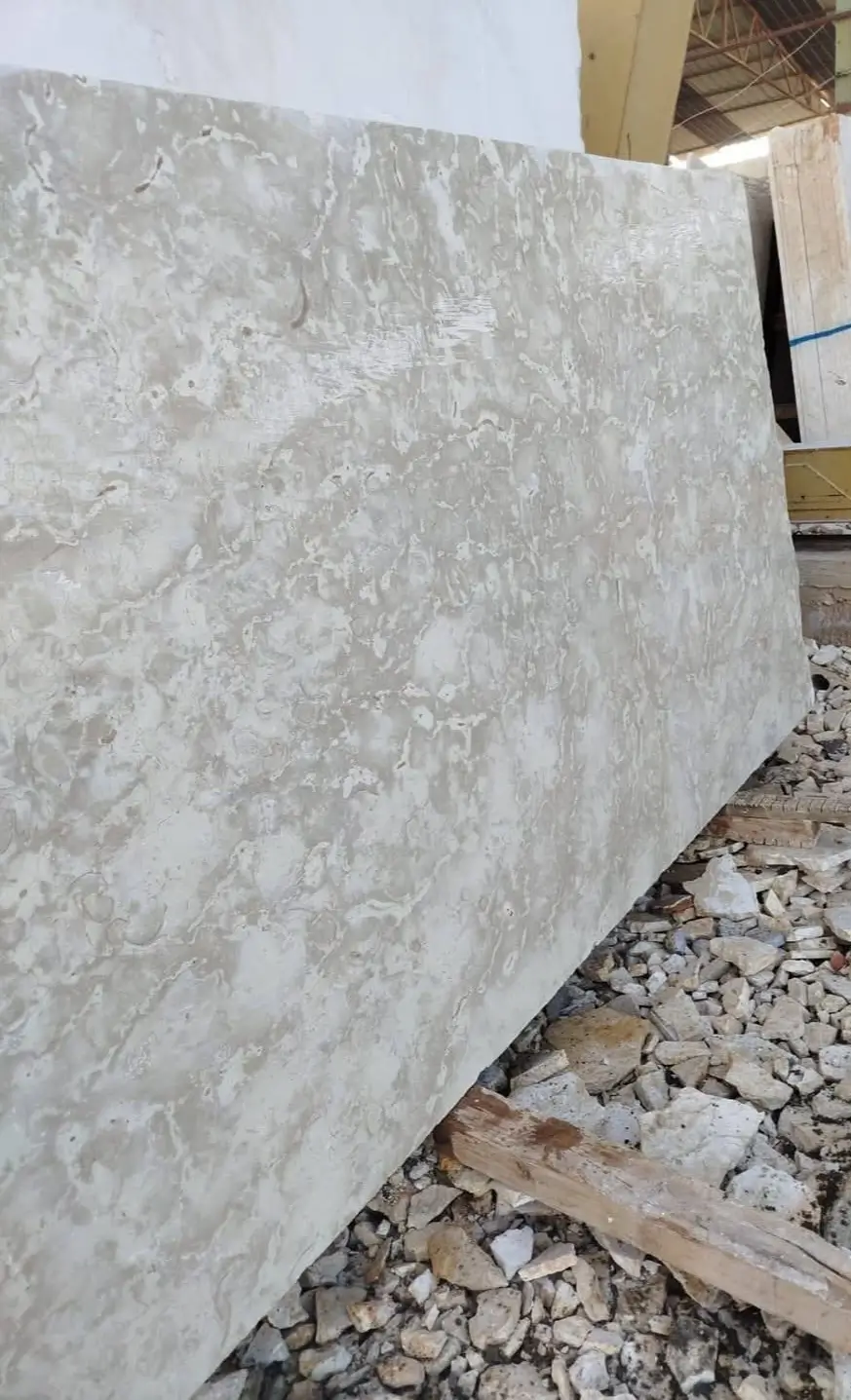
The minimum aggregate base depth for white cobblestone driveway upkeep in Arizona begins with 6 inches of compacted class II road base — not crusher fines, which hold moisture and can heave. For any lot with confirmed expansive clay below 18 inches, extend the base to 8 inches and add a geotextile separator layer between native soil and aggregate. That separator is one of the most cost-effective investments in the entire project — it costs approximately 4 to 6 cents per square foot and eliminates the base contamination that causes cobblestone settlement over time.
- Compact aggregate base in two lifts, not one — compacting a 6-inch layer as a single pour leaves the lower half undercompacted regardless of equipment used
- Achieve minimum 95 percent Proctor density on the compacted base before setting bed preparation — request a compaction test if your contractor doesn’t offer one
- Allow 24 hours of cure time after any irrigation or rain event before laying cobblestone — wet base material will shift under the weight of stone pallets
In Phoenix, where lots frequently feature engineered fill over imported soil, verify with your contractor whether the existing sub-base has adequate bearing capacity before specifying cobblestone thickness. White cobblestone in Arizona driveway applications typically comes in 3.15-inch (80mm) thickness for vehicular traffic — don’t downgrade to 60mm residential paving stone formats for a driveway application regardless of cost pressure.
Long-Term Maintenance Scheduling and Cost Projection
Planning your white cobblestone driveway upkeep in Arizona over a 10-year horizon gives you a much clearer picture of total cost of ownership versus installed cost. Most homeowners compare cobblestone to asphalt or concrete on installed cost alone — a comparison that consistently favors cobblestone when you factor in the dramatically lower resurfacing costs over time.
A properly installed and maintained white cobblestone driveway in Arizona should require no structural intervention for 15 to 20 years. What you’re budgeting for is a recurring maintenance cycle, not replacement. That cycle typically looks like this at current Arizona labor and material rates:
- Year 1: Post-installation polymeric sand top-off and first sealer application — budget approximately 50 to 75 cents per square foot
- Year 2 to 3: First full reseal cycle, joint sand inspection, edge restraint check — approximately 35 to 50 cents per square foot depending on driveway size
- Year 4 to 5: Spot stain treatment, reseal, potential joint sand replenishment in high-flow areas — 40 to 60 cents per square foot
- Year 8 to 10: Full reseal, potential section re-leveling if base settlement has occurred — 60 to 90 cents per square foot
Compare that schedule against asphalt, which typically requires crack sealing every two years and full resurfacing at 7 to 10 years at a cost that often exceeds the original installation. The per-square-foot economics of white cobblestone maintenance in Arizona favor natural stone strongly over a 15-year window — a point worth making clearly when homeowners push back on the initial price premium.
Final Considerations
The decisions that drive long-term white cobblestone driveway upkeep in Arizona performance come down to three things you control before the project breaks ground: material sourcing integrity, base specification depth, and a realistic maintenance budget that accounts for Arizona’s specific climate stressors rather than generic national averages. Cutting any of these three corners shifts cost from upfront to ongoing — and ongoing costs in the Phoenix labor market are expensive.
Your best risk management on a white cobblestone driveway project in Arizona is a supplier relationship that gives you direct access to material specs — absorption rate, density, country of origin, and finish type — before you commit to a quantity. Generic wholesale stone without traceable specifications is one of the primary drivers of premature staining and sealer failure on white natural stone driveways in this climate. Beyond the driveway itself, if you’re exploring other natural stone hardscape options for your Arizona property, 7 Rumbled Block Paving Design Ideas for Arizona Spaces covers complementary stone applications worth considering for adjacent areas like courtyards, side yards, and entry features.
At Citadel Stone, we’ve worked through the sourcing and logistics challenges that define white cobblestone supply in Arizona long enough to know which material grades consistently perform and which ones look identical in a warehouse but diverge significantly after two monsoon seasons. Residents in Scottsdale, Tempe, and Mesa have found that Citadel Stone white cobblestone, when properly sealed before summer, generally stays cleaner through Arizona’s intense dust storm and heat season.