
Concrete garden floors fail in Arizona at a predictable rate — not because of the heat itself, but because installation crews pour slabs during the wrong temperature windows, and the material never achieves proper cure strength before thermal cycling begins. Stone vs concrete garden flooring in Arizona is a decision that hinges less on aesthetics than on understanding how each material behaves during the narrow seasonal windows when installation actually works. Your choice locks in either a self-reinforcing system or a maintenance cycle that compounds every year.
Why Installation Timing Defines Long-Term Performance
The desert calendar doesn’t give you unlimited options. In Tucson, your practical concrete pour window runs from late October through early March — roughly 18 weeks where overnight lows stay above 40°F and daytime highs stay below 90°F, the outer boundary for reliable cure hydration. Outside that range, concrete either loses moisture too fast in surface evaporation, or it cures too slowly and develops plastic shrinkage cracking before the bleed water has a chance to migrate properly.
Natural stone garden flooring in Arizona sidesteps most of those constraints because you’re not curing a monolithic slab — you’re setting discrete units with a mortar bed or compacted aggregate base. That distinction changes your scheduling calculus significantly. Stone setting mortars have a broader temperature tolerance, and the units themselves are fully cured at the quarry. Your installation window extends into shoulder months that concrete contractors have to avoid entirely.
- Concrete slabs poured above 90°F surface temperature develop surface scaling within 2–3 seasons regardless of mix design
- Mortar-set natural stone tolerates installation in temperatures from 45°F to 95°F ambient with proper shading and misting protocols
- Dry-set sand installations for natural stone garden flooring extend the window further — into early spring and late fall months concrete work can’t touch
- Thermal mass in stone means sub-base temperatures stabilize faster than poured concrete, reducing differential cure rates across large areas
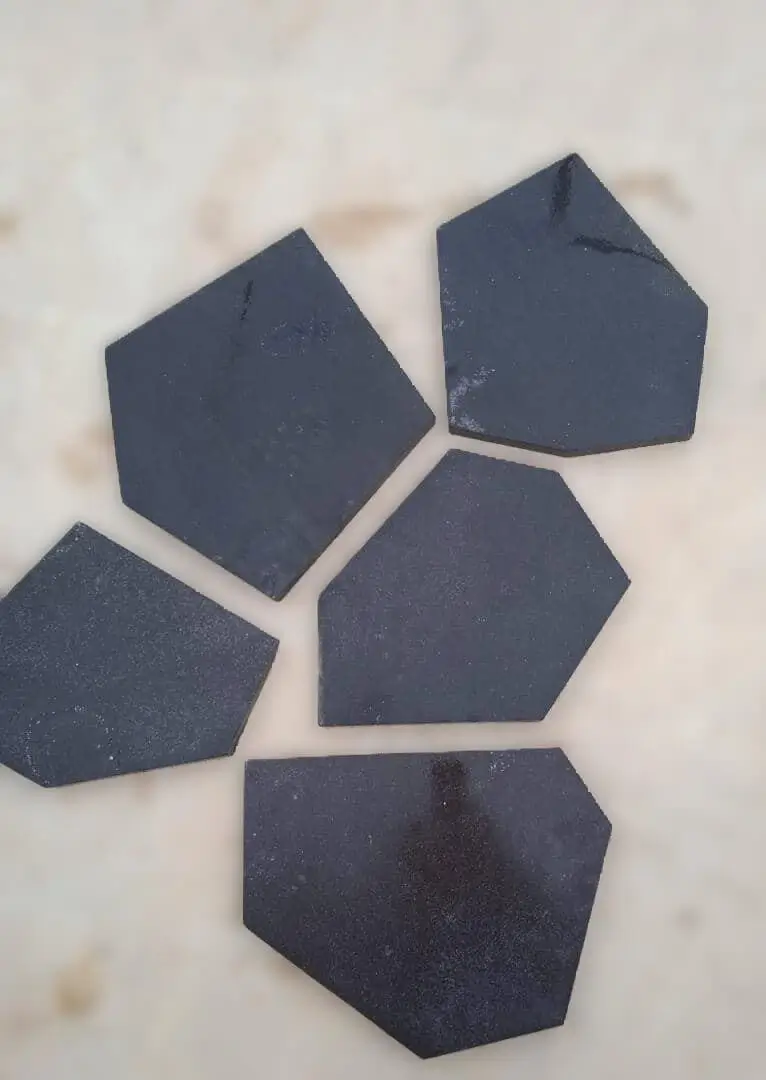
Seasonal Windows for Arizona Garden Floor Installation
Arizona’s seasonal patterns create three distinct installation periods, and each one carries different risks depending on your material choice. Understanding them isn’t about avoiding summer — it’s about scheduling around the specific failure modes each season triggers.
Fall and Winter: The Primary Installation Window
Your best installation window runs from November through February across most of Arizona’s lower elevations. Concrete performs acceptably here, but natural stone garden flooring actually performs better in this window because the cooler sub-base temperatures allow mortar to hydrate slowly and develop full bond strength. You’ll see adhesive manufacturers rate their thin-set mortars at 7-day cure periods — in January in Phoenix, that cure actually completes closer to 6 days. In July, the same mortar may technically set in 48 hours but achieves only 60–70% of rated bond strength due to accelerated dehydration.
Spring: The Narrow But Productive Shoulder Season
March through early May represents a productive window for stone — particularly for dry-set aggregate base installations where mortar isn’t a variable. Your risk in this period is afternoon wind and dust, which affects freshly screeded sand beds more than anything else. Schedule your screeding and stone setting for mornings, leave the compaction and joint sand work for the following day, and you’ll hit reliable results. Concrete installations in this window work but require wet burlap curing covers for the first 72 hours — most crews skip this step and absorb the surface crazing later.
Summer and Monsoon Season: What Actually Happens
From late May through September, concrete garden floor installation in Arizona is a gamble that experienced contractors increasingly decline. The issue isn’t ambient temperature alone — it’s the ground surface temperature, which regularly reaches 150–160°F on exposed sub-base material in full sun. Pouring concrete onto a sub-base that hot produces a differential cure rate between the bottom and top of the slab that no water-cement ratio can fully compensate for. Natural stone garden flooring set on a pre-wetted aggregate base in shaded morning conditions remains viable in this period, though adhesive manufacturers will direct you toward heat-resistant epoxy-modified mortars above 95°F ambient.
Comparing Material Performance in Desert Conditions
The garden flooring material comparison between stone and concrete for Arizona homeowners ultimately comes down to four performance variables: thermal expansion, surface temperature, drainage behavior, and maintenance frequency. Concrete and natural stone behave fundamentally differently across all four.
- Thermal expansion coefficient for concrete runs approximately 5.5 × 10⁻⁶ per °F — requiring control joints every 8–10 feet in Arizona conditions to prevent mid-slab cracking
- Natural stone expansion rates vary by type: limestone runs closer to 4.5 × 10⁻⁶ per °F, providing slightly more dimensional stability in extreme diurnal temperature swings
- Concrete surface temperatures in direct Arizona sun reach 155–165°F; lighter-toned natural stone surfaces in the same conditions average 15–25°F cooler due to higher solar reflectance
- Natural stone garden flooring in Arizona with properly maintained joints allows 30–40% faster surface drainage during monsoon events compared to concrete slabs with pooled joint failures
- Concrete typically requires resurfacing or replacement every 10–15 years in harsh desert conditions; quality natural stone maintains structural integrity for 25–35 years with biennial joint sand replenishment
According to Natural Stone Institute stone variety performance data, natural stone materials exhibit thermal and absorption characteristics that make them particularly suited to high-UV, high-heat outdoor applications — a property that translates directly into reduced surface maintenance cycles in Arizona garden environments. This garden flooring material comparison for AZ homeowners consistently returns the same conclusion: natural stone’s inherent physical properties reduce the frequency of intervention that desert conditions demand.
Natural Stone vs Porcelain in Arizona Gardens
The natural stone vs porcelain in Arizona gardens debate requires an honest acknowledgment of what porcelain does well before explaining where it falls short in desert conditions. Porcelain offers near-zero water absorption, which sounds ideal for outdoor use. The problem is that Arizona’s monsoon season introduces rapid thermal shock — surfaces that have spent August at 150°F get hit with 68°F rainwater in minutes. Porcelain’s low absorption doesn’t help when the failure mechanism is thermal differential cracking at the tile body level, not surface spalling.
Natural stone absorbs and releases thermal energy more gradually. Its interconnected pore structure allows minor moisture migration that actually buffers the thermal shock cycle. You’re not sealing against moisture entirely — you’re managing it with the stone’s natural behavior. The ASLA outdoor material selection guidance confirms that permeable and semi-permeable surface materials outperform impermeable alternatives in climates with significant thermal cycling, particularly in outdoor patio and garden floor applications. When natural stone vs porcelain in Arizona gardens is evaluated over a 15-year horizon, the thermal management properties of natural stone consistently extend service life in high-cycling desert environments.
Scheduling Morning Work and Adhesive Behavior
The practical scheduling reality for Arizona garden floor installation is that the morning window — roughly 6:00 AM to 11:00 AM — is where your quality control actually lives. Sub-base temperatures at 7:00 AM in July are 40°F cooler than at 2:00 PM. For mortar-set natural stone installations, that temperature differential changes your open time from approximately 25 minutes to under 10 minutes. Ten minutes of open time means smaller workable areas, more frequent mortar mixes, and higher labor cost — or rushed work and compromised coverage rates.
Plan your truck delivery schedules around this window as well. Stone delivered and off-loaded in the afternoon during summer months absorbs ambient heat from the truck bed and the ground surface — not enough to affect the material structurally, but enough to accelerate mortar skin over when setting. Request morning delivery windows specifically, and stage material in shaded areas before it’s needed. Citadel Stone can coordinate morning delivery scheduling from our Arizona warehouse to support this kind of sequencing, which makes a measurable difference in installation quality during the summer shoulder period.
- Request 6:00–8:00 AM mortar mixing and setting in summer months — afternoon work in exposed areas requires epoxy-modified mortars with extended open time
- Pre-wet aggregate base the evening before summer installations to reduce ground surface temperature by 20–30°F at the time of setting
- Shade newly set stone areas with temporary fabric covers for the first 4 hours in direct sun exposure conditions
- Stage stone pallets in shadow — not just out of direct sun, but shielded from radiant heat reflected off walls and fence surfaces
Flagstaff and Elevation Effects on Installation Timing
For projects at higher elevations, the timing equation inverts almost entirely. Flagstaff’s 6,900-foot elevation means freeze-thaw cycling is a real specification concern — one that reshapes your material selection logic compared to Tucson or the Valley. Natural stone garden flooring with an absorption rate above 7% needs thoughtful consideration here: limestone varieties in the 3–5% absorption range are appropriate, while higher-absorption travertine variants require sealing schedules that homeowners often don’t maintain consistently enough to protect against freeze spalling.
Concrete at elevation faces its own installation timing problems — freeze-thaw cycling on improperly cured slabs causes surface scaling that begins within the first winter. Your installation window at Flagstaff tightens to April through October for reliable concrete work, while mortar-set natural stone extends slightly into early November if overnight temperatures haven’t dropped below 35°F for sustained periods. The USGS dimension stone production data documents how stone’s natural formation process results in physical characteristics that support outdoor construction applications across diverse climate conditions — including freeze-thaw environments — when appropriate stone types are selected for the elevation and climate zone.
Brick Versus Stone Flooring for Arizona Outdoor Areas
Brick versus stone flooring for Arizona outdoor areas is a comparison that comes up frequently in older neighborhoods where brick patios are a legacy condition. Clay brick performs reasonably well in low-elevation desert conditions, but its absorption rate — typically 8–12% for common brick — creates a maintenance obligation in freeze-thaw zones and a sealing obligation in monsoon-exposed areas that natural stone doesn’t carry to the same degree. Brick also has a narrower installation window due to its sensitivity to curing moisture loss, similar to concrete.
The practical advantage of natural stone garden flooring over brick in Arizona is dimensional consistency. Brick manufacturing variation in Arizona’s market tends toward wider dimensional tolerances, which creates joint inconsistencies that become significant in 600+ square foot garden floor applications. Natural stone, particularly cut limestone and basalt formats, holds tighter dimensional tolerances that produce cleaner joint lines and more predictable installation rates. For Mesa and Scottsdale properties where outdoor living areas trend toward larger open-plan formats, that dimensional consistency translates directly into reduced installation labor hours. Brick versus stone flooring for Arizona outdoor areas ultimately resolves in favor of stone when project scale, long-term maintenance burden, and installation window flexibility are weighed together.
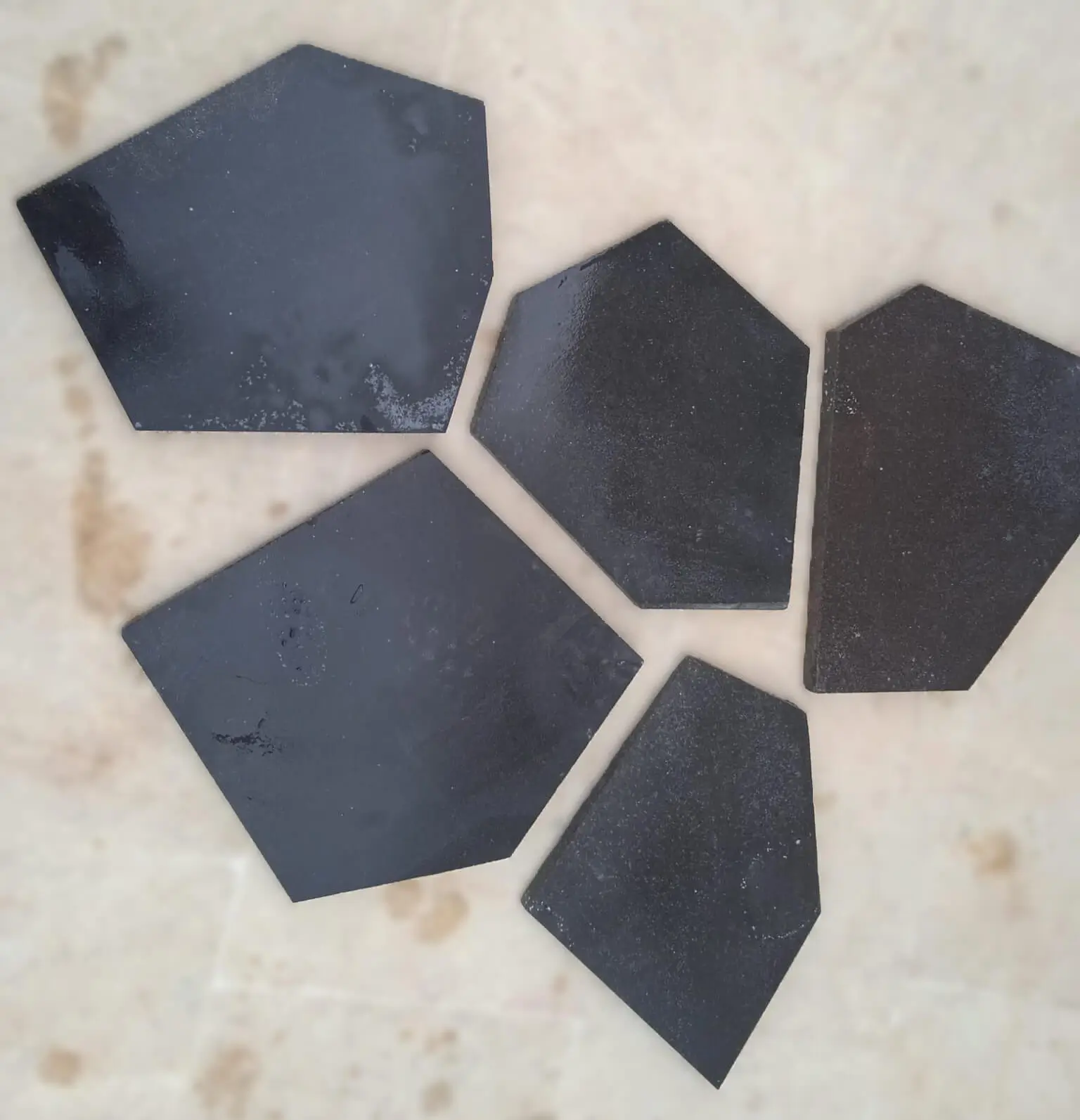
Base Preparation and Drainage Across Arizona Soil Types
Here’s what the material comparison guides consistently underweight: the sub-base is where Arizona garden floor installations succeed or fail, and it’s entirely independent of whether you chose stone or concrete on top. Expansive clay soils — common across the Phoenix metro and parts of Tucson’s basin — exhibit volumetric change of 3–7% between wet and dry states. A 100mm compacted aggregate base on clay soil without a geotextile separation layer will see sub-base migration within two monsoon seasons regardless of what you’ve installed on top of it.
For natural stone garden flooring, this means specifying a minimum 150mm compacted crushed granite base on identified clay sub-grades, with a 200g/m² non-woven geotextile at the soil interface. For concrete, the same base depth applies but the slab itself needs control joint spacing reduced from standard 12-foot recommendations to 8 feet in clay-soil zones — the sub-base movement transfers directly to the slab without the individual-unit relief that stone provides. For project planning purposes, verify warehouse availability of your chosen stone format before finalizing your base preparation schedule — lead times from the warehouse typically run 5–7 business days for standard stock formats, and aligning delivery with base cure time is worth scheduling deliberately.
- Clay soil sub-grades: 150mm minimum compacted crusher run aggregate, geotextile separation mandatory
- Sandy desert soils (common in low-elevation Scottsdale): 100mm aggregate base acceptable, but edge restraints are critical to prevent lateral migration
- Caliche layers: require mechanical breaking or drilling prior to base installation — attempting to compact over intact caliche creates a rigid sub-base that cracks when caliche shifts seasonally
- Drainage gradient: minimum 1.5% slope away from structures for all Arizona garden floor installations regardless of material choice
For a broader view of how natural stone performs across different Arizona outdoor applications, Citadel Stone garden floor materials Arizona provides detailed coverage of product selection for Arizona’s varied climate zones and project types.
Best Garden Floor Materials Across Arizona Landscapes
The best garden floor materials across Arizona landscapes aren’t determined by a single performance variable — they’re determined by the interaction of material properties, installation timing, and base system design working together. Concrete can be specified successfully in Arizona when the installation window is respected and the control joint pattern matches local soil and thermal conditions. The honest assessment is that fewer concrete installations meet those requirements than natural stone installations of equivalent scope, because the natural stone system has more built-in tolerance for the variables that inevitably drift during a real project.
Natural stone garden flooring in Arizona gives you more scheduling flexibility, better thermal performance at the surface level, and an individual-unit system that allows isolated repair rather than section replacement when damage occurs. The performance gap widens when you account for 15-year maintenance costs: concrete garden floors in Arizona typically require resurfacing, crack routing, or full replacement in that timeframe. Quality natural stone maintained with biennial joint replenishment and 3–5 year sealing cycles routinely extends past 25 years of serviceable life without structural intervention. When evaluating the best garden floor materials across Arizona landscapes, that maintenance cost differential becomes one of the most persuasive factors in favor of natural stone.
What Matters Most
Your material decision and your installation schedule are not separate choices — they’re the same decision expressed in two different forms. The homeowner who selects the right stone format and then installs it in the wrong seasonal window loses most of the performance advantage the material provides. Conversely, a well-timed installation of even a moderate-quality stone on a properly prepared base will outlast a premium concrete specification installed under adverse conditions.
Plan your project around Arizona’s seasonal installation calendar first, then select your material to match that window. For most Arizona locations below 5,000 feet, that means targeting the October–March primary window for mortar-set applications and using the April–May and September–October shoulder months for dry-set stone work where scheduling demands it. At Citadel Stone, we recommend confirming warehouse stock availability at least three weeks before your target installation date — particularly for larger-format stone that moves quickly in the fall construction season. Your project’s outdoor stone specification extends well beyond garden floors, and Arizona outdoor tile options by climate zone covers how Citadel Stone materials perform across the full range of Arizona’s regional conditions, including Tempe and the broader Valley market. Citadel Stone supplies natural stone garden flooring to projects in Flagstaff, Mesa, and Tempe, where homeowners frequently compare it against porcelain and brick options based on long-term surface integrity in desert conditions.