
The real differentiator between square block paving versus flagstone Arizona installations isn’t the material’s look — it’s how each format handles water. Arizona’s monsoon season delivers concentrated rainfall events that can dump two inches in under an hour, and the way your surface manages that sudden load determines whether you’re replacing material in year seven or still enjoying a clean, stable surface in year twenty-five. Before you commit to either format, understanding the drainage geometry of each option gives you the practical foundation everything else builds on.
How Each Format Handles Arizona’s Monsoon Events
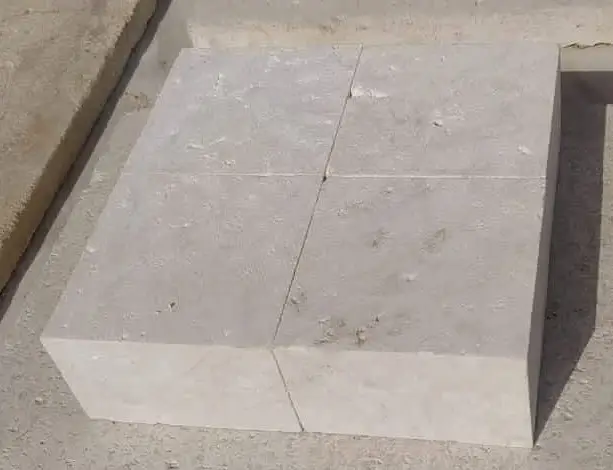
Square block paving creates a predictable grid of joints that, when filled with polymeric sand and laid on a properly sloped base, channels water toward designated drainage points with remarkable consistency. The uniform joint spacing — typically 1/8 to 3/16 inch — allows you to calculate total water passage per linear foot, which matters when you’re designing for Gilbert‘s intense summer storm events where sheet flow across impervious surfaces creates pooling within minutes. Flagstone, by contrast, produces irregular joint widths that range from near-zero to over half an inch, making precise drainage calculations nearly impossible and requiring more experienced installation crews to achieve consistent slope and runoff behavior.
The surface geometry of flagstone does offer one drainage advantage — the natural texture creates micro-channeling across the face of each piece, which assists with water dispersal on nearly-flat grades. But that benefit evaporates if the flagstone is set tight or if the irregular joints get filled solid. Your drainage plan for either format needs to account for base permeability just as much as surface joint design.
Base Preparation and Sub-Surface Drainage
Your base system does more drainage work than your surface joints — a fact that gets underappreciated until the first monsoon season reveals the mistake. For square block paving in Arizona conditions, a 4-inch compacted aggregate base over a 4-inch compacted sub-base is the starting point. In areas with expansive clay soils, which appear frequently across the Phoenix metro’s outlying zones, you’ll want to extend that to 6 inches of aggregate and include a geotextile separation layer to prevent clay migration into your drainage column over time.
- Compacted aggregate base minimum: 4 inches for pedestrian, 6 inches for vehicular square block paving
- Sub-base compaction target: 95% Proctor density to prevent differential settlement after storm saturation
- Drainage slope requirement: minimum 1.5% away from structures — 2% preferred for monsoon-volume areas
- Geotextile fabric: recommended wherever native soil contains more than 30% clay content
- French drain integration: necessary when grade constraints limit surface slope to less than 1%
Flagstone on a sand-set base is genuinely problematic in high-rainfall scenarios because the irregular piece sizes create differential settling after saturation events. Mortar-set flagstone over a concrete slab resolves the settlement issue but introduces a different challenge — if the slab lacks adequate weep holes or internal drainage, hydrostatic pressure can build beneath the stone and cause debonding over multiple wet-dry cycles.
Joint Performance Under Arizona Rainfall Conditions
Polymeric sand in square block paving joints activates with moisture, which creates a self-healing response during light rain events. That’s genuinely useful in Arizona’s dust-storm environment, where fine particulates constantly work into joints and displace sand. The joint system in a well-laid square block installation essentially maintains itself better than flagstone alternatives over time, particularly in Chandler‘s south-east valley conditions where blowing debris is a seasonal constant.
Here’s what most people miss when comparing paving stone formats in Arizona: the joint width uniformity in square block paving directly affects how quickly water clears the surface. Wider, irregular flagstone joints can temporarily hold standing water if the surrounding material is slightly higher than the joint — a common outcome when flagstone pieces vary in thickness. Square block paving with consistent 60mm thickness eliminates this variable entirely, and that thickness consistency is something you can verify before material leaves the warehouse.
- Polymeric sand joints resist insect nesting and weed growth better than open flagstone joints
- Joint reactivation after monsoon rain requires no maintenance — the polymer resets naturally
- Flagstone mortar joints crack at a higher rate under Arizona’s thermal cycling and require periodic re-pointing
- Open flagstone joints filled with decomposed granite drain well initially but migrate under repeated water flow
Surface Texture and Slip Resistance After Rain
Wet stone safety is a more serious concern in Arizona than many property owners realize. The combination of fine dust accumulation during dry periods and sudden monsoon rain creates a brief but genuinely slippery surface condition — the dust acts as a lubricant until it washes away. Square block paving with a split-face or sawn-and-tumbled finish maintains a consistent coefficient of friction (COF) across the surface, typically achieving a wet COF above 0.6, which meets or exceeds ANSI A326.3 recommendations for pedestrian surfaces.
Flagstone’s natural cleft surface generally performs well for slip resistance, but the surface variation means you can’t guarantee uniform COF across every piece. Some pieces may have smooth zones where the cleft ran thin, which creates localized slip risks in wet conditions. Evaluating block paving options for AZ outdoor areas like pool surrounds or entry areas in Peoria where water tracking is constant, square block paving’s predictable texture gives you more reliable safety performance than flagstone’s natural variation.
Thermal Expansion Behavior — A Supporting Factor
Arizona’s temperature swings do matter to long-term performance, even though drainage is the primary design driver. Square block paving allows you to spec expansion joints at calculated intervals — typically every 12 to 15 linear feet for large format stone in Arizona conditions — because the uniform piece geometry makes those calculations reliable. The thermal expansion coefficient for most natural stone used in square block formats runs between 3.5 and 5.5 × 10⁻⁶ per °F, which is manageable when your joint design accounts for it correctly.
- Flagstone’s irregular sizing makes expansion joint placement largely guesswork rather than calculated design
- Square block installations allow pre-cut expansion joints that align with the existing grid — visually clean and structurally sound
- Mortar-set flagstone accumulates thermal stress across the full slab area rather than dispersing it through individual joints
- Sand-set square block paving naturally accommodates minor thermal movement without visible joint gaps
The Arizona square stone paving surface comparison between these two formats requires you to think about how thermal movement interacts with your drainage plan. An installation that locks up tight under thermal expansion will also trap water at those same stress points — the two performance factors are linked at the base-preparation level.
Installation Precision and Long-Term Maintenance
Square block paving in Arizona rewards precision during installation more than flagstone does, but it also forgives certain field conditions that flagstone doesn’t. Consistent piece thickness means your screed depth is reliable across the full installation area, which directly supports your drainage slope. A screed set at 1-inch depth under square block paving will deliver that same slope geometry regardless of which piece gets placed — there’s no thickness sorting or shimming required.
Flagstone installation demands a skilled eye for thickness variation, and that skill is harder to find and more expensive when you find it. A rushed flagstone installation on a complex drainage plane produces uneven surfaces that trap water and debris, requiring ongoing maintenance that compounds over the life of the project. At Citadel Stone, we’ve seen the long-term results of both approaches across dozens of Arizona projects, and the square block format consistently delivers lower lifetime maintenance costs when drainage is the primary design concern.
- Re-leveling individual square block pieces after soil movement is straightforward and low-cost
- Flagstone re-leveling requires mortar removal, piece resetting, and color-matched re-pointing
- Surface cleaning after monsoon mud events is faster on square block’s uniform surface than flagstone’s variable texture
- Sealant application on square block paving requires less product per square foot than flagstone’s higher-absorption cleft surface
For a reliable starting point on material options and format selection, Citadel Stone paving formats for Arizona provides a current overview of available thicknesses, finishes, and technical specifications that apply directly to the drainage and base design considerations covered here.
Aesthetic Trade-Offs That Affect Practical Decisions
Flagstone versus square pavers across Arizona is partly an aesthetic choice, and it’s worth being honest about where each format genuinely excels visually. Flagstone delivers an organic, naturalistic appearance that integrates well with desert landscaping — the irregular shapes echo the geology of the surrounding landscape in a way that square formats don’t replicate. For properties with a Southwest or Territorial architectural style, flagstone can feel architecturally authentic in a way that grid-based square block paving doesn’t.
Square block paving’s clean geometry suits contemporary and transitional design languages that have become increasingly prevalent across the Phoenix metro. The precise lines complement modern water features, clean-edge planting beds, and architectural concrete elements. Your decision here should account for how the paving surface interacts with the overall property aesthetic — a material that’s technically superior but visually wrong for the architecture will feel like a compromise from day one.
Material Availability and Project Logistics
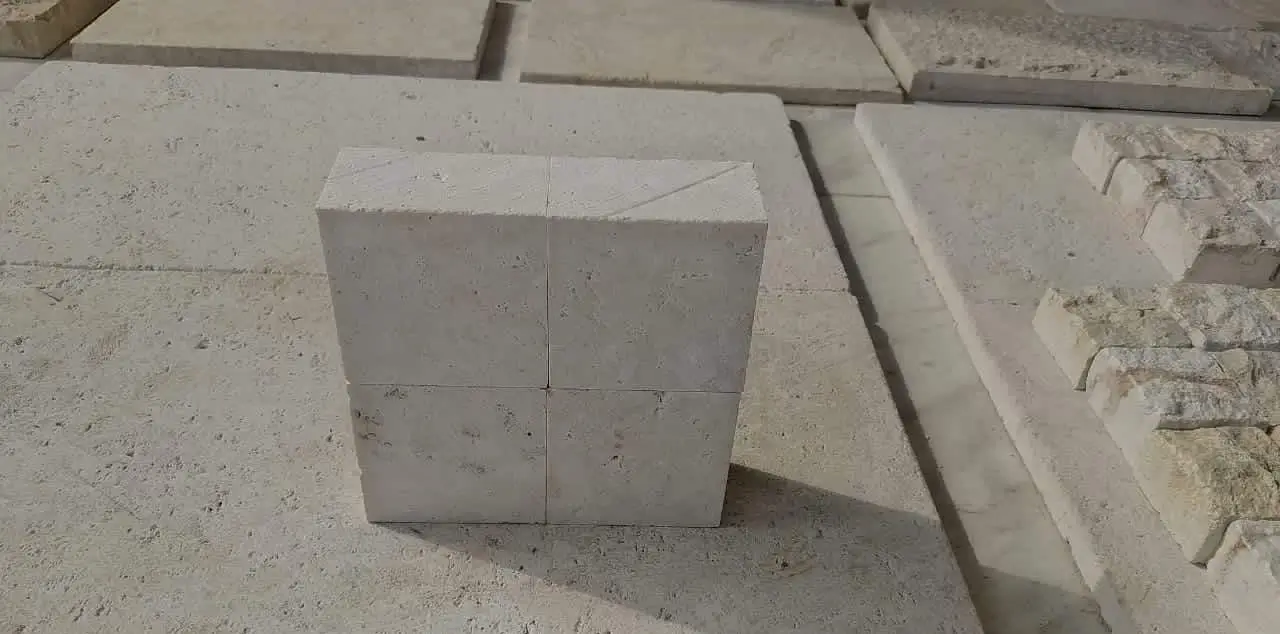
The square block paving versus flagstone Arizona decision doesn’t end at the job site — supply chain realities affect project timelines in ways that matter when you’re working around monsoon season. Square block paving in consistent formats ships and stores more efficiently than flagstone, which requires careful palletizing to prevent breakage of irregular pieces. Lead times from warehouse inventory for square block formats typically run one to two weeks for standard thicknesses, while custom-cut flagstone or specialty flagstone formats can extend to four to six weeks depending on quarry production schedules.
Truck delivery logistics also favor square block paving for larger projects. Palletized square block loads stack predictably, maximizing truck capacity and reducing per-square-foot delivery costs. Flagstone pallets, because of the irregular piece geometry, often run 15 to 20 percent lighter than their rated capacity — which means you may pay for more truck deliveries than a similarly-sized square block project requires. Plan your material ordering around Arizona’s monsoon window: aim to have all material on-site before July so installation can be timed to avoid the heaviest rainfall weeks.
Square Block Paving Versus Flagstone Arizona: Making the Right Call
The square block paving versus flagstone Arizona decision comes down to what your project demands most. If drainage precision, installation repeatability, and long-term maintenance predictability are your primary criteria — which they should be in monsoon-zone applications — square block paving delivers a stronger technical case across nearly every performance category. Flagstone earns its place when design authenticity and organic aesthetics are non-negotiable, but it requires a higher investment in skilled installation and ongoing maintenance to match the drainage performance that square block achieves more naturally.
Both formats can perform well in Arizona conditions when properly detailed, properly based, and properly maintained. The format that gets specified incorrectly — wrong base depth, inadequate slope, incompatible joint fill — will fail regardless of which material you chose. Your specification needs to start with the drainage plane and build the material selection around it, not the other way around. Budget planning is naturally the next step once your format is confirmed — Square Block Paving Cost in Arizona: A Local Guide covers current material and installation pricing that helps you build a realistic project budget from the start. For homeowners in Flagstaff, Tempe, and Yuma weighing square block paving against flagstone, Citadel Stone’s selection includes both formats cut to consistent thickness, allowing direct side-by-side evaluation of surface texture and joint spacing before purchase.