

Budgeting pool coping paver cost Arizona projects accurately means understanding that material pricing is only one layer of the total equation — and often not the most variable one. The schedule you choose for installation can shift your labor costs by 15–25%, affect adhesive performance, and determine whether your installer can safely work a full day or has to split sessions across early mornings and late afternoons. Arizona’s calendar creates real windows and real bottlenecks that every pool owner should understand before signing a contract.
Why Installation Timing Directly Affects Your Budget
The relationship between timing and cost isn’t abstract. Installers in Phoenix, Peoria, and surrounding markets apply labor surcharges during peak summer months — not because demand spikes, but because productive work hours compress dramatically. A crew that can put in eight hours of setting and grouting in March may only manage five usable hours in July before heat-related adhesive issues force a stop.
Polymer-modified thin-set and epoxy-based bedding mortars have specific pot-life windows that shrink fast when substrate temperatures exceed 110°F. Your installer won’t tell you the material “failed” — they’ll just charge more to account for the waste, the rework, and the slower pace. Understanding this dynamic upfront helps you schedule smarter and protect your pool coping paver cost Arizona estimate from ballooning after the work begins.
- March through mid-May offers the widest daily work window — typically 7 a.m. to 4 p.m. with consistent adhesive performance
- October through November is the second optimal window, with similar temperature profiles and lower contractor backlog
- Mid-June through September requires split-shift scheduling, morning-only adhesive work, and often a 20–30% labor premium
- December and January carry low heat risk but occasional cold snaps below 50°F can slow curing on moisture-sensitive settings
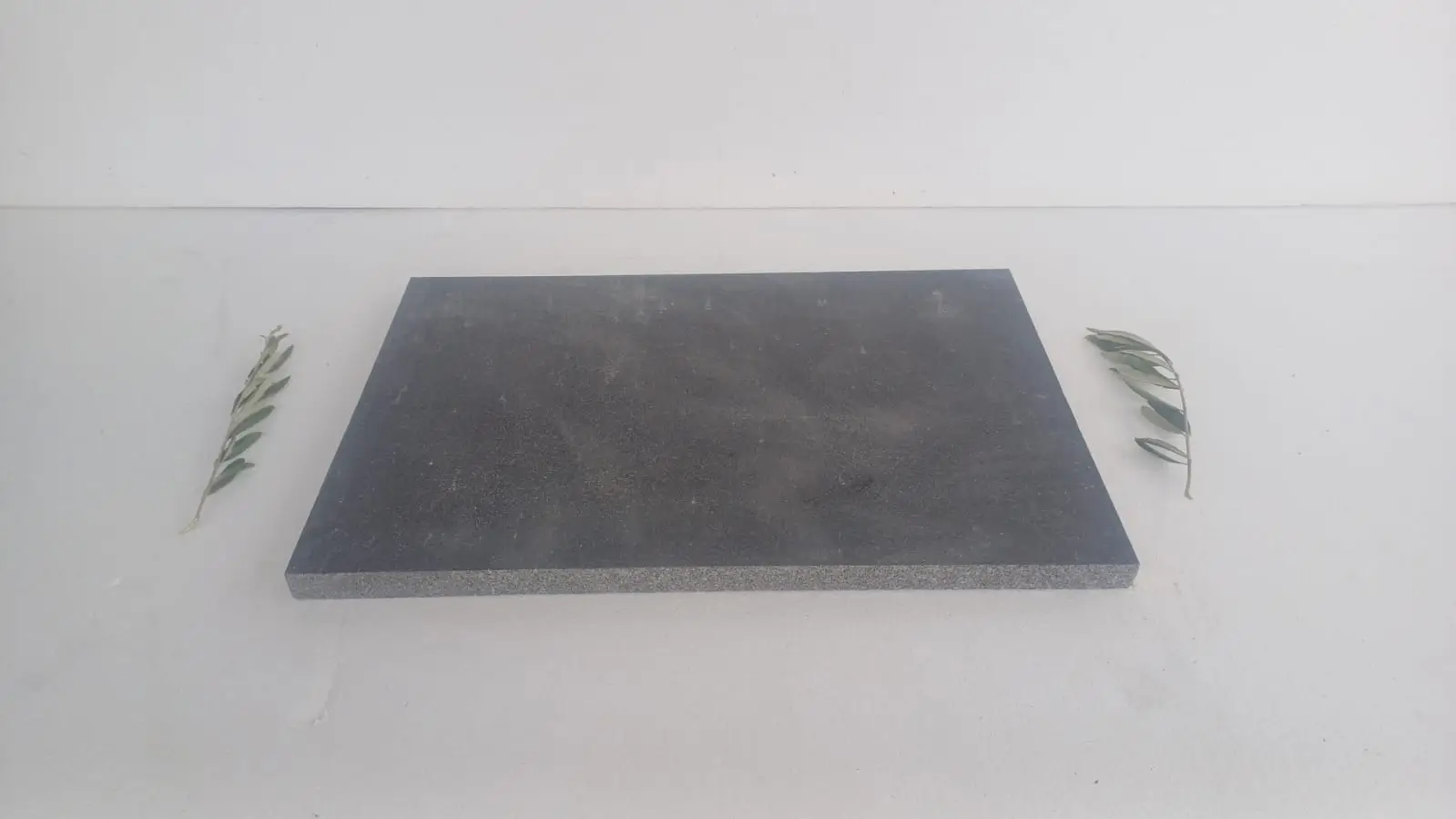
Pool Coping Material Cost Breakdown by Type
Pool coping material pricing in Arizona varies more than most homeowners expect, even within the same material category. Grade, finish, thickness, and profile all affect price — and Arizona’s market adds a sourcing layer that matters when you’re budgeting for delivery.
Travertine Coping: The Mid-Range Standard
Tumbled travertine remains the most common choice in the Phoenix metro and surrounding suburbs. Material costs typically run $4.50–$8.00 per linear foot for standard 12×6 coping pieces, with bullnose profiles adding $1.00–$2.00 per foot. Honed finishes command a slight premium but perform better under Arizona UV without the thermal shock risk that polished surfaces can exhibit after years of pool chemistry exposure.
For Peoria installations where pool surrounds frequently include large contiguous deck areas, pricing out travertine coping alongside the deck material from the same batch matters — color variation between shipments is real, and sourcing both from the same warehouse pull eliminates that risk.
Limestone Coping: Premium Performance at a Price
Limestone coping in Arizona pools sits in the $7.00–$14.00 per linear foot range for material alone, depending on origin and density. The density specification matters here — you want a minimum 2.3 g/cm³ for pool edge applications where freeze-thaw isn’t a concern, but absorption rates below 3% are worth specifying to limit pool chemical penetration over time. Lower-density limestone cuts costs upfront but absorbs pool water chemistry into the stone matrix, leading to surface spalling and staining within 5–8 years. For homeowners comparing pool coping material pricing in Arizona across stone types, limestone’s performance longevity often justifies the higher per-foot entry cost when maintenance cycles are factored in.
Quartzite and Basalt Coping Options
Quartzite coping typically runs $9.00–$16.00 per linear foot and offers exceptional hardness — Mohs 7, compared to travertine at 3–4 — which makes it highly resistant to water to pool chemical absorption. Basalt coping sits in a similar price band and handles thermal mass well, though its darker color profiles mean surface temperatures run hotter than lighter alternatives. For homeowners in Tempe focused on barefoot comfort, lighter travertine or limestone options consistently outperform basalt on surface temperature, even when the basalt’s structural specs are superior.
Understanding the Full Arizona Pool Coping Project Cost Breakdown
Material cost is usually 35–50% of total installed cost for pool coping in Arizona. The remainder breaks into base preparation, labor, adhesive and grout materials, sealing, and sometimes structural work at the bond beam. Your Arizona pool coping project cost breakdown should include all of these line items before you accept a bid.
- Base prep and bond beam inspection: $200–$600 depending on existing condition and pool age
- Adhesive and bedding materials: $0.80–$1.50 per linear foot
- Labor for setting and jointing: $8–$18 per linear foot depending on season and profile complexity
- Grout and joint material: $0.50–$1.00 per linear foot
- Penetrating sealer application: $1.00–$2.50 per linear foot for first coat
- Delivery and handling: $150–$400 depending on truck access and site conditions
The variance in those labor numbers is mostly timing-driven. Schedule in March and your installer works efficiently through a full day. Schedule in August and that same installer runs a 5-hour morning window, loses the afternoon to substrate temperatures, and may return the next morning to finish — adding mobilization time and cost to your project.
Seasonal Scheduling: Building a Cost-Effective Installation Plan
The optimal window for pool coping installation in Arizona isn’t just about comfort — it’s about adhesive chemistry and curing physics. Standard polymer-modified thin-set requires substrate temperatures between 40°F and 95°F for reliable open time and bond strength. Arizona’s concrete pool decks and bond beams regularly hit 120–130°F by 10 a.m. in summer, which means you’re outside the adhesive manufacturer’s rated performance window before the crew finishes their second row.
Scheduling your installation for late September through early November gives you the best combination: substrate temperatures that drop into the 75–90°F range by 8 a.m., full-day work windows, and contractor availability that’s typically easier to negotiate. This is also when material availability from the warehouse tends to be stronger — summer installations draw down stock, and fall replenishment cycles mean you’re more likely to get your preferred profile and finish without waiting on a truck shipment.
- Target substrate temperature below 95°F at start of work — measure it, don’t estimate it
- Morning work windows starting at 6–7 a.m. preserve the best adhesive performance in spring and fall
- In summer months, shading the bond beam the day before installation with plywood or tarps can drop substrate temp by 15–20°F
- Avoid scheduling on days where afternoon thunderstorms are forecast — monsoon moisture hitting freshly set stone disrupts curing
- Allow 72-hour cure time minimum before pool fill, extended to 96 hours in hot conditions
When budgeting for pool edge pavers AZ projects that span large perimeters — 150+ linear feet — splitting the work across two cool-season sessions sometimes makes more sense than pushing through in one summer installation. The cost savings on labor efficiency typically offset the second mobilization fee.
Thickness Specifications and Their Cost Implications
Standard pool coping for residential Arizona installations runs 1.25 inches to 2 inches nominal thickness. At Phoenix elevations (around 1,100 feet), freeze-thaw isn’t a structural concern the way it is at 5,000+ feet — so the thickness spec here is driven primarily by point load resistance, cantilevered overhang requirements, and the material’s own weight distribution across the bond beam.
Thicker coping — 2 inches — costs more per piece and adds freight weight, which can affect your truck delivery cost on larger orders. But thinner coping at 1.25 inches requires more precise bond beam leveling, and if your existing bond beam has any undulation, you’ll be looking at either grinding or additional build-up mortar, both of which add labor cost that erases the material savings.
- 1.25-inch coping: lower material cost, but requires flatter bond beam (tolerance ±1/8 inch)
- 1.5-inch nominal: the most commonly specified thickness for standard residential pools in Arizona
- 2-inch coping: handles more bond beam irregularity, better for older pools with worn edges
- Cantilevered profiles extending more than 1.5 inches beyond the pool wall require 1.75-inch minimum thickness for structural integrity
At Citadel Stone, we stock the most common profiles in 1.5-inch and 2-inch thicknesses for Arizona pool coping, and our technical team can advise on which thickness works best for your specific bond beam condition before you finalize your material order.
Affordable Coping Paver Options Across Arizona Without Sacrificing Performance
The most common mistake homeowners make when looking for affordable coping paver options across Arizona is optimizing on price-per-linear-foot for material while ignoring installation-season timing. Saving $2 per foot on a lower-grade travertine and then scheduling in July can cost more than the savings in labor premium alone — before accounting for any rework from adhesive issues.
A more effective cost strategy targets mid-grade pool coping pavers in Arizona with a fall installation schedule. Mid-grade travertine in the $5.50–$7.00 per linear foot range, installed in October with a full-day crew, consistently delivers better value than premium stone installed in summer conditions with a compressed work window. The material quality difference between mid-grade and premium travertine is real but modest in pool coping applications — the performance gap between a summer and fall installation schedule is often larger than the material grade gap.
For current material options and real-time inventory, Citadel Stone coping paver pricing Arizona shows available profiles, finishes, and thickness options with pricing that reflects our direct warehouse sourcing rather than intermediary markups.
Sealing Costs and Long-Term Maintenance Budget
Your initial installation cost is only the first entry in a longer budget. Pool coping in Arizona faces a specific combination of UV intensity, pool chemical splash, and thermal cycling that makes sealing non-negotiable — but the sealing schedule and product choice create a cost line that varies significantly.
Penetrating silane-siloxane sealers are the standard for most natural stone pool coping in Arizona. These soak into the stone matrix, don’t alter appearance significantly, and typically last 3–5 years before reapplication. Expect to budget $150–$350 for professional resealing on a standard residential pool perimeter, depending on linear footage and accessibility. Film-forming sealers cost less initially but degrade faster under Arizona UV and pool chemistry, often requiring attention every 18–24 months — which makes them more expensive over a 10-year horizon. Factoring sealing cycles into your Arizona pool coping project cost breakdown from the start prevents budget surprises down the road.
- Penetrating sealer: $1.00–$2.50 per linear foot for professional application, 3–5 year cycle
- Film-forming sealer: $0.60–$1.20 per linear foot, but 18–24 month cycle reduces long-term value
- DIY sealing is feasible for homeowners comfortable with the process — material cost alone runs $80–$150 for standard perimeters
- Skipping sealer entirely shortens serviceable life by 40–60% in pool chemical environments
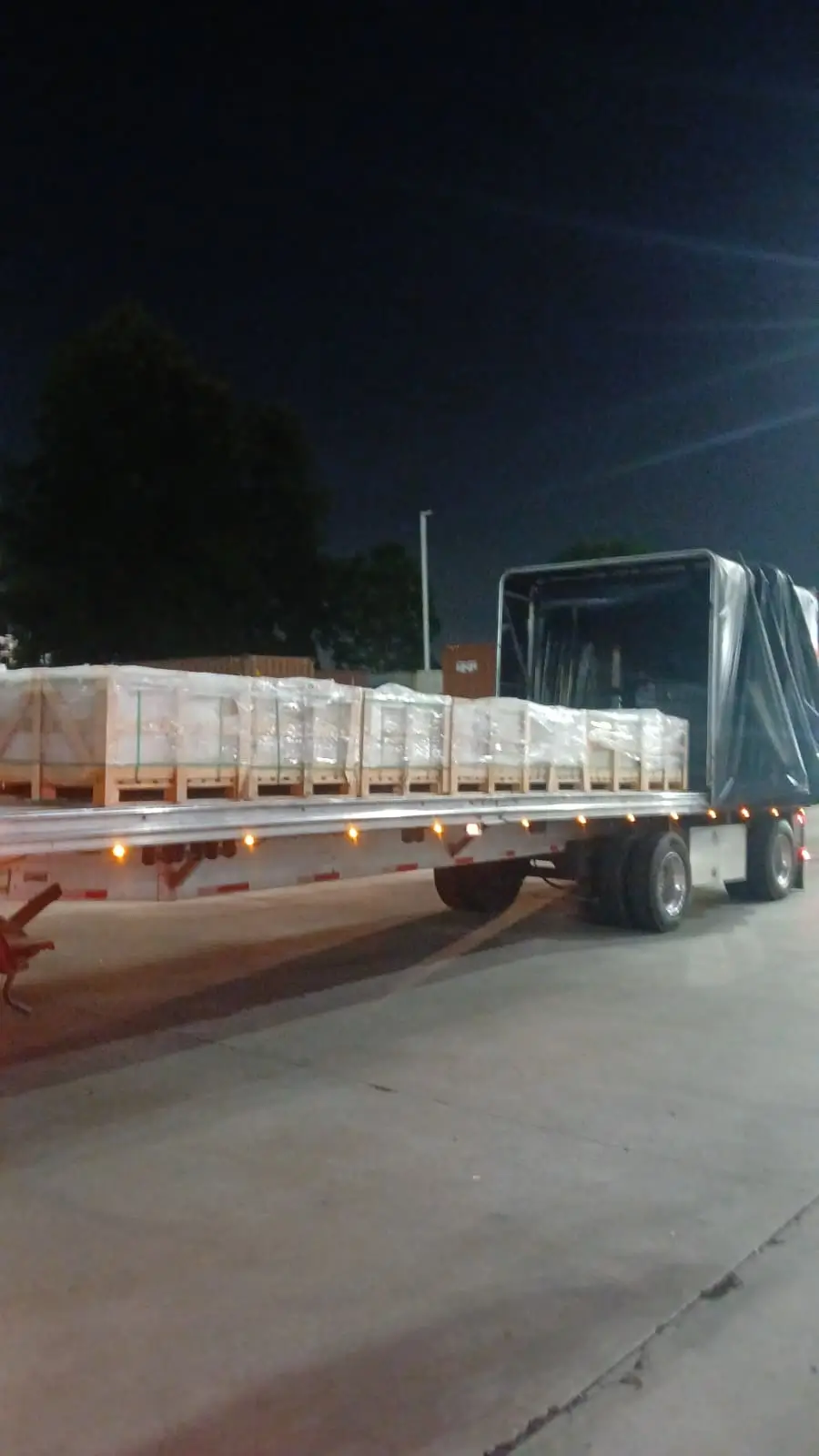
Delivery Logistics and Lead Times in the Arizona Market
Lead time is a cost factor that most homeowners don’t account for until it delays a project. Natural stone pool coping imported directly from quarries can carry 6–8 week lead times, which means a project planned for October needs materials ordered no later than mid-August — still summer, still hot, but the material needs to be en route while your installation window is still in the future.
Citadel Stone maintains warehouse inventory in Arizona that significantly reduces lead times for standard profiles — typically 1–2 weeks from order to delivery rather than 6–8 weeks on import cycles. Your truck delivery logistics matter too: pool decks with limited access, narrow gates, or elevated approaches may require smaller delivery vehicles, which can increase freight cost by $75–$150 compared to standard pallet truck delivery to a street-accessible site.
- Verify warehouse stock availability before locking in your installation date — profile changes late in the process affect scheduling
- Measure your site access accurately: standard pallet trucks need a minimum 10-foot clearance width and no grade changes steeper than 8%
- Order 10–15% overage for pool coping to account for cuts, profile matching at corners, and any replacements needed during installation
- Confirm material delivery 48–72 hours before installation to allow time for any last-minute logistics adjustments
What to Confirm Before Signing a Pool Coping Paver Cost Arizona Contract
Getting your pool coping paver cost Arizona estimate right means thinking about the project as a system — material grade, installation season, base condition, sealing schedule, and delivery logistics all interact. The biggest cost surprises come from installers who bid low for summer work without disclosing the productivity constraints, or from homeowners who optimize on material price alone and end up with a spring installation delayed because the preferred profile was out of stock.
Your best budget protection is understanding these variables before contracts are signed, not after the crew shows up in August with adhesive that starts skinning over before the second row is set. Reviewing your complete Arizona pool coping project cost breakdown — including sealing, delivery, and seasonal labor adjustments — with your installer before work begins is the single most effective step toward keeping the final invoice close to the original estimate. Once you’ve locked in your material selection and installation window, the next step is understanding exactly how the work gets done — How to Install Pool Pavers in Arizona: Step-by-Step Guide walks through the full installation sequence so you know what to expect at each phase of the project. Citadel Stone offers pool coping pavers in multiple grade levels, helping buyers in Tucson, Flagstaff, and Gilbert match project budgets without reducing the material density needed for Arizona pool surrounds.