
Code Compliance Comes First in Arizona Square Slab Installations
Maintaining square paving slabs in Arizona climate conditions starts well before the first slab hits the ground — it starts with your permit drawings and base specification. The Arizona Department of Transportation and local municipalities enforce base depth and edge restraint requirements that directly affect long-term maintenance outcomes. Get the structural foundation wrong, and no amount of cleaning or sealing will prevent premature failure.
Arizona’s residential and commercial paving codes require compacted aggregate base depths ranging from 4 inches in stable sandy loam to 8 inches or more in expansive clay soils. Your jurisdiction will specify minimum base depth, and in most cases the code sets a floor — actual soil conditions often demand you exceed it. Edge restraint requirements, typically aluminum or plastic banding anchored at 12-inch intervals, are mandatory under most county codes and prevent lateral migration that causes slab separation over time.
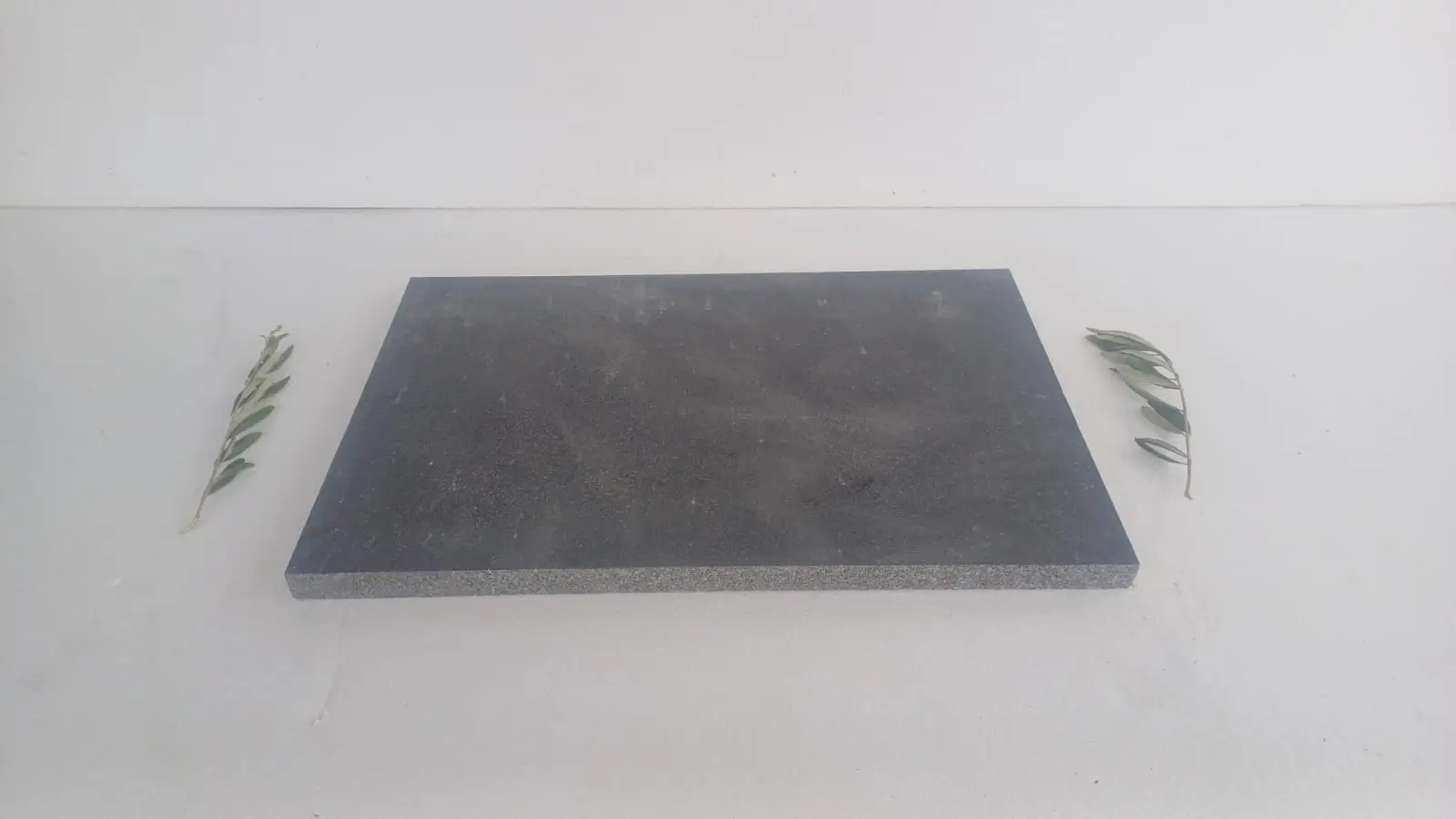
Base Depth and Structural Requirements Across Arizona
The structural requirements for maintaining square paving slabs in Arizona climate zones vary considerably by elevation and soil classification. In the low desert valleys, expansive soils present a greater structural threat than temperature swings. Expansive soil conditions, classified under IBC Section 1803.5.3, can generate uplift pressures exceeding 2,000 PSF — enough to displace a 2-inch slab without proper base compaction and drainage geometry.
- Minimum 4-inch compacted Class II base in stable sandy soils below 2,000 feet elevation
- Minimum 6-inch base in clay-dominant soils — verified by Plasticity Index testing before specification
- Slab thickness of 1.5 to 2 inches for pedestrian loads, 2.5 inches or greater for vehicular applications per IBC load tables
- Expansion joints every 10 to 15 linear feet — tighter than generic national guidelines due to Arizona’s thermal cycling range
- Edge restraints anchored to stable sub-base, not just bedding sand, to meet lateral load requirements
In Scottsdale, commercial projects along mixed-use corridors frequently require engineered base plans stamped by a licensed PE — even for pedestrian hardscape. This isn’t bureaucratic excess; it’s a response to decades of documented slab displacement in areas where caliche layers create false compaction readings during initial testing.
Seismic Considerations and Soil Movement in Arizona
Arizona sits within Seismic Design Category B for most populated areas, which doesn’t typically mandate special base treatment for surface paving — but it does influence how your jointing system should be detailed. The bigger seismic concern in large format stone work is differential settlement across joint lines, which can create trip hazards that trigger ADA compliance issues and liability exposure.
Your bedding sand layer plays a structural role here that’s often underestimated. A 1-inch nominal bedding sand layer of ASTM C33 washed concrete sand provides the micro-adjustment capacity that keeps 24×24 and larger square slabs from rocking after minor soil movement. Using masonry sand or manufactured sand with angular fines will lock the slab in place initially but provides no redistribution capacity when the sub-base settles unevenly.
- ASTM C33 washed concrete sand at 1-inch nominal depth — never exceed 1.5 inches or you lose compaction stability
- Polymeric joint sand at 1/16 to 3/8 inch joint widths — the joint width drives the product selection, not preference
- Sub-base plate compaction to 95% Proctor density before bedding sand placement — verified with nuclear gauge or sand cone test
- Geotextile separation fabric between native soil and aggregate base in clay-heavy profiles — prevents base contamination over time
Freeze-Thaw Maintenance Protocol for Higher Elevation Projects
Projects above 5,000 feet face maintenance demands that low-desert installations never encounter. Flagstaff receives an average of 100 or more frost days annually, which fundamentally changes your square slab care tips in Arizona when applied to northern Arizona properties. Water infiltration that sits in bedding sand or sub-base joints will expand approximately 9% during freeze cycles — enough to lift slab edges by 3 to 6 millimeters over a single winter if drainage is inadequate.
The maintenance protocol for freeze-thaw exposure is straightforward but unforgiving if skipped. Inspect and refill polymeric joint sand every fall before the first frost event. Joint sand that has eroded to 50% capacity or below allows water infiltration deep enough to reach the bedding layer — and that’s where freeze damage originates. Surface sealing matters less than joint integrity in freeze-thaw zones. These square slab care tips in Arizona apply most urgently at elevations where freeze cycles repeat dozens of times each winter.
- Inspect joint sand depth in September — refill any joints at less than 75% capacity before October
- Apply a penetrating silane-siloxane sealer rated for freeze-thaw cycles (ASTM C672 tested) — not a surface film sealer
- Clear standing water from slab surfaces within 24 hours of heavy snowfall to prevent ice lens formation at slab edges
- Avoid de-icing salts entirely — sodium chloride and calcium chloride both accelerate spalling in natural stone over multiple seasons
Sealing Schedules Under Arizona’s UV Load
Desert paving slab upkeep AZ property owners rely on requires understanding that ultraviolet degradation in Arizona operates at a different intensity than most sealer manufacturer test conditions — which are typically calibrated for mid-Atlantic or Pacific Northwest climates. Arizona receives 299 to 330 days of sunshine annually, and UV index levels above 10 are routine from April through September. Most penetrating sealers rated for 3-year reapplication intervals will degrade to 50% effectiveness within 18 to 24 months in low desert conditions.
Better long-term results come from sealing on a performance-inspection cycle rather than a calendar cycle. The water bead test is your standard: pour 4 ounces of water on the slab surface. If it absorbs within 45 seconds rather than beading for 2 to 3 minutes, your sealer has degraded and reapplication is due regardless of when you last sealed. For large square paving slabs in Arizona, this test typically indicates resealing every 18 to 24 months in Maricopa County and every 24 to 36 months at higher elevations where UV intensity is slightly lower and temperatures are cooler.
For a detailed breakdown of material specifications and regional performance expectations, our Arizona square slab maintenance guide covers the product-specific sealing and care protocols that apply across Arizona’s elevation zones.
Cleaning Protocols Specific to Desert Conditions
Preserving large stone slabs across Arizona requires cleaning protocols designed around the region’s actual soiling profile — fine calcareous dust, efflorescence from alkaline groundwater, and iron oxide staining from irrigation water. These aren’t the same challenges you’d address in a humid climate, and generic cleaning guides will steer you wrong on chemistry selection.
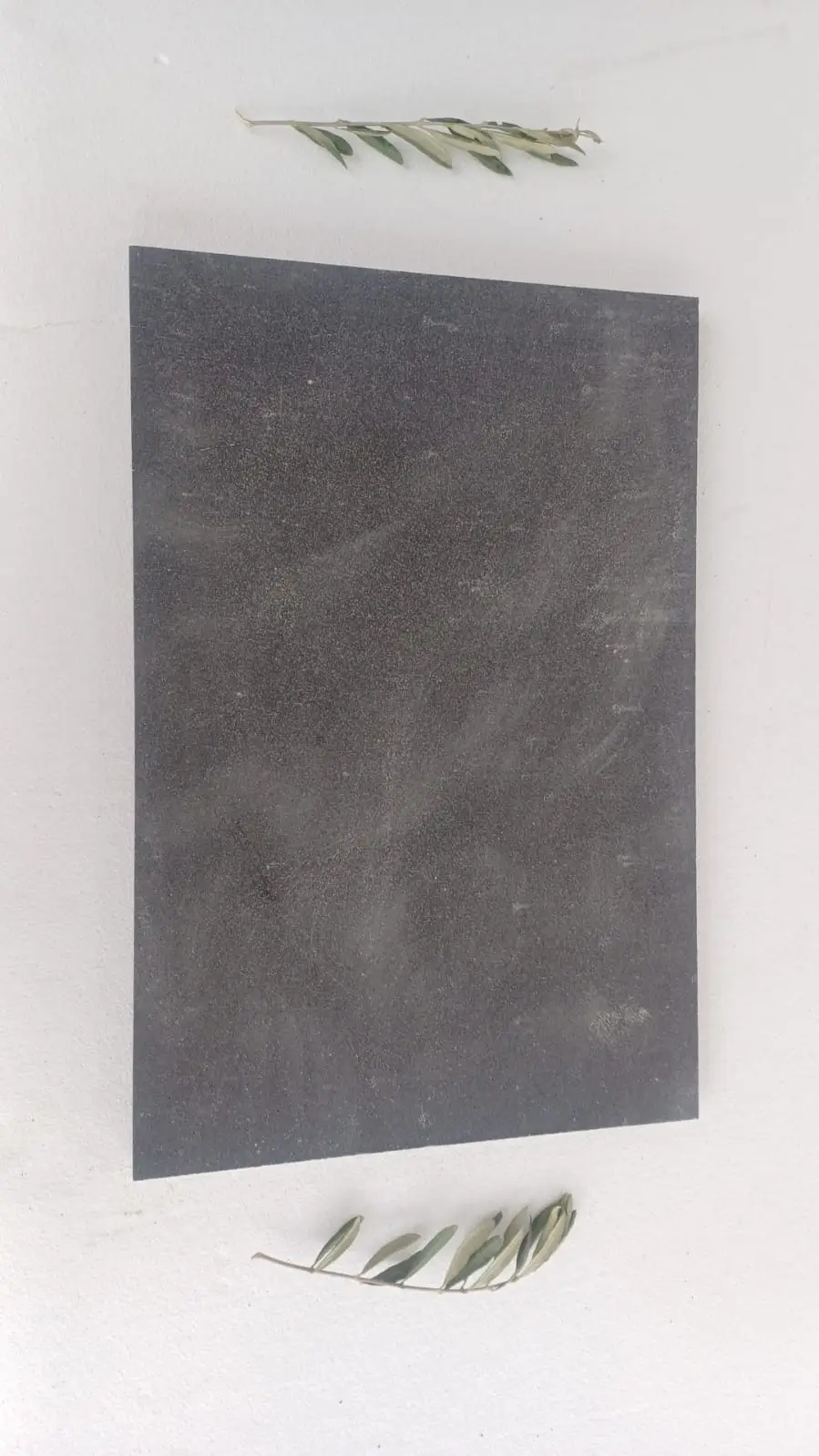
- Calcareous dust: brush removal followed by a pH-neutral cleaner at 1:10 dilution — acid cleaners will etch natural stone surfaces permanently
- Efflorescence: use a dilute phosphoric acid solution (5 to 10%) with a dwell time of 3 to 5 minutes, then neutralize with baking soda solution before rinsing
- Iron oxide staining from irrigation: oxalic acid-based poultice applied at 20% concentration, covered with plastic sheeting for 12 to 24 hours before removal
- Organic staining from pool chemicals or fertilizers: hydrogen peroxide at 12% concentration applied with an absorbent poultice material
- Pressure washing: maximum 1,200 PSI with a 25-degree fan tip — higher pressures erode joint sand and can open micro-fractures in softer stone varieties
At Citadel Stone, we recommend testing any cleaning chemistry on a spare slab or an inconspicuous edge before applying it to your main installation. Stone from different quarry seams can have variable mineral content that reacts differently to acid-based cleaners — a detail that only becomes apparent after the damage is done. Preserving large stone slabs across Arizona over the long term depends as much on correct chemistry selection as it does on application frequency.
Arizona Monsoon-Season Paving Slab Maintenance Guide
The Arizona monsoon season, typically running from mid-June through September, delivers 40 to 60% of annual precipitation in short, intense bursts. Your drainage geometry matters more during this period than at any other time of year. A 24×24 square slab installation covering 500 square feet will shed approximately 300 gallons of water during a 1-inch rainfall event — all of it looking for the path of least resistance through your joint system or around your edge restraints.
Following a sound Arizona monsoon-season paving slab maintenance guide is essential for installations on any gradient. In Sedona, where red rock runoff compounds with monsoon intensity, slab installations on even slight slopes need positive drainage confirmed at installation and re-verified every two to three years. Sediment deposition from sheet flow can gradually reduce your slab cross-slope from 2% to near-zero over several seasons, creating ponding conditions that accelerate efflorescence and joint sand erosion simultaneously.
- Verify minimum 2% cross-slope on all slab fields before monsoon season — use a 4-foot level and measure the drop at each end
- Clear drain inlets and channel drains adjacent to slab perimeters before June — monsoon flows carry debris that blocks drainage within the first storm event
- Inspect edge restraint anchors after any storm exceeding 1 inch of rainfall — anchor pullout under saturated soil conditions is more common than most installers acknowledge
- Check joint sand for washout within one week of a significant storm — partial joint erosion left unaddressed leads to slab rocking and edge chipping
Ordering, Warehouse Logistics, and Project Timing
Practical maintenance planning for large square paving slabs in Arizona means keeping replacement inventory accessible. Slab discontinuation is a real risk for imported materials — quarry production runs change, and matching a 5-year-old installation with new material can be impossible if your supplier doesn’t maintain consistent warehouse stock. Citadel Stone maintains regional warehouse inventory in Arizona, which reduces truck delivery lead times to approximately 1 to 2 weeks for in-stock items, compared to the 6 to 8 week import cycle that catches most repair projects off schedule.
Project planning should account for truck access and delivery logistics well before you finalize your maintenance contract or repair scope. Large format slabs in the 24×24 to 36×36 inch range ship on pallets that require a standard flatbed truck with boom or forklift offload capability. Residential driveways and backyard access paths frequently have clearance or weight restrictions that your delivery driver will need to evaluate before committing to a curbside versus driveway drop. Confirming truck dimensions and warehouse availability in the same call prevents the most common scheduling failures on Arizona repair projects.
- Order 5 to 10% overage for any new installation — this becomes your maintenance stock for chipped or stained slab replacement
- Store spare slabs flat, on a level surface, protected from direct UV and moisture infiltration at slab edges
- Confirm truck access dimensions with your supplier before scheduling delivery — standard flatbeds are 8.5 feet wide and 13.5 feet tall at full pallet height
- Verify warehouse stock availability 4 to 6 weeks before your planned maintenance window to avoid project delays
Annual Maintenance Priorities for Arizona Square Slab Installations
Maintaining square paving slabs in Arizona climate conditions is ultimately a code-compliance and structural discipline first, and a cleaning and sealing routine second. The installations that fail within 10 years almost always trace the problem back to base preparation that didn’t meet code minimums, joint systems that weren’t matched to the actual thermal range, or drainage geometry that was never verified after the first monsoon season. Get those structural fundamentals right, and your regular maintenance tasks become straightforward and predictable.
Budget time for your annual inspection — joint sand, edge restraint anchors, cross-slope verification, and sealer performance — and address minor issues before they compound. A $150 joint sand refill in October is a fraction of the cost of slab releveling after a freeze-thaw winter or a monsoon that found your drainage path compromised. Desert paving slab upkeep AZ property owners rely on most is the kind that catches small problems before a single season turns them into full-panel replacements. For a full picture of your investment before and after installation, Large Square Paving Slab Cost in Arizona provides the pricing context that helps you plan both your initial project and your ongoing maintenance budget realistically. Property owners in Phoenix, Mesa, and Peoria have found that Citadel Stone large square paving slabs with a honed finish typically require less frequent resealing than more porous surface alternatives in Arizona’s UV-heavy climate.