
Ground conditions in Arizona dictate large square paving slab cost in Arizona far more than most homeowners or contractors anticipate when they pull their first budget numbers. The soil profile beneath your slab installation — whether you’re dealing with expansive caliche, silty desert loam, or the decomposed granite common to the Sonoran Basin — directly determines how much base preparation work stands between you and a stable, long-lasting installation. Skipping that analysis at the estimate stage is where Arizona projects consistently blow their budgets.
Why Soil Conditions Drive Your True Cost
The surface price of a large format paver — typically ranging from $6 to $22 per square foot for natural stone in Arizona — represents only part of your real project expense. The ground beneath that slab is where your budget either holds or fractures. Arizona’s soil profile is notoriously variable, and the cost implications of that variability rarely appear in standard square footage quotes.
Caliche hardpan, found throughout the Phoenix metro and into the Tucson basin, is a calcium carbonate cementation layer that ranges from a few inches thick to several feet. It doesn’t compact further, it doesn’t drain, and it creates a perched water table that undermines slab stability over time. Breaking through caliche for proper base installation typically adds $1.50 to $4.00 per square foot to your project cost depending on layer depth and equipment required.
- Caliche excavation and haul-off can add 15–25% to your base preparation budget on affected sites
- Silty desert soils require minimum 4-inch compacted aggregate base, often 6 inches for slabs over 24×24 inches
- Expansive clay pockets — common in eastern Phoenix and parts of Tempe — demand geotextile fabric separation layers to prevent base migration under thermal cycling
- Decomposed granite subgrades are favorable but still require moisture testing before compaction — dry DG compacts poorly and shifts seasonally
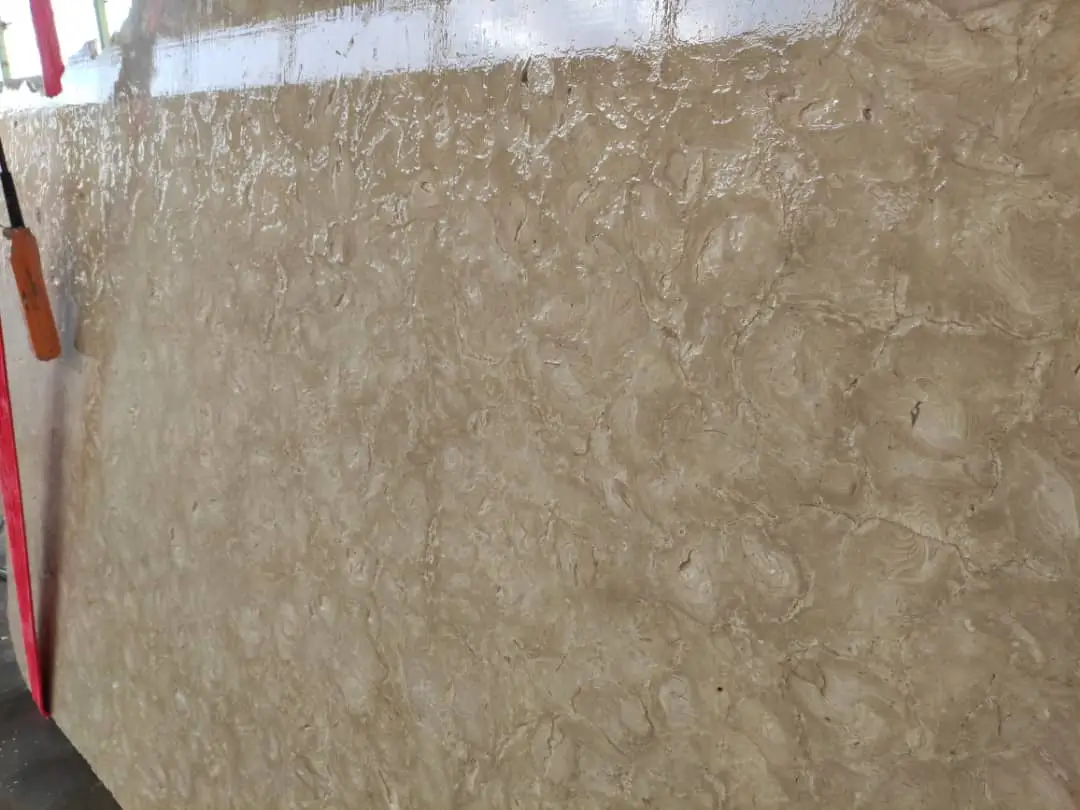
Square Stone Slab Pricing in Arizona by Material Type
Material selection for large format paving slabs breaks into three cost tiers in the Arizona market, and understanding where each stone sits relative to your soil conditions matters as much as the unit price itself. Square stone slab pricing in Arizona varies significantly across material categories, and aligning that pricing with your ground conditions is the step most budget worksheets omit.
Travertine in 24×24 or 24×48 formats runs $8 to $14 per square foot for unfilled and $10 to $16 for filled and honed. It’s a strong performer in Arizona’s alkaline soil environment because its natural pH compatibility reduces chemical interaction at the base interface. Limestone large format slabs — a staple of outdoor square slab cost comparison across Arizona specifications — land in the $7 to $13 per square foot range, with tumbled finishes at the lower end and precision-cut thermal finishes at the upper. Basalt in large format runs $12 to $22, making it the premium tier, but its density (typically 160–175 lbs per cubic foot) means your base preparation needs to account for point load concentration at slab edges.
- Travertine 24×24: $8–$14/sq ft material cost, excellent thermal mass properties, requires sealing every 2–3 years in Arizona UV conditions
- Limestone 24×24 and larger: $7–$13/sq ft, naturally slip-resistant texture, performance varies with finish type
- Basalt 24×24 and 24×48: $12–$22/sq ft, highest density, superior compressive strength above 15,000 PSI
- Sandstone large format: $6–$10/sq ft, lower density means more forgiving on marginal base conditions but requires more frequent maintenance
For large square paving slabs in Arizona, thickness also creates meaningful price differentiation. Standard 1.25-inch slabs work well for pedestrian patios and pool decks on properly prepared bases. Step up to 1.5-inch or 2-inch nominal thickness for driveways or areas with vehicle crossover, and your material cost increases 20–35% but your base preparation requirements may actually decrease slightly because thicker slabs distribute load more evenly across imperfect subgrades.
Base Preparation Cost Breakdown for Arizona Projects
Here’s the line item breakdown that a paving slab budget guide AZ homeowners use should always include but frequently doesn’t. Base preparation in Arizona isn’t a standard line — it’s a site-specific variable that you need to investigate before committing to a project price.
Standard base preparation for large format slabs on favorable decomposed granite or sandy loam typically runs $3 to $5 per square foot installed. That covers excavation to 6–8 inches, aggregate haul-in and compaction, and plate compactor finishing. On caliche-heavy sites — common across the Salt River valley and much of Phoenix — that number climbs to $6 to $12 per square foot once you factor in equipment rental or subcontractor costs for breaking the hardpan layer.
- Standard excavation and 4-inch compacted base: $3.00–$5.00/sq ft
- Caliche breaking, excavation, and haul-off: $4.00–$8.00/sq ft additional
- Geotextile fabric separation layer: $0.35–$0.65/sq ft installed
- Sand setting bed (1 inch): $0.50–$0.85/sq ft
- Polymeric joint sand, large format joints: $0.40–$0.70/sq ft
Getting a soil probe or at minimum hand-augering the site to 18 inches before finalizing your base preparation budget is essential. A 200 sq ft patio that hits caliche at 6 inches can add $800 to $1,600 to your project with zero change in the slab specification. That’s the number most estimates miss because they’re built from per-square-foot averages rather than site-specific ground conditions.
Installation Labor Costs for Large Format Slabs
Labor for large square paving slab installation in Arizona runs $8 to $18 per square foot depending on slab size, pattern complexity, and site access constraints. The format variable matters considerably here — a 12×12 paver is a one-person lift, but a 24×48 slab at 2-inch thickness can weigh 180 to 220 pounds and requires two experienced installers minimum plus mechanical assistance on larger areas.
Site access conditions also affect labor cost in ways that don’t appear in standard square footage quotes. Truck delivery to a backyard with a narrow gate or limited staging area adds crane or conveyor time to the job. At Citadel Stone, we recommend confirming your truck access and staging dimensions before your material order is finalized — this detail prevents the last-minute logistics costs that inflate project budgets after materials are already on-site.
- Standard patio installation, 18×18 to 24×24 format: $8–$12/sq ft labor
- Large format 24×48 and above: $12–$18/sq ft labor due to handling requirements
- Pattern cutting surcharge (non-rectangular layouts): add $2–$4/sq ft
- Slope grading to achieve 1.5% drainage grade: $1.50–$3.00/sq ft additional if not included in base prep
Drainage slope is non-negotiable in Arizona’s caliche soil environment. Because caliche acts as a nearly impermeable barrier, surface water that doesn’t sheet-drain off your slab installation will pond at the perimeter and migrate laterally under the slab field. The result is progressive joint erosion and eventual slab settlement — typically showing up 18 to 36 months post-installation. Specifying a minimum 1.5% drainage grade on your project documents costs almost nothing upfront and saves significant remediation expense later.
Total Project Cost Ranges for Arizona Large Format Paving
Pulling together material, base preparation, and labor into a realistic outdoor square slab cost comparison across Arizona projects looks like this at current market pricing. These are installed cost ranges — everything from excavation through final joint sanding — not material-only prices.
- Entry-level sandstone or limestone, standard base, favorable soil: $18–$26/sq ft installed
- Mid-range travertine or limestone, standard to moderate base work: $24–$36/sq ft installed
- Premium basalt or specialty limestone, complex base or caliche present: $38–$55/sq ft installed
- Add 15–25% for projects requiring significant caliche remediation
- Add 10–15% for truck access constraints requiring mechanical material handling
These ranges reflect the Arizona large format paving slab expense breakdown across current labor and material markets. Treat the lower end of each tier as achievable on ideal sites with straightforward logistics, and the upper end as realistic on the variable ground conditions common to established neighborhoods in the Phoenix metro and Tucson basin.
Explore our large square paving slabs Arizona product range to compare stone types, finish options, and thickness specifications before finalizing your project budget — having the material spec nailed down first makes your contractor conversations significantly more productive.
Thickness Selection and Its Effect on Cost and Soil Performance
Thickness selection for large square paving slabs in Arizona isn’t just a structural decision — it’s also a ground condition management strategy. On sites with marginal subgrade quality, moving from 1.25-inch to 1.5-inch or 2-inch nominal thickness reduces flexural stress concentration enough to meaningfully extend slab life without requiring full-depth caliche remediation.
The cost-benefit analysis here is straightforward. Upgrading from 1.25-inch to 1.5-inch thickness typically adds $1.50 to $2.50 per square foot in material cost. On a site where full caliche remediation would cost $4 to $8 per square foot, the thickness upgrade becomes the more economical option if the base preparation can be reduced from a full 8-inch aggregate base to a 6-inch preparation. The slab carries more of the structural load rather than demanding perfect subgrade conditions — a practical trade-off that the Arizona large format paving slab expense breakdown supports across a range of project types.
- 1.25-inch nominal: standard pedestrian use, requires fully prepared base to 6–8 inches
- 1.5-inch nominal: preferred for Arizona projects with variable subgrade, reduces cracking risk at caliche interfaces
- 2-inch nominal: appropriate for vehicle crossover, heavy furniture, or sites where base depth is compromised by caliche obstruction
- Thickness above 2 inches: typically cost-prohibitive for residential applications, reserved for commercial or high-load specifications
Ordering Logistics, Lead Times, and Inventory Considerations
Project timing in Arizona runs against the calendar in ways that directly affect your large square paving slab cost. Summer installation windows — June through early September — create scheduling pressure that pushes labor rates upward when available crews are in high demand. Conversely, fall and winter installations in the Phoenix valley and Tucson area offer better contractor availability and sometimes 8–12% lower labor pricing.
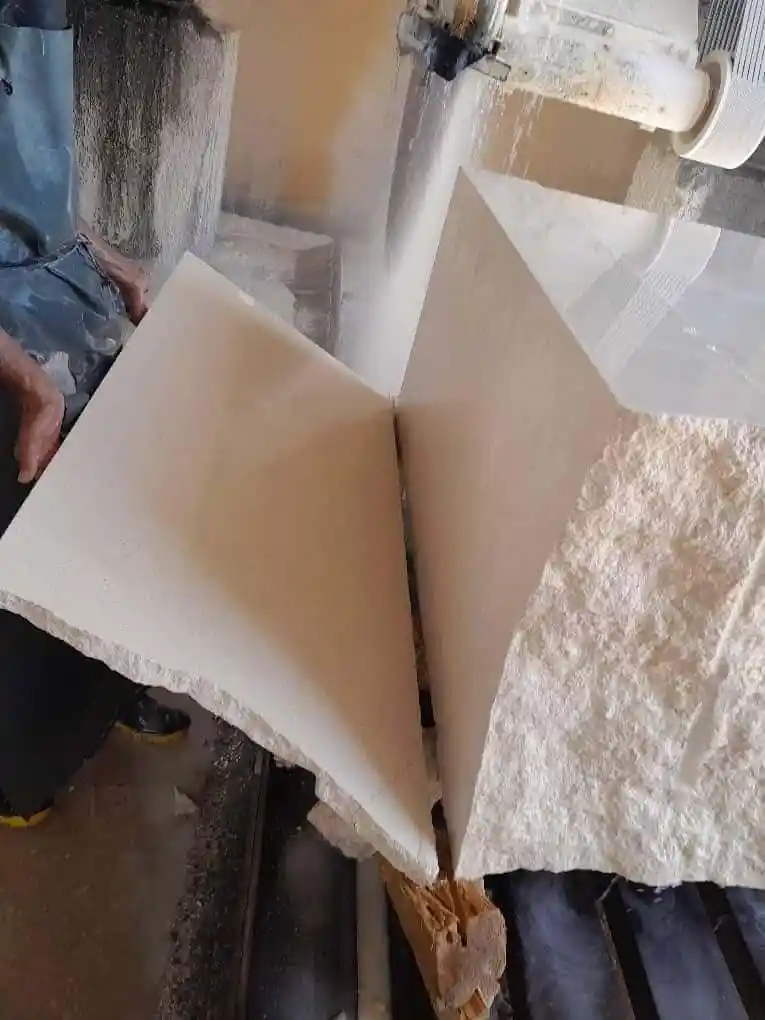
Material lead times depend heavily on warehouse inventory versus custom order status. Citadel Stone maintains regional warehouse stock on high-volume formats like 24×24 and 18×36 in travertine and limestone, which typically puts material on your job site within 5 to 10 business days of order confirmation. Custom cuts, specialty finishes, or formats outside standard warehouse inventory can extend that to 4 to 8 weeks, so your project schedule needs to account for that gap at the planning stage.
- Standard warehouse formats: 5–10 business day delivery to Arizona job sites
- Custom cut or specialty finish orders: 4–8 week lead time typical
- Full pallet minimum orders recommended to reduce per-unit freight cost on large format slabs
- Truck delivery staging requires minimum 12-foot clearance for standard flatbed access — verify before scheduling
Projects in Tucson sit on a different soil profile than the Phoenix metro — the Tucson basin features more expansive clay pockets mixed with caliche, which means base preparation costs there tend to run 10–20% higher than comparable Phoenix valley projects. Factor that into your budget when using Phoenix-based contractor estimates as a reference point for Tucson work. That soil variability also reinforces why square stone slab pricing in Arizona must always be evaluated site-by-site rather than assumed from regional averages.
Sealing and Long-Term Maintenance Costs
The five-year cost picture for large square paving slabs in Arizona has to include sealing, joint sand maintenance, and periodic cleaning — these aren’t optional line items, they’re the difference between a 10-year installation and a 25-year one. Arizona’s UV intensity is among the highest in the continental U.S., and unsealed natural stone in full sun exposure shows surface degradation within 18 to 24 months.
Penetrating impregnator sealers rated for exterior stone are the correct specification for Arizona conditions — film-forming topical sealers trap moisture below the surface under thermal cycling and fail prematurely. A quality penetrating sealer application on a 400 sq ft patio runs $250 to $450 professionally applied, and you’re looking at reapplication every 2 to 3 years for travertine and limestone in direct Arizona sun. Budget $0.60 to $1.10 per square foot per sealing cycle for realistic long-term planning.
- Initial sealing at installation: $0.60–$1.10/sq ft professional application
- Resealing cycle: every 2–3 years for travertine and limestone, every 3–5 years for dense basalt
- Joint sand replenishment (polymeric): every 3–5 years depending on rainfall and foot traffic intensity
- Annual cleaning with pH-neutral stone cleaner: $0.10–$0.20/sq ft for DIY, $0.30–$0.50/sq ft professional service
Budgeting Large Square Paving Slab Cost in Arizona: The Right Sequence
The real discipline in budgeting large square paving slab cost in Arizona is resisting the temptation to build your estimate around material cost per square foot and work backward. Arizona ground conditions — caliche hardpan, expansive clay, variably compacted desert soils — have their own logic, and that logic writes checks your per-square-foot material price never anticipated. Getting a ground condition assessment done before your first contractor meeting puts you in control of the budget conversation rather than the other way around.
Your specification should start with soil, move to base depth, then resolve slab thickness, and arrive at material selection last. That sequence saves money and prevents the field change orders that typically surface 30 to 60 days into an installation when the ground reveals what the surface survey didn’t. Following this approach also gives you an accurate outdoor square slab cost comparison across Arizona bids, since each contractor is pricing the same verified scope rather than making their own assumptions about subgrade conditions. As you map out the broader project — including adjacent pathway and walkway elements on your property — How to Choose Large Pathway Pavers in Arizona: Buyer’s Guide offers a useful companion perspective on material selection for connected hardscape areas. Buyers in Yuma, Gilbert, and Chandler working through Citadel Stone can compare large square paving slab options across stone types, with thickness starting at 1.25 inches for standard outdoor residential applications.