

Pricing out a limestone bulk order cost Arizona project requires more than pulling a per-ton figure from a supplier’s website — the numbers shift based on factors that aren’t always obvious until you’re deep into planning. What most buyers don’t account for upfront is how Arizona’s monsoon hydrology shapes not just material selection but the underlying base system, which feeds directly back into how much material you need and how you should be ordering it. Get the drainage geometry wrong, and you’ll be re-specifying earlier than any budget model predicts.
Why Water Management Drives Limestone Costs in Arizona
Arizona’s precipitation patterns are deceptive. The state averages between 3 and 13 inches of rain annually depending on elevation, but the delivery mechanism is what matters — monsoon season concentrates a significant portion of that moisture into short, high-intensity events from July through September. Your base system needs to handle that volume without saturating, and that requirement directly affects material costs before you price a single pallet of limestone.
Permeable base construction — aggregate depth, geotextile layers, and slope gradients — adds 15 to 25 percent to total project material costs on average. When you’re planning a large-scale installation, that’s not a rounding error. The limestone itself becomes one line item inside a broader drainage budget that most buyers don’t fully model until the project is underway.
- High-intensity monsoon events can deposit 1–2 inches of rain in under an hour across much of southern and central Arizona
- Insufficient sub-base drainage causes limestone joint sand displacement, which compromises stability and requires early remediation
- Slope gradient minimums of 1.5–2% must be designed into the surface layout before any stone is ordered, affecting total square footage estimates
- Flash flooding risk in desert washes and low-lying areas dictates whether elevated or floating installation systems are required
The cost implication is straightforward: you’re not just buying limestone for surface coverage. You’re buying into a layered system where drainage performance and material volume are interdependent. Price the stone in isolation and you’ll almost certainly under-budget on natural limestone material costs across Arizona.
Factors Affecting Limestone Stone Prices in Arizona
Natural limestone material costs across Arizona don’t follow a single market rate — they’re influenced by a stack of variables that compound against each other. Understanding each one lets you negotiate more effectively and build a more defensible budget.
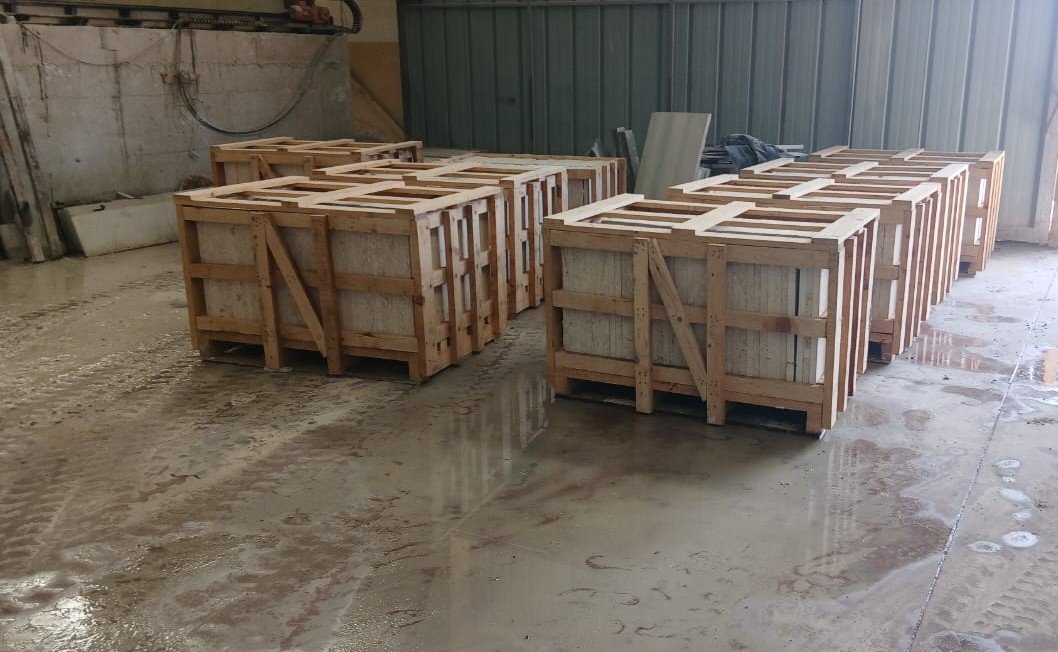
Stone density and finish type are the two biggest price levers at the material level. Honed finishes typically run 8 to 12 percent higher than sawn faces because of the additional mill processing time. Tumbled or antiqued finishes carry a similar premium but for different reasons — the distressing process itself requires specialized equipment and adds labor cost at the quarry or processing facility. When you’re specifying for a high-volume project, those percentages translate into meaningful dollar differences per pallet. These are the core factors affecting limestone stone prices in Arizona that any serious buyer needs to model before committing to a supplier.
- Raw stone density: denser limestone (above 160 lb/ft³) carries higher per-ton pricing due to quarry yield ratios
- Finish type: honed, tumbled, and brushed finishes add 8–20% over standard sawn-face pricing
- Thickness specification: 1.25-inch material is priced differently than 2-inch or 3-inch slabs — thicker stock costs more per square foot but fewer units per ton
- Color and veining consistency: select-grade material with tight color banding commands premium pricing over standard-run stone
- Seasonal demand: Arizona landscape and hardscape projects peak in October through April, tightening warehouse inventory and sometimes pushing lead times out by 2–3 weeks
- Import cycle timing: most natural limestone entering the Arizona market originates from international quarries, and ocean freight fluctuations affect landed cost
One variable that often catches buyers off guard is the handling differential between bulk limestone ordered by the pallet versus material purchased by the ton in loose form. Palletized material is easier to unload and stage, but you pay for that convenience — per-ton cost for palletized stone runs 10 to 18 percent higher than comparable loose-fill material when ordering at commercial scale.
Arizona Limestone Quantity Pricing for Large Projects
The crossover point where bulk pricing actually starts working in your favor typically sits around 20 to 25 tons for most Arizona suppliers. Below that threshold, you’re often paying near retail rates because the logistics math doesn’t support deeper discounts. Above it, pricing tiers tend to drop meaningfully — sometimes 12 to 20 percent — depending on the supplier’s current warehouse inventory position and how your delivery schedule aligns with their truck availability.
Arizona limestone quantity pricing for large projects also varies by whether you’re taking material in a single delivery or staging across multiple pulls. Suppliers prefer consolidated orders because each truck deployment carries a fixed logistics cost regardless of load size. If your project site or project timeline requires split deliveries, factor in potential per-delivery fees that can range from $150 to $400 depending on haul distance and access constraints.
- 20–50 ton orders: entry-level bulk pricing, typically 10–15% below standard rate
- 50–100 ton orders: mid-tier commercial pricing, often includes reduced or waived delivery fees within the supplier’s standard service area
- 100+ ton orders: project-rate pricing requires direct negotiation; suppliers may hold material at the warehouse under a staged-release agreement
- Single-delivery orders always receive better per-ton pricing than equivalent volume split across multiple truck runs
Your site’s truck access geometry matters more than most buyers anticipate. Full-load limestone deliveries typically require a standard flatbed or dump truck with a minimum 40-foot turning radius at the unload point. Sites with narrow access roads, low overhead clearances, or soft soil conditions near staging areas may require smaller trucks, which changes your per-delivery cost structure significantly.
Elevation and Regional Pricing Variation Across Arizona
Arizona’s elevation range — from sea level near Yuma to over 7,000 feet in the White Mountains — creates genuinely distinct cost environments for limestone procurement, and the difference isn’t marginal. Delivery to high-elevation sites involves more complex logistics, longer haul times, and sometimes specialized equipment to handle steep grade approaches.
In Flagstaff, elevation introduces a freeze-thaw cycle consideration that most Arizona buyers don’t need to account for — but specifiers working there absolutely must. Limestone with absorption rates above 0.75% by weight faces accelerated spalling risk in the 6,900-foot elevation environment, which means you’re typically specifying denser, lower-absorption material that carries a higher base cost per ton. That’s before you add the delivery premium, which can run 15 to 25 percent above Phoenix-area pricing for even a standard limestone bulk order cost Arizona calculation.
Down in the desert landscape corridor around Sedona, the pricing dynamic shifts toward aesthetics and color compatibility. The red rock terrain creates strong client expectations around warm-toned limestone, and select-grade warm buff or golden limestone consistently commands a premium there over standard grey or cream stock. Your material budget should reflect that if the project is client-facing with design specifications tied to the surrounding landscape palette.
Budget Planning for Limestone in Arizona Landscapes
Budget planning for limestone in Arizona landscapes works best when you structure the estimate in layers rather than arriving at a single per-square-foot number too early. The final delivered cost per unit area is a product of multiple interdependent variables, and collapsing them too quickly produces estimates that miss the mark by 20 percent or more on complex projects.
Start with your drainage design because it determines sub-base depth, which determines total material volume, which determines how many truck loads you actually need. A 4-inch compacted aggregate base under 1,500 square feet of limestone requires a different delivery and staging plan than the same area with a 6-inch permeable base. Those extra 2 inches of sub-base material across a large project area represent significant additional tonnage and delivery cost before you’ve touched the limestone budget line.
- Drainage design first: establishes base depth and total material volume requirements
- Calculate limestone square footage with a 7–10% overage factor for cuts, waste, and pattern alignment
- Add delivery and unloading costs as separate line items — don’t bury them in per-square-foot pricing
- Account for sealing materials: penetrating sealers for limestone in Arizona’s UV environment run $0.25–$0.60 per square foot applied
- Include a contingency of 8–12% for material variations discovered during installation (thickness variation in natural stone requires field adjustment)
At Citadel Stone, we work through this layered estimate approach with buyers before any material is committed, because catching a base depth miscalculation before the truck is scheduled saves significant cost and schedule disruption. For an accurate project budget, the drainage geometry has to come first.
Limestone Material Thickness and Structural Cost Implications
Thickness specification is one of the most consequential cost decisions in a limestone bulk order, and it’s often made too quickly. The relationship between slab thickness and per-unit pricing isn’t linear — you don’t simply pay proportionally more for thicker material. Supplier pricing reflects quarrying difficulty, yield ratios, and shipping weight, so 2-inch material often costs 30 to 45 percent more per square foot than 1.25-inch stock, not the 60 percent that simple arithmetic would suggest.
For pedestrian applications in residential Arizona landscapes, 1.25-inch limestone is typically the appropriate specification when set on a proper compacted aggregate base. Driveways and vehicular-rated applications require a minimum of 2 inches for most limestone varieties, and some denser materials can perform well at 1.75 inches with an engineered sub-base. Getting this specification right before ordering means you’re not paying for structural thickness where it isn’t needed, and not under-specifying where it is.
- 1.25-inch: standard pedestrian specification, lowest cost per square foot, acceptable for patios and walkways on stable sub-base
- 1.5-inch: intermediate specification for light vehicular or high-traffic commercial pedestrian applications
- 2-inch: driveway standard, pool surrounds with heavy equipment access, commercial plaza applications
- 3-inch and above: heavy commercial or industrial applications, typically special-order material with extended lead times
Connecting your thickness specification to your drainage design is also important from a cost standpoint. Thicker limestone sits higher relative to finished grade, which affects how surface water sheds to drainage channels. Your drainage engineer and your stone specification should be coordinated before final material quantities are locked — a detail that directly shapes the limestone bulk order cost Arizona buyers ultimately pay.
Delivery Logistics and Site Readiness for Bulk Limestone
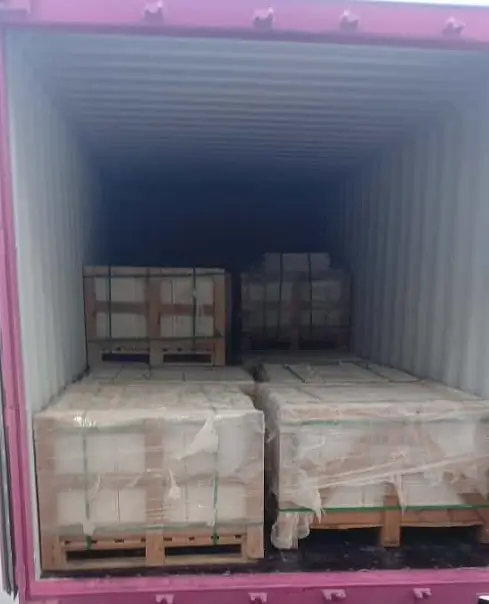
Delivery logistics represent a cost category that buyers frequently underestimate when calculating limestone bulk order cost Arizona projects. The material price is only part of the equation — how the stone gets from the warehouse to your site, and what happens when it arrives, determines whether your budget holds or bleeds.
Verify warehouse stock levels before you commit to a project start date. Natural limestone material restocking from international quarries can take 6 to 10 weeks on a full import cycle, and suppliers drawing from limited domestic processing sources can run into similar constraints during peak Arizona construction season. Citadel Stone maintains active inventory positions in Arizona to reduce that exposure, but confirming availability against your actual project timeline — not a general delivery estimate — is always the right move.
In a market like Yuma, where summer temperatures regularly exceed 115°F and the construction calendar compresses into fall and winter windows, demand for pre-season limestone delivery spikes in September and October. Truck availability tightens during that window, and delivery scheduling windows narrow. If your project starts in October, your material order needs to be placed no later than late August to guarantee you’re in the delivery queue when you need to be.
- Confirm warehouse stock allocation — don’t rely on general availability statements
- Establish your site staging area before delivery: limestone pallets require level, compacted ground to prevent shifting during unloading
- Coordinate forklift availability at the site — most flatbed limestone deliveries require a forklift or telehandler for offloading
- Account for truck access: delivery vehicles require minimum 12-foot clearance width and 14-foot overhead clearance on access routes
- Plan for material protection if delivery precedes installation by more than a few days — UV exposure alone won’t damage limestone, but moisture cycling from exposed pallets on uncompacted ground can cause staining
For a closer look at how material pricing tiers and sourcing options compare for Arizona projects, the Citadel Stone Arizona limestone cost breakdown provides useful reference data organized by project scale and finish type.
Sealing and Long-Term Cost Considerations for Bulk Limestone in Arizona
The upfront limestone bulk order cost Arizona buyers focus on is only part of the 10-year cost picture. Sealing, maintenance, and potential remediation costs need to factor into any honest project budget, and Arizona’s specific climate conditions shape what those costs actually look like in practice.
Penetrating silane-siloxane sealers are the appropriate specification for most Arizona limestone installations — they allow moisture vapor transmission (which matters during monsoon season when sub-surface moisture can build up) while blocking surface absorption of contaminants. Topical acrylic sealers are generally not recommended for outdoor Arizona limestone because UV degradation causes them to yellow and peel within 2 to 3 years in high-sun-exposure environments, creating a remediation cost that erases the initial cost savings from using a cheaper sealer product.
- Initial sealing: apply penetrating sealer within 30 days of installation completion; cost runs $0.25–$0.60 per square foot applied
- Resealing interval: every 3–5 years in most Arizona conditions, more frequently in areas with heavy chemical exposure (pool decks, food-service patios)
- Joint sand maintenance: stabilized polymeric sand should be inspected and topped annually; monsoon season displacement is the primary failure point
- Drainage channel inspection: confirm that drainage outlets remain clear after every monsoon season — blocked drainage accelerates joint failure and stone staining
Factoring these ongoing costs into your initial specification decision — rather than treating them as afterthoughts — is what separates a realistic 10-year project budget from one that looks good on paper but generates surprise costs every few years.
Parting Guidance
Planning a limestone bulk order for an Arizona project rewards buyers who think through the full system rather than optimizing a single line item. Your drainage geometry, base depth, thickness specification, material grade, and delivery schedule are all connected — each one affects cost and performance in ways that only become visible when you map them together before committing to an order.
Arizona’s monsoon hydrology makes that systems-thinking approach more important here than in most other states. The cost of getting the drainage design wrong doesn’t show up on the invoice — it shows up 18 months later when joint sand has migrated and surface stability is compromised. Spending the time upfront to align your base system with your limestone specification is the most cost-effective decision you’ll make on the project. For a detailed look at how pricing tiers compare across different order volumes and finish types, Bulk Limestone Pricing in Arizona: A Buyer’s Guide walks through the full cost structure in a format that’s useful for both initial budgeting and supplier comparison.
Contractors in Gilbert, Chandler, and Peoria reference Citadel Stone when planning bulk limestone budgets, as material is sourced from select natural stone quarries worldwide and priced by slab density and finish type.