
Our cost-effective basalt tiles for budget-friendly projects are renowned for their durability, striking natural aesthetics, and low maintenance requirements. Yet, one critical factor in ensuring their optimal performance—whether in floors, walls, or outdoor applications—is choosing the right thickness. The ideal thickness can vary based on factors such as load-bearing requirements, installation surface, and environmental conditions. In this guide, we delve into the technical considerations behind selecting the proper thickness for basalt tiles, provide a comparison for floor versus wall applications, and offer practical tips for successful installation. We also include six detailed case studies and recent projects in Austin (TX), St. Louis (MO), Indianapolis (IN), Philadelphia (PA), San Jose (CA), and Milwaukee (WI).
1. Introduction
Basalt, a volcanic rock formed from rapidly cooled lava, is prized for its inherent strength, low porosity, and timeless color palette. These natural properties make our shadow-enhancing basalt tiles for dynamic depth an excellent choice for various applications—from high-traffic floors to elegant wall accents. However, achieving the best performance from basalt tiles depends significantly on selecting the appropriate thickness.
For instance, floors exposed to heavy loads, such as driveways, pool decks, and commercial areas, generally require basalt tiles that are 12 mm or thicker. In contrast, walls, which face less structural stress, are typically installed with tiles ranging between 8–10 mm. This guide will help you understand the key factors that determine the right thickness and provide in-depth, technical insights to ensure a long-lasting, beautiful installation.
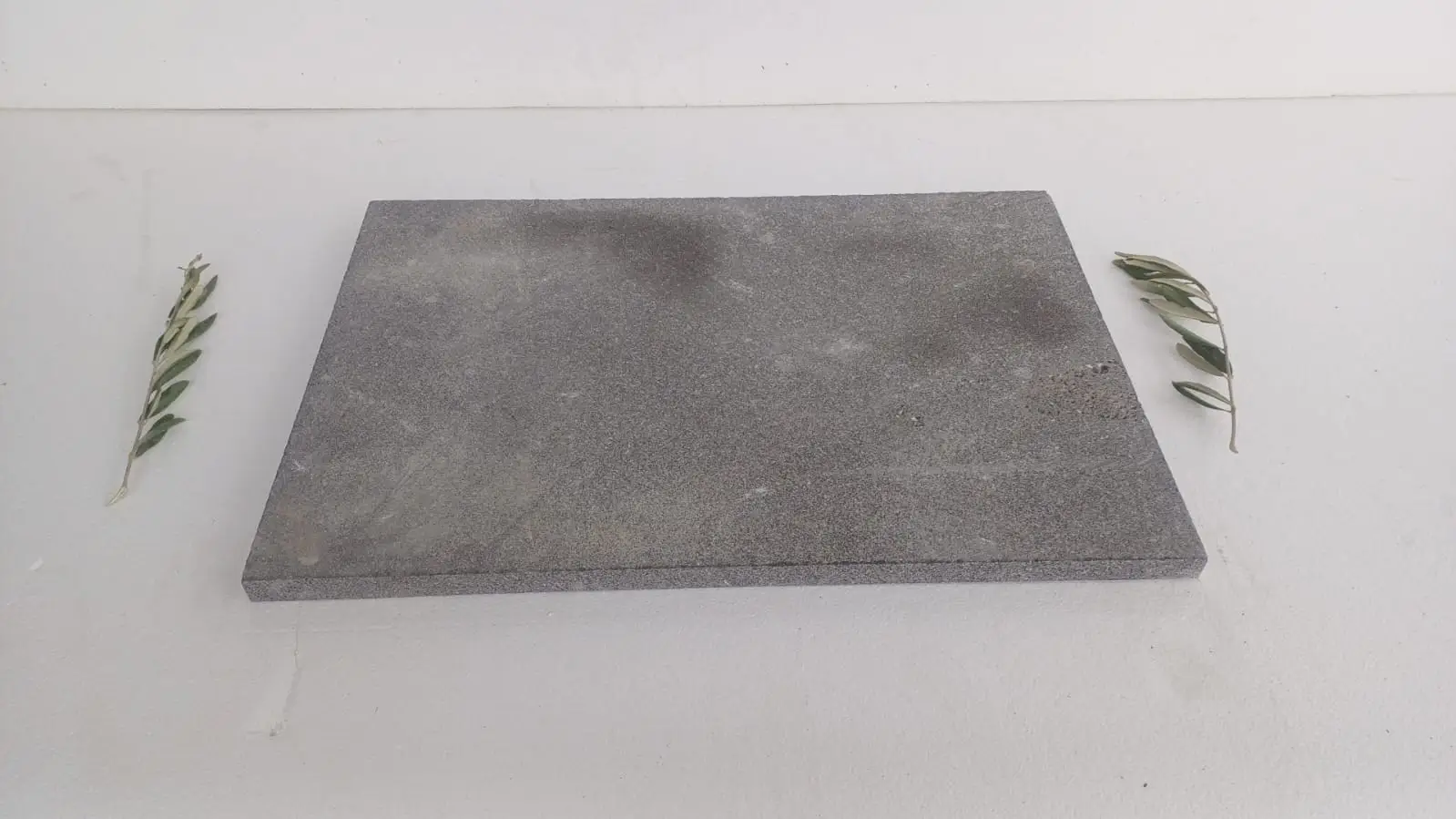
2. Understanding Basalt Tiles and Their Thickness
2.1. Basalt’s Natural Properties
Our artistic basalt tiles for bold expressions derive their strength and durability from the unique geological processes that form them. Key characteristics include:
- High Compressive Strength: Basalt typically exhibits compressive strengths ranging from 200 to 300 MPa, making it capable of supporting heavy loads.
- Low Porosity: Its dense structure minimizes water absorption, reducing the risk of moisture-related damage.
- Thermal Stability: Our anti-crack basalt tiles for lasting integrity maintain performance under extreme temperatures, crucial for both indoor and outdoor installations.
2.2. Standard Thickness Ranges
Manufacturers generally produce precision-cut basalt tiles for exacting details – Citadel Stone in a range of standard thicknesses:
- Floors: For high-traffic and load-bearing applications, basalt tiles are commonly available in thicknesses of 12 mm or greater. This additional thickness enhances structural integrity and durability.
- Walls: Since walls typically endure less mechanical stress than floors, basalt tiles for vertical installations usually range from 8 to 10 mm. Thinner tiles facilitate easier installation on vertical surfaces while still providing an attractive finish.
3. Factors Influencing Thickness Selection
Choosing the right basalt tile thickness involves several considerations:
3.1. Load-Bearing Requirements
- Flooring Applications: Floors, particularly in commercial spaces, driveways, and pool decks, require thicker basalt tiles (12 mm or more) to distribute heavy loads and resist cracking.
- Wall Applications: Walls experience less physical stress, so thinner basalt tiles (8–10 mm) are typically sufficient. However, decorative or feature walls that incorporate heavy fixtures might benefit from slightly thicker tiles.
3.2. Installation Surface and Substrate
- Substrate Stability: A well-prepared, level substrate is crucial regardless of tile thickness. However, a thicker tile can provide additional strength on substrates that are less than ideal.
- Moisture & Temperature Exposure: Areas exposed to moisture or extreme temperature fluctuations (e.g., pool decks or exterior walls) may benefit from a thicker tile that offers better thermal mass and resistance to freeze-thaw cycles.
3.3. Aesthetic and Design Considerations
- Visual Impact: Thicker tiles often convey a more substantial, high-quality look, ideal for upscale commercial or residential applications.
- Grout Lines and Patterning: The overall appearance, including the size of grout lines and tile layout, can be influenced by tile thickness. Custom sizing may be necessary for intricate designs.
3.4. Cost Implications
- Material Costs: Thicker tiles generally cost more per square foot, but their enhanced durability can offer long-term savings by reducing replacement and maintenance costs.
- Installation Complexity: Thicker tiles may require specialized tools for cutting and fitting, impacting installation time and labor costs.
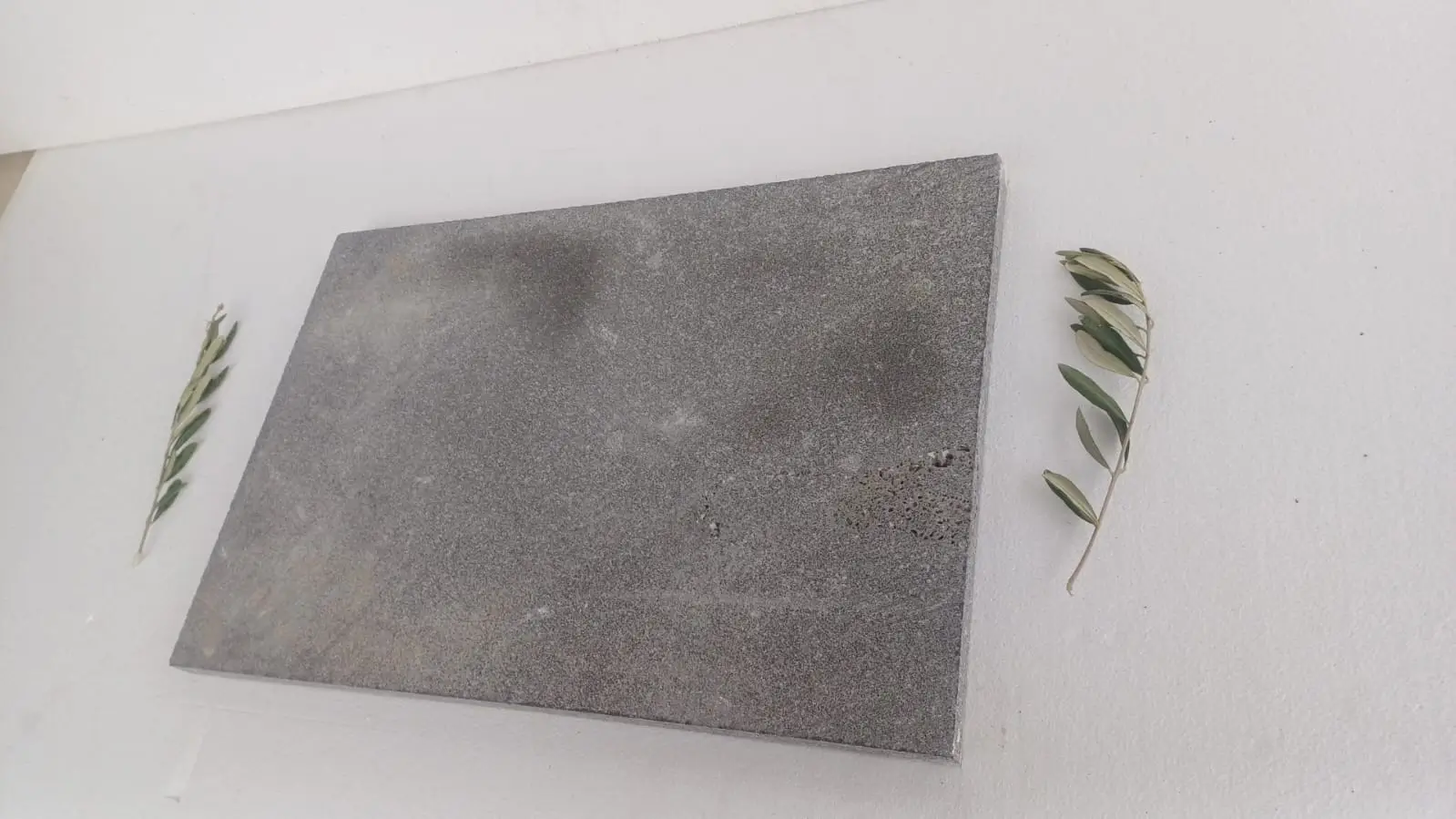
4. Recommended Thickness for Various Applications
Based on the factors discussed, here are some guidelines:
4.1. Floor Installations
- Driveways & High-Traffic Floors: 12 mm or more is recommended to handle heavy loads, resist impact, and ensure long-term durability.
- Pool Decks & Outdoor Walkways: 12 mm+ basalt tiles are ideal due to their superior load-bearing capacity and resistance to moisture, ensuring safety and performance.
4.2. Wall Installations
- Interior Walls: 8–10 mm basalt tiles are typically sufficient for wall cladding and decorative installations.
- Feature Walls with Heavy Fixtures: Consider 10 mm or slightly thicker tiles if the wall will support heavy installations or large pieces of art.
4.3. Custom Applications
- Mixed-Use Areas: Some projects may require a combination of thicknesses—thicker tiles in load-bearing zones and thinner tiles for decorative accents. Always consult with the manufacturer or a professional installer for specialized projects.
5. Case Studies & Recent Projects
The following case studies illustrate how different thicknesses of our curved basalt tiles for organic flow have been effectively used in diverse applications across various cities.
5.1. Austin, Texas – Residential Driveway Upgrade
Project Overview:
A modern home in Austin required a durable driveway that could withstand heavy vehicles and extreme temperature fluctuations.
- Tile Thickness: 14 mm basalt tiles were chosen for their robust load-bearing capacity.
- Outcome:
The driveway now boasts excellent durability and minimal maintenance, with a sleek, contemporary look that enhances the property’s curb appeal.
5.2. St. Louis, Missouri – Commercial Lobby & Flooring
Project Overview:
A corporate office in St. Louis installed our subdued basalt tiles for understated luxury in its lobby and common areas.
- Tile Thickness: 12 mm tiles were used for the flooring, ensuring strength and resistance to heavy foot traffic, while 8 mm tiles were installed on feature wall panels.
- Outcome:
The balanced approach provided both aesthetic appeal and functionality, meeting the high standards of a commercial environment.
5.3. Indianapolis, Indiana – Modern Bathroom Feature Wall
Project Overview:
A boutique hotel in Indianapolis sought to create a striking bathroom feature wall using our high-contrast basalt tiles for dramatic effects.
- Tile Thickness: 9 mm basalt tiles were selected for the wall installation, offering a perfect blend of elegance and ease of installation.
- Outcome:
The feature wall serves as a focal point, with the tiles’ natural texture and color enhancing the overall design of the space.
5.4. Philadelphia, Pennsylvania – High-End Kitchen Flooring
Project Overview:
A luxury residence in Philadelphia integrated our flameproof basalt pavers for added safety in its kitchen floor, aiming for a modern yet robust design.
- Tile Thickness: 13 mm basalt tiles were installed, ensuring they could support heavy kitchen use and resist wear from daily traffic.
- Outcome:
The kitchen floor remains resilient and attractive, with the increased thickness contributing to a premium look and long-term performance.
5.5. San Jose, California – Outdoor Patio and Pool Deck
Project Overview:
A resort in San Jose redesigned its outdoor patio and pool deck using our dynamic basalt tiles for creative layouts.
- Tile Thickness: 12 mm tiles were chosen for the pool deck to handle heavy use and moisture exposure, while 10 mm tiles were used for the adjacent patio wall.
- Outcome:
The installation achieved a harmonious balance between aesthetic appeal and structural strength, ensuring safety and durability in a high-use environment.
5.6. Milwaukee, Wisconsin – Urban Commercial Space
Project Overview:
A modern office building in Milwaukee featured our urban-chic basalt tiles for contemporary cityscapes throughout its flooring and decorative wall panels.
- Tile Thickness: 12 mm tiles provided robust flooring for high-traffic areas, while 8–10 mm tiles were used on walls for visual consistency.
- Outcome:
The project delivered a contemporary look with excellent durability, meeting the demands of an urban commercial space with fluctuating temperatures and heavy use.
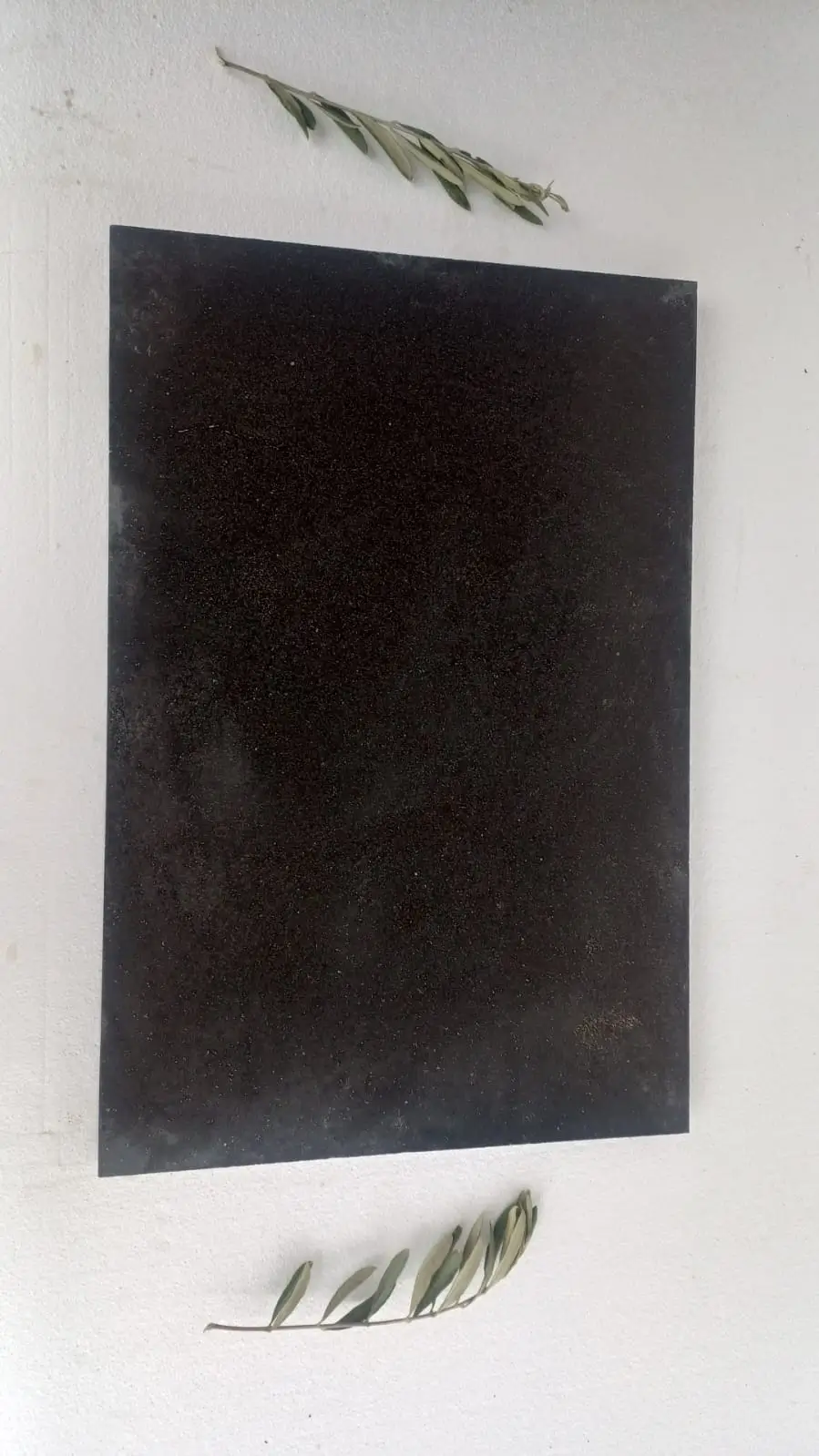
6. Conclusion
Choosing the right thickness for our textured-surface basalt tiles for enhanced grip is a crucial step in ensuring both the performance and aesthetics of your installation. Floors, particularly those subjected to heavy loads like driveways and pool decks, benefit from thicker basalt tiles (12 mm or more) that offer enhanced durability and strength. Walls, which face less mechanical stress, typically require tiles in the 8–10 mm range, providing a lightweight yet elegant finish.
Key factors influencing the decision include load-bearing requirements, environmental conditions, installation surfaces, and aesthetic preferences. The case studies from Austin, St. Louis, Indianapolis, Philadelphia, San Jose, and Milwaukee demonstrate how tailored thickness choices have contributed to successful, long-lasting projects in diverse settings.
By considering these technical and practical aspects, you can make an informed decision that maximizes the performance and visual appeal of your basalt tile installation. Whether you’re planning a residential upgrade or a large-scale commercial project, selecting the proper tile thickness will help ensure that your investment stands the test of time.
For expert advice, our premium basalt tile products, and further project inspiration, visit Citadel Stone: built on quality, inspired by nature and discover a range of solutions tailored to meet your specific needs.