
Your hex paver maintenance schedule in Arizona needs to account for something most desert homeowners underestimate — the mechanical punishment these surfaces take from wind events, monsoon storms, and hail impacts, not just ambient temperature. The Sonoran Desert isn’t just hot; it’s violent. Dust storms carrying fine abrasives, haboobs that drive debris at 50-plus mph, and summer storm cells that drop golf ball-sized hail mean your maintenance approach has to address structural integrity as much as surface cleanliness. Get this framing right, and your paving investment lasts decades. Miss it, and you’re re-grouting joints and resetting shifted pavers every few years.
Why Storm Stress Defines Your Maintenance Schedule
Arizona’s monsoon season — typically July through mid-September — delivers the most mechanically demanding conditions your hex pavers will face all year. Wind-driven rain penetrates joint sand at a different rate than vertical rainfall, and the lateral pressure from sustained gusts above 40 mph creates micro-movement at paver edges that gradually compromises your edge restraints. You’ll notice this first at corners and along any run parallel to prevailing wind direction.
The hex pattern is actually excellent at distributing these loads because each stone shares six contact points with neighboring pavers rather than four, the way square formats do. That geometric advantage only holds, though, when your joint fill is at full capacity. Depleted joints — even by 30% — reduce that load-sharing geometry dramatically and accelerate edge displacement under storm conditions. Plan your inspection timing around storm events, not just calendar quarters.
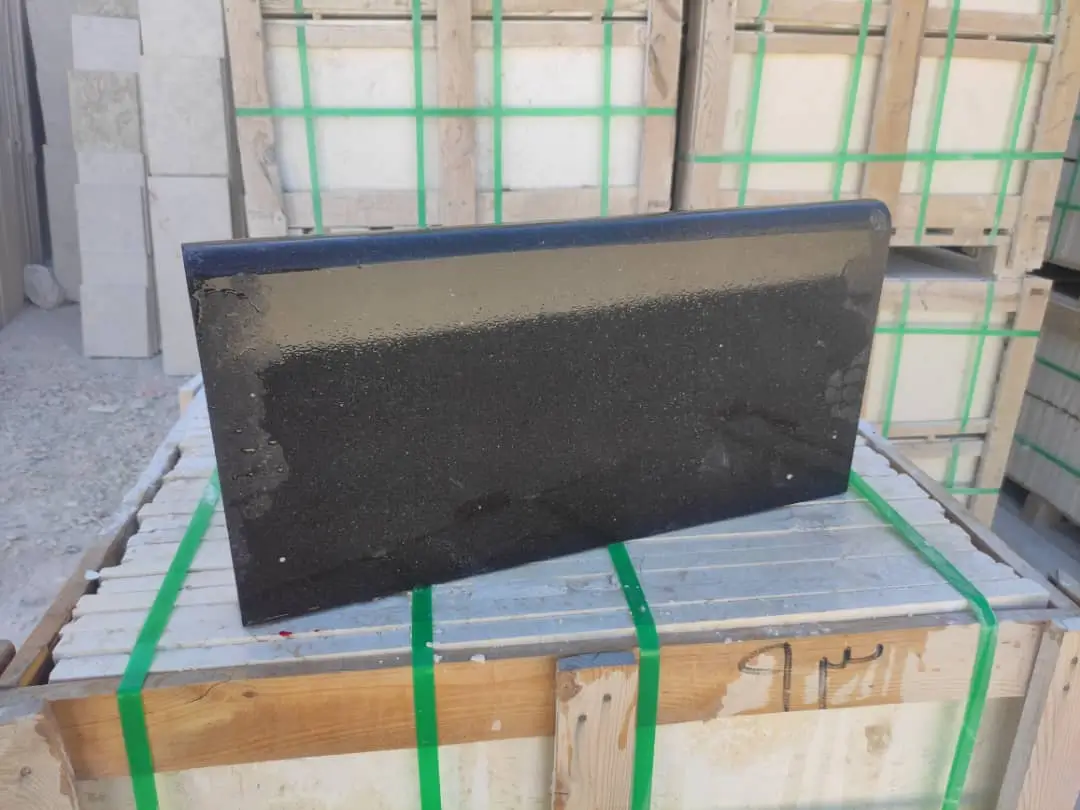
Pre-Monsoon Preparation: Late June
The most valuable window in your entire hex paver maintenance schedule in Arizona is the two-week period before monsoon onset — typically late June. This is when you can address vulnerabilities before storm stress exposes them.
- Inspect every edge restraint run for lateral movement — any shift greater than 3mm at a joint needs correction before storm season
- Top off polymeric joint sand to within 3–4mm of paver surface; wind-driven rain will erode loose fill further, and full joints resist washout significantly better
- Check your sealer coat — if water no longer beads on the surface, you’re past your reapplication window and the stone is now absorbing wind-driven debris and mineral-laden rain
- Clear all drainage channels and weep holes; blocked drainage under a flooded surface creates hydrostatic pressure that can lift even well-set pavers
- Document any cracked pavers now, before hail season makes the damage harder to attribute and harder to source matching replacement units
In Yuma, the pre-monsoon prep window is especially critical because the area sees some of the highest sustained wind speeds in Arizona during storm approach — surface abrasion from wind-carried sand can strip a sealer coat in a single severe event if the application was thin to begin with.
Post-Monsoon Inspection and Cleaning
Your post-monsoon walkthrough should happen within 48 hours of the last significant storm, while debris patterns still tell you where drainage failed and where wind loads concentrated. This timing is the foundation of good seasonal care for hex pavers in Arizona — you’re reading the evidence before it washes away or gets swept up.
- Look for joint sand displacement first — any section showing more than 5mm of depletion needs immediate refill before the next storm event
- Check for hail impact damage along ridgelines and exposed upper surfaces; small pit fractures that look cosmetic can develop into stress cracks over two or three more freeze-thaw cycles in higher-elevation installations
- Identify any pavers that have shifted laterally — even 2mm displacement in multiple adjacent units signals edge restraint movement that needs investigation
- Test surface drainage by pouring a gallon of water at multiple points; standing water after 30 seconds indicates a drainage blockage or a subsidence event in the sub-base
Cleaning and sealing hex pavers across Arizona patios after monsoon season follows a specific sequence: debris removal first, then pH-neutral stone wash, then a minimum 72-hour dry time before any sealer application. Rushing the dry time is the most common field mistake — a sealer applied over residual moisture traps mineral deposits and creates a cloudy, blush finish that requires full strip-and-reapply to correct.
Understanding Edge Restraint Integrity Under Storm Loads
Edge restraint failure is the leading cause of premature hex paver deterioration in Arizona, and storm events are almost always the accelerant. Most installations use plastic snap-lock edging, which performs adequately under static loads but can flex and release under the combination of saturated soil and lateral wind pressure during severe storms.
For any hex paver run longer than 15 feet in an exposed location, steel or aluminum edging staked at 12-inch centers outperforms plastic edging by a substantial margin. The Sedona area presents a specific challenge here — the red rock soil has higher expansive clay content than you’d expect in a desert environment, which means wet-season soil movement adds a second vector of lateral stress beyond the wind loads themselves. Your edge restraint specification needs to account for both.
- Inspect spike/stake penetration depth after each major storm — soil saturation allows spikes to work loose gradually, and a single loose spike creates a pivot point for the entire restraint run
- Look for any separation between the restraint and the first row of pavers — a gap of more than 1mm is enough for wind-driven rain to undercut the joint and begin sand erosion from below
- Replace any section of plastic edging showing stress cracking or UV degradation — degraded edging loses approximately 60% of its lateral resistance
Sealing Schedule for Impact and Joint Protection
Sealing frequency for a hex paver maintenance schedule in Arizona should be driven by storm exposure, not just calendar time. A covered patio in Mesa with overhead protection needs resealing every 24–30 months. An exposed pool deck in the same city that takes direct hail and monsoon rain may need attention every 15–18 months. The difference isn’t the climate — it’s the storm exposure.
Penetrating sealers (silane-siloxane formulations at 40% solids or higher) provide the best impact resistance for natural stone hex pavers because they don’t form a surface film that hail can crack and delaminate. Film-forming sealers look better in showroom conditions but can peel and blister after a severe hail event, leaving the stone below more vulnerable than if it had never been sealed. For monsoon-season hex paver upkeep AZ homeowners rely on year after year, penetrating chemistry is the professional choice.
- Apply sealer only when ambient temperature is between 50°F and 85°F — early morning application in late spring works best in most Arizona locations
- Two thin coats outperform one heavy coat for penetration depth and durability
- Allow 48 hours before foot traffic and 7 days before heavy furniture or vehicle loads
- Re-apply whenever the water bead test shows absorption within 30 seconds of water contact
Hail Impact Damage Assessment and Response
Not every hail event requires immediate remediation, but you do need to assess the damage within a week while the impact patterns are still readable. Small surface pits in softer limestone hex pavers are primarily cosmetic and don’t compromise structural performance if the stone remains intact. The concern is micro-fracturing that extends below the visible surface, which can propagate under subsequent freeze-thaw cycling in higher-elevation installations or under thermal cycling at any elevation.
For long-term hex paving stone care in Arizona desert climates, maintain a photographic record of your surface condition after each significant hail event. This documentation serves two purposes: it helps you track whether pitting is deepening over time (indicating progressive fracture), and it provides evidence for insurance claims when damage is extensive enough to warrant replacement. Checking warehouse stock levels before committing to a replacement order is worth doing early — matching exact material from the original install can take time if the specific stone isn’t in current inventory.
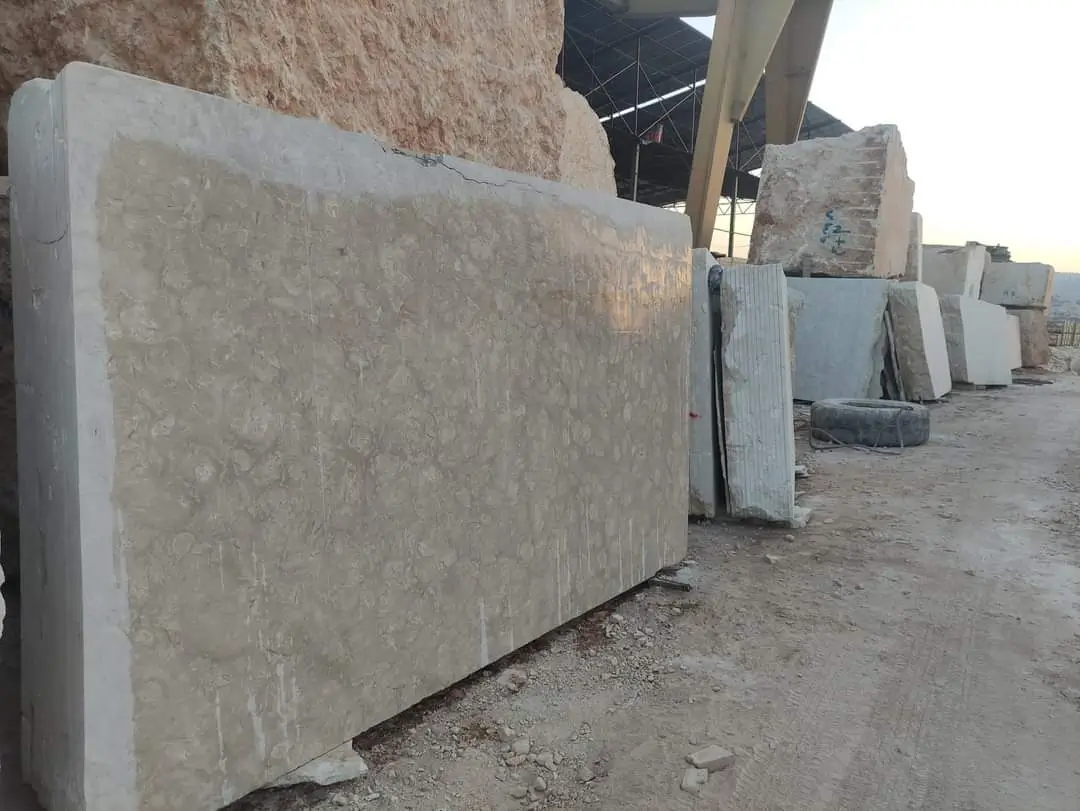
Joint Sand Management Through Storm Season
Joint integrity is the single variable that most directly determines how well your hex pavers perform under wind and storm loads. Full joints redistribute impact energy laterally across the field; depleted joints concentrate that same energy at individual paver edges, leading to chipping, cracking, and progressive displacement.
Polymeric joint sand is the right material for Arizona conditions — standard sand washes out reliably after three or four moderate monsoon events and requires constant replenishment. Polymeric formulations, once properly cured, resist washout from wind-driven rain and maintain joint fill through most storm events. The activation step matters: you need a controlled wetting immediately after installation to initiate the polymer bonding, and then full cure time (typically 24 hours in Arizona summer temperatures) before any water exposure. Rushing activation by using too much water during installation is a common field error that produces soft joints that fail within a season.
- Re-sand depleted joints before monsoon season every year — this single step does more for storm resilience than any other maintenance action
- After any storm event showing visible joint erosion, refill within 72 hours before the next storm event arrives
- Use a leaf blower on low setting to seat polymeric sand into joints before wetting — dry fill compacts better than damp fill
- In shaded areas where moisture lingers, check for moss or biological growth in joints annually — these organisms accelerate sand erosion from below
Seasonal care for hex pavers in Arizona depends heavily on consistent joint management — no sealer or edge restraint upgrade compensates for joints that are perpetually at 50% fill. You can find our full product guidance and technical specifications through our Arizona hex paver maintenance range, which covers material-specific recommendations alongside the schedule guidance here.
Annual Calendar for Arizona Hex Paver Care
The hex paver maintenance schedule in Arizona that field experience recommends follows four distinct phases aligned with Arizona’s storm calendar, not the four seasons of temperate climates.
- Late April to early June: Full inspection, joint sand assessment, sealer reapplication if due, edge restraint check — complete before heat drives surface temperatures above 120°F, which affects sealer absorption
- Late June: Pre-monsoon prep — top off joints, clear drainage, document baseline condition
- July through mid-September: Post-storm inspections within 48 hours of any significant event; no major sealing work during this window
- October to November: Post-monsoon deep clean, final joint assessment, hail damage documentation, any deferred repairs before winter
In Mesa, the October window is particularly valuable because the combination of cooler temperatures and low humidity creates near-ideal conditions for sealer application and polymeric sand curing — you get better penetration depth and faster joint cure times than any other period in the year.
At Citadel Stone, we recommend this storm-aligned schedule over simple calendar-based approaches because Arizona’s weather damage doesn’t distribute evenly through the year — roughly 70% of all mechanical wear happens in a 10-week monsoon window, and your maintenance effort should reflect that asymmetry. Our technical team can help you adjust timing based on your specific installation’s elevation and exposure.
Getting Hex Paver Maintenance Right in Arizona
The long-term performance of hex pavers in Arizona comes down to treating storm events as maintenance triggers, not just weather to endure. Your schedule works when it’s built around pre-monsoon preparation, post-storm assessment, and annual sealer management — in that priority order. Joint integrity and edge restraint health are the structural metrics that matter most; surface cleanliness is secondary.
Installations that consistently deliver long-term hex paving stone care in Arizona desert climates — including rental properties in higher-traffic areas — share one trait: documented inspection logs and reactive post-storm responses, not necessarily the most expensive original materials. Consistency beats specification grade every time in this climate. For broader guidance on selecting the right material for your Arizona project from the start, How to Choose Hex Paving Slabs in Arizona: The Complete Buyer’s Guide covers the selection criteria that feed directly into long-term maintenance demands. Property owners in Scottsdale, Tempe, and Tucson find that Citadel Stone hex pavers sourced direct from quarries in Turkey, the Mediterranean, and beyond respond well to post-monsoon cleaning with pH-neutral stone wash solutions.