
Most hex paver cost guides for Arizona treat pricing as a static number — a rate-per-square-foot you plug into a spreadsheet and call it done. The real hex paver cost guide Arizona contractors and homeowners actually need addresses a more dynamic variable: when you install determines how much you’ll spend just as much as what you install. Scheduling your hex paver project around Arizona’s seasonal windows directly affects adhesive performance, labor efficiency, mortar cure times, and ultimately your total installed cost.
Why Installation Timing Drives Your Total Cost
Your material cost per square foot is largely fixed once you’ve selected your stone. But your total project cost — the number that actually shows up on an invoice — includes labor hours, adhesive and mortar consumption, cure time, and any remediation work caused by poor installation conditions. All of those variables shift dramatically depending on the month you break ground.
Arizona’s seasonal rhythm creates distinct cost windows that experienced installers plan around. The mid-summer ground surface in Phoenix can exceed 160°F by early afternoon, which causes rapid moisture loss in mortar beds and forces installers to either work shorter shifts or consume significantly more mortar to compensate for premature drying. Both outcomes push labor costs up. Understanding this dynamic is the first step toward building a realistic hex paver cost guide Arizona-specific to your site and schedule.
- Labor efficiency drops 20–35% during peak summer afternoon heat, directly inflating your installed cost per square foot
- Accelerated mortar cure in extreme conditions increases joint failure rates, adding remediation costs within 18–24 months
- Seasonal adhesive formulations differ in cost — hot-weather variants typically run 15–20% more per unit volume
- Morning work windows compress to 4–5 hours in July and August, requiring larger crews or multi-day schedules
Optimal Installation Seasons in Arizona
For most Arizona elevations below 4,000 feet, the October through April window is where your installation budget stretches furthest. Ambient temperatures in this range — typically 55°F to 85°F — fall squarely within the performance envelope for standard setting mortars and bedding adhesives. You get longer workable windows, consistent cure rates, and crews that can complete full shifts without productivity losses from heat stress.
October and November are particularly favorable. Ground temperatures have dropped from summer peaks but haven’t yet introduced the overnight chill that complicates early-morning work in December and January. For hex paving slabs in Arizona at lower desert elevations, a mid-October start date often represents the best intersection of material performance and labor efficiency.
- October–November: Ground temps 75–95°F, full workday windows available, standard mortar formulations perform reliably
- December–February: Cooler ambient temps require cold-weather adhesive additives at elevations above 2,500 feet; freeze risk above 4,500 feet
- March–April: Excellent conditions — moderate temps, low humidity, full cure windows before summer heat arrives
- May–September: Workable only with aggressive morning scheduling, hot-weather mortar formulations, and shade management protocols
In Flagstaff, the seasonal calculus shifts considerably. At 6,900 feet elevation, you’re working with genuine freeze-thaw cycles, and your installation window narrows to May through October. Cold-weather adhesive additives aren’t just precautionary there — they’re mandatory for any work after mid-September.
Hex Paver Material Cost Breakdown by Stone Type
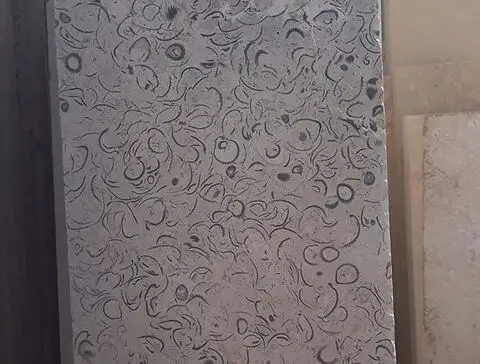
Stone hex paver pricing options in Arizona span a meaningful range depending on the natural stone species, finish, and nominal thickness you specify. Here’s how the material-only cost typically breaks down before you add installation labor:
- Natural limestone hex pavers: $4.50–$9.00 per square foot at standard 1.25-inch nominal thickness
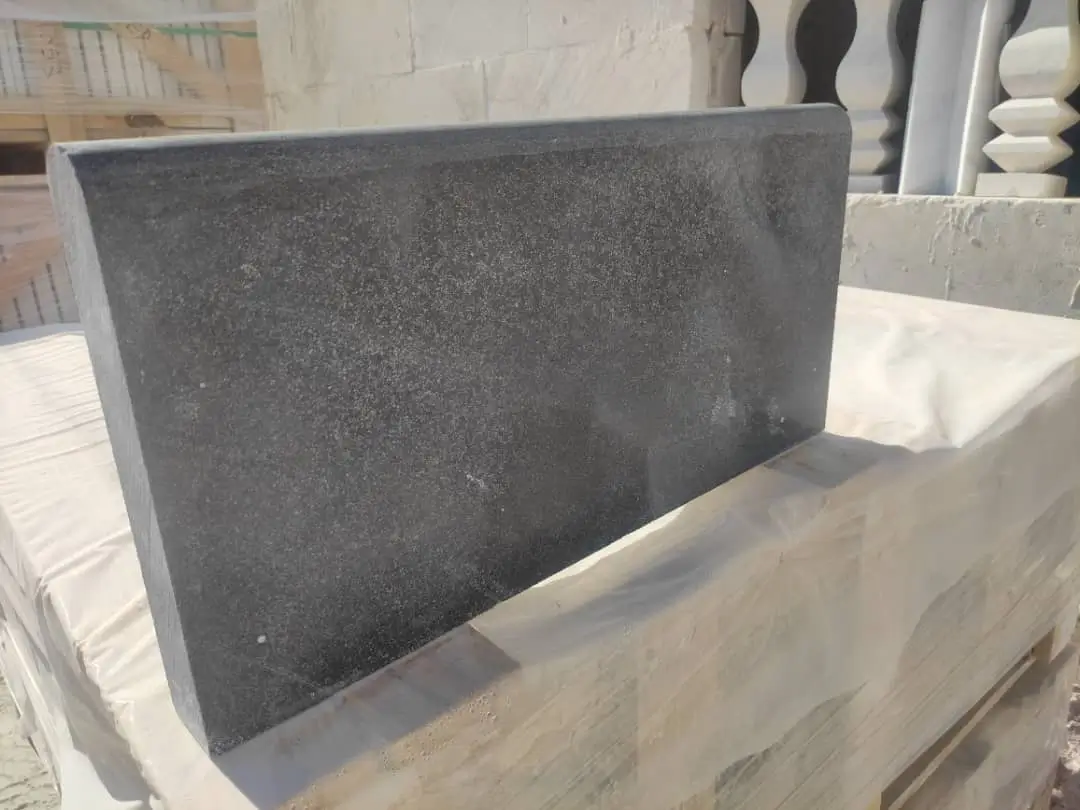
- Basalt hex pavers: $6.00–$11.00 per square foot — denser material, heavier truck freight, higher base cost
- Travertine hex pavers: $5.00–$10.50 per square foot depending on fill grade and finish
- Granite hex pavers: $7.00–$14.00 per square foot — premium pricing reflects cutting difficulty and material hardness
- Sandstone hex pavers: $4.00–$7.50 per square foot — softer material, lower upfront cost but higher long-term sealing requirements in Arizona UV conditions
Your AZ homeowner hex paver material cost comparison should factor in more than the initial purchase price. Softer stones like sandstone require more frequent sealing — roughly every 12–18 months in direct Arizona sun versus every 24–36 months for harder basalt or granite. That ongoing maintenance cost adds up over a 20-year ownership horizon and belongs in your total cost calculation. A thorough AZ homeowner hex paver material cost comparison includes not just the per-square-foot stone price but the full sealing and maintenance schedule projected over the life of the installation.
Installation Labor Cost by Season
Experienced Arizona stone contractors typically price hex paver installation at $8.00–$15.00 per square foot for labor alone, but that range assumes standard conditions. Summer installations in direct sun, on large open surfaces, or in areas without shade access often push outside that range. Understanding how seasonal conditions affect your labor quote helps you evaluate bids more accurately.
Morning vs. Afternoon Work Windows
Arizona’s summer heat creates a hard cutoff around 10:00–11:00 AM for ground-contact mortar work at most desert elevations. After that point, surface temperatures accelerate mortar dry-out faster than installers can maintain proper coverage and contact. Professional crews adapt by front-loading material staging the evening before, arriving at first light around 5:30–6:00 AM, and targeting completion of wet mortar work before the heat peak.
You’ll find that crews operating on this schedule often charge a scheduling premium of $1.50–$2.50 per square foot for summer installations — not price gouging, but a real reflection of the compressed productivity window and additional coordination required. Verify whether any quote you receive specifies the assumed installation season. A bid generated in February using standard labor rates may underestimate your actual cost for a July installation by 15–25%.
Adhesive and Mortar Behavior by Temperature
Standard Portland cement-based mortars have a working temperature range of roughly 50°F to 90°F ambient. Outside that window, performance deviates in ways that directly affect bond strength and longevity. For budget planning for hex pavers across Arizona yards, understanding mortar behavior by season helps you anticipate both material substitution costs and cure time adjustments.
- Below 40°F ambient (relevant for Flagstaff fall installations): set accelerators add $0.30–$0.60 per square foot in material cost
- Above 95°F ambient: retarder additives and extended curing protocols add $0.25–$0.50 per square foot
- Epoxy-based adhesives for full-mortar-bed applications cost 30–50% more than standard cement mortars but perform more consistently across temperature extremes
- Direct sun on dark stone surfaces can add 30–50°F to surface temperature beyond ambient — relevant when specifying black basalt or charcoal granite in summer installations
Base Preparation Costs in Arizona
The base preparation component of your total installed cost is where Arizona’s geology introduces variables that don’t appear in national cost estimating guides. Caliche — the calcium carbonate hardpan common throughout the Sonoran Desert — can actually work in your favor when properly evaluated, providing a solid sub-base that reduces the compacted aggregate depth required. But it requires correct identification and preparation to avoid drainage problems.
In Tucson, caliche layers frequently appear at 12–18 inches, and an experienced contractor will account for drainage planning in the base design rather than simply hammering through to native soil. Where caliche is present and intact, you can sometimes reduce compacted base aggregate from the standard 6-inch depth to 4 inches, saving $0.80–$1.20 per square foot in base material cost. That said, any caliche layer with vertical fracturing needs careful evaluation before you count on it for structural support.
- Standard compacted aggregate base (4-inch depth): $1.50–$2.50 per square foot installed
- Deep base for high-load areas or unstable soils (6–8 inch depth): $2.50–$4.00 per square foot installed
- Caliche remediation or drainage correction: $1.00–$3.00 per square foot depending on severity
- Sand setting bed (1 inch): $0.40–$0.70 per square foot additional
Total Installed Cost Ranges for Arizona Projects
For realistic budget planning for hex pavers across Arizona yards, you need a total installed cost figure that combines material, base prep, labor, sealing, and any site-specific variables. The ranges below reflect standard residential projects in Arizona’s major metro areas:
- Entry-level (limestone or sandstone, standard base, off-peak season): $14–$20 per square foot total installed
- Mid-range (travertine or basalt, engineered base, spring or fall installation): $20–$30 per square foot total installed
- Premium (granite or specialty stone, complex pattern layout, summer surcharges): $30–$45 per square foot total installed
Treat these ranges as starting points, not guarantees. Site access, existing surface removal, grading requirements, and pattern complexity all move the number. A simple straight-lay hex pattern on a flat, accessible patio will land at the lower end of each tier. A radial hex layout on a sloped yard with restricted truck access will push toward the upper bound.
For your specific project, reviewing Citadel Stone slab options Arizona gives you current material pricing across the full stone range, which helps you anchor the material component of your budget before soliciting labor quotes.
How to Get Accurate Quotes for Arizona Hex Paver Projects
The most common budget variance in Arizona hex paver projects comes from comparing quotes that assume different conditions without making those conditions explicit. Affordable hex paving solutions for Arizona outdoor areas start with apples-to-apples quote comparisons — and that means specifying the installation season in your request for proposals.
What to Include in Your RFP
- Target installation month (or season range) — this affects labor pricing and mortar spec
- Stone species and thickness — don’t leave this open; price differences between species are significant
- Base preparation scope — specify whether existing surface removal is included
- Pattern complexity — straight hex grid vs. rotated or radial patterns affects cut waste and labor time
- Site access specifics — narrow gates, steps, or limited staging area affect delivery and installation efficiency
- Sealing requirement — first coat at installation vs. owner-applied later changes the quote scope
Lead Time and Material Availability
Your project timeline is directly linked to material availability from warehouse stock. At Citadel Stone, we recommend verifying stock levels before finalizing your installation schedule — popular hex paver profiles in high-demand sizes can move quickly, and a material delay mid-project during a favorable weather window is a cost you don’t want to absorb. Warehouse to site delivery for in-stock material typically runs 5–10 business days within Arizona, while special-order profiles or non-standard thicknesses require 4–8 weeks.
Truck access to your site matters more than most homeowners anticipate. A standard flatbed delivery requires a clear 35-foot approach and a firm surface that can handle a loaded truck without rutting. If your site has restricted access, discuss offload options with your supplier early — crane-off or shuttle delivery adds cost but prevents the much larger expense of damaged material from an improvised unload.
Sealing and Long-Term Cost Planning
Arizona’s UV intensity accelerates sealer degradation faster than virtually any other region in the country. Factor sealing into your long-term cost model from day one, because it’s not an optional maintenance item here — it’s structural protection against UV-driven surface spalling and moisture intrusion during monsoon season.
For most natural stone hex pavers in Arizona, a high-solids penetrating sealer applied immediately after installation runs $1.50–$3.00 per square foot professionally applied. Reapplication every 18–24 months at low desert elevations is realistic, with harder stones like basalt or dense granite potentially stretching to 36 months. Build a 10-year maintenance cost of $3.00–$6.00 per square foot into your total ownership calculation — it’s real money that doesn’t show up in the initial install quote but belongs in your budget planning for hex pavers across Arizona yards.
- Penetrating sealers: $1.50–$3.00 per square foot applied, 18–36 month reapplication cycle
- Topical film-forming sealers: lower upfront cost but require full removal before reapplication — generally not recommended for Arizona outdoor stone
- Solvent-based vs. water-based formulations: solvent-based penetrates more effectively in dense stone; water-based works well for more porous travertine and limestone
In Scottsdale, where polished and honed finish hex pavers appear frequently in high-design outdoor projects, sealer selection also affects the finished appearance. A wet-look enhancing sealer on cream limestone reads very differently under full desert sun than it does in a showroom — always test on a sample piece before full application. Affordable hex paving solutions for Arizona outdoor areas depend as much on smart sealer selection as they do on stone choice.
Parting Guidance on Hex Paver Cost Planning in Arizona
The most reliable way to control your hex paver cost in Arizona is to treat installation timing as a specification decision, not an afterthought. Your seasonal window choice ripples through every cost line — labor efficiency, mortar consumption, cure quality, and the likelihood of remediation work down the road. Specifying an October or April installation date in your project documents isn’t just a scheduling preference; it’s a cost-containment strategy that experienced contractors will immediately recognize as informed procurement.
Your material selection matters too, but it’s the timing-related variables that tend to create the widest gap between estimated and actual cost on Arizona projects. Lock in your stone species and thickness early, confirm warehouse stock before committing to a start date, and build your sealing maintenance schedule into the initial budget — those three steps alone eliminate most of the surprise invoices that show up on projects managed less carefully. As you finalize your stone selection, complementary hardscape applications can also inform your overall design approach — 7 Irregular Bluestone Paver Design Ideas for Arizona explores how other natural stone formats perform and look across Arizona outdoor spaces, which can be useful context when you’re weighing final material decisions. Buyers in Flagstaff, Yuma, and Gilbert find that Citadel Stone hex paving slabs sourced from select natural stone quarries worldwide arrive in standardized thickness tolerances that simplify labor cost estimation across Arizona projects.