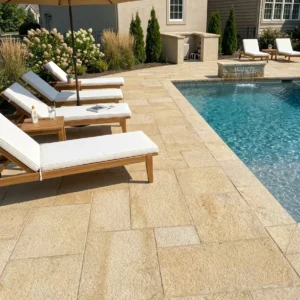
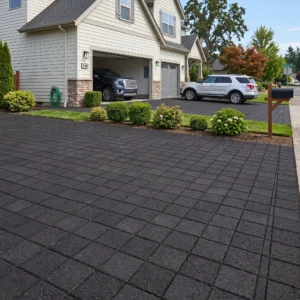
Layout Sets the Tone Before Any Stone Is Cut
Flagstone walkway design ideas get evaluated on aesthetics far too often — but the layout geometry you choose dictates drainage behavior, foot traffic durability, and long-term joint integrity just as much as the stone species itself. A random irregular pattern with tight joints performs very differently under load than a coursed rectangular layout with open planted joints, even when the same stone is used. Getting clear on that distinction early prevents costly corrections six months after installation.
Stepping Stone Walkway vs Full Flagstone Path: Which Actually Works Better?
The stepping stone walkway vs full flagstone path question comes up on almost every residential project, and the honest answer depends on your traffic volume and base conditions. Stepping stones spaced 18–24 inches apart suit low-traffic garden routes where ground cover fills the gaps and drainage is the priority. Full coverage flagstone paths — where stones are laid edge to edge with minimal or mortared joints — are the right call for primary entry routes where heel-and-toe traffic concentrates load repeatedly in the same zones.
Full coverage also gives you more structural control. You can spec a consistent 1.5-inch or 2-inch nominal thickness across the run and achieve predictable load distribution. With stepping stones, uneven thickness across individual pieces creates differential settlement — particularly in clay-heavy soil profiles — that turns a charming path into a tripping hazard within two to three seasons. According to flagstone sedimentary rock characteristics and paving use, the compressive strength and bedding plane characteristics of flagstone directly influence how individual pieces behave under point loading, which is exactly the issue with uneven stepping stone installations.
Flagstone Path Layout Styles Worth Knowing
Your layout decision shapes every downstream specification: joint width, base depth, edge restraint type, and even the mortar system. These are the four flagstone path layout styles that cover most residential and commercial applications:
- Random irregular — organically shaped pieces fitted together like a puzzle; highest visual interest, most labor-intensive to cut and fit, requires careful base prep to prevent rocking on irregular undersides
- Random rectangular — cut pieces in varied sizes laid in a staggered pattern; balances natural appearance with dimensional consistency and is significantly easier to install level
- Coursed rectangular — uniform rows that run the full width of the path; the most formal look and the easiest to achieve consistent joint spacing and slope across
- Stepping stone offset — individual pieces separated by planted or gravel joints; suits garden paths and low-formality applications, but demands vigilant thickness sorting before installation
The coursed rectangular layout is worth a second look for high-formality front entry walks. The clean geometry reads well against architectural elevations that have strong horizontal and vertical lines, and it simplifies ADA-compliance reviews because surface variation across the path width stays within tighter tolerances. ASLA natural stone walkway and stepping stone design guidance highlights how layout pattern interacts with drainage slope and surface continuity — factors that matter both aesthetically and for code review.
Outdoor Stone Walkway Material Choices That Hold Up
Stone species selection determines surface texture, thermal behavior, absorption rate, and maintenance cycle — none of which you can change after installation without a full replacement. These are the outdoor stone walkway material choices that come up most often in high-performance flagstone walkway projects:
- Limestone flagstone — warm buff-to-grey tones, moderate absorption (typically 3–7% by weight), excellent for formal layouts; requires sealing in wet climates to prevent staining at joints
- Slate flagstone — tight grain, natural cleft surface stays naturally textured without mechanical finishing, low absorption below 1.5% in quality grades; check for delamination risk in thin pieces under freeze-thaw cycling
- Sandstone flagstone — earthy reds and tans, high porosity (8–12% absorption range in many grades), softer surface that weathers to a tactile patina; avoid in high-traffic zones where abrasion is a concern
- Quartzite flagstone — among the hardest sedimentary options, low absorption below 2%, resists staining and abrasion well; tends to have a more consistent color range than sandstone
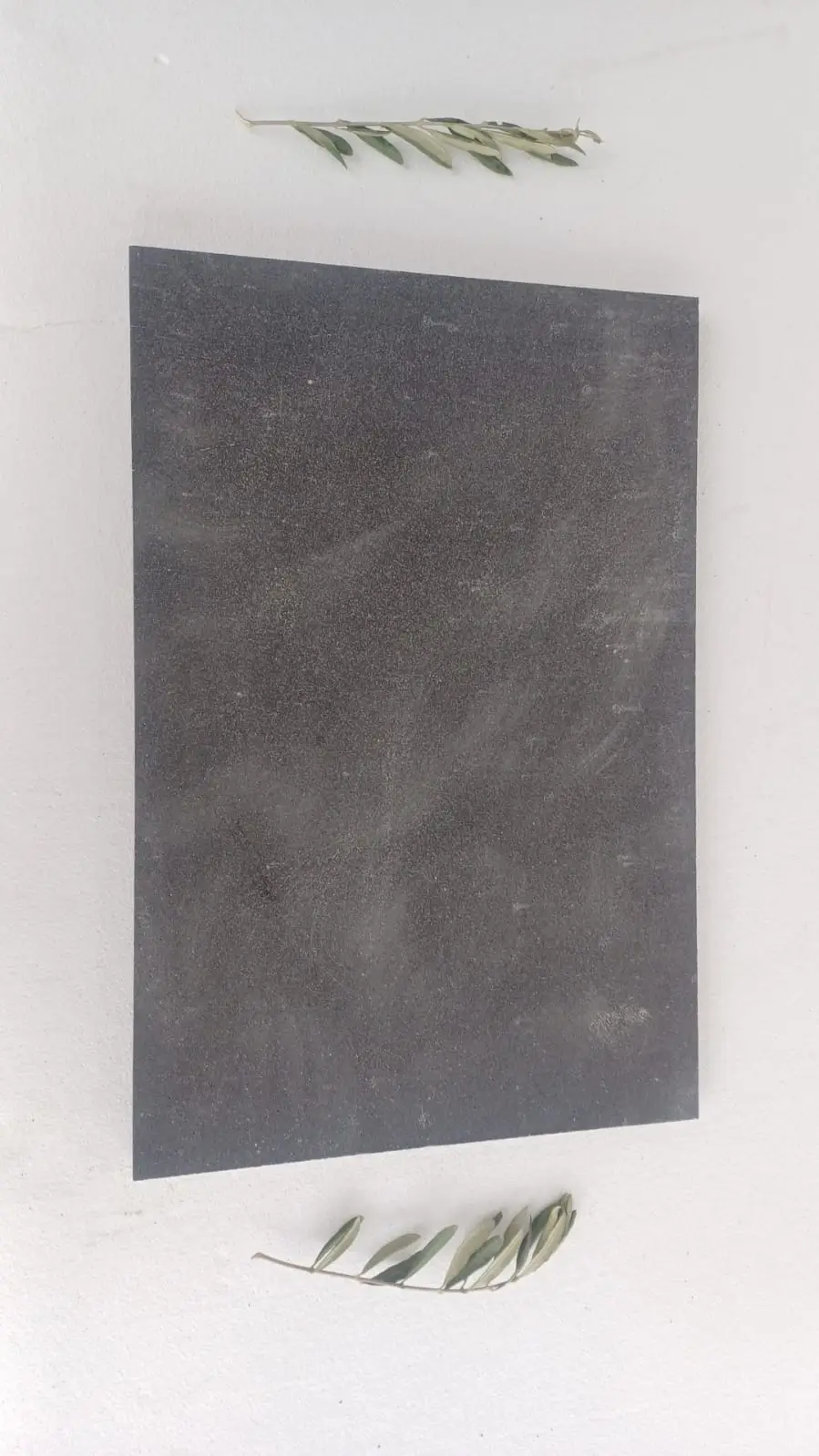
- Basalt flagstone — igneous origin means near-zero absorption and excellent compressive strength above 20,000 PSI; charcoal-to-black tones; thermal conductivity runs higher than sedimentary alternatives, so surface temperature in direct sun is worth factoring in
At Citadel Stone, we run absorption testing on incoming stock before it goes to warehouse inventory — not every quarry batch meets the performance specifications printed on the supplier’s data sheet, and that variance matters for long-term performance. Verifying absorption class before you commit to a material is a step that separates reliable installations from ones that come back as service calls.
Base Depth, Code Requirements, and What Structural Standards Actually Require
Here is what most walkway specifications underestimate: building codes frequently specify minimum base depths and sub-base compaction standards that exceed what generic installation guides recommend. In frost-prone regions, base depths of 8–12 inches below finish grade are common code minimums to get below the frost line — well above the 4-inch compacted aggregate base that appears in basic DIY references. Verify the frost line depth for your region before finalizing any base specification for a flagstone walkway design, because under-depth bases in freeze-thaw regions produce heaving that destroys joint integrity within the first winter cycle.
Edge restraint is a related code consideration that frequently gets omitted from residential walkway designs. Without a continuous edge restraint — typically a concrete haunch, steel edging, or a mortared border course — lateral migration of the outer course begins within the first year of traffic, progressively widening joints and creating trip edges. Some municipalities’ building departments now require edge restraint documentation as part of hardscape permit applications. Check before you pour your base, not after. According to ADA walkway surface firmness and accessibility standards, surface stability and cross-slope requirements for accessible routes apply to natural stone walkways, adding another compliance layer to the base and layout specification for any path that serves a public or semi-public entry.
Surface Finish and Slip Resistance Across Flagstone Types
Natural cleft surfaces — the split face you get when flagstone is separated along its natural bedding plane — typically carry a pronounced natural texture; request the wet DCOF test report for the finish you specify and check it against the 0.42 wet minimum published in ANSI A326.3. Honed and thermal finishes reduce that range considerably, and for a primary entry walk that encounters rain, morning dew, or irrigation runoff, the finish selection deserves the same attention as the species selection.
For natural stone front walkway inspiration that also has to perform in wet conditions, a natural cleft limestone or a thermal-finish quartzite gives you the visual refinement of a cut stone without the slip risk of a polished surface. The sandblasted finish is worth considering for steep-slope walkway sections — it mechanically increases micro-texture on stones that would otherwise read as too smooth after traffic polish develops over several years of use. CDC slip-and-fall prevention guidelines for outdoor walking surfaces provide a useful benchmark for surface friction requirements that you can apply directly to your finish specification decisions.
Pattern and Proportion for Front Entry Curb Appeal
The proportion of the walkway width to the surrounding landscape elements determines whether the path reads as a strong design statement or an afterthought. A front entry walk that runs from a public sidewalk to a residential entry door typically works best at 48–60 inches wide — wide enough for two people to walk side-by-side comfortably and to hold proportion against a standard residential facade. Narrower paths at 36 inches or below tend to read as service routes rather than primary entries, regardless of the quality of the stone.
For irregular random layouts, plan your joint width intentionally rather than letting it occur as a byproduct of fitting. Joints in the 1/2-inch to 1-inch range filled with polymeric sand give you a clean, controlled finish that supports the overall flagstone walkway design ideas you started with. Joints above 1.5 inches start to look unintentional unless you are using planted ground cover — and planted joints introduce a maintenance commitment that needs to be part of the conversation with the property owner upfront. Browse our stone pathway paver collection for thickness-sorted flagstone that arrives ready for dry-set or mortar installation without the field-sorting delays that variable quarry stock creates.
Planning and Ordering Your Flagstone Walkway Material
Accurate material quantity estimation requires you to account for the pattern efficiency of your chosen layout. Random irregular patterns have cutting waste that typically runs 15–20% above the net square footage of the walkway area. Rectangular layouts drop that waste to 8–12% with careful planning. Order to the higher waste allowance — running short mid-project and ordering a second pallet risks a noticeable color or texture variation between batches, even from the same quarry.
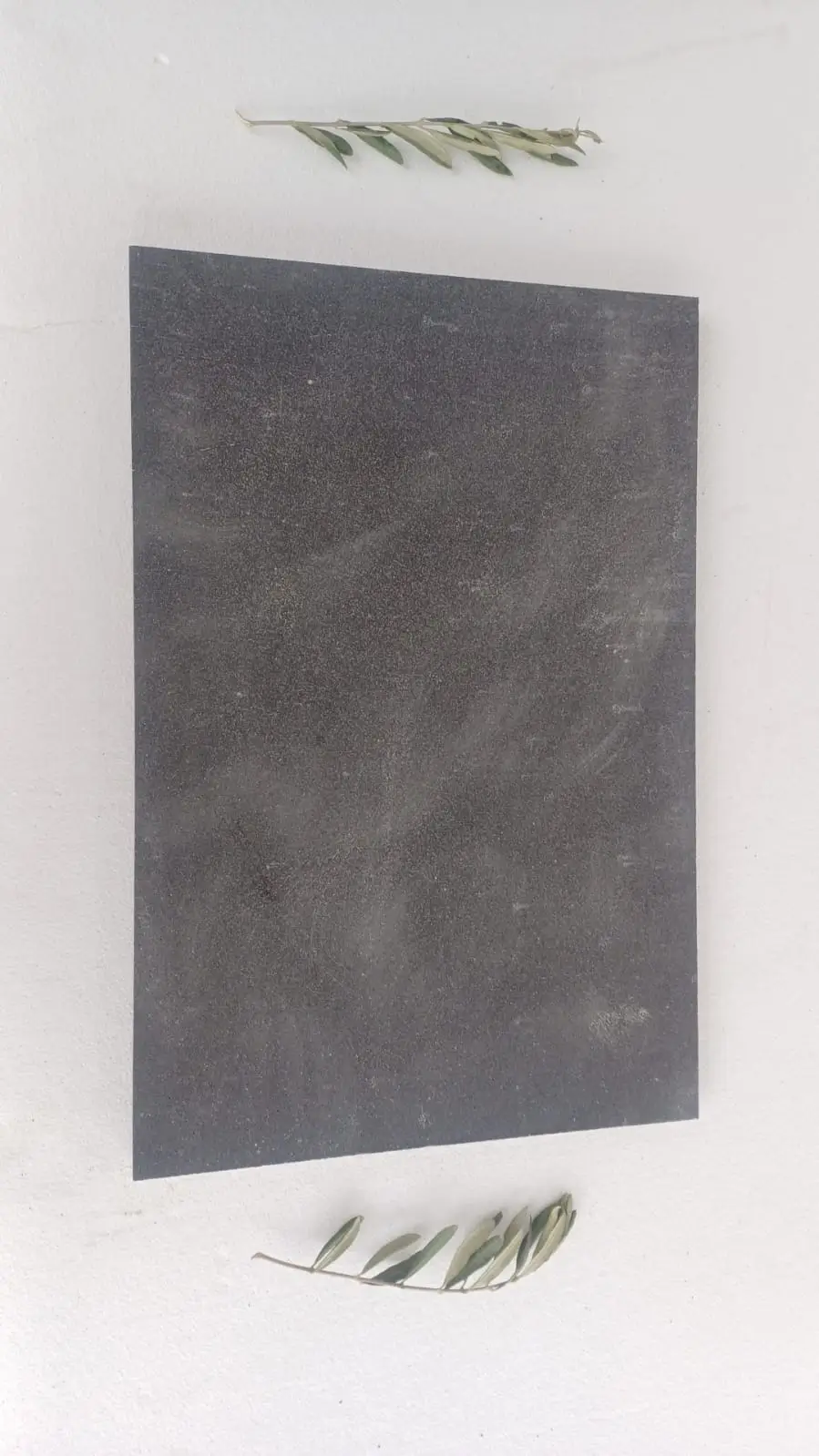
Lead times from warehouse stock typically run 1–2 weeks for standard flagstone sizes, but custom thickness sorting or specific color-matching requests can extend that to 3–4 weeks. Factor that into your project schedule before confirming installation dates with a contractor. Truck access to the delivery site is another detail worth confirming early — full pallets of flagstone run 2,000–3,000 lbs, and if the truck cannot get close to the installation area, your handling cost and breakage risk both increase significantly. Citadel Stone’s logistics team can advise on pallet delivery configurations that suit constrained residential access conditions, which is worth a conversation before the order ships.
Flagstone Walkway Design: Getting It Right From the Start
Flagstone walkway design ideas work best when the visual concept and the structural specification are developed together rather than sequentially. The layout pattern you choose, the stone species you specify, and the base depth you commit to all influence each other — and getting that integration right from the planning stage is what separates a walk that looks good at installation from one that still looks good a decade later. Your finish selection, edge detail, and joint treatment each carry aesthetic weight, but they also carry performance consequences that show up long after the project photograph is taken. As you finalize your flagstone walkway design and think through the broader care cycle, flagstone sealing guidance covers the maintenance decisions that determine how well the surface holds up over time. Direct from quarries in Turkey, the Mediterranean, and beyond, Citadel Stone flagstone arrives in earthy tones that blend naturally with planted borders and lawn edges.
Related reading: flagstone pavers vs concrete pavers · flagstone pavers cost per square foot · cost of flagstone vs pavers.