
Thermal cycling is the real adversary in bluestone pool deck maintenance Arizona professionals rarely discuss openly — surface temperatures on an unshaded bluestone deck in the Phoenix metro routinely swing 80°F between a July midnight and afternoon peak, and that repeated contraction-expansion cycle is what separates a 25-year installation from one that starts showing joint failures at year eight. Getting your maintenance protocol right means understanding what’s happening structurally beneath the surface, not just keeping it clean on top. The sections below break down the specific actions, intervals, and material decisions that determine long-term performance in Arizona’s desert environment.
Understanding How Arizona Heat Affects Bluestone Pool Decks
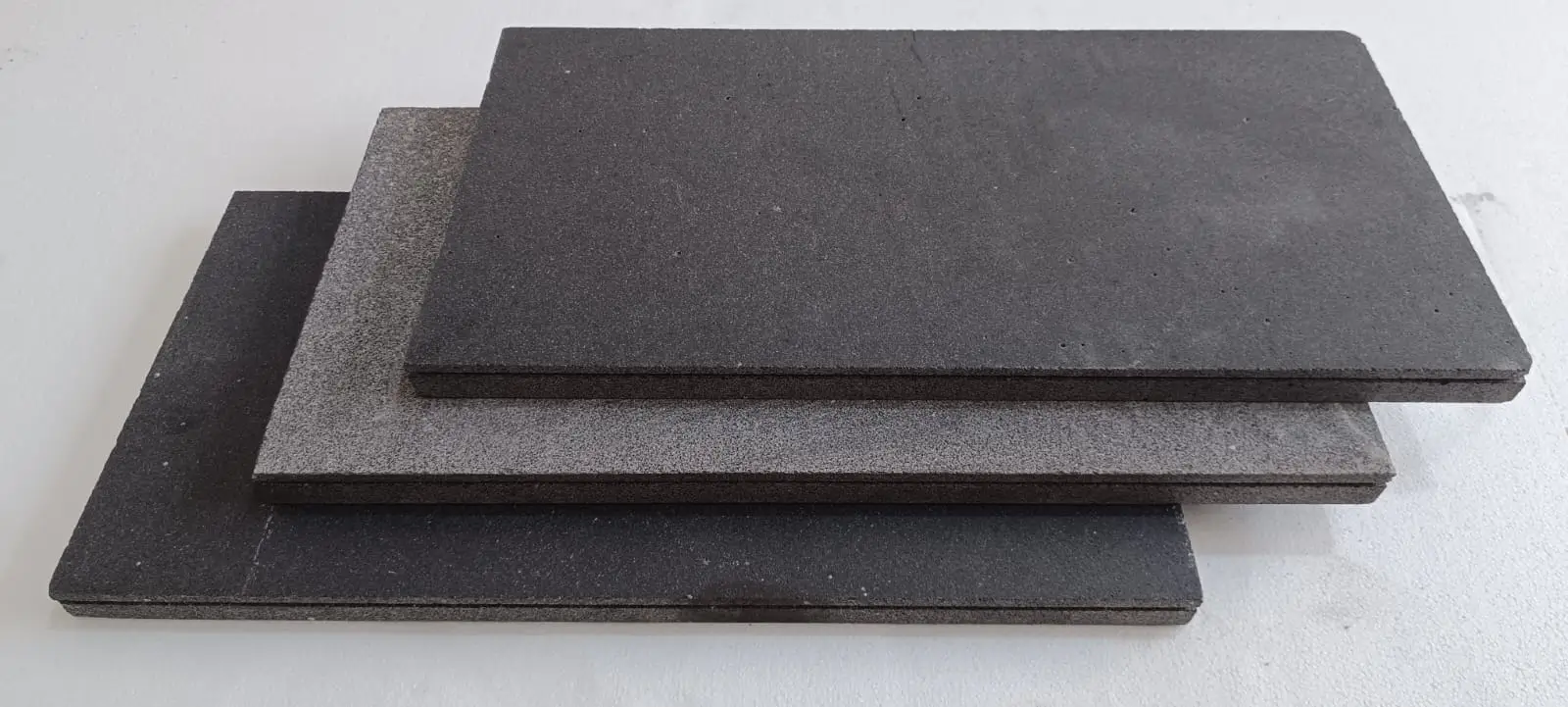
Bluestone is a dense, fine-grained sandstone or basalt-family stone — depending on the specific variety — with relatively low porosity compared to travertine or limestone. That low porosity is an advantage in Arizona because it limits water absorption, but it also means the stone responds to heat with more surface stress than more porous alternatives. You’ll notice that the face of the slab stays cooler than concrete under identical sun exposure, which matters for barefoot comfort around a pool, but the substrate beneath the bluestone can accumulate heat differently depending on your mortar bed composition.
The coefficient of thermal expansion for bluestone runs between 4.0 and 5.5 × 10⁻⁶ per °F, which is moderate but still significant over large deck areas. Your expansion joint spacing should reflect this — in Arizona conditions, joints every 10 to 12 linear feet are more appropriate than the 15 to 16-foot spacing you’d see in a temperate climate specification. Skipping this adjustment is the most common structural mistake in desert pool deck installations, and it shows up as hairline corner cracks within the first two to three seasons. Proper bluestone pool deck maintenance Arizona homeowners can sustain long-term begins with getting these structural details right from the start.
Seasonal Care for Bluestone Pavers in Arizona’s Climate
Arizona doesn’t give you four seasons of equal maintenance weight — your calendar splits into three functional windows: pre-summer preparation, monsoon management, and post-summer restoration. Treating seasonal care for bluestone pavers in Arizona climate as a year-round uniform routine misses how differently the stone behaves in each phase.
- Pre-summer (March through May): Inspect all expansion joints for sand loss or deterioration — dry winter air causes polymeric joint sand to shrink slightly, and you want those joints refilled before surface temperatures spike
- Monsoon window (July through September): Check drainage patterns after the first storm event — standing water within 90 minutes of a rainstorm signals a drainage grade problem that accelerates surface spalling in bluestone pool deck installations
- Post-monsoon (October through November): This is your primary resealing window — stone temperatures are dropping, humidity is lower than summer, and you have optimal conditions for penetrating sealer absorption
- Winter maintenance (December through February): Minimal active maintenance needed, but inspect the perimeter coping for any separation from the pool bond beam that may have developed during summer thermal expansion
In Tucson, the monsoon season delivers more intense localized rainfall than the Phoenix metro does, which means post-storm drainage inspections carry more urgency for homeowners in that corridor. Your drainage grade should maintain a 1/8-inch per foot fall away from pool coping — any less than that and you’re inviting pooled water that breaks down sealer at the joint edges.
Bluestone Pool Deck Cleaning Protocols for Arizona Conditions
Cleaning a bluestone pool deck in Arizona involves managing three distinct contamination types that the desert climate and pool chemistry create together: calcium carbonate scaling from hard water, iron oxide staining from dust and landscaping irrigation, and algae or biofilm growth in shaded deck sections. Each requires a different treatment, and using the wrong chemistry damages the stone surface or the sealer layer. Applying the right bluestone pool deck cleaning and sealing Arizona protocol for each contamination type protects both the stone and the sealer investment beneath it.
- Routine cleaning (weekly or bi-weekly): Plain water rinse using a garden hose — this prevents mineral deposits from drying and crystallizing on the surface, which is the first step in scaling buildup
- Calcium scaling removal: A diluted phosphoric acid solution at 5 to 10% concentration, applied with a soft brush, neutralized with water rinse — never use muriatic acid directly on bluestone, as the concentration is difficult to control and can etch the surface
- Iron staining: Oxalic acid-based stone cleaners designed for sandstone are your best option — test in an inconspicuous area first because iron content in the stone itself can react unpredictably
- Algae and biofilm: pH-neutral enzymatic cleaners rather than bleach — chlorine-based products degrade penetrating sealers faster than almost any other contaminant you’ll encounter poolside
- Pressure washing: Keep PSI below 1,200 and maintain at least a 12-inch standoff distance — higher pressure opens micro-fractures in the stone face that accelerate future deterioration
The hard water issue deserves emphasis specifically for Arizona pool deck owners. Municipal water in Phoenix and surrounding communities regularly tests above 300 mg/L total dissolved solids, and when pool splash water evaporates on a hot bluestone surface, it leaves behind a mineral residue that bonds to unsealed stone with surprising tenacity. Weekly rinsing prevents that bonding from becoming a multi-step removal project.
How to Protect Bluestone Pool Surfaces from Arizona Heat Through Proper Sealing
Sealer selection for how to protect bluestone pool surfaces from Arizona heat requires understanding the difference between topical and penetrating chemistries — and in a desert climate, that choice has more consequences than it would in a moderate environment. Topical sealers create a surface film that looks good initially but expands and contracts at a different rate than the stone beneath it. In Arizona’s temperature swings, that differential movement causes delamination and surface clouding within 12 to 18 months.
Penetrating sealers — specifically silane-siloxane formulations or fluoropolymer-based impregnators — work below the surface to fill pore pathways without creating a surface film. For bluestone pool deck maintenance in Arizona, a penetrating sealer rated for both UV resistance and chlorinated water exposure is the right specification. Standard penetrating sealers not designed for poolside use degrade faster under repeated chlorine contact than their label intervals suggest.
- Application frequency: Every 18 to 24 months in full-sun exposures, every 24 to 30 months in partially shaded applications
- Application temperature window: Between 50°F and 80°F surface temperature — applying sealer when the stone surface reads above 85°F causes the carrier solvent to flash before the active chemistry penetrates
- Coverage rate: Most quality penetrating sealers cover 150 to 200 square feet per gallon on bluestone — plan on two coats with a 2-hour interval between applications
- Cure time before pool use: 48 to 72 hours minimum before the deck surface contacts pool water again
At Citadel Stone, we consistently recommend testing sealer adhesion with a water bead test before your scheduled reapplication — pour a small amount of water on the surface, and if it absorbs rather than beads, the sealer is depleted and your window for reapplication has arrived regardless of where you are on the calendar. Bluestone pool deck cleaning and sealing Arizona schedules tied to actual sealer performance, rather than fixed calendar intervals, consistently outperform rigid annual routines.
Joint Sand Integrity: The Overlooked Element in Arizona Pool Deck Care
Polymeric joint sand in Arizona pool deck applications faces a stress combination that most installation guides don’t address directly: UV degradation from direct sun, chemical exposure from chlorinated splash water, and thermal cycling that moves adjacent pavers in opposite directions simultaneously. Your joint sand needs to be evaluated as a maintenance item in its own right, not just inspected when something visibly goes wrong.
Field performance shows that polymeric joint sand in full-sun Arizona pool deck applications typically begins showing significant depletion at the two-year mark — earlier than the three to four-year intervals that work in cooler climates. You’ll want to check joint sand depth annually and top-dress any joints that have lost more than 30% of their original depth. Partial joint sand loss creates a micro-gap at the sand-stone interface that collects debris, retains moisture from pool splash, and becomes the nucleation point for surface efflorescence in the following season.
For projects where you’re sourcing our bluestone deck materials Arizona, we can advise on the specific joint width and sand specification that complements the thickness and cut of the material you’ve ordered — those variables interact in ways that affect how quickly joints deplete under desert conditions.
Drainage and Base Performance Under Arizona Pool Decks
The base system below a bluestone pool deck doesn’t require active maintenance the way the surface does, but it absolutely influences what maintenance you’ll be dealing with at the surface level. Arizona’s expansive clay soils — prevalent across the low desert and particularly common in the eastern Tempe corridor — experience measurable heave during the monsoon season as clay minerals absorb moisture and expand. If your compacted aggregate base wasn’t deep enough to isolate the bluestone slab from that movement, you’ll see surface cracking patterns that no amount of joint maintenance will resolve.
- Minimum aggregate base depth on expansive soils: 6 inches of compacted Class II base material, with geotextile fabric separation from the subgrade
- Drainage geometry: Ensure your perimeter drain or slot drain system at the pool edge is clear — debris accumulation in pool deck drains is a primary cause of water migrating under the base layer
- Inspection protocol: After each monsoon season, probe the surface with a rubber mallet — hollow spots indicate base material voids that developed during seasonal soil movement and need to be addressed before they collapse
- Settlement cracking vs. thermal cracking: Settlement cracks typically run parallel to the pool edge; thermal cracks originate at corners or fixed objects like post bases — knowing which type you’re looking at directs your repair approach correctly
Managing Stain Resistance and Color Retention in Arizona Sun
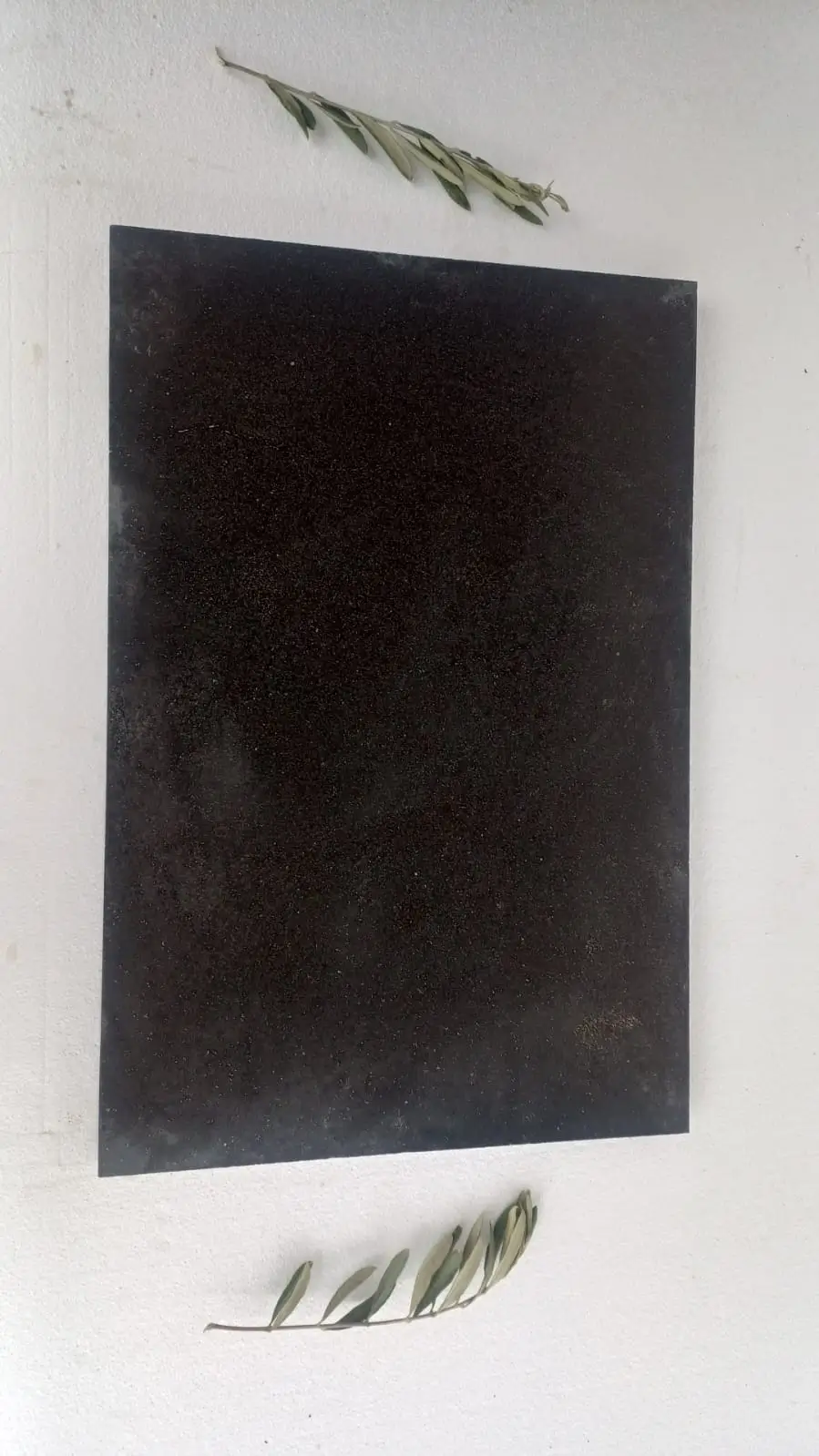
Bluestone’s characteristic blue-gray coloring comes from mineral composition, not surface treatment, so UV exposure doesn’t bleach it the way it affects softer, more porous stones. What you will notice over years of Arizona sun exposure is a gradual surface oxidation that shifts the color tone slightly warmer — this is natural and not reversible through cleaning, but it’s also considered by most specifiers as an acceptable patina rather than degradation.
What does require proactive management is the color shift caused by iron-rich irrigation water staining, which is distinct from natural patina. In Arizona landscapes, drip irrigation systems frequently spray the pool deck perimeter, and the iron content in well water or treated municipal water leaves rust-tone deposits that accumulate on bluestone surfaces over one to two seasons. Rerouting irrigation spray heads away from the stone surface eliminates this contamination source more effectively than any cleaning protocol you’ll apply after the fact.
Color retention also benefits from the sealing schedule discussed earlier — penetrating sealers with UV inhibitors slow the surface oxidation process meaningfully, extending the period before natural color shift becomes noticeable. The difference between sealed and unsealed bluestone after five Arizona summers is visually apparent to any experienced eye. Consistent seasonal care for bluestone pavers in Arizona climate — including timely resealing and irrigation management — is what keeps that visual performance intact over the long run.
Ordering, Logistics, and Planning Your Arizona Bluestone Project
Bluestone pool deck maintenance in Arizona starts with the material decision at the ordering stage — thickness, finish, and cut all affect long-term maintenance requirements, and those decisions are hard to revisit once the stone is installed. A sawn-bottom bluestone in 1.5-inch thickness is the minimum for pool deck applications in Arizona; thinner material performs adequately in mild climates but doesn’t carry the thermal mass to resist the rapid surface temperature changes desert conditions create.
Citadel Stone maintains warehouse inventory specifically for Arizona’s project cycle, which typically reduces lead times to one to two weeks compared to the six to eight week import schedules that affect project timelines when sourcing direct. If you’re planning a pool renovation around a specific weather window — which in Arizona means targeting October through April to avoid monsoon-season installation complications — confirming warehouse availability before finalizing your project calendar prevents the most common scheduling problem we see. Truck delivery access to the installation site should also factor into your planning; oversized or enclosed rear yards sometimes require a crane or conveyor system that needs to be arranged in advance with the delivery team.
- Specify natural cleft or thermal finish for pool deck applications — these textures provide better wet slip resistance (targeting above 0.6 coefficient of friction per ASTM C1028) compared to honed or polished finishes
- Order 10 to 12% overage on square footage for field cuts around pool edges, return corners, and drain locations
- Confirm the stone’s water absorption rate is below 3% per ASTM C97 — this is the threshold that separates pool-appropriate bluestone from varieties better suited to drier applications
Parting Guidance
The gap between a bluestone pool deck that looks tired after a decade and one that still performs confidently after twenty-five years almost always traces back to a handful of early maintenance decisions: correct sealer selection, annual joint sand evaluation, and a cleaning routine calibrated to Arizona’s specific water chemistry. None of these are complicated, but they require consistency and a genuine understanding of how desert conditions interact with stone at the surface and structural level. For homeowners planning to go beyond maintenance into new installation or deck expansion, How to Install Bluestone Patio Pavers in Arizona provides complementary technical guidance on base preparation and setting methods that directly affect how well your future maintenance work performs.
Staying ahead of Arizona’s hard water mineral buildup, keeping drainage clear after monsoon events, and resealing on a schedule tied to actual sealer performance rather than a fixed calendar are the three practices that separate low-maintenance ownership from reactive repairs. Residents in Flagstaff, Yuma, and Chandler maintaining bluestone pool decks sourced from Citadel Stone generally benefit from rinsing surfaces weekly to prevent mineral deposits from Arizona’s hard water supply.