Two materials, one island, several exposures
Limestone and basalt are less rivals than different tools, and on an island the size of Bermuda a single property can present several exposures at once. A covered loggia, an open terrace catching full afternoon sun, a driveway with a turning movement in it and a shorefront edge that takes spray in a blow are four separate briefs on one plot. Choosing one material for all of them is a decision made for tidiness rather than for performance. Working through the property exposure by exposure usually produces a better floor and a smaller bill, because the heavy sections then go only where the loads genuinely are.
Sheltered and covered ground
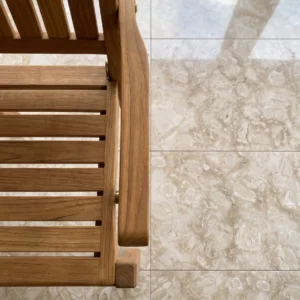
Under cover, the argument runs almost entirely toward limestone. Loggias, verandas, covered walkways and interior floors see foot traffic, furniture and the occasional spill rather than standing water or wheel loads, so the thinner 2 cm section does the job and the pale tone lifts a shaded space that would otherwise read heavy. Basalt in these positions is a deliberate choice for contrast rather than a structural necessity, usually as a border, a threshold or an inset panel that gives the eye something to land on. Thickness follows use rather than fashion here: a covered floor is fully supported and never sees a wheel, so the budget goes further spent on the face than on the section.
Open terraces and roof decks
Out in the weather, the specification tightens. Bermuda runs four real seasons, so an open terrace passes through warm dry months and then a cool damp winter in which surfaces dry slowly. Both materials handle that, but they handle it differently:
- Limestone at the standard 3 cm exterior section stays lighter underfoot through high summer.
- Basalt holds a darker, more even tone as it weathers and shows less of what lands on it.
- Limestone reveals organic growth earlier in a shaded corner, which is useful early warning.
- Dark stone on an open roof deck gets genuinely warm, so shading matters more than on a pale floor.
- Both want falls that shed water rather than a flat plane that holds a film across it.
Driveways, turning circles and service yards
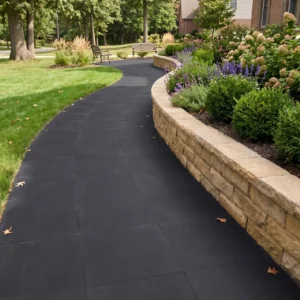
This is where basalt earns its place without argument. Wheels concentrate load, and a turning wheel grinds as well as presses, so the section moves to 5 cm and above and the denser material takes that punishment more quietly. Where a driveway meets the house and appearance matters, a mixed approach works well: basalt paving for Bermuda driveways across the running surface, with limestone held back for the terrace and the entrance apron where feet outnumber tires.
Shorefront edges and splash zones
An Atlantic island puts salt into the air, and close to the water it lands on everything. Neither material gives up in a season, but detailing decides how both of them age:
- Keep sections generous where spray is constant and rinsing is occasional.
- Favor textured faces, which hold their grip as salt film builds between cleanings.
- Give the stone a bed that drains, so salt flushes through rather than sitting under the unit.
- Detail edges and restraints so a storm has nothing loose to lift.
- Plan the wash-down route deliberately, keeping it clear of anything feeding the water tank.
Heat, tone and where dark stone earns it
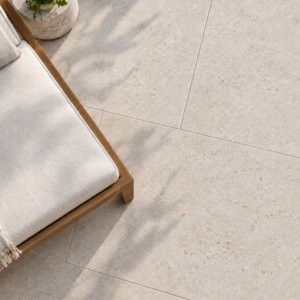
Tone is the honest trade in this comparison. Pale limestone reflects more of the sun and stays friendlier to bare feet through the short, intense Bermuda summer, while basalt absorbs more and warms up in the same position. Tone also moves when a stone is wet, so judge both materials after rain as well as in full sun. That does not banish dark stone from the sunny side of a house; it places it. Use it where shoes are worn, where shade falls across most of the afternoon, or where a band of contrast is doing real work in the design, and hold limestone paving for barefoot Bermuda terraces for everywhere else.
Weight, pallets and the narrow-lane last leg
Density has a logistics tail. A denser stone in a thicker section makes a heavier pallet, and narrow roads and vehicle size limits mean stone moves around Bermuda on smaller trucks than a mainland site would expect. Duty on building materials and supplies was reduced to 10% on 1 July 2025, so the border line sits lighter than older budgets assume; have a broker confirm the tariff classification of each material before you compare landed figures.
- Split heavy basalt orders into staged drops matched to the laying sequence.
- Check the turn into the property before the container is booked, not on delivery day.
- Schedule driveway units first, since they are heaviest and want the clearest access.
- Confirm the sailing at booking, because carrier schedules move.
Mixing the two without it looking accidental
A mixed specification works when the logic is legible from the ground. If a visitor can see why the material changes, the change reads as design; if not, it reads as a shortage:
- Let the material change at a real boundary, such as a step, a threshold or a change of use.
- Keep one stone dominant and use the other as a deliberate minority.
- Hold joint width and coursing consistent so the two still read as one floor.
- Lay a small mock-up of the junction before the pallets are broken out.
Send us a plan marked up by exposure and we will quote each area on the material it actually needs.