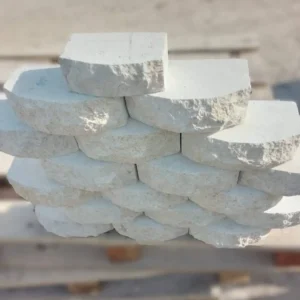
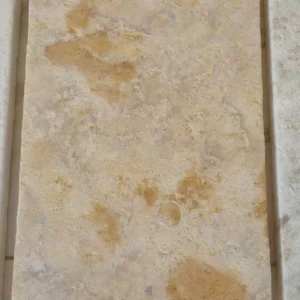
Flagstone patio installation cost variables are more nuanced than most budget calculators suggest — the gap between a $12-per-square-foot project and a $28-per-square-foot project often comes down to decisions made before a single stone is placed. Base depth, stone thickness, joint treatment, and whether you’re working with irregular fieldstone or sawn-edge slabs all drive cost in ways that aren’t obvious until you’re pricing materials and labor side by side. Understanding how those variables interact gives you real control over where your budget goes.
What Actually Drives Flagstone Patio Installation Cost
The cost to install flagstone patio varies dramatically based on five core factors that compound on each other. Stone type and thickness set your material baseline. Base construction — crushed aggregate depth, geotextile fabric, and edge restraint — often equals or exceeds stone cost on well-built projects. Labor rates reflect regional demand and whether the crew is setting dry-laid or mortar-set stone. Site prep costs depend on existing grade, drainage conditions, and access for equipment. Then there’s finish treatment: sealed or unsealed, and how elaborate the joint work is.
- Stone material cost: $3–$9 per square foot depending on type, origin, and format
- Base preparation materials: $1.50–$4 per square foot for compacted aggregate and bedding sand
- Labor for installation: $6–$18 per square foot depending on pattern complexity and stone format
- Site preparation and grading: $1–$3 per square foot on moderately flat sites, higher on slopes
- Sealing and joint treatment: $0.75–$2.50 per square foot as an add-on
These ranges aren’t arbitrary — they reflect real project variation across soil types, base depth requirements, and stone selection. A 200-square-foot patio using mid-range limestone flagstone on a prepared flat site with dry-laid installation typically lands between $2,400 and $4,200 all-in. A complex mortar-set project with premium bluestone or thick-format sawn slabs on a sloped site can push past $5,600 for the same footprint.
Stone Type and Its Effect on Cost Per Square Foot
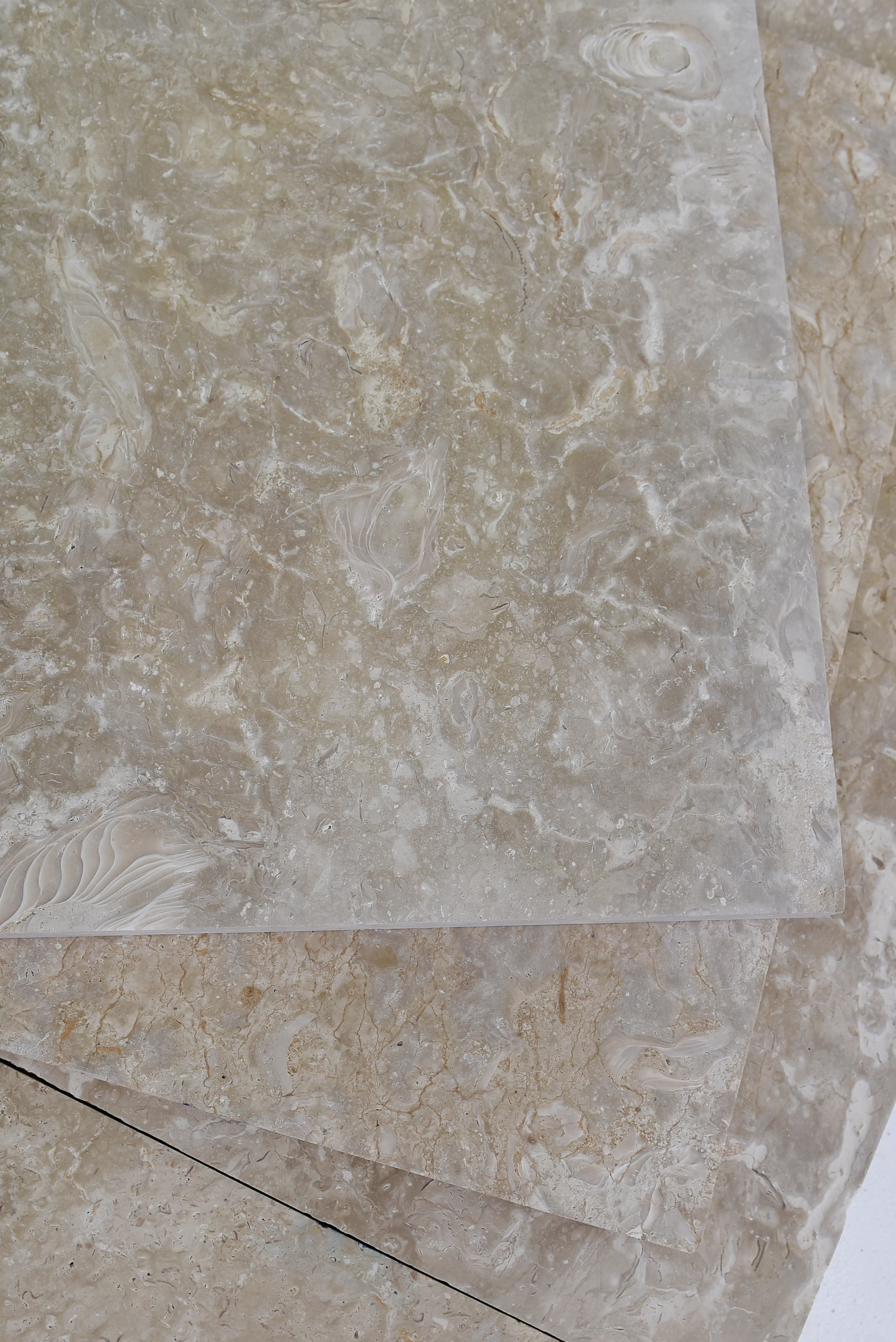
Your stone selection is the single biggest lever on material cost, and the price differential between stone types reflects real differences in quarrying complexity, slab thickness consistency, and finish availability. According to flagstone sedimentary rock characteristics and paving use, flagstone encompasses a range of sedimentary and metamorphic stone types — each with distinct performance profiles and price points.
- Irregular limestone flagstone: $3–$5 per square foot, highest coverage per ton, natural cleft finish standard
- Bluestone irregular: $4–$7 per square foot, high color variation, consistent thickness ranges
- Sawn-edge limestone or sandstone: $5–$8 per square foot, tighter tolerances reduce bedding labor
- Slate flagstone: $4–$6 per square foot, excellent for dry-laid applications
- Quartzite flagstone: $6–$9 per square foot, extreme hardness, demanding to cut on site
Thickness matters as much as stone type for cost calculations. A 1-inch nominal irregular flagstone covers more area per ton than a 1.5-inch piece, but thinner stone demands more precise bedding and is unforgiving on imperfect base compaction. For most residential patio applications, 1.25–1.75 inches delivers the best balance of coverage rate and structural tolerance. Anything under 1 inch in a mortar-set application risks hairline fractures within two freeze-thaw seasons.
Format choice — irregular versus cut-to-size versus dimensional — also shapes your total flagstone patio installation cost significantly. Irregular flagstone requires more skilled labor time to fit joints attractively, but the material cost is lower. Dimensional cut flagstone installs faster with predictable joint spacing, but the stone itself costs 30–50% more per square foot. Your labor-to-material ratio shifts meaningfully depending on which direction you go.
Base Preparation: The Cost Most Budgets Underestimate
Base preparation is where flagstone patios succeed or fail over time, and it’s consistently the line item homeowners push back on during budgeting conversations. A properly built base — typically 4–6 inches of compacted crushed aggregate over a prepared subgrade, topped with a 1-inch bedding layer — adds $1.50–$4 per square foot to project cost. That’s real money on a 300-square-foot patio. But the absence of a proper base is the leading cause of flagstone settlement, joint failure, and drainage problems that require full re-installation within 8–10 years.
- Subgrade excavation: typically 6–10 inches of removal depending on base depth requirements
- Compacted crushed stone base (4–6 inches): approximately $0.80–$1.40 per square foot in materials
- Geotextile fabric below aggregate: $0.15–$0.30 per square foot, prevents subgrade intrusion
- Bedding layer (coarse sand or stone dust): $0.20–$0.40 per square foot
- Edge restraint installation: $2–$5 per linear foot, critical for dry-laid applications
Clay-heavy soils require deeper base construction than the standard 4 inches — often 6–8 inches in regions where soil expansion and frost heave are factors. The USGS flagstone and dimension stone paving data confirm that installation longevity in natural stone paving correlates directly with subbase engineering, not just stone quality. Skipping depth on clay soil is the most predictable way to generate a callback within three years.
Disposal of excavated material adds to cost on urban or restricted-access sites. Expect $150–$300 in haul-away fees if truck access is limited and material needs manual loading. Factor this in early — it’s a surprise cost that can shift your budget by 5–8% on smaller projects.
Labor Cost: Dry-Laid vs. Mortar-Set Installation
The installation method you choose shapes labor cost more than almost any other variable. Dry-laid flagstone — stone set directly on a compacted aggregate base with sand or stone dust bedding — runs $6–$10 per square foot in labor on a standard residential project. Mortar-set flagstone over a concrete slab runs $10–$18 per square foot depending on slab condition, stone format, and joint complexity.
Dry-laid installation is faster to execute on straightforward sites, allows natural drainage between stones, and is repairable without professional equipment if settlement occurs later. The trade-off is that it demands more precise base compaction and is less forgiving on slopes where lateral stone migration can develop over time. Mortar-set over concrete eliminates movement but concentrates stress at the stone-mortar interface — a concern in freeze-thaw regions where thermal cycling works at those bonds over multiple seasons.
- Pattern complexity increases labor time: random irregular sets take 15–20% longer per square foot than dimensional grid patterns
- Stone thickness variation in irregular flagstone requires constant bedding adjustment — this is where experienced crews pay for themselves
- Joint treatment (polymeric sand, mortar, or decomposed granite) adds $0.50–$1.50 per square foot in labor beyond stone placement
- Step construction adjacent to the patio runs $150–$350 per tread depending on stone thickness and rise height
Crew experience matters more with irregular flagstone than with any other paving material. An inexperienced installer working with natural cleft irregular stone can spend three times as long on fit and joint consistency as a crew with 500+ hours on the same material. If you’re getting labor quotes with a 2:1 spread, the low bid almost certainly reflects limited irregular flagstone experience — and that shows in the finished joint work.
Cost to Lay a Flagstone Patio by Project Size
Scaling affects per-square-foot cost in both directions. Smaller projects carry higher unit costs because mobilization, base material delivery minimums, and setup time don’t scale proportionally with square footage. Larger projects bring material cost down through volume pricing but introduce logistical complexity that can offset savings — particularly around truck access for aggregate delivery and stone staging.
- Under 150 sq ft: expect $18–$28 per square foot all-in — setup and minimum delivery fees dominate
- 150–300 sq ft: $14–$22 per square foot all-in — the most common residential range
- 300–600 sq ft: $12–$18 per square foot all-in — volume starts working in your favor
- Over 600 sq ft: $10–$16 per square foot all-in — material discounts become meaningful
These ranges assume a standard residential installation on a relatively flat site. A steep slope requiring retaining elements, or a site with restricted truck access that forces hand-carry of aggregate and stone, pushes cost toward the upper end of each range regardless of total square footage. Factor site logistics into your budget before comparing quotes — contractors price access difficulty into their numbers whether they itemize it or not.
The cost of laying flagstone patio is also shaped by how efficiently materials can be staged on site. For material ordering, you can browse Citadel Stone patio flagstone to compare formats, thicknesses, and coverage rates before finalizing your square footage estimate — having material specs in hand tightens your cost-to-lay calculations significantly.
UV Exposure, Sealing Costs, and Long-Term Appearance
Sun-exposed flagstone patios face a weathering challenge that most installation budgets don’t account for: UV degradation affects surface color, mineral oxidation, and the rate at which certain stone types show efflorescence and surface wear. Lighter-colored stones — cream limestone, sandstone, buff flagstone — are particularly susceptible to color shift under sustained UV exposure, with unprotected surfaces showing measurable fading within 18–36 months in high-sun environments.
The ASLA natural stone and flagstone outdoor paving guidance emphasizes that finish selection and maintenance scheduling directly affect long-term patio performance and appearance retention. A penetrating impregnating sealer — not a topical film sealer — is the right choice for outdoor flagstone. Film sealers trap moisture and fail under UV, creating a peeling, whitish surface that costs more to remediate than the original sealing would have cost if done correctly.
- Initial sealer application: $0.75–$1.50 per square foot professionally applied, less for DIY
- Resealing schedule: every 2–3 years for exposed patios in high-UV conditions, every 4–5 years in shaded installations
- UV-stable impregnating sealers: $35–$65 per gallon, covering 200–400 sq ft per gallon depending on stone porosity
- Color-enhancing sealers deepen stone tone and partially offset UV bleaching — worth budgeting for warm-colored flagstone varieties
Honed or bush-hammered finishes hold color better under UV exposure than highly polished surfaces because they don’t rely on reflective surface integrity for their appearance. Natural cleft flagstone — the most common patio format — weathers gracefully when sealed on schedule. Skip the sealing cycle and you’re looking at surface dusting, staining penetration, and color loss that’s difficult to reverse without grinding and refinishing.
Hidden Costs That Expand Your Flagstone Patio Budget
Several cost factors appear late in the budgeting process and catch homeowners off guard. Knowing them in advance lets you build a realistic contingency rather than an optimistic one.
- Drainage modification: if your patio grade directs water toward the house foundation, corrective French drain installation adds $800–$2,500 depending on run length
- Utility marking and hand excavation near buried lines: adds 10–15% to excavation cost in developed yards
- Permit requirements: some jurisdictions require permits for patios over 200 square feet — $150–$400 in fees plus potential inspection scheduling delays
- Stone waste factor: irregular flagstone requires 10–15% overage ordering to account for cuts and breakage — factor this into your material budget, not your coverage calculation
- Tree root management: surface roots discovered during excavation require arborist consultation before mechanical removal — skip this step and you may damage tree health or void irrigation warranties
Lead times from the warehouse can also create indirect costs if your project schedule isn’t aligned with material availability. Citadel Stone carries flagstone in multiple formats with warehouse stock available for most standard specifications, which typically brings delivery lead times to one to two weeks — but specialty formats or large-tonnage orders may require additional scheduling time. Build material lead time into your contractor timeline before signing installation agreements.
DIY vs. Professional Installation: An Honest Cost Comparison
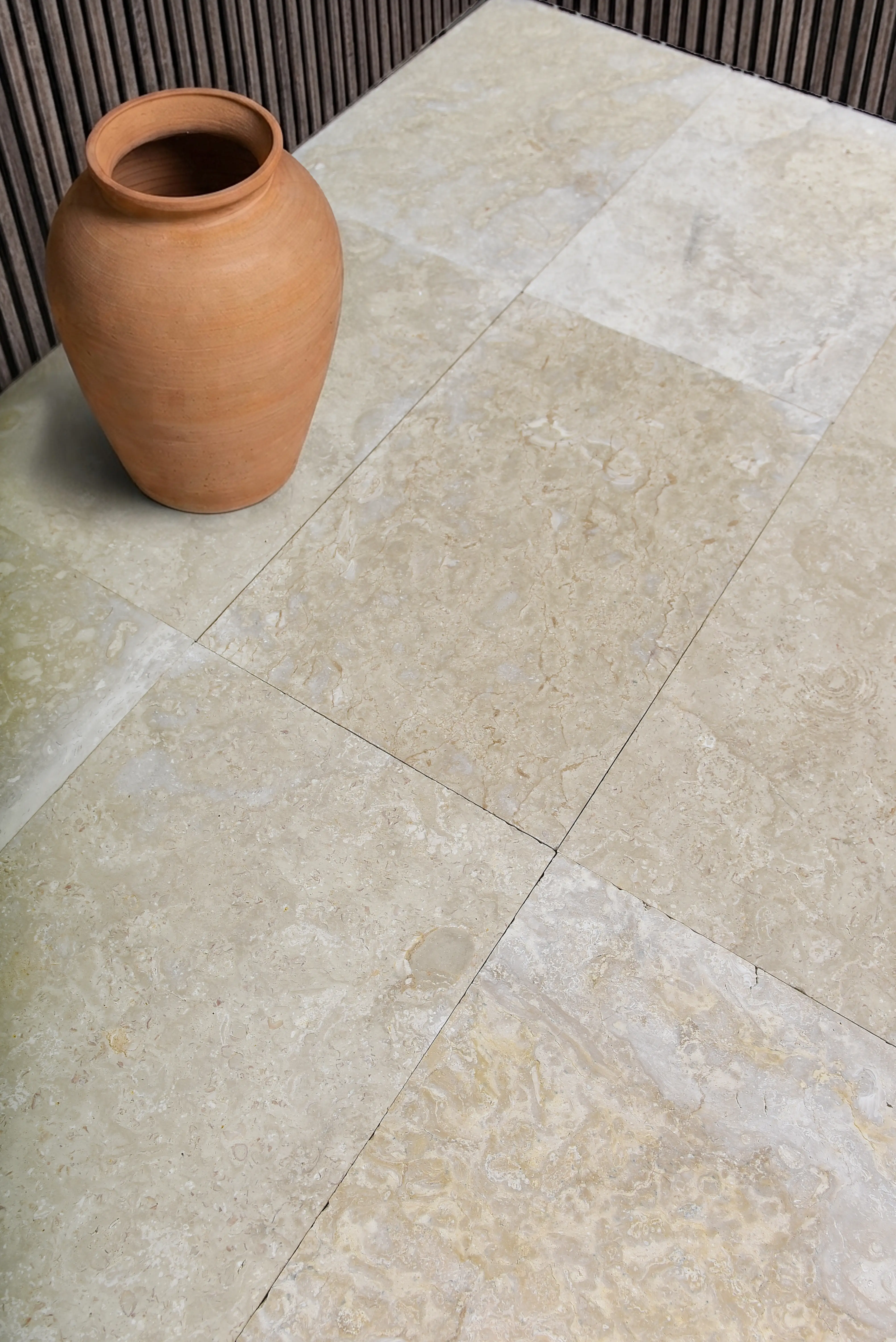
The cost to install flagstone patio yourself versus hiring a professional crew is genuinely compelling on paper — labor typically represents 50–65% of total project cost, so eliminating it looks like substantial savings. The reality is more complicated, and the math only holds if you account for equipment rental, additional time, and the risk of base errors that require professional remediation.
DIY material-only cost for a 250-square-foot irregular limestone flagstone patio runs approximately $1,200–$1,800 in stone, aggregate, bedding material, and edge restraints. Add plate compactor rental ($75–$120 per day), diamond blade wet saw rental ($80–$150 per day), and two weekends of labor, and your true cost lands at $1,600–$2,400 — versus $3,500–$5,500 for professional installation of the same scope.
- DIY is most viable for dry-laid irregular patterns on flat sites with good soil drainage
- Mortar-set flagstone over concrete is technically demanding — base mixing ratios, setting time management, and joint tooling require practice to execute well
- Any slope over 3% adds drainage complexity that benefits from professional grading
- Large-format sawn flagstone (18 inches and above) requires two-person lifts — factor additional help into your DIY time estimate
The risk in DIY flagstone installation isn’t the stone placement — it’s the base. An improperly compacted aggregate base produces settlement within 1–3 years, requiring stone lifting, re-leveling, and re-setting. Professional remediation of a failed DIY base typically costs $8–$14 per square foot, which eliminates the original savings entirely. Get the base construction right or hire a professional for that phase at minimum.
How to Get Accurate Quotes for Flagstone Patio Installation
Comparing contractor quotes for flagstone patio work is notoriously difficult because the line items rarely match between bids. One contractor prices base preparation as a separate line item; another buries it in a per-square-foot all-in rate. To compare accurately, you need to normalize every quote around the same scope of work.
- Request itemized breakdowns: stone material, base material, labor for base prep, labor for stone installation, joint treatment, sealing, and site cleanup should all be separate line items
- Specify base depth in your RFQ — ask each contractor to price for 4-inch and 6-inch base options so you can compare apples to apples
- Confirm the waste factor they’re using for irregular stone — a 10% overage order versus a 15% overage order affects material cost and should be visible in the quote
- Ask whether disposal of excavated material is included — it’s a common scope gap between the lowest and highest bids
- Verify the sealing product specified — not all sealers perform equally, and the cheapest topical film sealer will cost you more in two years than the penetrating impregnator would have cost upfront
Getting three quotes with identical scope documentation is worth the extra time. The spread on a 300-square-foot flagstone patio often runs $800–$1,500 between the lowest and highest qualified bids — and the difference almost always traces back to base construction depth and joint treatment specification, not stone material cost.
Final Considerations for Your Flagstone Patio Installation Cost
Your flagstone patio installation cost is ultimately a function of how many trade-offs you’re willing to make consciously versus which ones get made for you by a low-bid contractor cutting scope. The material quality, base depth, installation method, and sealing program all interact — compromising one typically stresses the others. A well-specified dry-laid flagstone patio on a proper 6-inch compacted base with biennial sealing can deliver 25–35 years of performance. The same area installed over an inadequate base with no sealing program may require significant remediation within a decade. Those decisions happen at the specification and planning stage, not after installation. As you finalize your stone selection, it’s also worth exploring complementary material decisions — how flagstone and bluestone compare for patios covers the performance and cost differences between these two frequently compared options. Budgeting accurately for a flagstone patio starts with material selection, and Citadel Stone offers stock in multiple formats to help align stone choice with project budget.