

What the Numbers Reveal Before You Spec a Single Tile
The ivory travertine vs porcelain tile decision looks deceptively simple on a product sheet — both materials can achieve a similar warm, creamy aesthetic — but the performance gap between them widens considerably once you account for porosity coefficients, thermal mass behavior, and long-term surface integrity under UV exposure. Porcelain typically reports water absorption below 0.5%, while natural ivory travertine ranges from 3% to 8% depending on fill treatment and quarry origin. That gap isn’t a dealbreaker for travertine, but it absolutely changes your sealing schedule, substrate requirements, and finish selection. Knowing exactly where each material excels and where it falls short is what separates a specification that holds up over decades from one that needs costly remediation inside of five years.
Material Composition and Structural Character
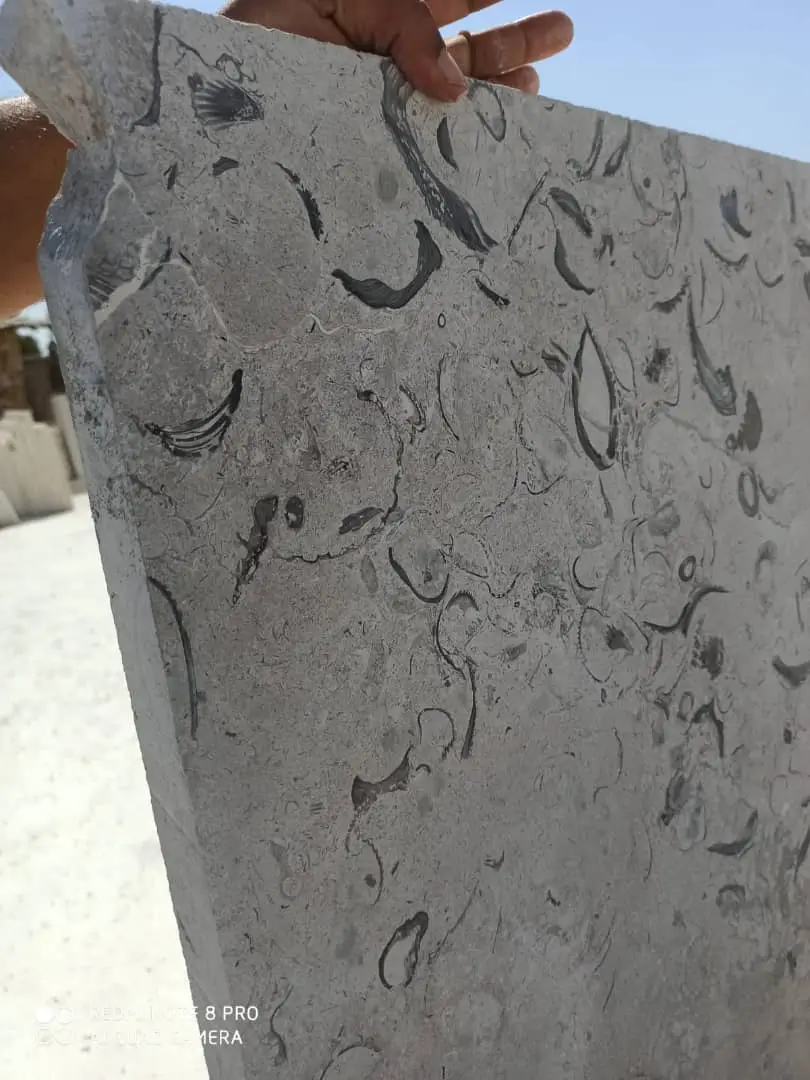
Ivory travertine is a sedimentary calcium carbonate stone formed through mineral-rich spring deposits, giving it a distinctive open-pore cellular structure that no manufactured product fully replicates. The voids — either left unfilled for a rustic texture or filled with grout or epoxy resin for a smoother finish — are part of what makes the material breathe and respond naturally to its environment. Porcelain, by contrast, is a kiln-fired ceramic pressed at high density, engineered to eliminate pore structure almost entirely.
The structural consequences are meaningful for specifiers. Travertine’s compressive strength typically falls between 4,000 and 8,500 PSI depending on density and quarry zone, while premium porcelain tiles can reach 15,000–20,000 PSI. For most residential and light commercial floor applications, both materials clear the load threshold comfortably. Where the difference becomes critical is in freeze-thaw regions — travertine’s pore network can trap moisture that expands under freezing, making proper sealing and slope drainage non-negotiable in those environments.
According to ASTM C1527 travertine dimension stone standards, travertine is classified by absorption, compressive strength, and modulus of rupture — all of which vary enough across grades that you should request lab test data for the specific material you’re sourcing, not rely on generic species averages.
Aesthetic Performance and Visual Depth
Porcelain manufacturers have made significant advances in mimicking travertine’s veining and surface variation, and at a distance — or in a product photograph — some travertine look porcelain tile options are genuinely convincing. Up close, though, the visual depth of natural stone reads differently. Ivory travertine has directional crystalline variation that catches light at different angles, producing a liveliness that printed porcelain tiles can approximate but not duplicate. For high-visibility installations where the material experience matters as much as the surface pattern, that distinction is worth real money.
Your choice of finish amplifies this gap. Honed ivory travertine produces a matte, velvety surface with visible mineral movement. Polished travertine delivers a reflective sheen that deepens color richness and creates a more formal character. Tumbled finishes expose the natural cellular texture for a more weathered, artisan look. Porcelain surfaces are technically honed, matte-glazed, or high-gloss, but the finish is applied rather than revealed — there’s no sub-surface variation beneath it. The travertine marble connection in natural stone’s heritage is most visible in polished ivory travertine, where the calcium carbonate crystalline structure produces a refined surface comparable in character to fine marble.
For projects where visual authenticity is the primary driver, the natural material simply holds an advantage that no manufacturing process has yet closed completely. For projects where absolute pattern consistency across hundreds of square feet is required — think large commercial lobbies with tight uniformity specs — porcelain’s controlled production is a legitimate operational advantage.
UV Exposure and Long-Term Color Retention
Here’s a performance variable that doesn’t get enough attention in comparison articles: how each material holds its color and surface character under sustained UV exposure in sun-drenched outdoor installations. Travertine porcelain tile with printed patterns uses digitally applied inks and surface glazes that, in lower-quality products, can exhibit UV-driven color shift over years of direct sun exposure. Premium through-body porcelain performs better because the color is pressed through the entire tile body, but surface glazes on standard products are genuinely vulnerable to gradual fading and surface oxidation.
Natural ivory travertine responds to UV differently — its color change is a mineral reaction, not a print degradation. Over time, unsealed travertine in high-sun installations will lighten slightly as calcium carbonate bleaches gradually under UV, but this tends to read as a natural patina rather than a faded print. The key is keeping the stone sealed with a UV-stable penetrating sealer that doesn’t form a topcoat film subject to chalking or peeling. Film-forming sealers on outdoor travertine in intense sun will fail faster than penetrating sealers — you’ll see the topcoat amber, crack, and peel within two to three seasons.
For outdoor installations receiving strong, consistent sun, apply a penetrating impregnator sealer rated for UV stability at initial installation, then follow a resealing schedule of every eighteen to twenty-four months depending on traffic and exposure intensity. Honed and brushed finishes tend to hold sealers more reliably than polished finishes in outdoor conditions because the micro-texture gives the sealer better mechanical adhesion into the stone surface. The Natural Stone Institute travertine properties and outdoor suitability guidance reinforces that finish selection directly affects both sealer retention and long-term appearance under sun exposure — a detail worth discussing with your stone supplier before committing to a finish specification.
Installation Variables That Change Your Specification
The ivory travertine vs porcelain tile comparison shifts meaningfully depending on the installation context. For interior flooring on a concrete slab with radiant heat, ivory travertine’s thermal mass becomes an asset — it absorbs heat slowly and radiates it evenly, which is a genuine comfort benefit and an energy efficiency factor in heated floor systems. Porcelain, being denser and less thermally conductive per unit mass, transfers radiant heat more quickly but doesn’t hold it as long.
For large-format exterior applications — pool surrounds, terraces, entry plazas — the substrate tolerance matters enormously. Large-format porcelain tiles (24×48 inches and above) demand near-perfect substrate flatness, typically within 1/8 inch over 10 feet, or you risk lippage and point-load fracture. Ivory travertine in standard paver thicknesses (1.25 inches and above) tolerates slightly more variation in the setting bed and can be set on a mortar bed with more forgiveness than large thin porcelain. Your installer’s skill level and the substrate condition should factor into this part of the decision.
- Porcelain requires tighter substrate flatness tolerances than travertine pavers at equivalent sizes
- Travertine’s unfilled surface requires grout joint maintenance that porcelain does not
- Thermal expansion coefficients differ — travertine at approximately 4.6 × 10⁻⁶ per °F, porcelain at roughly 3.3 × 10⁻⁶ per °F — meaning your expansion joint layout should reflect each material’s specific movement behavior
- Travertine’s weight per square foot is higher than standard porcelain, which affects both truck delivery logistics for large orders and structural load calculations for elevated decks
- Porcelain offers consistent thickness from tile to tile; natural travertine has acceptable thickness variation (typically ±1/16 inch) that requires a skilled setter to manage
Porosity, Sealing, and Maintenance Reality
The maintenance comparison between these two materials is one of the most misrepresented points in casual design advice. Porcelain tile’s near-zero porosity means it requires no sealing, resists staining without treatment, and cleans with standard pH-neutral detergents. For clients with limited maintenance budgets or low tolerance for upkeep requirements, that’s a meaningful practical advantage. The grout lines, however, are porous and stain-susceptible — and in large-format installations, the reduced grout joint area somewhat mitigates this, but it doesn’t eliminate it.
Natural ivory travertine requires a sealing protocol from day one, and that schedule needs to be documented and followed. A neglected travertine surface will absorb oil, wine, acidic liquids, and mineral deposits in ways that create permanent staining at the pore level. This isn’t a flaw specific to ivory travertine — it’s the nature of calcium carbonate stone — but it’s a real operational reality your client needs to accept before specification. The payoff for that maintenance discipline is a material that improves in character over decades rather than simply wearing out.
Explore our natural travertine collection to review the available finishes and grades, which directly affect both the sealing frequency and the long-term maintenance profile of your installation. At Citadel Stone, we evaluate material density and fill quality at the warehouse level before any order ships — because ivory travertine that arrives with inconsistent fill treatment creates sealing complications in the field that are difficult to correct after installation.
Slip Resistance and Safety Specifications
Safety performance under wet conditions is non-negotiable for pool surrounds, exterior terraces, and any application where water exposure is routine. Both materials can be specified to meet wet-area safety requirements, but the path to compliance differs. Porcelain tiles marketed for outdoor use carry a DCOF (Dynamic Coefficient of Friction) rating — look for DCOF ≥ 0.42 for level interior wet areas and higher for slopes. Exterior porcelain specifically sold for pool decks is made with pronounced textured surface relief pressed into the tile body.
Tumbled or brushed ivory travertine achieves comparable slip resistance through surface texture created during finishing rather than manufacturing. Honed and polished travertine — while beautiful — carries higher slip risk when wet and should be specified with textured strips or avoided entirely in pool deck applications. The travertine look porcelain tile category — porcelain tiles engineered to replicate travertine aesthetics — often achieves high DCOF values through controlled surface texturing, making it a technically strong option for wet-zone safety without the sealing obligation of natural stone.
- Specify DCOF ≥ 0.42 for interior wet areas (ANSI A326.3)
- Pool surrounds and sloped exterior surfaces should meet the same 0.42 wet DCOF minimum, with a textured finish specified
- Tumbled travertine carries the most surface texture, depending on texture depth
- Polished travertine retains very little texture when wet — avoid in safety-critical wet zones
- Always request COF test data from your supplier for the specific product and finish being specified
Cost, Lead Times, and Project Logistics
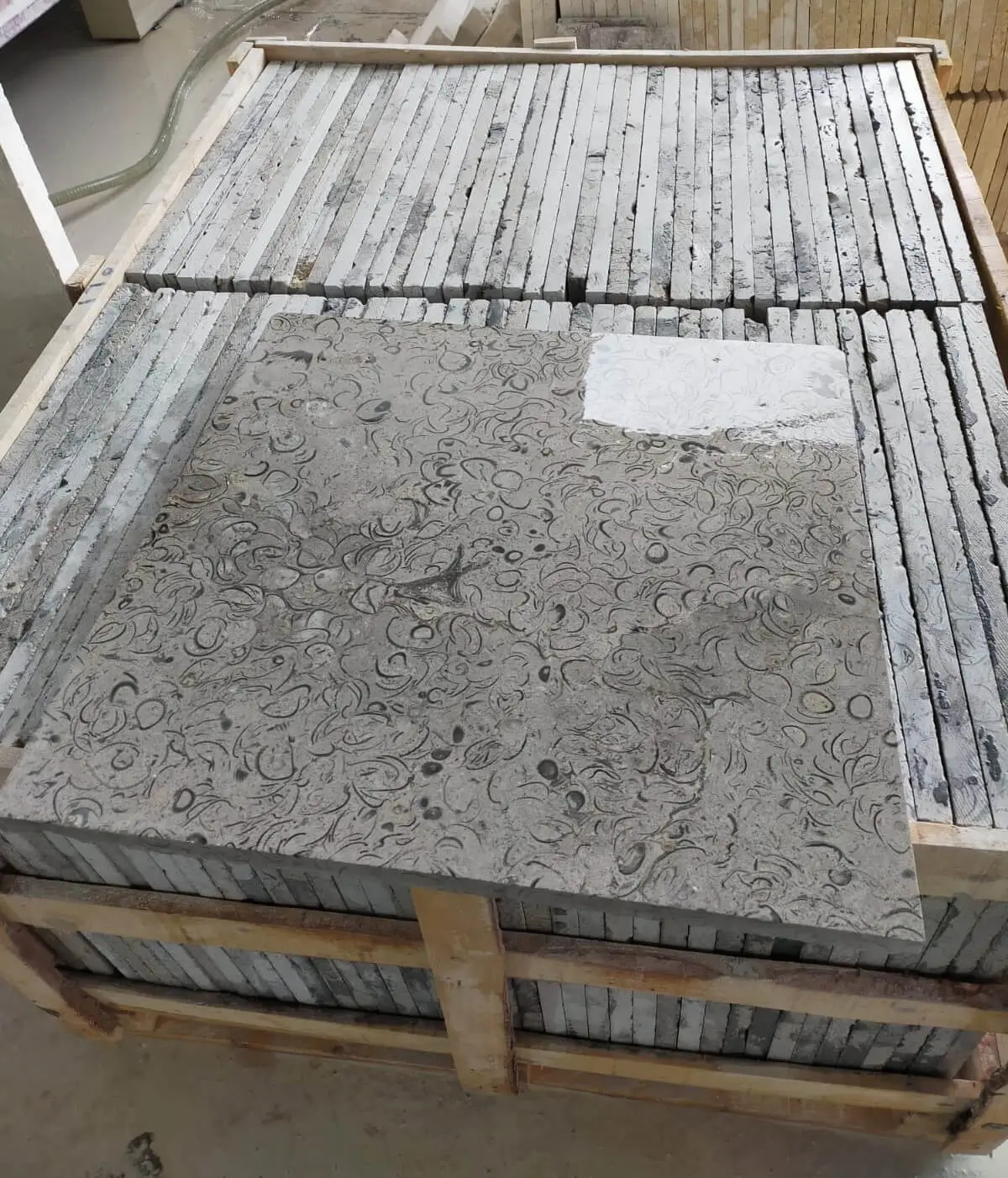
Budget comparisons between ivory travertine and porcelain tile require more nuance than a simple material cost-per-square-foot comparison. Premium natural ivory travertine pavers typically range from $8 to $18 per square foot ex-works (indicative — final pricing quoted per order and specification) at the material level depending on grade, thickness, and fill type. High-end digitally printed travertine porcelain tile can run $12 to $25 per square foot, particularly large-format options from Italian and Spanish manufacturers. Mid-tier domestic porcelain sits at $4 to $9 per square foot. The cost comparison is therefore not as simple as “natural stone costs more” — it depends entirely on which tier of porcelain you’re comparing against.
Installation labor costs can tip the comparison. Natural travertine’s thickness variation and weight require more skilled labor and a more carefully managed mortar bed than standard porcelain tile. Budget for approximately 15–20% higher installation labor for travertine compared to equivalent-format porcelain. Material weight also affects truck delivery logistics — heavier travertine pallets require proper site access for delivery vehicles, and your project’s truck access constraints should be confirmed before placing a large order. Citadel Stone ships directly from warehouse stock on in-demand ivory travertine grades, which reduces lead times to one to two weeks for most orders — considerably faster than the six to eight week import cycle typical for special-order porcelain from overseas manufacturers.
- Natural ivory travertine: $8–$18 per square foot ex-works (indicative — final pricing quoted per order and specification) depending on grade and fill type
- Premium travertine porcelain tile: $12–$25 per square foot for large-format digitally printed options
- Mid-tier porcelain: $4–$9 per square foot — but aesthetic distance from natural stone increases at this price point
- Installation labor premium for travertine versus porcelain: approximately 15–20% higher
- Factor truck access and site delivery clearances into logistics planning for heavy stone orders
- Total cost of ownership over twenty years must account for sealing costs (travertine) versus grout maintenance costs (both materials)
Where Each Material Wins Decisively
The direct comparison resolves most cleanly when you evaluate each material against specific application requirements rather than general preference. Ivory travertine wins decisively in applications where material authenticity, thermal mass, and long-term character development are prioritized — formal residential interiors, historic renovation contexts, high-end hospitality spaces, and exterior installations where the patina of natural stone is a design asset rather than a maintenance liability. The material’s response to light, its depth of pattern, and the fact that no two slabs are identical are qualities that age well and hold value in premium property contexts.
Porcelain tile wins decisively when dimensional consistency, zero-maintenance surface performance, and budget control across large square footage are the primary drivers. It’s also the correct specification for any client who will not commit to a sealing schedule — a poorly maintained travertine installation looks worse than a well-maintained porcelain one, and the honest assessment of your client’s maintenance habits matters. The TCNA natural stone tile installation standards provide a useful reference for understanding the substrate, setting material, and grout joint requirements that differ between these two material categories — particularly relevant for specifiers moving between natural stone and tile projects.
The travertine marble connection deserves a note here: clients drawn to the look of marble but working with more moderate budgets often find ivory travertine a compelling alternative that delivers comparable visual warmth at lower cost and with superior handling characteristics for exterior applications. It occupies a genuinely distinct position in the natural stone family — not a substitute for marble, but a material with its own performance advantages and aesthetic identity. According to Natural Stone Institute stone variety specifications, travertine’s classification, porosity ranges, and finish options are distinct from marble, and treating them as interchangeable leads to specification errors in both setting bed selection and sealing protocol.
Professional Summary
The ivory travertine vs porcelain tile decision isn’t about which material is objectively better — it’s about which material is right for the specific demands of your project, your client’s maintenance tolerance, and the performance environment the installation will face. Travertine delivers authenticity, thermal mass, UV-stable mineral color, and a material character that deepens over time, at the cost of a sealing commitment and careful substrate management. Porcelain delivers dimensional precision, near-zero porosity, and maintenance simplicity, with aesthetic limitations that become more visible in premium applications.
Your specification should start with the environmental context — UV exposure, moisture cycling, traffic load, and substrate condition — and work outward to material selection, not the reverse. Finish selection for outdoor travertine, particularly in high-sun installations, deserves as much specification attention as material grade, because a honed penetrating-sealed surface will outlast a polished film-sealed one by years in UV-intensive conditions. Resealing on a documented eighteen to twenty-four month schedule is the single most cost-effective maintenance action you can take to protect a natural stone investment. As you develop your complete hardscape specification, complementary paving patterns and layout strategies can influence both the visual impact and the long-term performance of your installation — limestone cobblestone paving approaches offer perspective on pattern geometry decisions that apply across natural stone categories. For flooring decisions that balance appearance and long-term upkeep, Citadel Stone offers ivory travertine in finishes suited to both indoor and outdoor applications.