

Why Your Cleaning Method Defines Long-Term Results
The most common mistake in limestone paving maintenance isn’t neglecting to clean — it’s cleaning with the wrong products and watching the stone degrade faster than it ever would have with simple dirt exposure. Knowing how to clean limestone paving correctly means understanding the material’s chemistry first: limestone is calcium carbonate, and it reacts with acids the same way chalk reacts to vinegar. That single fact should drive every product decision you make. Use the right method, and you’ll maintain a surface that performs for decades; use the wrong one, and you’ll etch the finish within a single season.
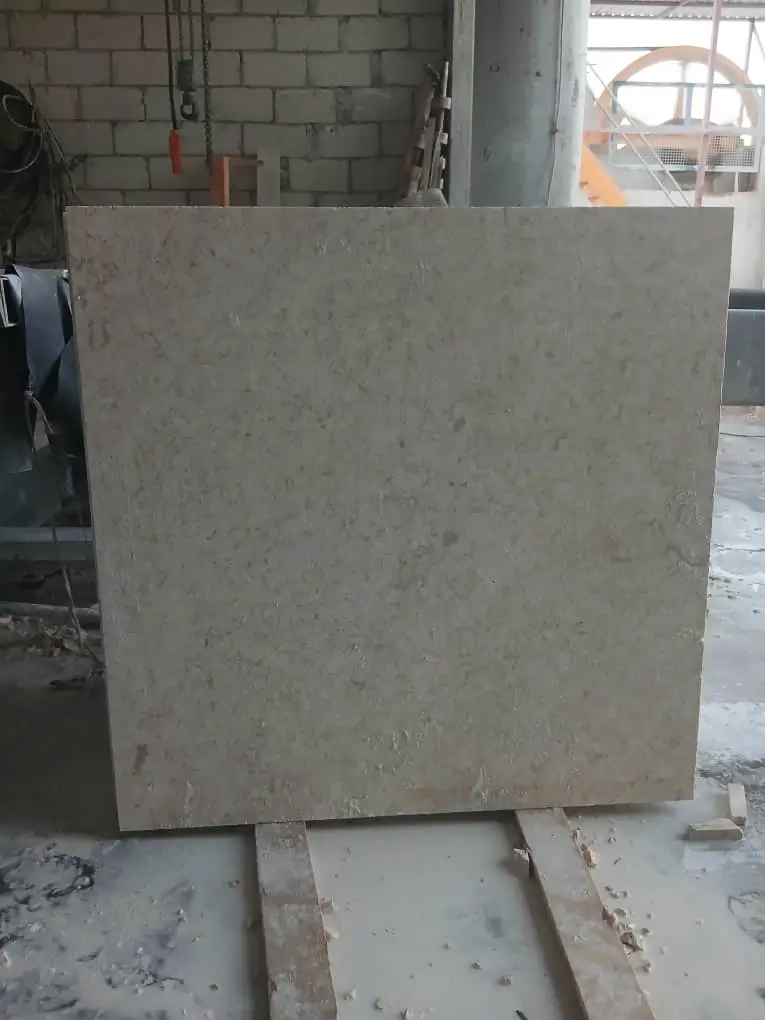
What Actually Damages Limestone Paving During Cleaning
Limestone’s open pore structure is both its aesthetic strength and its maintenance vulnerability. Acidic cleaners — including many household staples like white vinegar, lemon juice, and certain all-purpose bathroom sprays — dissolve the calcium carbonate at the surface, leaving a dull, pitted finish that no amount of resealing will fully correct. According to NSI limestone care specifications, even diluted acid solutions cause measurable surface degradation with repeated use. You should audit every product in your cleaning kit before it touches natural stone.
- Acidic cleaners (pH below 7) etch the surface and dull any polished or honed finish permanently
- High-pressure washing above 1,200 PSI forces water into existing micro-cracks and accelerates spalling
- Bleach-based products discolour certain limestone varieties, particularly those with iron-mineral inclusions
- Wire brushes and abrasive scour pads scratch the surface and open the pore structure to deeper staining
- Steam cleaning at excessive temperatures can expand trapped moisture and compromise mortar joints
Routine Cleaning for Limestone Paving
For regular maintenance, the approach that protects the stone’s finish is simpler than most people expect. A pH-neutral stone cleaner, warm water, and a soft-bristle brush or mop handle the vast majority of surface dirt, pollen, and light organic staining without any risk to the stone. Rinse thoroughly after every clean — residue from even neutral cleaners can attract dirt faster and dull the surface over time if left to dry. Your cleaning frequency should match your site conditions: high-traffic areas and surfaces under tree canopy typically need attention every four to six weeks.
- Sweep or blow debris clear before any wet cleaning — dragging grit across the surface under a mop creates fine scratches that accumulate over time
- Dilute pH-neutral stone cleaner to manufacturer’s specified ratio — stronger solution does not mean faster or better cleaning
- Work in sections with a soft-bristle deck brush, scrubbing along the stone’s grain rather than in circular patterns
- Rinse each section completely before moving on — let water carry residue away rather than spreading it
- Allow the surface to dry fully before foot traffic resumes, particularly if you’ve applied any cleaning solution
Removing Stains From Limestone Paving Without Etching
Stain removal is where most DIY limestone cleaning goes wrong, because the instinct is to reach for something stronger when a standard cleaner doesn’t immediately work. The correct approach is targeted: match the stain type to the right removal chemistry, and you’ll lift it without damaging the stone. Oil-based stains respond to a poultice of baking soda and acetone applied for 24 hours. Tannin stains from leaves or rust-orange stains from metal furniture require a non-acidic iron remover or a specialist tannin poultice — never acid. USGS limestone composition data confirms that calcium carbonate reacts chemically with both strong acids and concentrated alkalis, so even aggressive alkaline degreasers need careful dilution on limestone paving surfaces.
- Oil and grease stains: apply a poultice of baking soda mixed with acetone or mineral spirits, cover with plastic film, and allow 24–48 hours of dwell time before removing
- Organic stains (moss, algae, leaf tannins): use a dedicated non-acidic biological cleaner at manufacturer’s dilution, then rinse thoroughly
- Rust stains: use an oxalic acid-free iron stain remover specifically rated for natural stone — standard rust removers contain acids that will etch limestone
- Efflorescence (white salt deposits): dry-brush first to remove loose crystals, then apply a pH-neutral efflorescence remover — never use acid treatments on limestone
- Grease from outdoor cooking: act quickly; the longer oil sits in the pore structure, the deeper the poultice needs to penetrate
For outdoor limestone paving installations, a well-stocked cleaning kit means having a pH-neutral stone cleaner, a dedicated poultice material, and a non-acidic biological cleaner on hand — these three products address 90% of field situations without any risk to the stone. You can source guidance on compatible products directly through Citadel Stone outdoor limestone slabs, where product-specific maintenance recommendations are available alongside the stone specification.
Pressure Washing Limestone Paving Safely
Pressure washing limestone is possible, but the parameters matter significantly. Keep the PSI at or below 1,000 for standard outdoor limestone paving — some softer limestone varieties warrant staying even lower, around 800 PSI. Use a wide fan tip (40-degree or wider) and maintain at least a 12-inch standoff distance from the surface. Never concentrate the stream on mortar joints or areas where the stone shows existing micro-fracturing, as water forced into those channels at pressure accelerates damage that won’t be visible until the following season.
Slope and elevation matter here too. On sloped or elevated installations where drainage already carries water across the stone surface at pace, pressure washing adds directional force to that flow pattern. Work from high points down the grade so that dirty rinse water moves away from cleaned sections, not back across them. On flat sites with minimal natural drainage, allow adequate drying time between pressure wash sessions to prevent moisture from sitting in the pore structure of the limestone paving.
Sealing After Cleaning: The Step Most People Skip
Cleaning and sealing are a paired process, and skipping the seal after a thorough clean is one of the most common maintenance errors on limestone paving. A freshly cleaned, open-pored surface absorbs staining agents faster than a sealed one, so the effort you put into cleaning degrades more quickly without protection. The sealer you choose should be a penetrating impregnator rated for external natural stone — not a topical coating, which traps moisture below the surface and causes spalling in freeze-thaw regions. Apply sealer when the stone is completely dry, typically 24–48 hours after cleaning, and in moderate ambient temperatures. According to limestone geological characteristics, the material’s interconnected pore structure means a penetrating impregnator bonds chemically with the stone matrix rather than sitting on the surface — this is why penetrating sealers outperform topical options on limestone specifically.
- Test the sealer on a small inconspicuous area first — some sealers shift the colour tone of limestone, particularly lighter varieties
- Apply in thin, even coats with a low-pressure sprayer or lambswool applicator — thick applications leave streaks and uneven sheen
- Allow full cure time before foot traffic — typically 4–6 hours for initial cure, 24–72 hours for full chemical bonding
- Plan resealing on a biennial cycle for outdoor limestone paving in standard conditions; high-traffic areas may require annual sealing
How Slope and Drainage Affect Your Cleaning Approach
The site’s elevation and grade profile directly influence how cleaning residues, staining agents, and moisture behave on limestone paving. On installations with significant slope — hillside terraces, elevated patios, or multi-level garden paving — cleaning solutions travel downhill faster and concentrate at low points, which means the stone at the base of a grade typically needs more frequent attention than the upper sections. Your cleaning sequence should always start at the top and work downward so rinse water carries residue away from already-cleaned stone rather than redepositing it.
Flat or low-lying installations present the opposite challenge: without natural drainage assistance, cleaning solution sits on the surface longer and increases the risk of chemical interaction with the stone if you’re using anything other than a neutral cleaner. On these sites, rinse more aggressively and in smaller sections to prevent pooling. Base preparation for limestone paving on flat terrain should incorporate a 1–2% fall toward drainage channels, and if standing water appears after cleaning, that’s a drainage design issue worth addressing separately — no cleaning method compensates for inadequate fall in the substrate. At Citadel Stone, we recommend confirming your drainage fall before installation, because retrofitting drainage into an existing limestone paving installation is significantly more disruptive than building it in from the start.
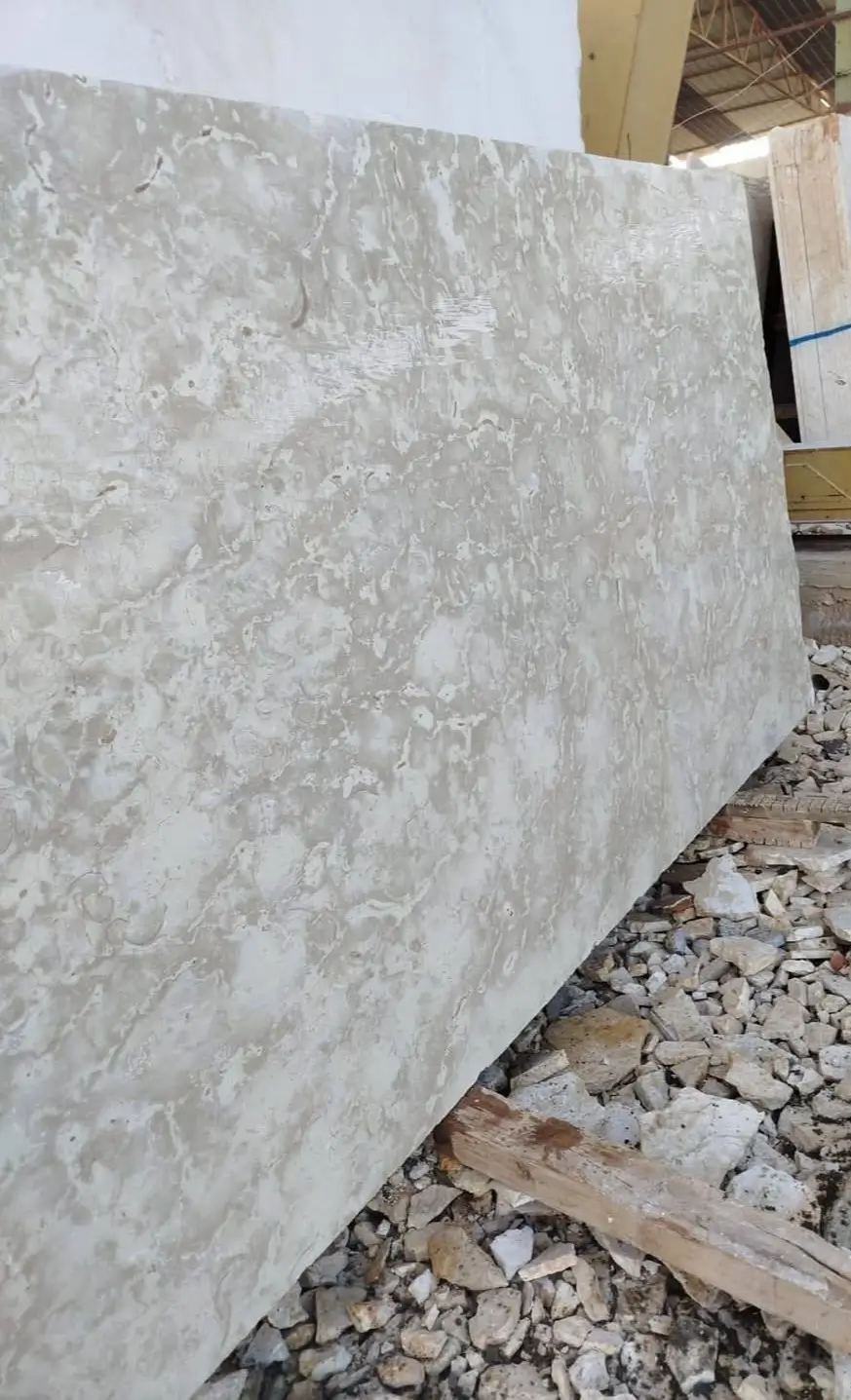
Cleaning Different Limestone Finishes: Honed, Tumbled, and Sandblasted
The finish on your limestone paving determines both how easily it stains and how aggressively you can clean limestone paving surfaces of each type. Honed limestone has a smooth, matte surface with relatively low porosity compared to rougher finishes — it cleans efficiently but shows etching from acidic contact more visibly. Tumbled limestone paving has an aged, textured surface with naturally irregular edges and a higher effective surface area, meaning it traps organic debris in its surface texture and requires a firmer brush action during routine cleaning. Sandblasted surfaces are the most textured and the most challenging to clean thoroughly, as the roughened profile collects grit and biological growth in the micro-pits across the surface.
- Honed finish: pH-neutral cleaner with a soft cloth or mop — inspect regularly for early etching signs, which appear as dull patches where the uniform matte sheen breaks down
- Tumbled finish: pH-neutral cleaner with a medium-stiffness natural-fibre brush — the texture can handle slightly more pressure than honed, but avoid steel or synthetic abrasive bristles
- Sandblasted finish: pH-neutral cleaner with a stiff natural-fibre brush and thorough rinsing — biological growth establishes faster in the textured surface, so cleaning frequency should increase in shaded areas
- All finishes: reseal after any deep cleaning or stain-removal treatment, not just on the standard maintenance cycle
Products You Must Never Use on Limestone Paving
The list of damaging products is longer than most people realise, and several are marketed as stone cleaners despite being genuinely harmful to limestone specifically. Sandstone paving slabs tolerate some products — mild acidic cleaners in particular — that will irreversibly damage limestone. Don’t assume a product safe for one natural stone type is safe for all of them; sandstone paving slabs and limestone have fundamentally different mineral compositions that respond differently to the same chemistry. Read every label for pH rating and calcium carbonate compatibility before applying anything new to your limestone.
- Vinegar and citrus-based cleaners — acetic and citric acid both etch limestone, regardless of dilution
- Bleach and hypochlorite solutions — risk discolouration and long-term structural degradation of calcium carbonate
- Grout haze removers — almost universally acid-based and extremely damaging to polished or honed limestone
- Standard concrete driveway cleaners — typically highly alkaline or acid-based, neither of which is safe for limestone
- Household bathroom tile cleaners — formulated for ceramic or porcelain tile, not natural stone chemistry
- Generic patio cleaners sold without a pH rating — if the label doesn’t specify pH-neutral, assume it is not safe
Getting Limestone Paving Cleaning Right for the Long Term
Getting the cleaning method right from the start is what separates limestone paving that looks sharp after fifteen years from stone that looks worn out after three. The material is genuinely low-maintenance when handled correctly — it doesn’t demand frequent intervention, just the right intervention when it does need attention. Clean limestone paving with pH-neutral products, reseal on a consistent cycle, and address stains with targeted treatments rather than general-purpose chemicals. For a broader view of how this material performs across its lifespan — from initial installation through long-term maintenance — the full limestone paving performance overview covers the trade-offs worth understanding before and after installation. Keeping limestone paving in good condition starts with the right cleaning method, and Citadel Stone provides guidance on products that protect the stone’s finish.