

What Limestone Paving Actually Delivers
Limestone paving pros and cons aren’t evenly distributed — the advantages are structural and aesthetic, while the disadvantages are almost entirely maintenance-related. That distinction matters because it tells you exactly where your investment of time and attention needs to go once the installation is complete. Our limestone pavers range shows the formats, finishes, and current pricing this guide refers to. Limestone’s compressive strength typically ranges from 4,000 to 12,000 PSI depending on formation density, which means the material itself handles load well — what it doesn’t handle automatically is surface chemistry from acids, standing water, and neglected sealant layers.
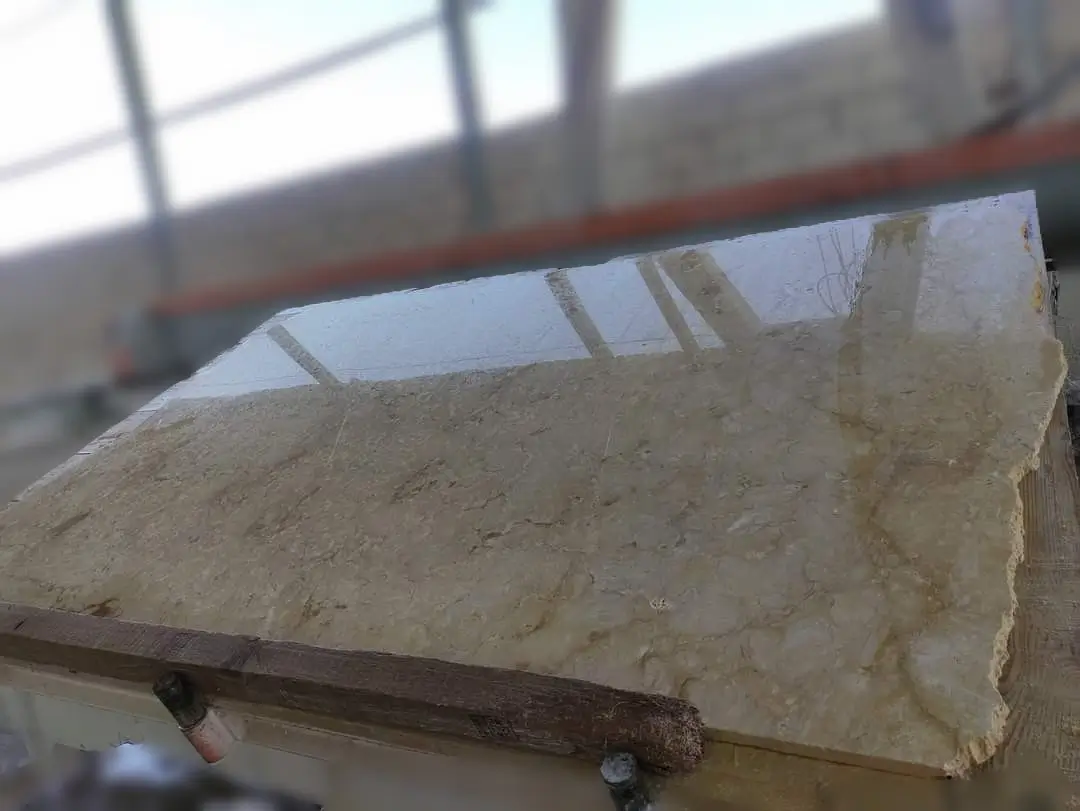
Your specification decisions for limestone paving hinge on one core trade-off: you’re working with a sedimentary stone that formed over millions of years under compression, and that origin gives it both its character and its vulnerability. The same calcium carbonate matrix that creates limestone’s visual warmth and tonal variation is the same chemistry that reacts with acidic cleaners, pool water, and organic debris. Understanding that relationship from the start will save you from the most common failure modes in the field.
The Real Pros of Limestone Paving
Thermal performance is the advantage most specifiers undervalue until they’ve worked with the material on a real project. Limestone’s thermal mass absorbs heat gradually rather than radiating it instantly, which means surface temperatures stay 15–25°F cooler than comparable dark granite or concrete pavers under direct sun exposure. For outdoor living areas where barefoot use matters, that’s a functional difference — not just a number on a spec sheet.
- Natural colour variation across cream, buff, grey, and blue-grey tones gives each installation a visual depth that manufactured pavers can’t replicate
- Compressive strength above 8,000 PSI in dense formations makes limestone paving suitable for pedestrian and light vehicular applications without over-engineering the base
- Honed and sawn finishes provide consistent flatness for level transitions and ADA-accessible surfaces
- The material’s relative softness (Mohs 3–4) makes on-site cutting and shaping straightforward with standard wet-saw equipment
- Weathered limestone develops a natural patina that most clients find more attractive over time, not less — the surface character improves with age in dry to moderate conditions
- Thermal expansion coefficient of approximately 4.4 × 10⁻⁶ per °F keeps joint movement predictable and manageable across standard temperature ranges
According to NSI limestone technical data, the material’s density and porosity vary significantly by formation origin — a detail that directly affects which applications limestone paving handles best and where you need to adjust your specification.
Limestone Paving Outdoor Performance Factors
Porosity is the number that separates a well-specified limestone paving installation from one that becomes a maintenance problem within three years. Most commercial-grade limestone paving outdoor stock runs between 2% and 7% water absorption by weight — a range wide enough that two slabs from different quarry beds can behave entirely differently under freeze-thaw cycling. Your spec should require absorption testing to ASTM C97 and set a maximum threshold appropriate for your project conditions.
Limestone paving outdoor applications also require you to think carefully about drainage geometry from the base up. A 1% minimum cross-fall across the finished surface is the starting point, but the base design matters just as much. A well-compacted crushed aggregate base at 4–6 inches depth, topped with a sharp sand bedding layer, gives you the free-draining profile that keeps moisture from dwelling under the slab. Standing water under limestone doesn’t just cause efflorescence — it accelerates the calcium carbonate dissolution that eventually softens the stone from below.
The USGS limestone geological data confirms that calcium carbonate content in construction-grade limestone typically exceeds 90%, which explains both the material’s workability and its chemical sensitivity to acidic compounds in outdoor environments.
The Cons You Need to Plan For
Acid sensitivity is the most practically significant limitation of limestone paving, and it’s one that catches homeowners off guard consistently. Pool decks are the highest-risk context — chlorinated water with pH below 7.2, combined with acid-wash cleaning products that many pool service companies use as a default, can etch polished or honed limestone surfaces within a single season. Specify a pH-neutral cleaner protocol explicitly in your maintenance documentation.
- Scratching and surface abrasion occur more readily than on granite or basalt — high-traffic areas like entries and main pathways will show wear patterns over 10–15 years
- Staining from tannins (fallen leaves, timber furniture), iron oxide (metal furniture legs), and organic debris requires prompt attention — limestone is not a set-and-forget surface
- Freeze-thaw cycling in regions with more than 30 annual freeze events requires you to specify low-absorption stock (under 3% ASTM C97) and ensure sealed joints prevent water infiltration
- Surface inconsistency between slabs from different quarry batches can create tonal variation that some clients find objectionable — warehouse stock matching across a full order matters more with limestone than with most other stones
- Polished finishes become slippery when wet, pushing you toward honed or brushed surface treatments for outdoor use — a finish decision that also affects long-term scratch visibility
Citadel Stone’s warehouse quality checks include batch matching for colour consistency before orders are released — a step that prevents the tonal mismatch complaints that typically surface after installation when slabs from two different shipments end up side by side on the same patio.
Weathered Limestone and Surface Finish Choices
The finish you specify changes the performance profile of limestone paving more dramatically than almost any other single decision. Weathered limestone — stone that has been tumbled, brushed, or aged to replicate centuries of natural wear — offers a surface that hides minor scratches, accepts stains less visibly, and creates a texture that reads as authentically antique from the first day of installation. That makes it the practical choice for high-traffic areas and projects where low maintenance visibility matters.
Honed finishes sit in the middle of the performance spectrum: smoother than tumbled, more slip-resistant than polished, and easier to clean than heavily textured bush-hammered surfaces. For most limestone paving outdoor applications — patios, courtyards, pool surrounds with proper pH management — a honed finish at 400-grit is the specification that balances aesthetics and functional performance most reliably.
Polished limestone is worth considering only for covered or sheltered outdoor areas where wet-surface slip risk is low and acid exposure is controlled. The reflective quality of polished limestone paving slabs reads differently in landscape design than matte finishes — it introduces a formal, architectural character that works well in modern minimalist settings but can feel out of place in naturalistic or informal garden designs. That design fit is worth thinking through before you commit.
Limestone Paving Texture and Design Integration
Limestone paving texture plays a bigger role in design cohesion than most project briefs acknowledge upfront. The material’s tonal range — from near-white shell limestone through warm buff and golden hues to cool blue-grey — means it can anchor very different design vocabularies. Traditional colonial and European-influenced landscape styles read well with aged or tumbled finishes in warm cream tones. Modern minimalist gardens typically favour large-format sawn limestone in uniform grey or silver-buff, with tight joints and precise geometry that emphasises the material’s clean lines.
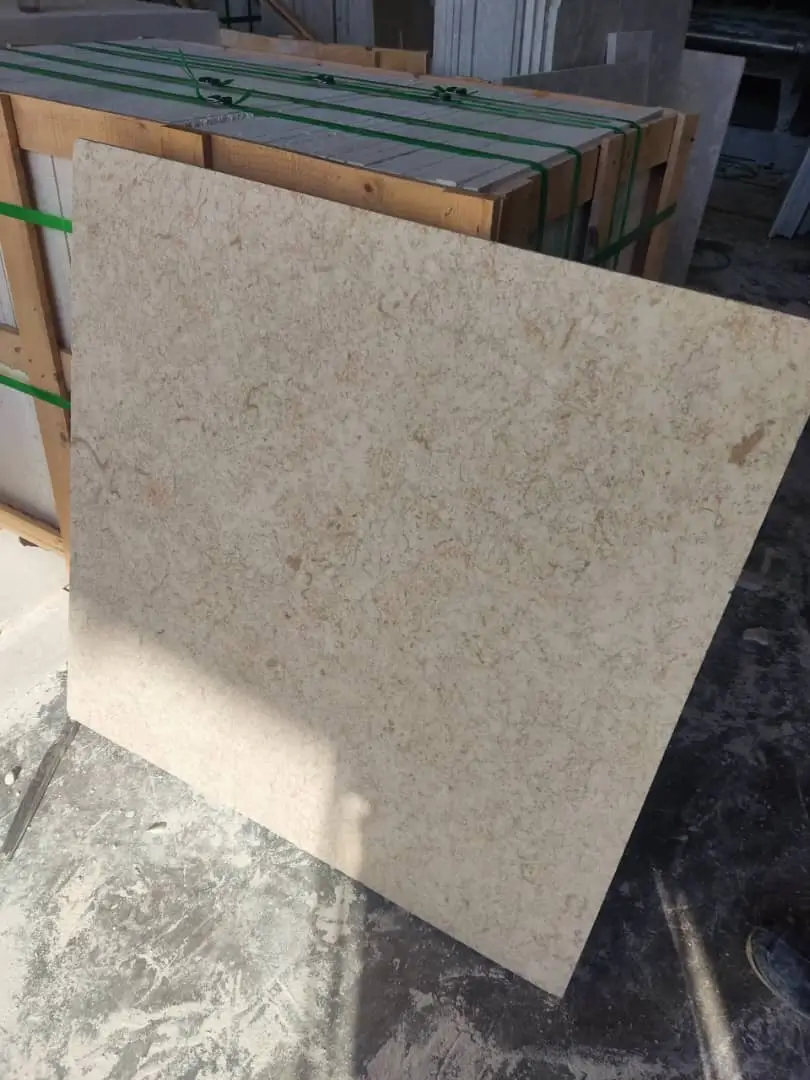
Xeriscaped and low-water landscapes benefit from limestone’s natural heat management, where the cooler surface temperature complements drought-tolerant planting schemes and reduces the overall thermal load of hard-paved areas. Lush planting settings pair well with rougher limestone paving texture — the visual weight of a bush-hammered or natural-cleft surface holds its own against dense foliage without competing with it. The detail that specifiers often miss is that limestone’s texture affects not just how the surface looks, but how it reads against the surrounding planting palette and architectural materials. Getting that match right from the material selection stage is what separates installations that feel intentional from ones that feel like an afterthought.
Exploring limestone slabs from Citadel Stone gives you a direct look at the range of finishes, formats, and tonal profiles available for specification — a practical step before locking in your design direction.
Installation and Base Preparation Essentials
Your base preparation for limestone paving follows the same hierarchy as any natural stone application, but with one additional requirement: the bedding layer needs to account for limestone’s relatively low flexural strength compared to granite or basalt. Flexural strength in limestone paving typically ranges from 900 to 1,800 PSI — sufficient for pedestrian use on a solid, non-deflecting base, but marginal if the sub-base allows any differential settlement.
- Compact sub-base to 95% Proctor density minimum before laying aggregate — skipping this step is the single most common cause of cracked limestone slabs within the first two years
- Use 4-inch compacted crushed aggregate for pedestrian applications; increase to 6 inches for light vehicular or driveway contexts
- Specify sharp sand bedding at 1-inch depth — avoid soft building sand, which retains moisture and promotes efflorescence migration through the stone
- Set 3mm minimum joint widths to accommodate thermal expansion without locking slabs in contact — tighter joints on limestone increase the risk of edge spalling in freeze-thaw regions
- Back-butter each slab with a slurry coat of cement and bonding agent before laying — full contact between slab and bedding eliminates the hollow spots that fracture under point loads
The Britannica limestone formation reference provides useful context on why structural variation within the same limestone formation can produce slabs with meaningfully different absorption and strength characteristics — information that supports the case for batch-specific testing on large projects.
Sealing and Long-Term Maintenance Reality
Sealing limestone paving outdoor surfaces isn’t optional if you want the installation to look as good at year ten as it did at year one. The practical protocol is a penetrating impregnator sealer applied within 48 hours of installation completion, reapplied every two to three years depending on traffic intensity and UV exposure. Surface sealers that sit on top of the stone rather than penetrating it trap moisture below the surface and cause spalling — avoid them entirely for outdoor limestone.
Testing sealer coverage rate before application matters more with limestone than with denser stones because absorption varies even within the same batch. Apply a test area, wait 20 minutes, and check whether the sealer is fully absorbed or pooling on the surface. If it pools, the stone is denser than average and you can reduce your application rate. If it absorbs within five minutes, apply a second coat while the first is still slightly tacky for maximum penetration depth.
Build a cleaning protocol into the project handover documentation: pH-neutral stone cleaner only, no vinegar, no citrus-based products, no pressure washing above 1,200 PSI. Those details prevent the majority of surface damage complaints that come back to the installer — and to the supplier — in the first three years of the installation’s life.
The Bottom Line on Limestone Paving Pros and Cons
Limestone paving pros and cons ultimately come down to a straightforward value equation: you get one of the most aesthetically distinctive and thermally comfortable outdoor paving materials available, in exchange for a maintenance commitment that most other stones don’t require. For clients willing to seal on schedule and manage surface chemistry, limestone performs reliably for 25 to 40 years. For clients who want a truly set-and-forget installation, a denser igneous stone is the more honest recommendation. Most projects sit somewhere in the middle — and the specifier’s job is to be direct about what the material needs rather than letting the client discover it post-installation.
At Citadel Stone, we stock limestone paving in formats from 12×24 up to 24×48, with truck delivery available nationwide and typical lead times of one to two weeks from warehouse inventory. Planning your order volume around confirmed slab availability before breaking ground prevents the mid-project delays that happen when stock runs between initial supply and second-phase deliveries. As you think through surface treatment options for your project, choosing the right limestone sealer is the follow-on decision that determines how the material performs over its full service life. For projects where surface character matters as much as durability, Citadel Stone limestone paving slabs offer a material with well-understood performance traits.