

Most buyer’s guides for granite cobblestone suppliers stop at color and finish — but the variable that actually predicts installation failure is dimensional consistency across a single production run. A supplier pulling stone from three different quarry lots to fill one order will hand you cobbles with edge tolerances that vary by three-eighths of an inch or more, and that variance shows up as uneven joint lines within the first two winters. Grade classifications matter less than most specifiers assume; what matters is whether your supplier can document consistent sourcing batch to batch.
Understanding Granite Grades Before You Call a Supplier
Granite doesn’t carry a formal grading system the way lumber or steel does — the industry relies on visual and performance benchmarks instead. Your supplier should be able to tell you the quarry block source, the mineral composition, and the compressive strength rating for the specific batch you’re buying, not just a generic fact sheet pulled from a catalog.
Field experience across large cobblestone orders shows that color variation within a single quarry block runs higher in granite than in limestone or travertine, because granite’s mineral grains crystallize unevenly as the molten rock cools. Requesting a full-pallet sample spread, rather than a single hand sample, before finalizing an order over 2,000 square feet catches this variance before it becomes a jobsite problem.
Color and Mineral Composition Variance
Grey granite typically runs the tightest color band across a single quarry, while pink and multicolor blends show wider variance lot to lot. According to NSI granite variety and durability data, mineral composition directly affects both appearance and long-term weathering resistance, which explains why two “grey granite” orders from different yards can look noticeably different once installed side by side.
You’ll want to request a written mineral composition summary for your specific batch. Quartz content above 20 percent generally correlates with higher abrasion resistance, a detail that matters most for driveway and heavy-pedestrian applications where surface wear compounds over years of traffic.
Compressive Strength and Density Benchmarks
Granite typically tests between 19,000 and 32,000 PSI compressive strength, comfortably outperforming most concrete pavers and several other natural stone categories. ASTM C615 dimension stone standards set the minimum thresholds suppliers should be testing against, though not every yard runs current lab certificates on every incoming lot.
Your supplier should be able to confirm density figures around 165 to 175 pounds per cubic foot for commercial-grade granite cobblestone, along with the specific test data for your order’s quarry lot rather than a general industry average — a request that quickly separates full-service yards from resellers reading off someone else’s spec sheet.
What Separates Reliable Granite Cobblestone Suppliers From the Rest
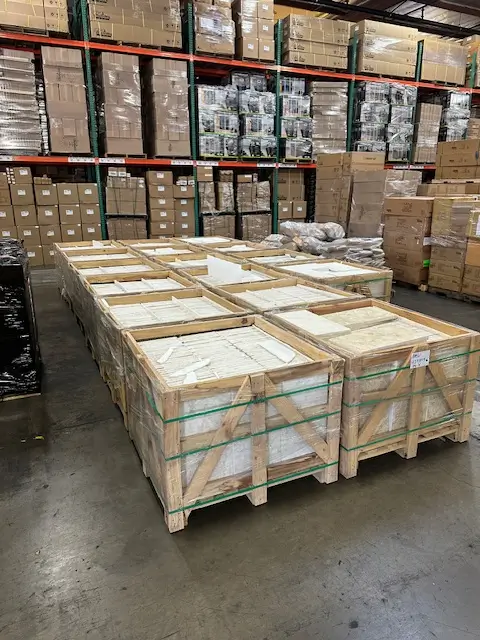
The suppliers worth working with share a few operational traits you can verify before placing an order. Direct quarry relationships, in-house grading inspection, and documented batch tracking separate full-service granite cobblestone suppliers from brokers who simply relabel imported pallets.
- Direct or long-term contracted relationships with named quarries rather than spot-market purchasing
- Warehouse inspection protocols that check thickness, color consistency, and chip damage before pallets ship
- Willingness to provide batch-specific test data rather than generic catalog specifications
- Transparent return and replacement policy for out-of-tolerance material discovered after delivery
- Consistent lead time communication, especially during high-demand seasons when quarry output slows
At Citadel Stone, we maintain warehouse inventory across multiple regions nationwide, which generally cuts lead times to one to two weeks compared to the six-to-eight week import cycle many specialty orders still face. Yards that combine domestic warehousing with established import channels typically offer both faster fulfillment on in-stock patterns and broader selection on custom orders.
Ask new granite cobblestone suppliers for two or three project references from installations completed at least two years prior — weathering and joint stability issues in granite typically surface within that window, not immediately after installation.
Cobblestone Sizing, Thickness Tolerance, and Finish Options
Nominal sizing for granite cobblestone typically runs 4×4, 4×6, or 4×8 inches, with thickness options between 3 and 5 inches depending on the load application. Thickness tolerance is where most disputes start — a printed spec of “4-inch nominal” can still ship with pieces ranging from 3.5 to 4.5 inches unless your supplier commits to a tighter tolerance band in writing.
You should request a tolerance guarantee of plus or minus one-quarter inch for driveway and vehicular applications, tightening to plus or minus one-eighth inch for pedestrian plazas where a flush, low-profile joint matters aesthetically. Anything looser than that invites lippage complaints once foot traffic starts.
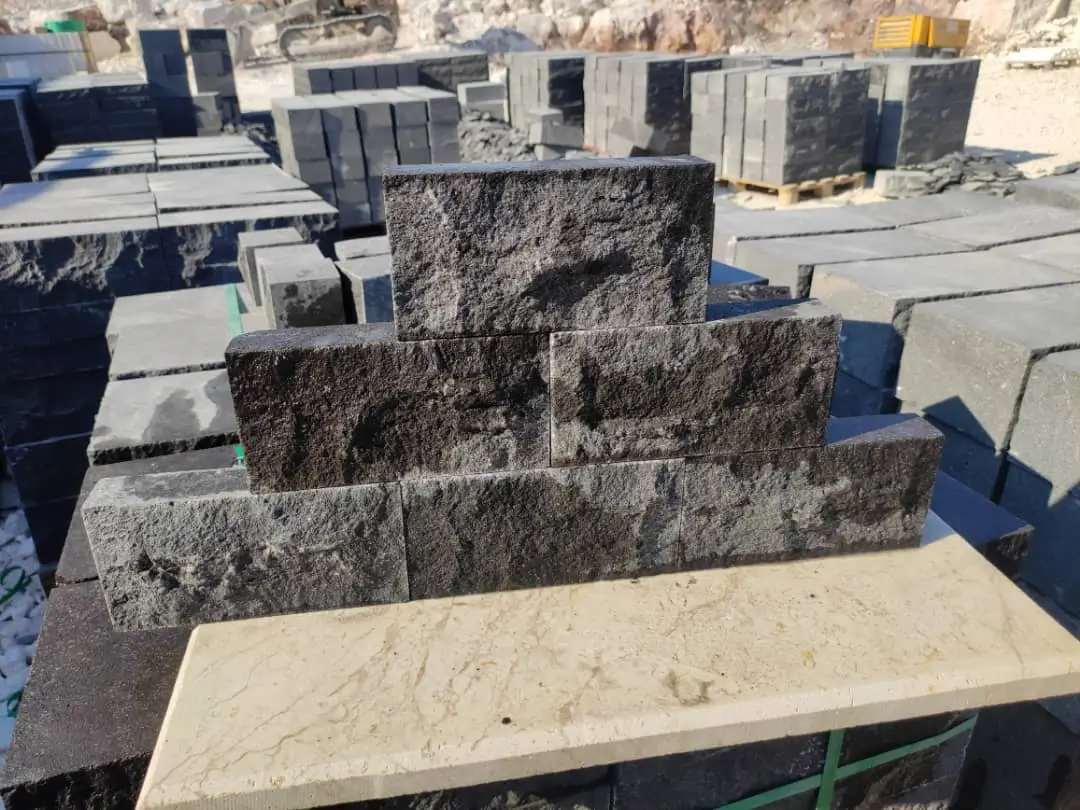
Finish selection changes both appearance and slip performance. Tumbled granite cobblestone softens edges and reduces the sharp arris that catches foot traffic, while sawn or split-face finishes hold tighter joint lines but show more texture underfoot. Granite cobblestone suppliers offering both tumbled and sawn options give you flexibility to match the application without switching material sources mid-project.
Order at least 8 to 10 percent extra material to account for cutting waste and breakage during handling, more if your layout includes curves or radius sections that require additional cutting.
Base Preparation and Water Management for Long-Term Performance
Base preparation determines whether your cobblestone installation survives its first heavy rain season or starts shifting within a year. Compacted aggregate base depth should scale with local rainfall intensity — a 4-inch base that performs fine in a low-precipitation region can saturate and pump fines in a region that regularly sees cloudburst or hurricane-driven downpours.
The detail that matters most is joint sand composition. Polymeric sand resists washout better during heavy-rain seasons, but it can trap moisture against the stone base in poorly drained installations, sometimes leading to efflorescence on lighter granite tones. Testing joint sand performance on a small mockup section before committing to a full order saves headaches later.
Drainage Design Across Varied Rainfall Patterns
Regions that cycle between drought and monsoon-style downpours put unusual stress on cobblestone bases — dry soil shrinks, then rapid saturation expands it, and that movement telegraphs up through the base into the joints. Sloping the finished surface at a minimum 1 to 2 percent grade away from structures handles most surface water, but subsurface drainage using perforated pipe beneath the base course becomes necessary wherever standing water risk exists.
In flood-prone areas and coastal zones dealing with hurricane-season rainfall, an open-graded base — angular crushed stone with minimal fines — allows water to pass through rather than pool against the underside of the cobbles. Field experience across cobblestone projects shows this single base decision prevents more long-term failures than material grade selection ever does.
Drought cycles between wet seasons also matter — repeated soil shrink-swell in clay-heavy ground can loosen even a well-compacted base over several dry-to-wet cycles, so a geotextile fabric layer between soil and aggregate is worth the modest added cost in these conditions.
- Grade the sub-base for positive drainage before placing bedding material, not after
- Use open-graded aggregate in flood-prone or heavy-rainfall regions rather than dense-graded base mixes
- Install perforated drainage piping beneath low points where surface grading alone can’t move water fast enough
- Increase base depth beyond standard minimums in colder, wetter climates prone to freeze-thaw cycling
- Re-evaluate joint sand choice periodically in regions with prolonged wet seasons, since washout accelerates joint failure
Verifying Quarry Sourcing and Quality Control Standards
Quarry origin affects more than aesthetics — it determines consistency across your entire order. USGS dimension stone production data shows domestic granite quarrying remains concentrated in a handful of regions, meaning many suppliers blend imported and domestic material to fill large cobblestone orders.
Ask directly whether your order will ship from a single quarry lot or a blended batch. Blended batches aren’t automatically a problem, but you deserve to know before installation day, not after standing on a driveway with three visibly different granite tones staring back at you.
Warehouse inspection is where quality control either happens or gets skipped. A yard that physically inspects pallets for chip damage, thickness drift, and color banding before loading trucks catches problems that a drop-ship broker never sees, since brokers rarely handle the material themselves.
- Whether the order ships from a single quarry lot or a blended batch
- Whether pallets are physically inspected for chip damage, thickness drift, and color banding before loading
- Whether third-party lab reports are available to verify in-house material claims
Here’s a detail worth checking: third-party lab reports, when available, offer more reliable data than in-house claims alone, and a reputable yard won’t hesitate to share them.
Logistics, Lead Times, and Delivery Planning
Lead times among granite cobblestone suppliers swing widely depending on whether material sits in warehouse stock or requires a fresh quarry cut. In-stock patterns typically ship within one to two weeks; custom sizing or unusual finishes can push lead times to six weeks or more, especially when quarry output slows during peak building season.
Truck access to your site should be confirmed before delivery day, not assumed. Pallet weight for granite cobblestone runs heavy — a fully loaded delivery truck can exceed local weight restrictions on narrow residential streets or unpaved access roads, and rescheduling a delivery after a truck gets turned away adds real cost and delay to a project timeline.
Many contractors solve routing and logistics headaches by working directly with pavers sourced through our yard, where delivery scheduling accounts for site access constraints upfront rather than after a truck is already loaded and en route.
Confirm palletizing and banding method too. Poorly banded pallets shift during transit, and you’ll find chipped edges on delivery that have nothing to do with the stone’s inherent quality — just handling during the trip from warehouse to jobsite.
Common Grading Mistakes and Red Flags in Supplier Quotes
Quotes from different granite cobblestone suppliers that look identical on price can hide very different material quality underneath. Here’s what separates a straightforward quote from one that sets up a dispute later in the project.
- Vague thickness language such as “approximately 4 inches” without a stated tolerance range
- No mention of quarry origin or whether material is domestic, imported, or blended
- Pricing based on square footage alone with no note on coverage waste factor for irregular cobble shapes
- No documented return policy for out-of-spec pallets discovered during installation
- Unusually short lead times on custom finishes, which often signals substitution with off-spec stock
Here’s the tell: suppliers confident in their material typically welcome detailed questions about tolerance and sourcing, while hesitation on these specifics is itself useful information worth factoring into your decision.
Installation Considerations That Affect Supplier Choice
Your installer’s crew experience with granite cobblestone specifically, not natural stone generally, affects how forgiving your supplier’s tolerance range needs to be. Crews accustomed to tight European-style setts can work confidently with wider dimensional variance than crews used to modular concrete pavers.
- Match crew experience to cobblestone specifically, since techniques differ from modular paver installation
- Apply penetrating sealers only after joint sand has fully cured, typically 48 to 72 hours
- Specify expansion joint spacing based on regional temperature swings rather than generic 20-foot defaults
- Verify slip resistance testing data for any pool surround or public walkway application
Sealing protocols differ from standard paver maintenance. Granite’s low porosity, typically under 0.4 percent water absorption, means sealing is often optional for weathering protection, but a penetrating sealer still helps reduce staining in high-traffic driveway and plaza applications over time.
For pool surrounds and public walkways, industry standards require slip resistance testing using coefficient-of-friction methods, and granite cobblestone with a tumbled or flamed finish generally clears these thresholds more comfortably than polished finishes.
Parting Guidance on Choosing Granite Cobblestone Suppliers
Choosing among granite cobblestone suppliers ultimately comes down to verification — quarry origin, tolerance commitments, warehouse inspection practices, and drainage-appropriate base design all matter more than the marketing language on a spec sheet. Suppliers who answer these questions directly, with documentation rather than reassurance, are the ones worth building a long-term relationship with.
Once you’ve settled on granite, related hardscape decisions often surface during the same planning phase. For a look at how river rock compares to quarried stone options, that guide covers sourcing and cost differences in more depth. Getting the base, drainage, and tolerance specifications right upfront saves far more time than the extra week it takes to confirm them before signing a purchase order. Buyers who ask about thickness tolerance upfront generally avoid the mismatched deliveries that Citadel Stone sees on rushed cobble projects.