

Stone outdoor kitchen ideas succeed or fail on one decision most homeowners underestimate — matching countertop porosity to grill placement before the layout gets finalized. A dense basalt slab set eight inches from a searing grill hood behaves nothing like the same slab set three feet away, and skipping that thermal-distance calculation often leads to hairline crazing within two summers.
Countertop Stone Options That Hold Up to Heat
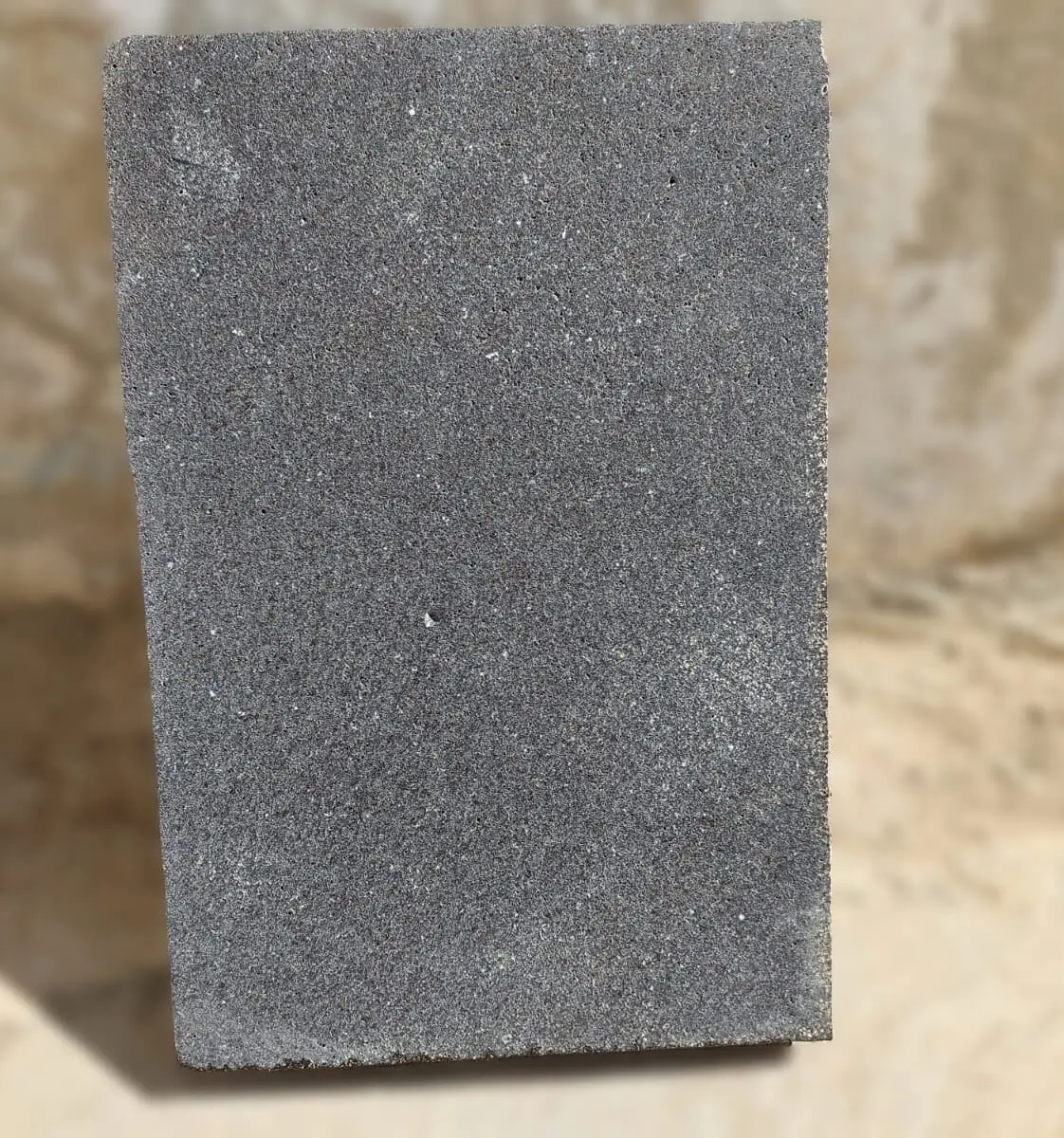
Your countertop material choice for stone outdoor kitchen ideas needs to withstand radiant heat, grease exposure, and freeze-thaw cycling in one surface. Granite remains the workhorse — its quartz and feldspar composition gives compressive strength above 19,000 PSI and near-zero water absorption, keeping grease from migrating into the stone. Basalt runs a close second, offering similar density with a tighter grain that resists micro-fracturing near heat.
Basalt vs. Granite for Cook Stations
Basalt countertops tend to hold up marginally better within the first 18 inches of a grill hood, largely due to lower quartz content reducing thermal expansion mismatch. Field testing at the warehouse level shows basalt slabs with hairline quarry-stage fractures often fail within a year near direct heat — a defect easy to miss without hands-on inspection. According to USGS data on basalt composition, its fine-grained structure gives a more consistent thermal coefficient than coarser granite.
- Granite: high compressive strength, wide color range, reseal every 1-2 years near cooking zones
- Basalt: tighter grain, better thermal consistency, limited color palette
- Travertine: attractive but higher porosity — avoid direct grill-adjacent placement without dense sealing
Stone Veneer and Exterior Wainscoting for the Cook Station Base
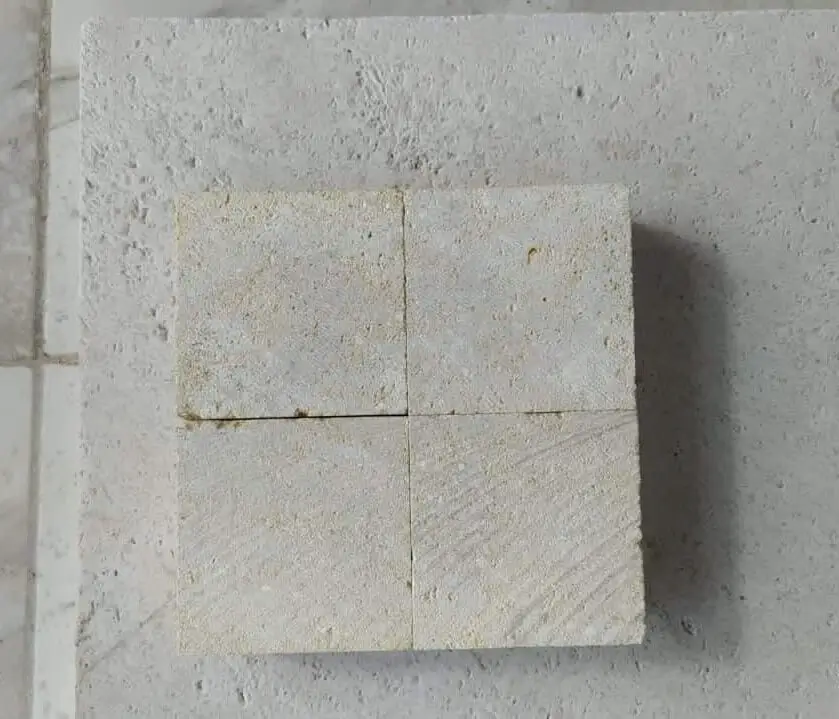
The base of your cook station carries as much design weight as the countertop, and stone veneer or stone wainscoting exterior detailing is where most outdoor kitchens earn their visual identity. Dry-stack ledger panels read casual and rustic, while coursed ashlar veneer signals a more formal build. Industry veneer installation guidance recommends a minimum 1-inch air gap behind adhered veneer near heat sources, a detail most DIY installs skip.
Commercial builds tend toward full-bed veneer with mechanical anchoring rather than thin veneer, since food-service code officials often require it. Residential projects have more flexibility, but skipping anchoring on a six-foot cook station wall remains the most common failure mode inspectors report.
Cobblestone Accents Around the Cooking Zone
Cobblestone rocks landscaping treatments work well as a transition between your patio field and cook station footprint, softening the edge where countertop meets ground-level paving. Reclaimed granite cobbles or tumbled basalt often frame the cooking zone in a soldier-course border roughly 8-12 inches wide.
This detail does more than look good — it flags where grease splatter and heat radiation most affect surrounding material, so you can spec a tougher paver in that band and save budget elsewhere.
Natural Stone Planters as Design Anchors
Stone planters anchor the transition between the cooking area and adjacent seating, and they solve a practical problem too — they block wind that would otherwise disrupt grill temperatures. Solid-carved limestone or basalt planters hold soil moisture more evenly than cast concrete, useful if you’re planting herbs within reach of the cook station.
- Limestone planters: lighter weight, easier to relocate, moderate frost sensitivity in freeze-thaw regions
- Basalt planters: heavier, better frost tolerance, higher upfront material cost
- Built-in stone planter walls: integrate directly into the kitchen’s stone wainscoting for a unified look
Flooring and Paving Choices Beneath Your Outdoor Kitchen
Your flooring choice beneath a stone outdoor kitchen has to handle grease, water, and foot traffic at once — demands that rule out many attractive pavers. Dense granite or bluestone pavers at 2-inch nominal thickness handle point loads from grills and prep carts without cracking, while a honed or flamed finish keeps grease from creating a hazard. ASTM slip resistance testing is worth reviewing before finalizing a finish near any sink or ice bin.
For broader outdoor living layouts extending beyond the kitchen footprint, Citadel Stone outdoor living stone covers the paver and flagstone options that pair well with a stone cook station without clashing in tone or finish.
Bar Seating and Vertical Surfaces in Stone
Bar seating built into an outdoor stone kitchen layout usually runs into one structural issue — overhang cantilever without adequate support. A stone bar top overhanging its base by more than 10-12 inches without a steel sub-frame is a common crack point within the first two years.
- Keep overhangs under 12 inches for unsupported stone bar tops in the 1.25-inch thickness range
- Add concealed steel angle support for overhangs beyond that threshold
- Match vertical bar-face stone to the wainscoting material for visual continuity
Budgeting for Stone Outdoor Kitchen Ideas: Freight, Labor, and Sourcing
Material cost is only part of the budget equation — freight distance from quarry or warehouse to your site often swings total project cost more than stone selection itself. A slab sourced from a nearby warehouse typically costs less in freight than one shipped cross-country, and truck scheduling around restricted site access can add real dollars.
Labor market conditions shift regionally too, and the material-to-labor cost ratio on a stone outdoor kitchen build often runs closer to 40/60 than the 60/40 split homeowners expect. At Citadel Stone, we typically recommend value-engineering visible faces first, reserving standard-grade material for hidden structural courses. Nationwide warehouse inventory typically shortens lead times to 1-2 weeks compared with the 6-8 week cycle common with imported stone.
- Choose regionally stocked stone species over rare imports to cut freight cost and lead time
- Value-engineer by using premium stone only on visible faces, standard material on hidden courses
- Confirm truck access before finalizing delivery dates — tight urban lots often need smaller delivery vehicles at added cost
Sealing and Maintenance Near Cooking Surfaces
Porosity dictates sealing frequency more than any other single property, and cooking-adjacent stone needs a tighter schedule than the rest of your patio. Dense granite and basalt typically need resealing every 2-3 years in this application, while travertine and limestone need annual attention if placed within splash range of the grill.
Skipping a documented sealing schedule tends to show up fast — grease staining within the first grilling season is common, and once oil penetrates below the sealant layer, cleaning rarely restores the original color fully.
Residential vs. Commercial Specification Differences
Commercial outdoor kitchen installations — restaurant patios, hotel pool bars, clubhouse grill stations — carry code requirements that residential builds don’t. Health department surface standards, ADA-compliant counter heights, and higher-traffic paving specs all push commercial projects toward denser, more standardized stone selections.
- Commercial builds often require food-safe sealants rather than standard penetrating sealers
- Residential projects allow more finish variation — tumbled, brushed, or antiqued textures that commercial code officials sometimes restrict
- Commercial paving typically specifies a higher minimum slip resistance rating than most residential patios
Bringing Stone Outdoor Kitchen Ideas Together
Stone outdoor kitchen ideas hold up best when material decisions are made together, not piecemeal — countertop, veneer, flooring, planters, and cobblestone accents all need a shared heat and moisture tolerance profile. You’ll get more consistent results by locking in your stone palette early and value-engineering labor-heavy details rather than material grade.
As you finalize your build, related stone applications are worth reviewing too. For guidance on preventing structural issues in adjacent hardscape features, common stone wall issues and fixes covers problems near retaining walls and planters built alongside outdoor kitchens. Porosity and surface finish determine how well a stone resists staining near cooking areas, and Citadel Stone advises on sealing schedules for each material type it supplies.
Related reading: best stone for landscaping · landscape stone prices per square foot · stone landscape edging installation.