What Actually Damages Flagstone During Cleaning
Flagstone paver cleaning looks straightforward until you realize that the wrong product or technique can do more damage in 20 minutes than a decade of foot traffic. The stone’s layered sedimentary structure — the same characteristic that gives flagstone its beautiful natural split face — makes it genuinely vulnerable to acid etching, alkaline degradation, and mechanical abrasion in ways that denser igneous stones simply aren’t. Understanding what you’re working with before you reach for any cleaner is essential.
Flagstone is typically sandstone, slate, or limestone-based, and each variant carries a different porosity rating and acid sensitivity. Sandstone flagstone can absorb cleaning solutions rapidly into its open pore network, meaning a diluted acid wash that seems safe on contact can continue reacting below the surface for hours. Limestone-based flagstone is especially reactive to acidic cleaners — even products marketed as “natural stone safe” can contain citric or phosphoric acid compounds that strip the calcium carbonate matrix. According to flagstone sedimentary rock characteristics and paving use, the mineral composition of flagstone varies considerably by quarry origin, which directly affects its chemical resistance profile.
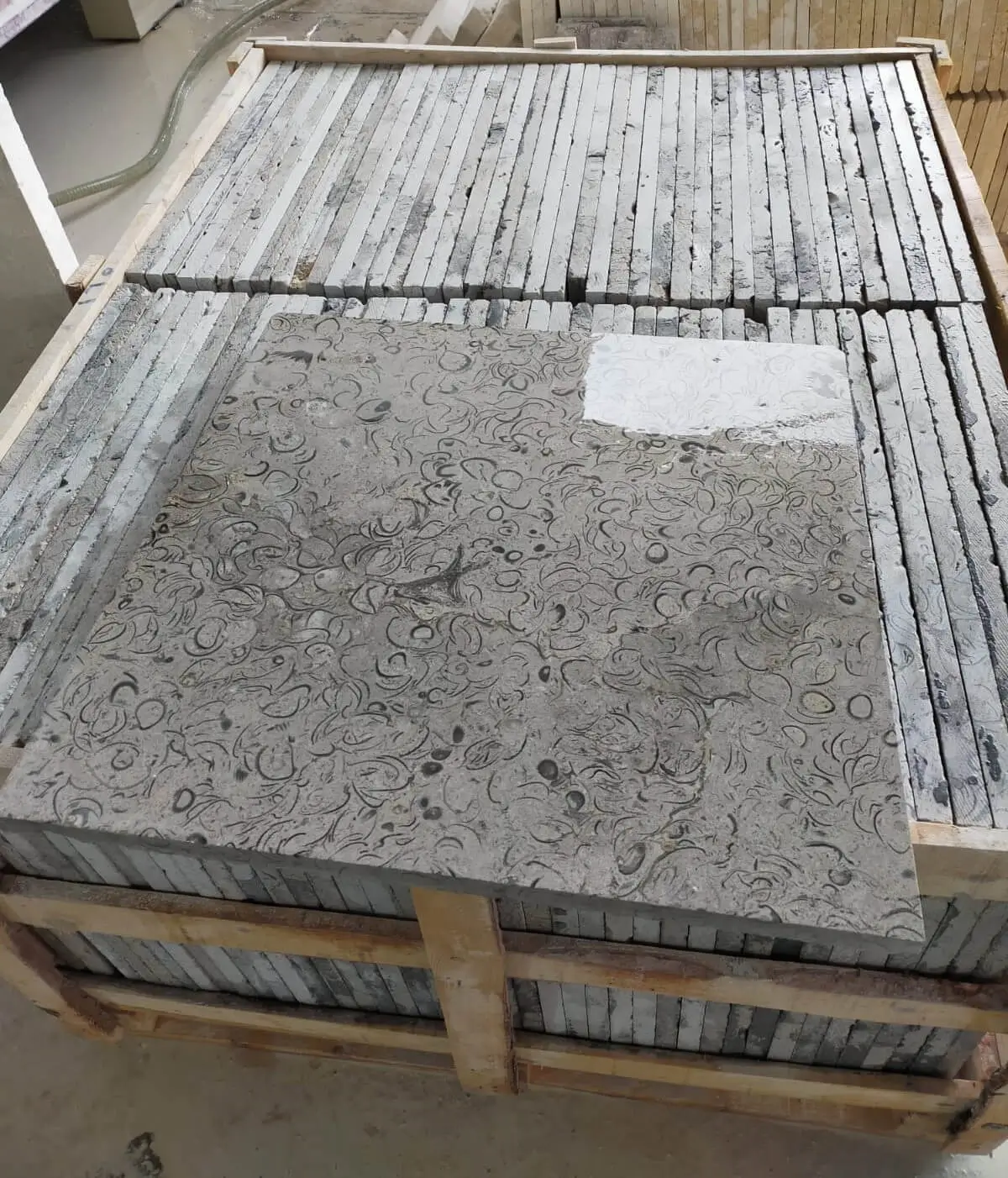
Reading Your Flagstone Before You Clean
Run your hand across a dry section of your flagstone pavers on a warm day. If you feel grit or fine powder transfer to your palm, the surface has begun to spall — and any aggressive mechanical cleaning will accelerate that breakdown. Your flagstone outdoor paver care routine should always start with a full surface assessment. Check for:
- White efflorescence deposits — mineral salts migrating upward from the base, best removed with dry brushing before any wet treatment
- Biological growth — algae, lichen, and moss require different treatment protocols than organic stains like leaf tannins or grease
- Existing sealer condition — if beading is no longer occurring after rainfall, the sealer has broken down and the stone is absorbing contaminants faster than normal
- Joint sand integrity — compromised joints allow cleaning solutions to migrate beneath the pavers, potentially destabilizing the bedding layer
- Active cracks or delamination — flagstone with visible fracture lines or lifting faces needs structural attention before cleaning
Surface deposits — pollen, dust, light organic matter — respond to a pH-neutral cleaner and a soft brush. Embedded stains that have penetrated below the surface layer require either a poultice treatment or a professional-grade penetrating cleaner matched to the specific stain type.
Choosing the Right Cleaner Without Compromising the Stone
The best cleaner for natural stone pavers is almost never the strongest one — it’s the most appropriate one for both the stain type and the stone chemistry. For routine flagstone paver cleaning, a pH-neutral stone-specific cleaner diluted per the manufacturer’s specification is the correct starting point. Products formulated for natural stone outdoor use maintain a pH between 7 and 8, keeping them inert against carbonate minerals.
Most homeowners make a costly mistake by reaching for household cleaners — bleach, vinegar, citrus-based degreasers. Vinegar sits around pH 2.5, and a single application on limestone-based flagstone can etch the surface visibly within minutes. Bleach oxidizes iron compounds in certain sandstones, creating rust-orange staining that’s nearly impossible to reverse without abrading the surface.
- pH-neutral stone cleaners: safe for all flagstone types, ideal for routine maintenance and light organic staining
- Alkaline degreasers (pH 8-10): appropriate for grease, oil, and tire marks on flagstone driveways — test first on sandstone variants
- Enzyme-based biological cleaners: effective against algae, moss, and organic growth without acid damage
- Poultice compounds with hydrogen peroxide base: suitable for deep organic stains on non-limestone flagstone only
- Iron stain removers (oxalic acid-based): effective but must be used with extreme caution and rinsed thoroughly — not for limestone flagstone
Step-by-Step Flagstone Cleaning Method
Proper flagstone paver cleaning follows a consistent sequence that protects the stone at every stage. Pre-wetting the entire flagstone surface with clean water before applying any cleaning product is critical: it partially fills the stone’s pore network, slowing the absorption of the cleaner and giving you more control over dwell time. According to USGS flagstone and dimension stone paving data, natural flagstone paving absorbs water at rates ranging from less than 1% to over 7% by weight depending on stone type — a range that represents a significant difference in how quickly a cleaner penetrates.
- Step 1: Dry sweep and blow — remove all loose debris from surface and joints
- Step 2: Pre-wet thoroughly — saturate the surface with clean water, work in manageable 50-square-foot sections
- Step 3: Apply cleaner — use a soft-bristle brush or low-pressure garden sprayer
- Step 4: Agitate gently — work the cleaner with a natural-bristle deck brush, circular motion on stained areas
- Step 5: Allow appropriate dwell time — typically 5-10 minutes, never let the product dry on the surface
- Step 6: Rinse thoroughly — flush with clean water, working from high points to low
- Step 7: Neutralize if required — if you used an alkaline degreaser, a dilute pH-neutral rinse prevents residue buildup
- Step 8: Allow full drying — minimum 24 hours before sealing, 48 hours in humid conditions
For additional guidance, our flagstone maintenance guidance at Citadel Stone covers the full care cycle from installation through long-term performance.
Pressure Washing Flagstone: Real Risks and Practical Limits
The safe operating range for flagstone paver cleaning with pressure equipment is 500-800 PSI using a wide-fan tip (40-degree or wider) held at least 12 inches from the surface. Consumer-grade pressure washers typically start at 1,200-1,600 PSI — already above the safe range for softer sandstone flagstone.
- Sandstone flagstone: limit pressure to 500 PSI maximum — the grain structure is susceptible to surface erosion at higher pressures
- Slate flagstone: moderate pressure (600-800 PSI) is acceptable on honed faces, but avoid cleft/split faces entirely as delamination risk is high
- Limestone flagstone: pressure washing is acceptable at low settings, but avoid tight-stream nozzles entirely
- Heavily weathered flagstone: avoid pressure washing regardless of type — surface erosion is already active and pressure accelerates it significantly
The ASLA’s natural stone outdoor paving guidance emphasizes that natural stone surfaces benefit from maintenance approaches that preserve permeable surface characteristics — aggressive mechanical cleaning works against this principle by compacting or eroding the surface texture that contributes to drainage and slip resistance.
Stain-Specific Removal by Type
Reliable flagstone paver stain removal tips must account for stain chemistry, not just stain appearance. Applying the wrong product doesn’t just fail to clean — it can set the stain permanently by bonding it deeper into the stone’s pore structure.
- Grease and oil stains: alkaline degreaser applied undiluted to the dry stain, covered with plastic film to slow evaporation, dwell 20-30 minutes before agitation and rinsing
- Rust stains: oxalic acid-based rust remover — effective on non-limestone flagstone, test thoroughly first, neutralize completely after treatment
- Efflorescence (white mineral deposits): dry brushing first, then a pH-neutral efflorescence remover — diluted white vinegar only on non-calcareous variants
- Algae and moss: enzyme-based biological cleaner or diluted bleach solution (avoid on limestone flagstone), followed by a preventive biocide application
- Paint and sealant spills: mechanical removal with a plastic scraper first, then a solvent appropriate to the paint type — test on a concealed section
Sealing Flagstone Pavers After Cleaning
Sealing flagstone pavers after cleaning is where the investment in proper cleaning technique pays its full return. A correctly selected sealer extends cleaning intervals, reduces stain penetration depth, and moderates biological growth — but only when applied to a genuinely clean, dry surface. Penetrating impregnating sealers — silane, siloxane, or silane-siloxane blends — are the preferred specification for most outdoor flagstone applications. They protect from within the pore structure rather than forming a film on the surface, meaning they don’t peel, don’t trap moisture, and don’t alter the natural texture or slip resistance of the stone.
- Penetrating silane-siloxane sealer: recommended for most outdoor flagstone paver applications — water-repellent, breathable, non-film forming, typical reapplication interval 3-5 years
- Topical acrylic sealer: appropriate for interior or sheltered applications where a wet-look effect is desired — not recommended for exposed outdoor pavers
- Color-enhancing penetrating sealer: deepens natural color while maintaining breathable penetrating sealer performance
- Natural finish penetrating sealer: maintains the stone’s original dry appearance while providing stain resistance
Before sealing flagstone pavers after cleaning, verify the surface is fully dry using a plastic sheet test: tape a 12-inch square of plastic to the surface and leave it for 24 hours. Condensation on the underside indicates residual moisture that will compromise sealer adhesion and create a whitish haze.
Building a Flagstone Outdoor Paver Care Routine That Holds
A sustainable flagstone outdoor paver care routine is less about intensive annual deep cleaning and more about reducing the accumulation that makes deep cleaning necessary. A consistent light-maintenance approach typically outperforms infrequent intensive treatments in both stone preservation and long-term appearance.
- Weekly: dry sweep to remove leaf debris, dust, and loose organic material from surface and joints
- Monthly: check joint sand levels — replenish with polymeric sand where settlement has created gaps larger than half the original joint depth
- Quarterly: low-pressure rinse with clean water, inspect for early biological growth, address spot stains immediately before they bond
- Annually: full pH-neutral flagstone paver cleaning, inspect sealer integrity with water-bead test, assess for surface spalling or active cracking
- Every 3-5 years: professional-grade cleaning followed by full resealing with penetrating impregnating sealer
At Citadel Stone, we’ve seen installations maintained on this routine hold their appearance and structural integrity for 25 years or more. Joint sand maintenance is consistently the deciding factor — compromised joints allow water infiltration and weed growth that accelerates surface damage faster than any other single variable.
What Flagstone Paver Cleaning Gets Right or Wrong
Getting flagstone paver cleaning right comes down to chemistry matching, sequence discipline, and honest assessment of the stone’s current condition before anything touches the surface. The installations that fail — the ones with acid etching, sealer failure, persistent staining, or surface erosion — almost always trace back to a product misapplication in the first cleaning cycle or a sealing step done too soon after cleaning.
For projects where the flagstone pavers themselves were sourced from distant quarries or specialty importers, factor in that replacement stone for repairs may not be available locally — which is another argument for a conservative, stone-preserving cleaning approach that extends the service life of the existing installation. Joint material choice also directly affects how often deep cleaning is required. To explore the options, joint material options for flagstone pavers covers the performance trade-offs between polymeric sand, gravel, and ground cover alternatives.
At Citadel Stone, we field questions about cleaning and maintenance damage regularly, and the pattern is consistent: the problem almost always started with a product that seemed convenient rather than appropriate. Pressure washing flagstone carries real risk of surface erosion, and Citadel Stone advises testing any cleaning method on a small concealed section before proceeding across an entire surface.