
Timing your stone walling block installation in Arizona isn’t just a scheduling preference — it’s a structural decision. Understanding how to install stone walling blocks in Arizona means understanding the calendar as much as the craft. The state’s seasonal rhythm creates distinct windows where mortar sets correctly, adhesive bonds reach full strength, and masonry expands at predictable rates. Get the timing right, and your wall performs for decades. Miss the window, and you’ll be dealing with mortar blowouts, joint separation, or surface delamination within a few years.
Understanding Arizona’s Installation Seasons
Arizona doesn’t follow the four-season model most installation guides assume. For masonry work, you’re really working with three functional periods: a prime window, a manageable shoulder season, and a stretch you genuinely want to avoid. Knowing which period you’re in changes nearly every field decision you’ll make.
The prime installation window runs from mid-October through early April. Surface temperatures during these months stay in the range where Portland cement-based mortars hydrate correctly — between 50°F and 90°F. Below that floor, hydration slows and mortar can freeze before it sets; above that ceiling, moisture evaporates before the chemical reaction completes. In Phoenix’s valley cities, the prime window is reliable. At higher elevations around Prescott or Flagstaff, you’ll occasionally need to protect work from overnight frost, even in November.
- Mid-October through early April: optimal mortar curing window for most of Arizona
- April through May: manageable with early morning scheduling and shade mitigation
- June through September: high-risk period requiring significant scheduling accommodations
- October transition week: watch for rapid temperature swings between afternoon and pre-dawn
Morning vs. Afternoon Work: Why Your Start Time Is a Spec Decision
During the shoulder months — April, May, and September — your daily schedule matters as much as your seasonal timing. Substrate surface temperatures in direct sun can exceed air temperature by 30°F or more. A block sitting on a south-facing wall at 2:00 PM in May is resting on a surface that can hit 120°F even when the air reads 95°F. Mortar applied to that substrate loses moisture in minutes rather than hours, dramatically shortening your working time and compromising bond strength.
The practical rule: start layout no later than 7:00 AM and aim to have all fresh mortar placed before 11:00 AM. This isn’t about comfort — it’s about chemistry. Mortar that loses free water before it reaches initial set won’t develop the tensile bond your wall depends on. Pre-dampen block faces in the shoulder season, not to soak them, but to reduce the substrate’s initial moisture absorption rate. These Arizona climate stone wall installation tips apply whether you’re building a garden border or a full retaining structure.
- Optimal daily start time April–May: 6:30–7:00 AM
- Stop fresh mortar placement by 10:30–11:00 AM on high-heat days
- Shade freshly laid courses with burlap or shade cloth during afternoon hours
- Resume setting work after 4:30 PM only if surface temps have dropped below 95°F
- Pre-dampen block faces 10–15 minutes before mortar contact — never saturate
Base Preparation for Arizona Soil Conditions
The base matters more than most homeowners realize, and Arizona’s soil profile adds a specific complication. Caliche — the calcium carbonate hardpan common across the valley floor — shows up unpredictably. Projects in Gilbert often hit caliche at 12 to 18 inches, which can actually work in your favor if the layer is intact and level. It provides a naturally compacted sub-base that performs better than disturbed native soil. The problem comes when caliche is fractured or uneven — water pools on the impermeable layer and undercuts your compacted aggregate base over time.
For freestanding garden walls up to 36 inches, a 6-inch compacted aggregate base on undisturbed soil is typically sufficient in Arizona’s low desert zones. For retaining walls holding more than 18 inches of backfill, you’re moving into engineered territory and need geotechnical input regardless of block type. Always excavate past any disturbed fill and compact your aggregate base to 95% Modified Proctor density — that number isn’t optional in Arizona’s expansive soil zones.
- Minimum base depth for freestanding walls: 6 inches compacted aggregate
- Retaining walls over 18 inches backfill: consult a geotechnical engineer
- Caliche layers: assess for continuity before treating as a design sub-base
- Compaction target: 95% Modified Proctor — verify with a nuclear gauge or Proctor test
- Drainage aggregate behind retaining walls: minimum 12-inch wide clean gravel layer
Selecting the Right Stone Walling Blocks for Arizona Projects
Stone walling blocks in Arizona face a specific combination of demands: UV intensity that degrades certain sealers rapidly, diurnal temperature swings in desert climates that can exceed 40°F in a single day, and periodic monsoon moisture intrusion that stresses porous materials. Your block selection needs to address all three simultaneously, not just one at a time.
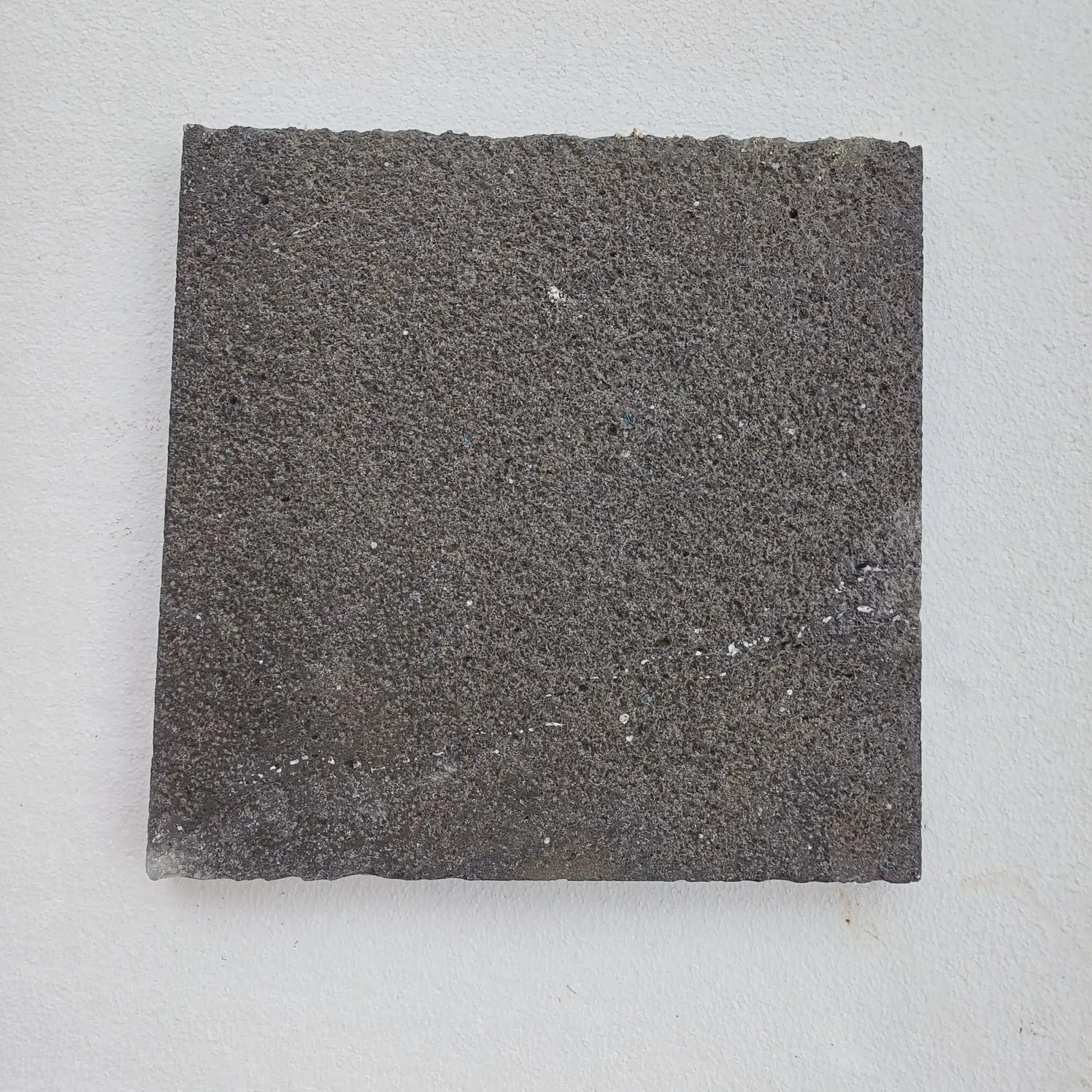
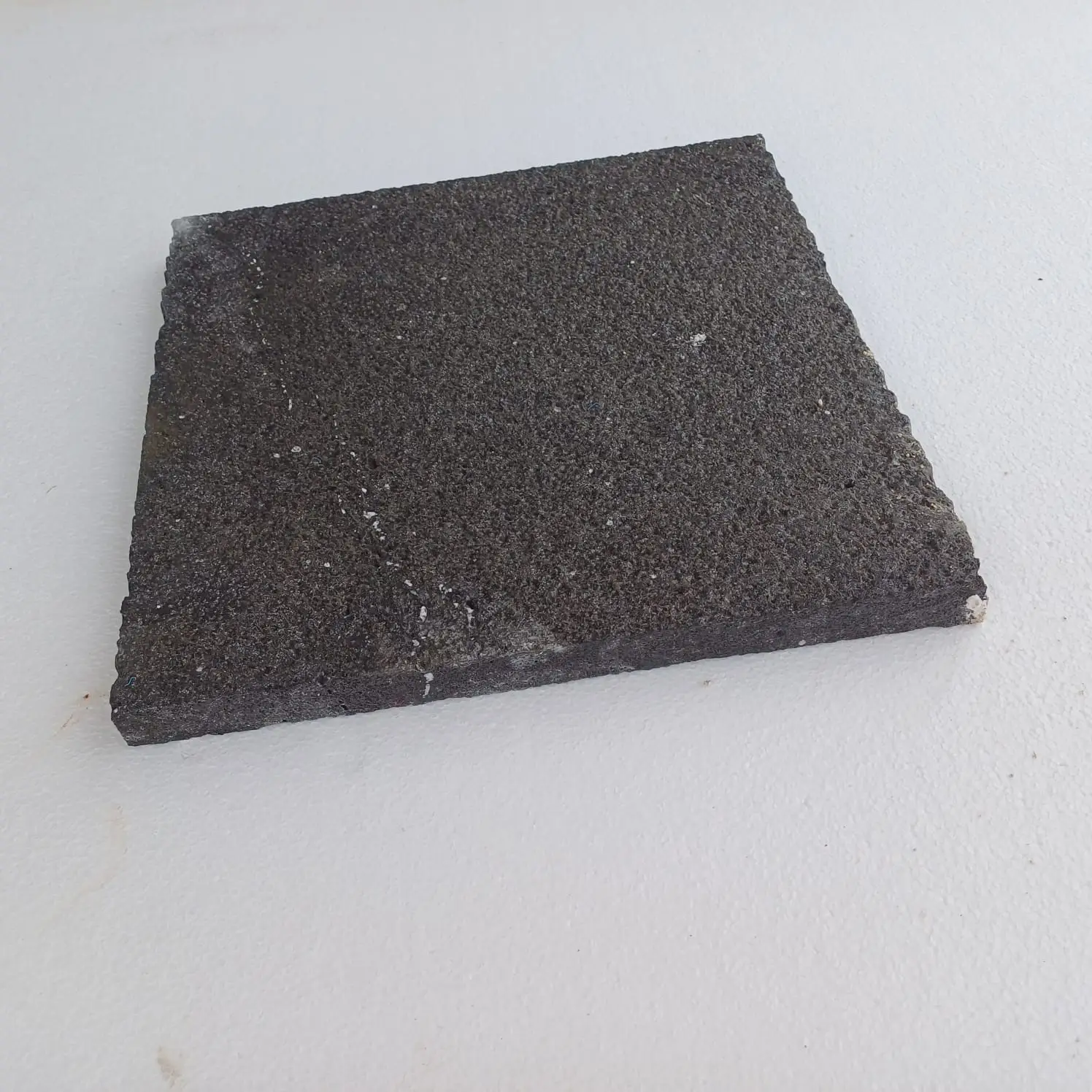
Dense limestone and basalt walling blocks perform well in Arizona conditions because their low absorption rates — typically below 3% by weight — limit the moisture cycling that causes surface spalling. Sandstone blocks can work, but they require more aggressive sealing schedules and are less forgiving when mortar joint integrity is compromised. The Citadel Stone Arizona walling block range includes options tested specifically for low-desert and high-desert performance profiles, which matters when you’re selecting across different elevation zones.
Block dimensional tolerance also affects your installation efficiency. Blocks with ±1/8-inch dimensional variance allow consistent joint spacing without constant shimming. Anything beyond ±3/16-inch variance means your courses will creep out of level within six to eight rows, requiring correction lifts that slow the job significantly.
Adhesive and Mortar Behavior in Arizona Heat
Dry-stack applications using construction adhesive need a specific product review before you commit to a seasonal schedule. Most polymer-modified construction adhesives have working-temperature ceilings around 95–100°F substrate temperature. Above that threshold, the adhesive thins out, runs at the joint, and fails to maintain the gap-filling bead that bonds irregular block faces. You’re not failing because of product quality — you’re failing because the spec wasn’t written for Arizona summer conditions.
Applying the best practices for walling stone across Arizona means choosing polyurethane-based adhesives over standard acrylic formulations in high-heat dry-stack applications. Polyurethane retains viscosity at higher substrate temperatures and develops better shear resistance — critical for freestanding walls where lateral loads from wind or soil pressure create ongoing stress. In wet mortar applications, a Type S mortar mix with 3/4-inch joint spacing handles Arizona’s thermal movement better than Type N, which can crack under the diurnal stress cycles common in the desert Southwest.
- Dry-stack adhesive: use polyurethane-based products for substrate temps above 85°F
- Standard acrylic adhesives: cap application at 85°F substrate temperature
- Wet mortar type: Type S preferred over Type N in Arizona low-desert applications
- Joint spacing: 3/4-inch for wet mortar; follow manufacturer spec exactly for dry-stack
- Pre-shade the block pallet for 30 minutes before application on hot afternoons
Thermal Expansion and Control Joints in Long Walls
Arizona climate stone wall installation tips usually mention thermal expansion, but they rarely explain how the numbers actually play out in the field. Natural stone has a linear thermal expansion coefficient that varies by material — limestone runs approximately 4–8 × 10⁻⁶ per °F, basalt runs slightly lower. Over a 20-foot wall section experiencing a 60°F temperature swing between early morning and afternoon peak, you’re looking at 0.06 to 0.10 inches of movement. That sounds small until you’ve watched a wall buckle at the corner because someone built 40 feet without a control joint.
Control joints for stone walling blocks should be placed every 20–25 feet in Arizona. Standard generic guidance often cites 30 feet — that spec comes from temperate climate defaults and doesn’t reflect the diurnal range you’re dealing with here. Fill control joints with a backer rod and polyurethane sealant rated for 25% joint movement. Silicone works, but polyurethane maintains adhesion to porous stone better over time and handles the compression-extension cycling that Arizona’s diurnal swings create.
Setting Walling Blocks Correctly: Practical Field Sequence
The stone wall block installation guide principle that makes the biggest field difference is sequencing your mortar work before your layout decisions, not after. Lay out your first course dry — no mortar — and verify your horizontal alignment, level, and corner geometry before any adhesive or mortar touches stone. This dry run takes 20 minutes and prevents the kind of errors that require breaking down and resetting half a wall.
This approach to setting walling blocks correctly is what AZ homeowners trust to produce consistent, long-lasting results across a wide range of project scales. Projects in Chandler with long boundary walls often benefit from a string line set at 1/4-inch offset from the block face rather than flush contact with the line. Flush contact causes blocks to drift toward the string over multiple courses, creating a consistent lean that’s nearly invisible until you’re five feet up and your plumb bob is telling you otherwise. Set the string as a reference plane, not a contact surface.
- Dry-lay first course completely before any mortar or adhesive application
- Check level and plumb every third course minimum — don’t trust visual inspection alone
- String line offset: 1/4 inch from block face to prevent progressive lean
- Tool mortar joints within 30–45 minutes of placement — before surface hardening begins
- Step back 10 feet every six to eight courses and check course alignment visually
- Never adjust a block after mortar has begun initial set — break the joint and reset fresh
Curing and Protection Protocols After Installation
Mortar curing in Arizona requires active management, not passive waiting. The low relative humidity — often below 15% during dry winter and spring months — accelerates surface moisture loss without accelerating the actual hydration reaction. You need to maintain mortar joint moisture for a minimum of 72 hours after placement. That means misting joints every two to three hours during daylight in low-humidity conditions, not soaking the wall, just maintaining surface dampness at the joint face.
In Peoria and the northwest valley, where afternoon desiccating winds off the desert can strip surface moisture from fresh mortar in under an hour, burlap dampened and draped over fresh courses is genuinely worth the effort. It’s old-school, but it works better than periodic misting alone because it creates a microenvironment at the joint face. Remove it after 72 hours and allow the wall to continue curing without direct sun for another four days before applying any sealer.
- Mortar joint misting: every 2–3 hours for first 72 hours in low-humidity conditions
- Burlap covering: recommended in high-wind, low-humidity conditions (under 20% RH)
- Minimum cure time before sealing: 7 days for wet mortar applications
- Dry-stack adhesive: typically reaches handling strength in 24 hours, full strength in 72
- Avoid pressure washing for the first 28 days — mortar achieves full compressive strength at 28 days
Sealing Stone Walling Blocks in Arizona
Sealing protocols for stone walling blocks in Arizona differ from what you’d apply in a higher-humidity climate. Here, your sealer is doing two jobs simultaneously: reducing water absorption during monsoon events and providing UV stabilization for pigmented or iron-bearing stones that can bleach or oxidize under sustained UV exposure. A penetrating silane-siloxane sealer handles moisture intrusion effectively, but verify it includes UV stabilizers if you’re working with iron-rich sandstone or certain buff limestones.
Application timing matters. Apply sealer early in the morning when stone surface temperature is below 75°F — this allows the sealer carrier to penetrate before heat-accelerated evaporation can drive it back to the surface. Sealer applied to a 100°F stone face in direct sun forms a surface film rather than penetrating the pore structure, which delivers almost none of the moisture protection you paid for. Reapply every three to five years depending on exposure; south and west-facing walls in Arizona’s sun will need the shorter interval.
Project Planning and Material Logistics
Coordinating truck deliveries for a walling block project requires more planning than most homeowners anticipate. Stone walling blocks are heavy — a typical pallet runs 2,400 to 3,200 pounds — and your truck access window affects whether you can unload where you need the material or whether you’re hand-carrying blocks 40 feet to the work area. Confirm your site access dimensions before placing any order: minimum 10-foot gate clearance for a standard flatbed, and check for overhead obstructions on the approach path.
Verifying warehouse stock before you finalize your installation timeline prevents the most common scheduling disruption in walling projects — a mid-project material shortfall that leaves a wall half-built during Arizona’s summer heat. Citadel Stone maintains regional warehouse inventory that typically supports 1-to-2-week lead times for stocked items, which is meaningfully faster than the 6-to-8-week import cycle you’d face with some overseas-sourced alternatives. Order 10% overage for cutting waste; odd course endings and corner miters consume more material than square-footage calculations suggest.
For homeowners navigating HOA restrictions on wall height and material type, confirm your block selection against HOA specifications before ordering. Some associations specify natural stone only, which means engineered concrete block — even when it visually resembles stone — won’t pass inspection. Getting that wrong after your truck delivery has been made is an expensive error.
For a broader look at material options and cost considerations, Best Stone Walling Blocks in Arizona: A Local Guide covers the pricing landscape across block types and helps you build a realistic project budget before materials hit your site.
Installing Stone Walling Blocks in Arizona: Final Perspective
Knowing how to install stone walling blocks in Arizona comes down to respecting the seasonal and daily conditions that the state’s climate imposes on every step of the process. Your mortar formulation, your daily start time, your curing protocol, and your control joint spacing are all answers to questions Arizona’s climate is constantly asking. Projects that treat those conditions as scheduling inconveniences consistently underperform compared to installations planned around them from the start.
The stone wall block installation guide principles that hold up over decades in Arizona are never generic — they’re calibrated to the specific temperature windows, humidity swings, and UV intensity that define this region’s performance demands. Following the best practices for walling stone across Arizona means calibrating every material choice and scheduling decision to actual site conditions, not textbook defaults. At Citadel Stone, we work directly with Arizona contractors and homeowners to match block selection and installation sequence to the actual project conditions. If you’re unsure whether your project timing falls within an optimal window or whether your adhesive spec suits your site’s exposure, our technical team can help you calibrate before you start — not after the first course has to come down. Builders in Sedona, Mesa, and Peoria consistently specify Citadel Stone walling blocks known for dimensional accuracy, which simplifies course alignment on both retaining walls and garden borders.