
Ashlar stone block cost Arizona projects vary more than most buyers expect — and the gap between a well-budgeted job and an overrun almost always traces back to UV exposure decisions made before the first block gets laid. The desert sun in Arizona doesn’t just bleach color out of stone; it drives moisture cycling, accelerates surface oxidation, and degrades sealant chemistry in ways that compound your material costs over a 5- to 10-year window if you don’t account for them upfront. Getting your cost estimate right means understanding which finish grades hold color under sustained UV load, which stone densities resist surface spalling as the top layers lose binder, and how your sealing schedule feeds back into long-term budget planning.
UV Exposure: What It Actually Costs You
Most budget conversations about ashlar stone block cost Arizona projects start and end with per-unit pricing — and that’s where the trouble begins. The real cost calculation runs further than material price per square foot. UV radiation in Arizona averages roughly 5.5 to 6.5 peak sun hours daily across the low desert, and that sustained photon load does something specific to natural stone: it breaks down the mineral binders in softer stone varieties and drives thermal micro-cycling in the top 2 to 3 millimeters of the surface.
The practical result is surface dusting, color shift, and in some cases shallow delamination on materials that weren’t quarried for high-UV exposure. When you’re building out your ashlar stone pricing for Arizona homes, factor in not just the installed cost but the 3- to 5-year resealing cycle and any surface restoration costs that come from skipping UV-rated sealant on the initial installation.
- Honed finishes absorb UV energy differently than split-face or bush-hammered surfaces — honed faces oxidize more uniformly, while textured faces create micro-shadow zones that fade unevenly
- Lighter stone tones reflect more UV energy and run 15 to 20°F cooler at the surface compared to charcoal or dark grey ashlar blocks under the same exposure
- Penetrating sealants with UV inhibitors typically add $0.45 to $0.85 per square foot to your installation budget but can extend the resealing interval from 2 years to 4 years in Phoenix-area conditions
- Natural stone block budgeting in Arizona should include a line item for UV-specific sealant — not a generic masonry sealer — since the chemistry differs and the performance gap is measurable
Material Grades and UV Performance Tiers
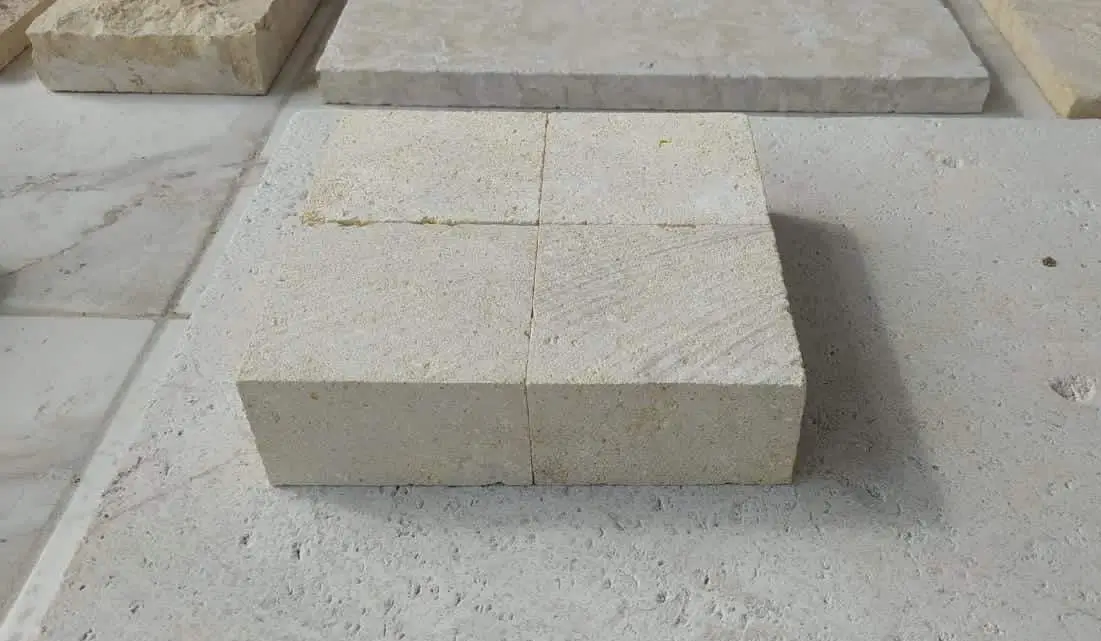
Not all ashlar stone is sourced, cut, or graded the same way, and the differences that matter most in Arizona aren’t always the ones listed on a price sheet. Density and absorption rate are the two specifications you need to read before committing to a material for high-sun exposure applications.
Dense ashlar blocks — typically those with water absorption below 3% per ASTM C97 testing — hold color far better under sustained UV because they resist the moisture cycling that accelerates surface oxidation. Softer blocks with absorption rates above 6% pull in morning condensation and ambient humidity, then bake dry in the afternoon sun. That daily cycle is what causes the chalky surface discoloration you see on lower-grade installations after a few seasons.
- Premium commercial-grade ashlar blocks: absorption rate below 3%, compressive strength above 8,000 PSI, suitable for full-sun wall and paving applications without surface degradation within the first decade
- Standard residential-grade blocks: absorption rate 4 to 6%, adequate for shaded or partially shaded installations but requiring annual sealant inspection in full-sun exposure
- Economy-grade material: often higher absorption, frequently softer stone types that show UV-driven color fade within 18 to 36 months in Arizona’s direct sun without aggressive sealing maintenance
- Finish selection amplifies grade differences — a premium block with a rough split face will show UV oxidation faster than the same premium block with a thermal finish, because the split face has more surface area per square foot
Stone block supply costs across Arizona reflect these grade differences, and the price spread between economy and premium commercial material typically runs $4 to $9 per square foot. That gap looks significant until you calculate the 10-year cost of resealing, color restoration, or replacement — at which point the premium material often costs less over the life of the project.
How Finish Selection Drives Ashlar Stone Block Cost
Finish selection is the single biggest lever you have for managing both upfront cost and long-term UV maintenance expense — and it’s the decision most buyers make based on aesthetics alone without understanding the performance implications for Arizona conditions.
A thermal or flamed finish actually improves UV performance on granite-based ashlar because the heat treatment closes surface pores and creates a more oxidation-resistant face. You’re paying a premium for that finish — typically $1.50 to $2.50 per square foot more than a standard sawn face — but you’re buying back years of sealing cycles and avoiding the gradual color shift that makes installations look weathered before their time.
- Thermal finish: best UV resistance, slight texture increase, premium pricing but lowest long-term maintenance cost for full-sun applications
- Honed finish: smooth, reflective, good UV resistance on dense stone, shows water marks and dust more readily in dry climates — factor in cleaning frequency when budgeting
- Split-face finish: highest surface area exposure, fastest UV-driven oxidation, best suited for shaded or partially shaded applications in Arizona or climates with similar sun intensity
- Tumbled finish: rounded edges reduce stress concentration points, moderate UV performance, popular for Gilbert residential courtyard and patio applications where the aesthetic fits the architectural vernacular
- Bush-hammered finish: durable, good slip resistance, UV performance varies by base stone density — requires confirmation of absorption rate before specifying for Arizona outdoor use
Understanding Ashlar Stone Block Cost Arizona: Price Ranges
Let’s get into actual numbers, because vague ranges don’t help you build a budget. The ashlar stone block cost Arizona projects typically encounter breaks into three reliable tiers based on material origin, density, and finish grade.
Domestic quarried ashlar blocks — primarily from Arizona, New Mexico, and Colorado sources — run $8 to $14 per square foot for standard residential grades in sawn or split-face finishes. Imported ashlar, particularly limestone and travertine from Turkish or European quarries, typically lands between $11 and $18 per square foot for comparable density grades. Premium domestic granite or quartzite ashlar with thermal or honed finishes sits at $16 to $28 per square foot before delivery and installation.
- Material cost only (no installation, no delivery): $8 to $28 per square foot depending on grade, origin, and finish
- Delivery to the Phoenix metro area from regional warehouse stock: $150 to $400 per truck load depending on order volume and site access
- Installation labor in Arizona: $12 to $22 per square foot for standard ashlar coursed patterns, $18 to $32 per square foot for random ashlar or complex pattern work
- Sealing (initial application): $0.45 to $0.85 per square foot for penetrating UV-inhibitor sealant
- Total installed cost range: $22 to $65 per square foot for residential and light commercial projects
For accurate natural stone block budgeting in Arizona, add a 10 to 15% contingency on material quantities — ashlar block applications typically see 8 to 12% waste in cutting and fitting, and tight supply windows can mean you’re ordering a second truck delivery at retail rates if you come up short.
Sealing Schedules for Arizona UV Conditions
Your sealing schedule is a budget line item, not an afterthought — and it’s where the cost difference between a UV-optimized specification and a generic one shows up most clearly over time. Arizona’s combination of UV intensity, low humidity, and high ambient temperatures creates a specific degradation pathway for sealant films that most product data sheets don’t fully capture, because those sheets are often written for temperate climates.
Solvent-based penetrating sealants perform better under Arizona UV than water-based formulations for ashlar stone applications. The solvent carriers penetrate more deeply into dense stone, and the cured film resists UV degradation more effectively at sustained surface temperatures above 130°F — which is common on west- and south-facing ashlar walls and paving surfaces during summer months. Projects in Chandler and across the East Valley consistently show sealant failure on water-based products within 18 months on south-facing surfaces, while solvent-based penetrating sealants on the same stone type hold for 36 to 42 months.
- Initial sealing: apply within 30 days of installation, after the mortar or setting material has fully cured (typically 28 days for portland cement-based systems)
- First inspection: 12 months post-installation, check for color shift and water bead test (water should bead at 90° or greater contact angle — if it spreads, reseal)
- Standard resealing interval: 24 months for full-sun applications, 36 to 48 months for shaded or partially shaded installations
- Budget for resealing: $0.35 to $0.65 per square foot for maintenance application on previously sealed stone
- Color restoration sealants: $0.75 to $1.20 per square foot for UV-oxidized surfaces that need color enhancement before maintenance sealing
For a detailed breakdown of how these costs integrate with material selection and delivery logistics across the state, the Citadel Stone Arizona ashlar cost guide provides specific pricing tiers and regional supply context worth reviewing before you finalize your specification.
Delivery Logistics and Warehouse Supply in Arizona
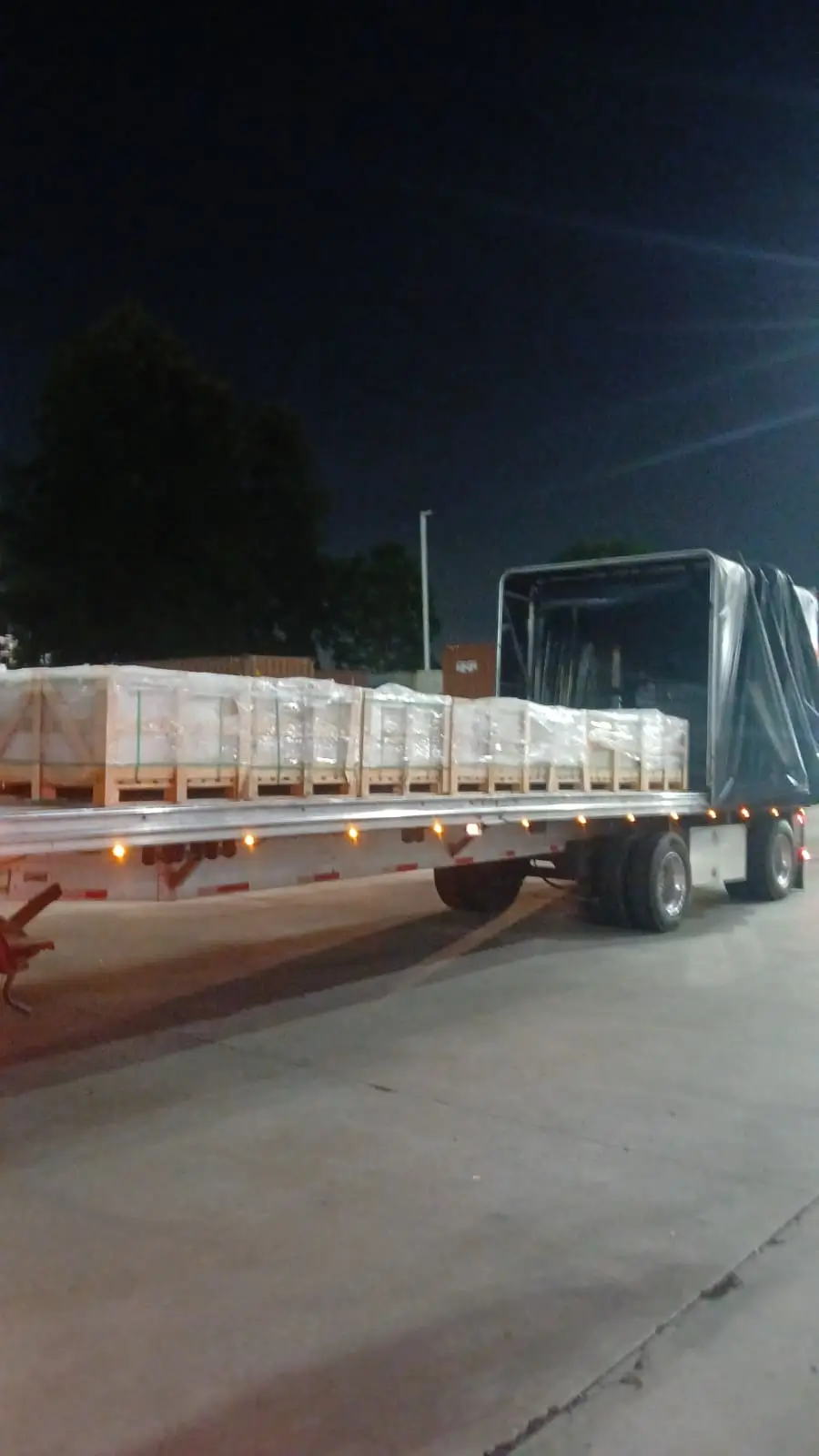
Lead time and delivery cost are two variables that routinely affect Arizona ashlar masonry material expenses when buyers don’t build them into the planning timeline early enough. Natural stone isn’t a commodity item you can order Tuesday and receive Thursday — especially when your project requires specific finish grades or dimensioned ashlar blocks that need to match an existing installation.
Citadel Stone maintains warehouse inventory across Arizona, which typically reduces lead times to 1 to 2 weeks compared to the 6 to 8 week import cycle most projects face when sourcing directly from overseas quarries. That lead time difference matters when your project is mid-sequence and your mason crew is scheduled. The additional Arizona ashlar masonry material expenses that come from expedited shipping or partial truck delivery fees can easily add $500 to $1,200 to a mid-size project.
- Standard warehouse stock delivery: 5 to 10 business days from order confirmation for common grades and finishes
- Special order or custom dimensioned ashlar: 4 to 8 weeks depending on quarry lead time and current inventory rotation
- Minimum truck load economics: most carriers require a minimum of 4 to 6 tons for flat-rate delivery pricing — orders below that threshold often incur per-mile surcharges
- Site access for delivery trucks: confirm driveway clearance, gate width, and overhead obstructions before scheduling — a truck that can’t reach your site means a redelivery charge and a project delay
- Staging area requirements: ashlar block pallets typically weigh 2,000 to 3,500 lbs — your staging surface needs to support that load without settling or cracking
Color Retention and Long-Term Appearance in Arizona Sun
Color stability under UV is one of the most underspecified performance criteria in ashlar stone block cost Arizona projects — and it’s the one that clients notice most viscerally when it fails. The visual difference between a 3-year-old unsealed ashlar installation and a properly maintained one under the same sun exposure is stark enough that it becomes a credibility issue for the installing contractor.
Stone color shift in Arizona follows a predictable sequence: surface minerals oxidize first, producing a whitish or grey cast over the original tone; then micro-fracturing in the top layer creates a matte, dusty appearance; finally, if moisture cycling continues unchecked, shallow spalling begins at the face of softer stones. You can interrupt this sequence at the first stage with the right sealant specification — but you can’t reverse the second or third stage without mechanical restoration.
- Light-toned limestone and sandstone ashlar: most vulnerable to early UV oxidation, requiring the tightest sealing schedule (18 to 24 months between applications)
- Mid-tone travertine and granite ashlar: moderate UV color stability, 24 to 36 month sealing intervals adequate with UV-inhibitor sealant chemistry
- Dark granite and basalt ashlar: best inherent UV resistance, but color shift shows most dramatically against the dark baseline — any surface oxidation reads as a significant color change to the eye
- Iron-rich stone varieties: prone to surface rust streaking under UV-accelerated oxidation in the presence of any moisture — avoid on horizontal surfaces in irrigation zones
Projects in Peoria and across the Northwest Valley show accelerated UV color effects on west-facing wall applications due to the combination of direct afternoon sun and reflective heat loading from adjacent concrete flatwork. If your ashlar stone installation faces west, move your sealing inspection interval 6 months earlier than the standard schedule.
Regional Sourcing and What It Means for Your Budget
The sourcing origin of your ashlar stone blocks carries cost implications that go beyond the per-square-foot price. Regional sourcing from Arizona-adjacent quarries affects not just delivery cost but also the stone’s acclimation to the UV and thermal environment — domestically quarried stone that has been stored in open-air yards in the Southwest is already UV-seasoned in a way that freshly imported stone is not.
At Citadel Stone, we source and inspect ashlar blocks directly from quarry partners, which lets us confirm absorption rates and density grades before the material reaches our warehouse. That quality checkpoint matters for Arizona UV performance because the grade consistency between pallets determines whether your installation weathers uniformly over time — mismatched absorption rates between adjacent blocks produce visible color variation within 2 to 3 seasons under sustained sun exposure.
- Arizona and New Mexico quarried sandstone and limestone: shortest supply chain, best cost efficiency for standard residential grades, good regional UV performance data available
- Colorado quartzite and granite ashlar: premium domestic option, excellent UV stability, higher base price offset by reduced long-term maintenance cost
- Turkish and European limestone imports: competitive pricing on mid-grades, longer lead times, variable quality consistency — request quarry certification and absorption rate documentation before ordering
- Reclaimed ashlar: unpredictable absorption rates and surface condition, UV performance highly variable — only suitable for shaded applications or projects where long-term maintenance cost is acceptable
Stone block supply costs across Arizona vary significantly by sourcing origin, and understanding that relationship is essential for accurate ashlar stone pricing for Arizona homes. For projects using ashlar stone blocks in Arizona for courtyard walls, entry features, or facade cladding, our technical team advises confirming the quarry lot number and absorption rate certificate with your supplier before committing to a full order. Lot-to-lot variation within the same product line can shift absorption rates by 1 to 2 percentage points — enough to change your sealing schedule recommendation for an Arizona UV environment.
Making Ashlar Stone Block Cost Arizona Work for Your Project
The specification decisions that define ashlar stone block cost Arizona projects don’t happen at the checkout stage — they happen when you choose finish grade, confirm absorption rates, match sealant chemistry to UV exposure, and build realistic delivery and maintenance costs into your budget from the start. Buyers who approach ashlar stone pricing for Arizona homes with a total cost-of-ownership lens consistently get better outcomes than those who optimize only for upfront material price. The UV environment here is genuinely different from most other construction markets, and the stone specifications that perform well in temperate climates need meaningful adjustment to hold up in Arizona’s sustained direct sun.
Once your material and cost framework is in place, the next step is understanding how these blocks go into the ground — or onto the wall — correctly. For a detailed walkthrough of installation sequencing, base preparation, and joint detailing under Arizona field conditions, How to Install Ashlar Stone Blocks in Arizona provides the hands-on guidance that bridges your specification decisions into the actual build. Ashlar stone blocks from Citadel Stone are available in multiple finish grades across Arizona, giving buyers in Phoenix, Scottsdale, and Flagstaff clear budgeting options from material selection through delivery.