
Why Installation Timing Directly Affects Grey Driveway Paver Cost in Arizona
Grey driveway paver cost in Arizona isn’t just a materials math problem — your scheduling decisions can shift the final number by 15 to 25 percent before you’ve ordered a single pallet. Contractors who lock in installation dates during the wrong seasonal window end up fighting the substrate, the adhesive, and the clock simultaneously, and that friction costs money. Understanding Arizona’s seasonal rhythm gives you real leverage over your project budget, not just a weather preference.
The state’s calendar breaks into two workable installation windows and two genuinely difficult ones. You have a strong fall window from late September through mid-November, and a reliable late-winter window from February through early April. Outside those ranges, you’re either battling ground temperatures that destabilize your setting bed or monsoon moisture that compromises joint sand and sealer adhesion. Grey paver material pricing in Arizona doesn’t fluctuate wildly by season, but your total installed cost absolutely does.
Material Price Tiers for Grey Pavers in Arizona
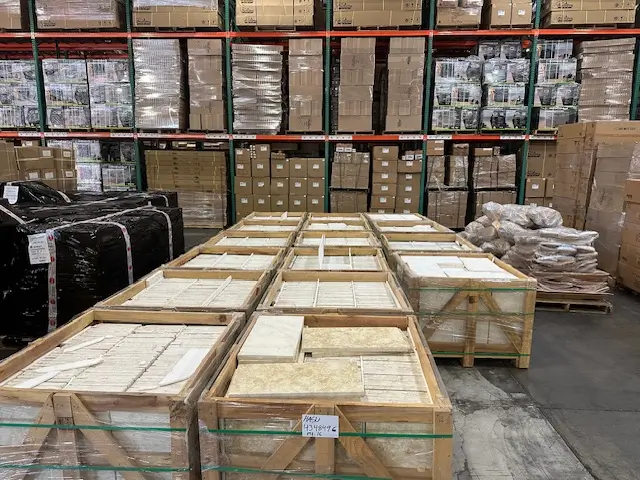
Grey pavers for driveways in Arizona typically fall across three pricing tiers based on material, source, and surface finish. Entry-level concrete grey pavers run between $3.50 and $6.00 per square foot at the material level. Mid-range natural stone options — basalt, limestone, and certain bluestone varieties — land between $7.00 and $14.00 per square foot depending on thickness and finish. Premium selections like honed grey travertine or large-format natural stone pavers push $15.00 to $22.00 per square foot for materials alone.
Those numbers represent warehouse pricing before delivery, prep work, or installation. For a 500-square-foot driveway, the material gap between entry-level concrete and a premium natural stone can exceed $8,000. That’s a meaningful budget decision, but it’s also where your timing choices interact with your material budget in ways most homeowners don’t anticipate.
- Concrete grey pavers: $3.50–$6.00/sq ft material cost, widely available from local distributors
- Natural stone grey pavers (basalt, limestone): $7.00–$14.00/sq ft, with lead times of 1–3 weeks from regional warehouses
- Premium large-format grey stone: $15.00–$22.00/sq ft, often requiring 3–5 week lead times or import sourcing
- Thickness matters — 2-inch nominal pavers carry roughly a 20–30% price premium over 1.25-inch versions in the same material
- Tumbled or brushed finishes add $1.00–$2.50/sq ft over standard sawn finishes
At Citadel Stone, we track pricing patterns across Arizona distributors regularly, and the biggest cost surprises we see aren’t material-related — they come from rushed orders when a project timeline slips into a problematic installation season.
Arizona’s Seasonal Windows and What They Mean for Your Installation Budget
The fall window — late September through mid-November — is widely considered the strongest installation period across Arizona’s low desert regions. Ground temperatures in the Phoenix metro stabilize between 75°F and 95°F at surface level, and setting bed materials behave predictably within that range. Polymeric sand activates and cures at consistent rates, and you’re not fighting rapid moisture evaporation from your base aggregate.
Your contractor can work full production days during fall, which keeps labor costs controlled. A crew that loses two hours of productivity daily to heat management — stopping at 10 a.m. and restarting at 4 p.m. — adds real dollars to your invoice. That work-hour compression during summer months often translates to 12–18% higher labor costs for the same square footage.
- Fall (late September – mid-November): optimal for setting materials, full production days, predictable curing
- Winter (December – January): viable in lower-elevation zones like Phoenix, though night temperatures below 40°F can slow polymeric sand activation in joints
- Late winter to early spring (February – mid-April): second-best window, especially for Tucson and higher-elevation sites
- Summer (May – September): workable but significantly more expensive due to compressed work hours and increased material waste
- Monsoon season (July – September): moisture intrusion during joint sand curing is the primary risk — avoid this window if your budget allows
For homeowners in Tempe, the fall window also aligns with lower contractor demand — the summer backlog clears by October, which can improve your scheduling position and occasionally your negotiated rate. The driveway paver budget guide for AZ homeowners consistently points to this October timing advantage as one of the most underutilized cost-control levers available.
What Summer Installation Actually Costs You
Here’s what most driveway paver budget guides don’t tell you about summer installs in Arizona: the temperature penalty isn’t just about discomfort. Concrete setting beds applied when the substrate surface temperature exceeds 100°F — which happens by 9:30 a.m. from May through August — experience accelerated moisture loss that compromises bond strength. You end up with a setting bed that’s technically in place but performing at 70–80% of its designed strength.
Adhesive and polymeric sand manufacturers publish application temperature ceilings for a reason. Most polymeric sand products are rated for installation at ambient temperatures up to 90°F. On an Arizona driveway in July, your paver surface is radiating heat that pushes effective ambient temperature well above that threshold even when the air temperature appears acceptable. The sand can cure unevenly, leaving weak joint zones that allow lateral paver movement within the first 12–18 months.
- Surface temperature on exposed aggregate base exceeds 120°F by late morning during June–August
- Polymeric sand rated to 90°F ambient — substrate heat can effectively push conditions past that threshold before 10 a.m.
- Uneven joint curing leads to paver migration and early maintenance costs that erode your original budget calculation
- Sealer applied in summer conditions may show reduced penetration depth, requiring more frequent reapplication
- Material waste rates increase in summer — thermal expansion of pavers during installation can cause spacing inconsistencies that require cuts and adjustments
The honest calculation is this: if summer installation adds 15% to your labor invoice and introduces a 20–30% higher probability of early joint failure requiring remediation, your grey driveway paver cost in Arizona needs to account for the potential remediation cost, not just the initial install.
Morning vs. Afternoon Work Scheduling for Grey Paver Projects
For projects that genuinely can’t avoid a spring or early summer timeline, scheduling within the day becomes your primary cost-control tool. Any crew working grey pavers for driveways in Arizona during the March through May shoulder season should be placing pavers from first light until approximately 11 a.m. That window gives you optimal setting bed consistency and predictable joint sand behavior before ground temperatures climb past the productive range.
Afternoon work during shoulder season shifts to cutting, delivery staging, and base compaction verification — tasks that don’t require fresh setting materials and aren’t compromised by heat the same way joint work is. A well-organized crew can maintain near-full productivity by segmenting tasks this way, but it requires a foreman who understands the material science behind the scheduling, not just general heat awareness.
- Paver placement and joint filling: 6 a.m. – 11 a.m. (optimal window in shoulder season)
- Base compaction and grading: viable through early afternoon with proper hydration of aggregate
- Cutting and fabrication: can continue throughout the day, with shade provision for the saw operator
- Sealer application: schedule for late afternoon when surfaces have begun cooling — avoids flash-dry conditions that reduce penetration
- Inspection and quality verification: end-of-day task, checking joint completeness and surface level consistency
Base Preparation Costs Specific to Arizona Soil Conditions
Your base preparation budget depends heavily on what’s under your existing driveway surface, and Arizona soil is not uniform. Caliche — the calcium carbonate hardpan common across Arizona’s low desert — can appear at depths ranging from 8 inches to 36 inches depending on your specific site. In Tucson, caliche layers tend to be shallower and harder, requiring mechanical breaking before you can establish proper drainage geometry beneath your grey paver installation.
That excavation and breaking work adds $1.50 to $4.00 per square foot to your base preparation cost before any aggregate goes down. It’s a line item that doesn’t show up in generic driveway paver budget guides, but it’s one of the most common budget surprises Arizona homeowners encounter. Getting a soil report or at minimum a test dig before finalizing your project budget is a step that consistently pays for itself.
- Standard compacted aggregate base (6-inch depth): $2.00–$3.50/sq ft installed
- Caliche breaking and removal: $1.50–$4.00/sq ft additional, depending on layer depth and hardness
- Geotextile fabric installation for expansive clay zones: $0.50–$0.80/sq ft
- Sand setting bed (1-inch nominal): typically included in contractor base quotes, but verify
- Edge restraint installation (required for all grey paver driveway installs): $3.00–$6.00 per linear foot
For projects requiring Citadel Stone driveway pavers for Arizona, our technical team can advise on base depth requirements based on the paver thickness and expected load — light vehicle traffic versus heavy truck access have meaningfully different base specifications.
Thickness, Load Rating, and How They Affect Your Per-Square-Foot Cost
Thickness selection for grey pavers isn’t purely aesthetic — it’s a structural and cost decision that interacts directly with your base preparation investment. A 1.25-inch grey paver handles pedestrian and light vehicle loads adequately when your base is properly prepared, but anything seeing regular truck access or RV parking needs 2-inch nominal minimum. Specifying the wrong thickness either compromises longevity or leaves money on the table if you over-engineered a pedestrian pathway.
The cost differential between 1.25-inch and 2-inch grey stone pavers runs approximately 20–35% at the material level, but the thicker specification can actually reduce your remediation risk enough to represent better total-cost value over a 15-year horizon. This is the kind of trade-off where an affordable grey stone pavers approach sometimes means spending slightly more upfront on thickness to avoid a $4,000–$8,000 reinstallation at year 10.
- 1.25-inch grey pavers: appropriate for patios, walkways, and low-traffic driveway aprons
- 2-inch grey pavers: recommended minimum for standard residential driveway vehicle loads
- 3-inch grey pavers: specified for heavy vehicle access — delivery truck zones, RV pads, or commercial-adjacent applications
- ASTM C1782 provides the reference standard for paver unit physical properties if your specification requires formal compliance
- Over-sizing thickness beyond the load requirement doesn’t extend life proportionally — it mainly adds cost without performance benefit
Lead Times, Delivery Logistics, and Project Scheduling Reality
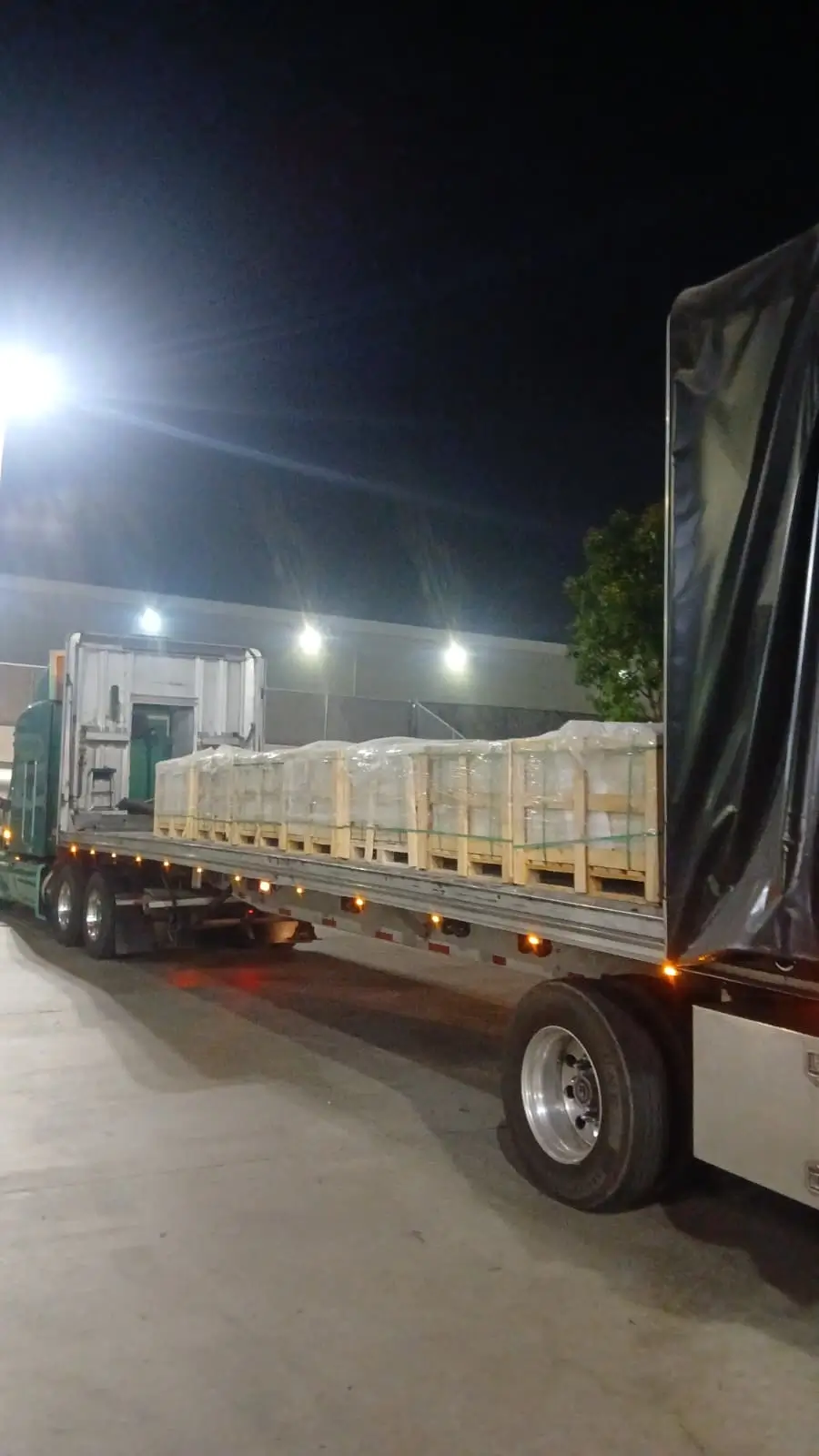
One of the most underestimated line items in any grey driveway paver cost Arizona calculation is the logistics buffer. Ordering materials without confirming warehouse availability against your installation window can force you into an unfavorable seasonal timing position — the exact problem we outlined at the outset. If your fall installation window opens October 1st and your materials aren’t confirmed until September 20th, you’re gambling on truck delivery schedules and warehouse processing times.
Natural stone grey pavers sourced domestically typically carry 1–3 week lead times from regional warehouses. Imported stone — certain European grey limestone varieties or premium basalt slabs — can run 6–10 weeks from order to delivery. That lead time gap has meaningful scheduling implications, particularly if your preferred installation window is a defined seasonal range rather than an open-ended project. Understanding these Arizona grey paver selection and cost factors before finalizing your order sequence is one of the most practical steps you can take to protect your installation timeline.
- Domestic grey concrete pavers: typically 3–7 business days from warehouse stock
- Regional natural stone grey pavers: 1–3 weeks depending on warehouse inventory levels
- Imported natural stone: 6–10 weeks for new production, 2–4 weeks if warehouse stock is available
- Truck delivery scheduling in metro areas like Phoenix adds 3–5 business days during peak contractor season (October–November)
- Confirm pallet staging access on your site — full-size delivery trucks require 40+ feet of clear approach for most paver deliveries
- Order a 10% overage minimum to account for cuts and breakage — re-ordering after installation begins extends your timeline and risks dye lot variation
Citadel Stone maintains warehouse stock across Arizona specifically to support contractors who need reliable regional availability during the fall and early spring installation windows, reducing the logistical risk that forces projects into unfavorable seasonal timing.
Total Installed Cost Breakdown for Arizona Grey Driveway Pavers
Pulling the full picture together, your grey driveway paver cost in Arizona — total installed — typically falls into these ranges for a standard residential driveway. These numbers reflect the driveway paver budget guide for AZ homeowners as of current market conditions and include materials, base preparation, installation labor, and sealing for a straightforward project without significant site complications.
- Entry-level concrete grey pavers, standard base prep: $12–$18 per square foot installed
- Mid-range natural stone grey pavers, standard base prep: $18–$28 per square foot installed
- Premium grey natural stone, engineered base with caliche removal: $30–$45 per square foot installed
- Summer installation premium: add 12–18% to labor costs for the compressed work-hour adjustment
- Caliche removal surcharge: add $1.50–$4.00 per square foot if soil conditions require it
- Sealer (penetrating type, first application): $0.80–$1.50 per square foot, typically included by reputable contractors
- Lifetime maintenance budget: plan for resealing every 2–3 years at $0.50–$1.00 per square foot each cycle
The Arizona grey paver selection and cost factors that move your project toward the higher end of any tier are: summer or monsoon-season installation, caliche soil conditions, large-format or thick-slab material selection, and premium finishes. Controlling even two of those variables — particularly the seasonal timing — meaningfully compresses your total cost.
Your project’s edging system is also part of the total picture. Related stone border and edging applications across Arizona properties require their own material and maintenance planning, and How to Maintain Grey Edging Blocks in Arizona’s Climate covers the ongoing care requirements that protect the perimeter investment alongside your driveway pavers.
Planning Your Grey Driveway Paver Project for Maximum Value
The strongest lever you have over your grey driveway paver cost in Arizona is your installation timing. Choosing the fall or late-winter window over a forced summer install, confirming warehouse availability before your window opens, and matching paver thickness to your actual load requirements will consistently deliver better cost outcomes than hunting for the cheapest material price alone. Affordable grey stone pavers across Arizona are accessible at multiple price points — what separates successful projects from costly ones is the scheduling and specification discipline applied before installation day.
Plan your material order 4–6 weeks before your target installation window, verify soil conditions before finalizing your base preparation budget, and schedule your heaviest installation work in the early morning hours if your timeline overlaps with Arizona’s shoulder season. These decisions compound into measurable savings across any project scale. Across Phoenix, Gilbert, and Yuma, buyers working with Citadel Stone can review per-square-foot pricing tiers for grey pavers before committing, allowing accurate budget planning for driveways of any scale across Arizona.