
Thermal cycling is the real adversary for maintaining large paving slabs in Arizona — not just the heat itself, but the relentless expansion and contraction that happens every single day. Arizona’s desert climate routinely swings 40 to 50°F between overnight lows and afternoon highs, and in higher-elevation zones around the state, those swings can push past 60°F in a single 24-hour period. That repeated mechanical stress is what separates a well-maintained installation from one that starts showing hairline joint failures by year three.
Why Thermal Cycling Is the Core Challenge for Large Slabs
Natural stone expands at rates that vary by material — limestone and travertine typically range from 4.5 to 6.0 × 10⁻⁶ per °F, while denser basalt runs closer to 3.8 × 10⁻⁶ per °F. On a 24-inch slab, a 50°F daily swing produces roughly 0.005 to 0.007 inches of linear movement. That doesn’t sound like much until you multiply it across a 400-square-foot patio with dozens of slabs cycling simultaneously, every day, for years. The cumulative effect on joints and bedding mortar is significant.
Large paving slabs in Arizona face a compounding problem: their greater surface area means more total thermal movement per unit compared to smaller pavers. A 24×24 slab moves considerably more at its perimeter than a 12×12 paver would, which is why joint design for large-format stone isn’t just aesthetic — it’s structural.
Here’s what most maintenance schedules miss: the damage often initiates during early morning hours, not at peak afternoon heat. The rapid temperature rise between 6 a.m. and 10 a.m. in summer creates a thermal shock condition at the slab surface while the substrate below is still relatively cool. That differential expansion is where edge chipping and bedding separation actually begin.
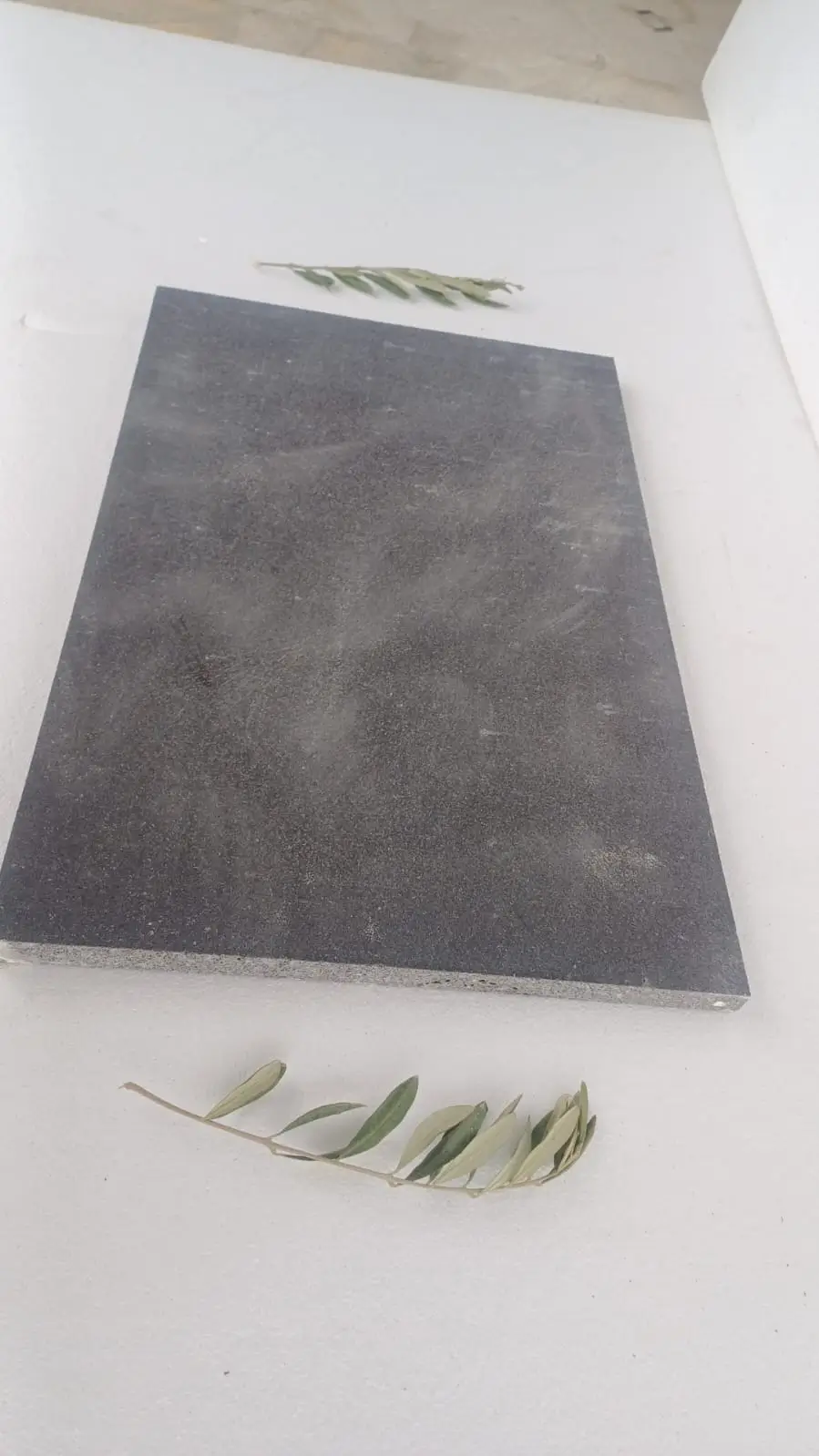
Joint Inspection and Maintenance Under Temperature Stress
Your joint sand or mortar is the first component to show thermal cycling fatigue, and catching it early is the difference between a straightforward repair and a full reset. Plan on doing a detailed joint inspection twice a year — once in April before the summer heat intensifies, and again in October after the monsoon season has worked its way through the installation.
- Look for hairline cracks running parallel to slab edges — these indicate thermal expansion pressure has exceeded joint flexibility
- Check for joint sand loss greater than 25% of depth — this is the threshold where weed infiltration and slab instability accelerate
- Probe mortar joints with a thin tool — hollow sounds indicate debonding that thermal cycling has created beneath the surface
- Inspect expansion joints specifically for compression — they should still have measurable give; a fully compressed expansion joint has lost its function
- Document any slab rocking or lippage that wasn’t present at installation — this signals bedding failure from repeated thermal movement
Polymeric sand re-topping works well for minor joint loss, but you need to address it before winter. In Chandler, overnight lows in December and January regularly drop to the mid-30s°F, which means even low-desert installations experience genuine freeze-thaw stress on compromised joints. Water infiltrates a depleted joint, freezes, and mechanically levers the slab edge — a failure mode most homeowners attribute to poor material when it’s actually deferred joint maintenance.
Sealing Large Paving Slabs in Arizona’s Desert Conditions
Sealing large paving slabs in AZ desert conditions requires a different approach than what generic sealer guidelines recommend. Most sealer manufacturers specify reapplication every 3 to 5 years under standard conditions. Arizona’s UV index — consistently among the highest in North America — degrades penetrating sealers significantly faster, and the thermal cycling accelerates the micro-cracking in film-forming sealers that allows moisture ingress.
For large-format natural stone, penetrating sealers outperform surface-coating products in thermal cycling environments. Here’s the practical reasoning: a film-forming sealer creates a membrane that expands and contracts at a rate different from the stone beneath it. That differential movement causes the sealer to debond at the micro level, creating pockets where moisture can collect and then freeze. A penetrating impregnator becomes part of the stone’s pore structure and moves with it.
- Apply penetrating sealer on a day when surface temperatures are between 50°F and 85°F — not in peak summer afternoon heat
- Allow stone to fully dry for 48 to 72 hours after any cleaning before sealer application
- In high-UV exposure zones, plan on reapplication every 18 to 24 months rather than the standard 3-year cycle
- Use a solvent-based penetrating sealer for denser stones like basalt; water-based formulas work well for more porous travertine and limestone
- Test sealer absorption with a water droplet — if it soaks in within 2 minutes, the stone is ready to seal; if it beads, wait longer after cleaning
At Citadel Stone, we recommend testing your sealer on an inconspicuous area first, particularly with lighter stones. Some sealers slightly darken the stone surface, which may or may not be desirable — but it’s far better to discover that on a hidden section than on the center of your patio.
Cleaning Large Stone Slabs in Arizona: Frequency and Method
Cleaning large stone slabs in Arizona isn’t just about appearance — it’s directly connected to thermal performance and long-term durability. Mineral deposits from hard water (Arizona’s municipal water supply typically measures between 200 and 400 parts per million of dissolved minerals) accumulate on the stone surface and in the pores. Those deposits are rigid, and as the stone cycles thermally, the mineral crust can actually contribute to micro-fracturing at the surface layer.
Pressure washing requires more care than most guides acknowledge. For large slabs, you’ll want to use a fan tip at 1,500 to 2,000 PSI maximum — enough to clear surface contamination without eroding joint sand or driving water under the slab bedding. The direction of washing matters: always work parallel to joints, never perpendicular, to avoid undercutting the bedding layer.
- Rinse after every irrigation cycle if your system has spray-to-stone contact — mineral deposits are far easier to address before they calcify
- Use pH-neutral cleaners for routine cleaning; avoid anything acidic on limestone or travertine, which will etch the surface
- Address organic staining (algae, bird droppings, plant tannins) promptly — these become chemically bonded to the stone if left through a full thermal cycle season
- Clean in the early morning when stone temperatures are below 100°F — cleaning product chemistry performs inconsistently on stone surfaces above that threshold
For projects in Peoria, hard water staining is a particularly common maintenance issue given local water mineral content. An annual application of a citric acid-based mineral deposit remover (not muriatic acid — that’s too aggressive for most natural stone) followed by thorough rinsing prevents the buildup from reaching the point where mechanical removal becomes necessary.
Large Slab Upkeep Across Arizona’s Monsoon Season
The monsoon season — typically running July through September — introduces a maintenance window that most homeowners don’t plan for specifically. Large slab upkeep across Arizona’s monsoon season involves managing the transition from extreme dry heat to sudden intense moisture, which is thermally and structurally significant. A slab that has been running at 140°F surface temperature receiving a cold monsoon rain undergoes a rapid thermal contraction that’s more mechanically stressful than the slow daily cycling.
Drainage is the priority maintenance check before monsoon season begins. Large-format slabs installed with minimal slope — anything below 1.5% grade — create ponding conditions that allow sustained water infiltration into joints. That standing water, heated by residual stone temperature from the day, accelerates joint material degradation at a rate that far exceeds normal weathering.
- Clear all drainage channels and weep paths of debris before July — blocked drainage beneath large slabs creates hydrostatic pressure that can displace the bedding layer
- Inspect sealant around any penetrations (planters, post bases, deck transitions) — these interfaces are the most vulnerable to monsoon water infiltration
- After significant monsoon events, check for any slab movement — rocking or height change indicates the bedding has been compromised by water saturation
- Allow the installation to fully dry for at least 5 days after the last rain before applying any maintenance treatments
You can find additional technical context in our Arizona large slab maintenance guide, which covers drainage geometry and substrate preparation in greater depth for monsoon-prone installations.
Thermal Expansion Joint Spacing for Long-Term Performance
Field performance data on maintaining large paving slabs in Arizona consistently points to under-specified expansion joints as the primary failure mechanism in installations older than five years. Generic guidelines recommend expansion joints every 15 to 20 feet, but Arizona’s thermal cycling conditions — with daily temperature ranges that exceed what those guidelines were calibrated for — warrant tighter spacing.
For large-format slabs (20 inches and above) in exposed Arizona conditions, plan expansion joints every 10 to 12 linear feet rather than the standard 15-foot recommendation. This is particularly critical in east-west running installations where solar exposure is asymmetrical — the south-facing edges of slabs run significantly hotter than north-facing edges, creating internal stress differentials within individual slabs.
- Expansion joint width should be a minimum of 3/8 inch for standard installations; increase to 1/2 inch in fully exposed south-facing areas
- Fill expansion joints with a flexible polyurethane or silicone-based sealant rated for temperatures above 200°F — not polymeric sand, which lacks the elasticity for thermal movement at this scale
- Replace expansion joint sealant when it shows surface cracking or has compressed to less than 50% of original width
- Never mortar expansion joints during repairs — this is one of the most common and damaging field errors
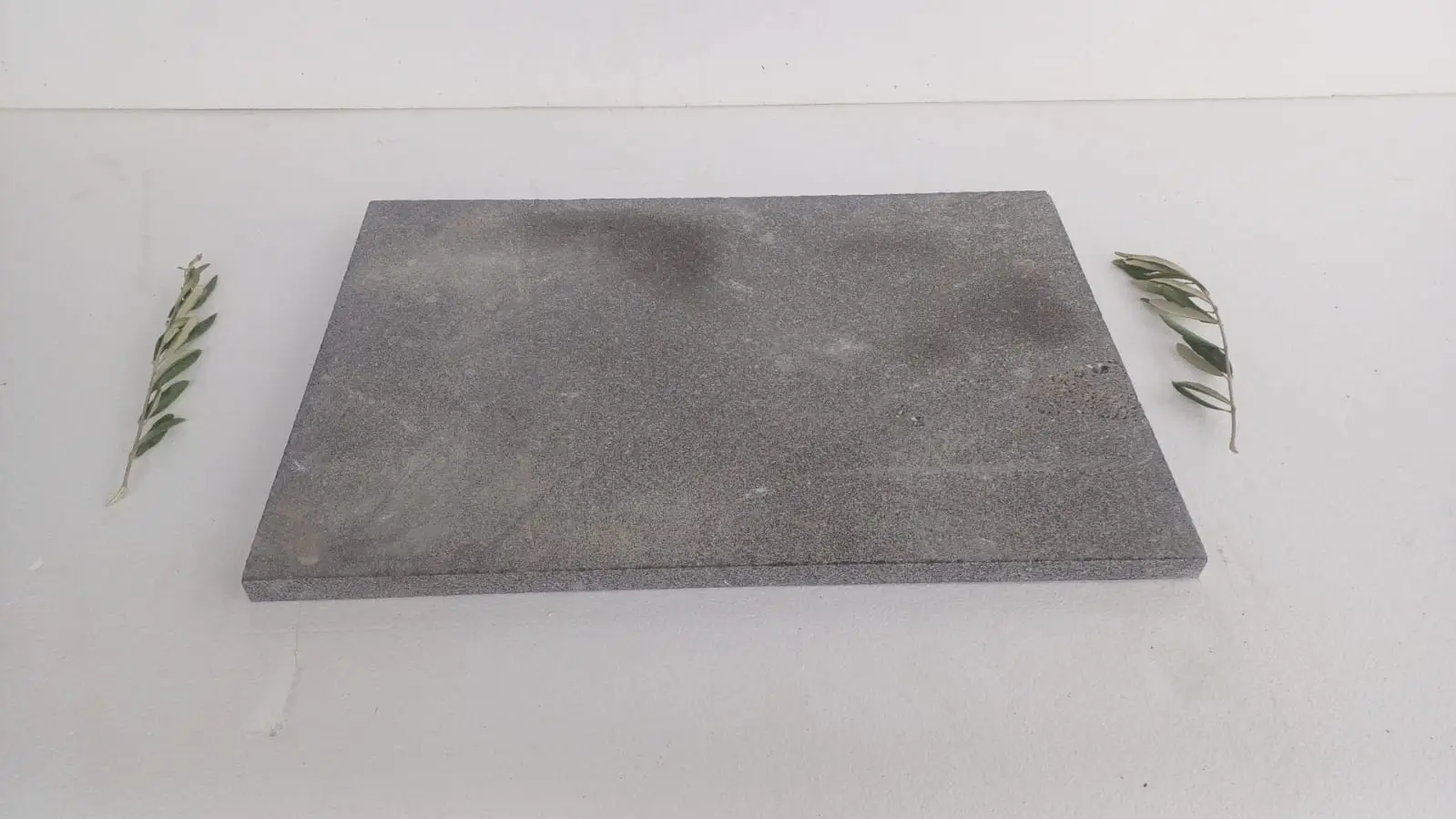
Material-Specific Maintenance Considerations for Arizona Large Slabs
Not all large paving slabs in Arizona respond to thermal cycling the same way — material choice matters as much as maintenance protocol. Travertine’s interconnected pore structure makes it more susceptible to freeze-thaw damage at higher elevations, while its relatively low thermal mass means it heats and cools faster than denser alternatives. That faster cycling rate means travertine joints need inspection more frequently than the same joint in a basalt or limestone installation.
Limestone large slabs perform exceptionally well in thermal cycling environments because the material’s natural grain structure provides micro-flexibility that denser stones lack. Citadel Stone sources its Arizona limestone inventory from quarries that we inspect directly for consistent density and porosity ratings — inconsistent porosity within a single slab creates differential thermal expansion that causes internal cracking regardless of how well you maintain the joints.
- Travertine: fill voids annually with color-matched grout; unfilled voids collect water and debris that expand with temperature changes
- Limestone: monitor surface flaking (spalling) as an early indicator of subsurface moisture cycling — address sealing before spalling progresses past the surface layer
- Basalt: denser and more thermally stable, but highly susceptible to iron oxidation staining in moist conditions; check for rust-colored streaks after monsoon season
- Tumbled or textured surfaces hold more mineral deposits than honed finishes — increase cleaning frequency by 30% for textured large slabs
In Tempe, urban heat island effects elevate ambient temperatures 5 to 8°F above surrounding areas, which meaningfully compresses the thermal cycling window and increases the frequency at which joints and sealers need attention. That ambient temperature premium makes the Arizona desert paving slab long-term care tips in this guide especially relevant for installations in and around dense urban corridors.
Arizona Desert Paving Slab Long-Term Care Tips: Building a Maintenance Schedule
The practical framework for Arizona desert paving slab long-term care tips starts with accepting that a maintenance calendar here runs on a different cadence than anywhere else in the country. The combination of UV degradation, thermal cycling, and monsoon moisture creates three distinct stress seasons — and each one requires a specific response.
Your annual schedule should organize around those three windows. Pre-summer (March through May) is your preparation phase — joint inspection, sealer condition assessment, drainage clearance. Monsoon season (July through September) is your monitoring phase — post-storm checks, drainage function, any immediate joint repairs. Post-monsoon fall (October through November) is your repair and reseal phase — the ideal time for any sealant replacement, joint retopping, and surface cleaning because temperatures are moderate and the stone is dry.
- March: full joint inspection, drainage channel clearing, assess sealer condition with water bead test
- May: apply fresh sealer if water is absorbing in under 2 minutes; clean mineral deposits before summer heat locks them in
- July–September: post-storm drainage checks within 24 hours of significant rain events
- October: comprehensive repair window — joint sand retopping, expansion joint sealant replacement, surface cleaning
- December–January: check for freeze-thaw damage at joints and slab edges in any zones where overnight temperatures drop below 35°F
For logistics planning, verify warehouse stock for joint materials, sealers, and replacement slabs before your October maintenance window. Citadel Stone typically maintains Arizona warehouse inventory for fast turnaround, but scheduling a truck delivery in advance for larger repair projects avoids the delays that come from last-minute material sourcing during peak fall project season.
What Determines Long-Term Performance When Maintaining Large Paving Slabs in Arizona
The installations that hold up for 25 years in Arizona aren’t necessarily built from premium materials — they’re the ones where thermal cycling was taken seriously from the start and maintenance was treated as a technical process, not a casual chore. Large paving slabs in Arizona have the structural capacity to last decades, but that lifespan is actively managed, not passive. Your joint maintenance schedule, sealer selection, and expansion joint spacing are all engineering decisions that compound over time — get them right and you’re building a 25-year installation; let them drift and you’re looking at a 10-year reset.
The maintenance requirements, while specific, aren’t burdensome once you’re on the right schedule. Two focused inspection and treatment sessions per year, calibrated to Arizona’s climate calendar, handle the vast majority of what thermal cycling and monsoon exposure throw at a well-built installation. For the foundation work that makes all of this possible, How to Install Large Paving Slabs in Arizona covers the base preparation and bedding details that determine how well your maintenance efforts pay off over time. Homeowners in Scottsdale, Yuma, and Peoria trust Citadel Stone for large paving slabs selected to handle UV exposure and seasonal temperature swings without accelerated surface degradation.