
Paver seating wall cost in Arizona follows a pricing logic that most online calculators completely ignore — and that gap between published estimates and actual invoices is where projects go sideways before the first pallet lands. The seasonal timing of your installation directly affects material costs, labor rates, and even how your adhesive and base materials cure. Understanding those seasonal variables isn’t optional background knowledge; it’s the starting point for building an accurate budget that holds through project completion.
Why Seasonal Timing Drives Your Paver Seating Wall Cost in Arizona More Than Material Selection
Most Arizona homeowners focus exclusively on material choice when they start pricing a seating wall. That instinct makes sense — travertine versus concrete paver is an obvious cost variable. What’s less obvious is that scheduling your project in July versus November can shift your total paver seating wall cost in Arizona by 15 to 25 percent, independent of the materials you specify.
Labor availability contracts sharply during peak season, which runs from roughly late September through April. Experienced installation crews in the Phoenix metro book four to six weeks out during that window, and their day rates reflect that demand. You’ll also encounter premium scheduling fees from concrete contractors during the cooler months — base prep work that costs $2.50 per square foot in July might run $3.20 in November because every crew in the valley is booked solid.
- Peak season (October–April): higher labor rates, longer scheduling lead times, limited crew availability
- Off-peak season (May–September): lower labor rates, faster scheduling, but installation conditions require strict morning-only work windows
- Transitional months (May, September): often the best value — mild temperatures, reduced crew demand, good adhesive cure conditions
- Material delivery costs remain relatively stable year-round, but truck scheduling into residential areas gets harder during peak demand periods
Baseline Cost Ranges for Paver Seating Walls Across Arizona
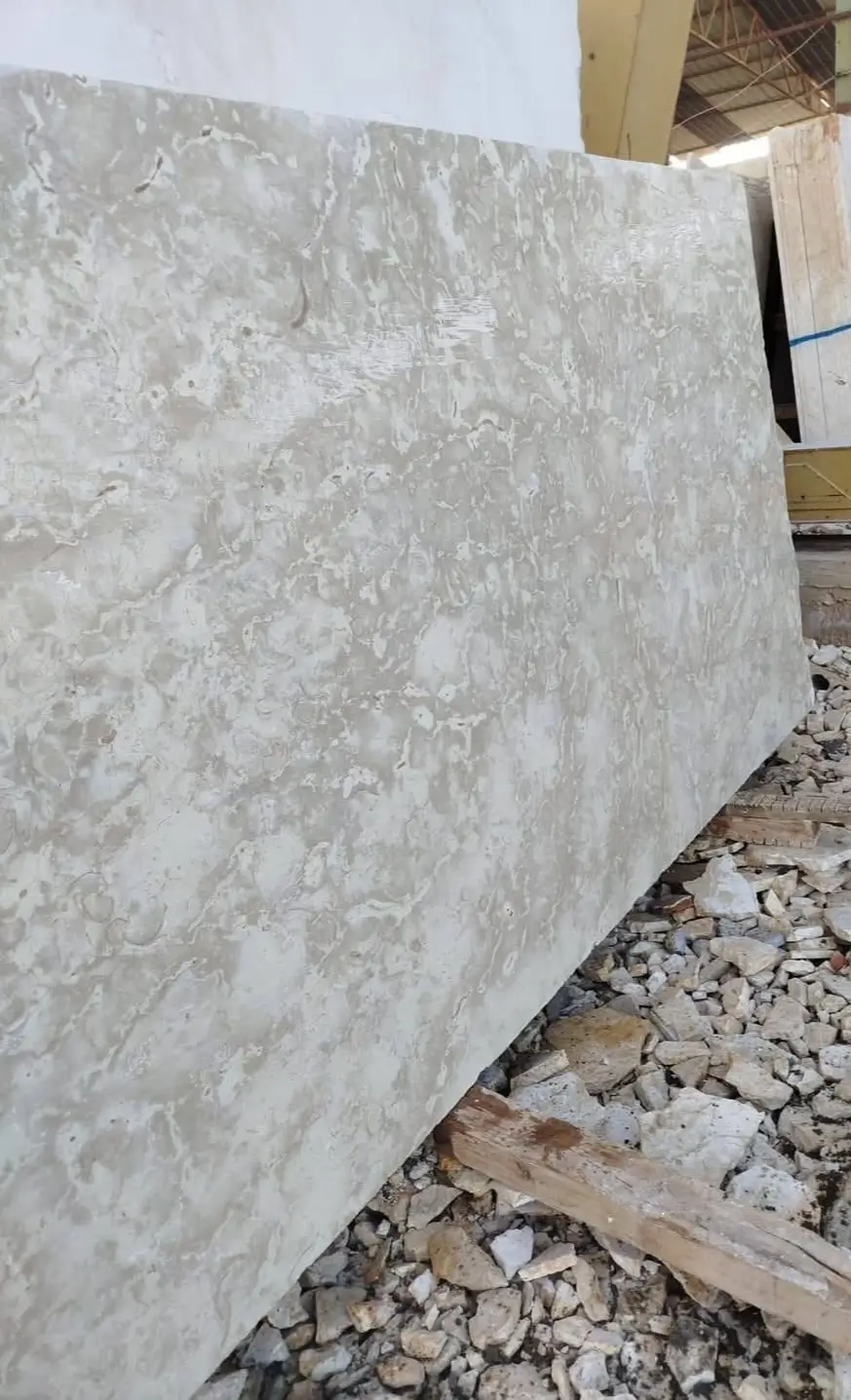
For a standard 30-to-40-linear-foot seating wall built to 18 inches high, you’re looking at a total installed cost range of $3,800 to $9,500 depending on material grade, cap detail, and site access. That’s a wide band, but it reflects the genuine variation in Arizona projects — a travertine-capped wall with a bullnose detail in a Gilbert subdivision backyard carries a different cost profile than a basic concrete paver wall in a straightforward lot with truck-accessible grade.
Breaking that range down by component helps you build a defensible budget. Materials typically account for 40 to 50 percent of total cost, labor runs 35 to 45 percent, and base preparation — gravel, compaction, and drainage — makes up the remaining 10 to 20 percent depending on soil conditions. This seating wall budget guide in Arizona starts with one non-negotiable rule: never treat base prep as a fixed line item. Caliche layers and expansive soil zones can double that cost without warning.
- Standard concrete pavers, basic stack: $28–$45 per linear foot installed
- Natural travertine or limestone face with concrete core: $55–$90 per linear foot installed
- Full natural stone construction with cap detail: $85–$140 per linear foot installed
- Base preparation on compacted native soil: $8–$14 per linear foot
- Base preparation on caliche or problem soil: $16–$28 per linear foot
Material Selection and Real Cost Trade-Offs for Affordable Paver Seating Wall Options Across Arizona
The patio seating wall in Arizona that delivers the best long-term value isn’t always the cheapest upfront. Concrete pavers dominate the entry-level price point, typically landing at $2.80 to $4.50 per square face foot for standard units. They’re dimensionally consistent, which speeds installation, but they absorb and radiate heat at rates that accelerate joint sand erosion in Arizona’s extreme summer conditions — meaning you’ll resand every two to three years versus every four to six years with a denser natural stone.
Travertine and limestone face units cost more upfront — $6.50 to $12.00 per square face foot — but their thermal mass behavior actually works in your favor during installation scheduling. Denser materials hold consistent temperature longer during the workday, giving your installer a wider window before adhesive and mortar performance degrades. That matters directly to labor cost and schedule predictability.
- Concrete paver seating wall: lower material cost, faster installation, higher maintenance frequency in desert conditions
- Travertine-faced wall: mid-range material cost, excellent thermal performance, lower long-term maintenance burden
- Limestone units: comparable to travertine in cost, superior compressive strength, very stable in high-UV environments
- Manufactured stone veneer: visually similar to natural stone, lower cost, but higher susceptibility to delamination in freeze-thaw zones above 4,500 feet elevation
For projects in Chandler and similar low-desert communities, the combination of consistent UV exposure and minimal freeze-thaw activity creates an environment where travertine and limestone face units genuinely outperform concrete alternatives over a 15-to-20-year horizon. The initial cost premium typically pays back within the first major maintenance cycle. These affordable paver seating wall options across Arizona reward upfront research rather than defaulting to the lowest per-unit price.
Seasonal Installation Windows That Actually Protect Your Budget
Arizona’s climate creates two distinct installation environments, and treating them the same way is how projects end up with premature joint failure and adhesive bond loss. The practical seasonal divide falls around Memorial Day and Labor Day, with the real constraints coming down to substrate temperature rather than air temperature.
During summer months, substrate surface temperatures on dark-colored compacted aggregate bases routinely reach 140 to 160°F by 10 a.m. Most polymer-modified mortar and adhesive products rate for installation between 40°F and 95°F air temperature — but substrate temperature is the variable that actually controls open time. A substrate at 155°F pulls moisture out of thin-set mortar in under 60 seconds, compared to the 5-to-8-minute open time the product data sheet assumes at 75°F substrate conditions.
- Optimal installation window: October 15 through April 30, substrate temperatures 60–90°F, full-day work possible
- Functional summer window: May 1 through September 30, work must begin at first light (5:30–6:00 a.m.) and conclude by 9:00–10:00 a.m.
- Adhesive and mortar products must be stored in temperature-controlled conditions — never leave product pallets on-site in summer, as warehouse-quality product degrades within hours at ambient outdoor temperatures
- Footing pours in summer require wet curing for a minimum of 7 days, compared to 3 days during cooler months — factor this into your scheduling sequence and labor budget
- Transition months (May, September) offer the best cost-to-condition trade-off when you can book them
Build your project schedule backward from your desired completion date, not forward from whenever your contractor has availability. A seating wall project that needs to be functional by Thanksgiving should be breaking ground no later than mid-October, accounting for the base cure sequence and the fact that most Arizona masonry contractors are fully booked within two weeks of the first comfortable weather front in fall.
How Morning vs. Afternoon Work Affects Your Total Arizona Outdoor Seating Wall Pricing
Here’s what most seating wall budget guides skip entirely: summer installation in Arizona isn’t just uncomfortable — it’s mechanically different, and that difference costs money. A crew that would install 45 linear feet of wall in a full October workday might complete 18 to 22 linear feet during a summer morning window before conditions force a shutdown. That reduced productivity gets priced into your contract, either as a higher per-linear-foot rate or as more days on the schedule, both of which increase total cost.
Afternoon work in summer creates a compounding problem. By 1 p.m., even shaded work areas in Phoenix-area backyards are radiating heat from adjacent masonry that has been absorbing solar energy for six hours. Grout and caulk joint materials installed in those conditions cure too rapidly, pulling away from unit faces before achieving full bond. The visual result looks fine for six months — and then hairline separations appear along joint lines that tell you the bond never fully formed.
- Summer crew productivity penalty: 40–55% reduction in linear feet installed per day versus fall/winter conditions
- Afternoon installation above 100°F air temp: adhesive open time drops to under 90 seconds on sun-exposed substrates
- Grout joint failures from afternoon summer installation typically appear 6–18 months post-completion — after most contractor warranty periods have passed
- Shade structures and evaporative cooling setups for the work area can partially mitigate conditions but add $200–$400 to daily setup costs on summer projects
Base Preparation Cost Variables Specific to Arizona
Soil conditions in Arizona vary more dramatically within short distances than most other states, and that variability creates the biggest single cost uncertainty in your seating wall budget. The Phoenix metro’s eastern valley — including communities like Gilbert and Chandler — frequently has well-compacted native soil that performs reliably as a subgrade foundation. Move into the northwest valley around Peoria and you’ll encounter more varied soil profiles, including zones with higher clay content that expand and contract with moisture cycling, creating lateral pressure against wall footings over time.
Your footing design has to account for this variability. A standard 12-inch-wide continuous footing works on competent soil, but expansive clay zones may require 18-to-24-inch footings with additional reinforcement — and that’s a cost difference of $8 to $14 per linear foot before you place the first wall unit. Soil investigation doesn’t have to mean a formal geotechnical report on a residential project; a visual inspection of adjacent existing hardscape and a few probe holes will usually tell an experienced contractor what they’re dealing with.
- Stable native soil: 4–6 inch compacted aggregate base, standard footing, lowest base prep cost
- Clay-influenced soil: 6–8 inch aggregate base plus geotextile fabric layer, upsized footing — add $12–$18 per linear foot
- Caliche at shallow depth: can be used as footing bearing surface if properly cut and leveled — reduces excavation cost but requires verification of layer depth and thickness
- Fill soil (common in newer developments): requires over-excavation to competent native material — potentially the most expensive base condition
Reviewing our Arizona seating wall material pricing gives you a clear starting point for comparing material costs against your base preparation budget before committing to a design direction.
Cap Detail and Finishing Costs That Budgets Routinely Underestimate
The cap course on a paver seating wall does more work than most homeowners realize. It protects the wall’s structural units from direct water infiltration, provides the seating surface that defines the wall’s functional usability, and carries the most visual weight in the finished installation. Underspecifying the cap — or treating it as a minor line item — is a common budget mistake that creates both aesthetic and performance problems.
Bullnose cap units in travertine or limestone run $18 to $32 per linear foot material-only. Saddle cap profiles, which overhang both faces and provide better water shedding, cost slightly more at $22 to $38 per linear foot. Plan for a minimum 1.5-inch overhang on each face of the wall to direct runoff away from the face units — in Arizona’s monsoon season, the driving rain angles create wall saturation conditions that erode grout joints faster than most specifications anticipate. Arizona outdoor seating wall pricing should always include cap sealing as a non-negotiable line item rather than an upgrade.
- Flat concrete paver cap (flush): $8–$14 per linear foot material and labor
- Bullnose travertine or limestone cap: $28–$52 per linear foot material and labor
- Custom cut saddle cap in natural stone: $45–$75 per linear foot material and labor
- Cap sealing (penetrating sealer, two-coat application): $3–$5 per linear foot — non-negotiable in desert environments
- Expansion joint placement (every 10–15 feet in Arizona conditions): add $12–$18 per joint for backer rod and color-matched sealant
Planning Delivery Logistics Around Arizona’s Seasonal Demand Cycles
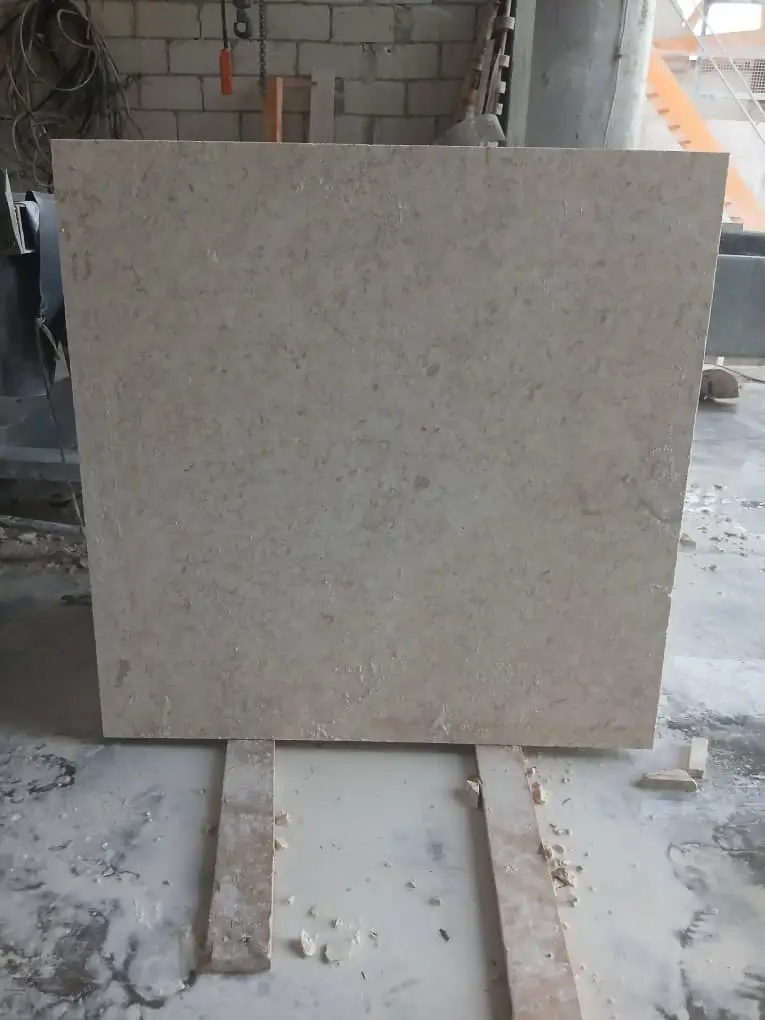
Material delivery timing creates a hidden cost variable that most Arizona seating wall budgets ignore until it becomes a problem. Peak installation season (October through April) drives high demand for delivery slots, and that demand affects both scheduling and cost. Warehouse inventory at most Arizona stone suppliers runs at full capacity in September as the industry anticipates the fall rush, but individual pallet availability for specific materials can be tight by November when project starts accelerate rapidly.
At Citadel Stone, we recommend confirming warehouse stock and locking in your material reservation at least three to four weeks before your target installation start date during peak season. Summer projects have more scheduling flexibility — warehouse inventory is typically well-stocked, truck delivery windows are easier to coordinate, and lead times from material confirmation to site delivery often drop to five to seven business days versus the two-to-three-week standard during fall and winter peak periods.
- Peak season delivery lead time: 10–21 days from order confirmation to site delivery
- Off-peak delivery lead time: 5–10 days — easier truck scheduling and lower delivery demand
- Material storage on-site in summer: store pallets in shaded areas or covered staging — direct sun exposure on stone and adhesive materials degrades quality before installation begins
- Order quantity buffer: spec 8–12% overage to account for cuts, breakage, and the possibility that reorder lead times extend your project timeline
Many homeowners researching how much does a paver wall cost AZ-wide find that published estimates reflect off-season labor and delivery conditions — the realistic numbers during October and November run 12 to 18 percent higher once you account for demand-driven labor premiums and material availability constraints. Understanding that gap is exactly what a thorough seating wall budget guide in Arizona should address before you commit to a contractor start date.
Putting Paver Seating Wall Cost in Arizona in Context Before You Break Ground
Getting paver seating wall cost in Arizona right comes down to understanding that your project exists in a real seasonal and logistical environment, not a spreadsheet. The material cost is the most visible variable, but it’s often the most stable one. Labor demand cycles, adhesive performance windows, soil investigation outcomes, and delivery lead times are the variables that move your actual invoice away from your initial estimate — sometimes significantly. Those variables respond to timing decisions and proactive scheduling, not to value-engineering the stone selection.
Build your budget with a 15-percent contingency on top of your base estimate, and treat that contingency as a likely expense rather than a safety net. Arizona projects that start in the transitional months of May or September consistently come in closer to initial estimates than projects that begin during peak season, because crew productivity is higher, adhesive performance is more predictable, and material delivery scheduling is more flexible. Those are real dollars, and they’re worth planning around.
For a step-by-step look at the physical construction process once your budget is confirmed, How to Install Paver Seating Wall in Arizona walks through the installation sequence in detail, covering footing construction, unit setting, and cap installation under Arizona-specific conditions. For Tucson, Flagstaff, and Gilbert property owners estimating patio seating wall costs, Citadel Stone provides material samples and per-pallet pricing that simplifies the budgeting process across Arizona project scales.