
Budget First: What 12×12 Blocks Actually Cost in Arizona
Freight distance is the variable that quietly inflates material budgets on Arizona patio projects more than almost anything else — and choosing 12×12 patio blocks in Arizona without accounting for it upfront leads to cost overruns that experienced contractors learn to anticipate. Natural stone sourced from domestic quarries in the Southwest carries a significantly different landed cost than imported travertine or limestone arriving from Turkish or Brazilian ports through California distribution hubs. Your per-square-foot material price is only one number in a larger equation that includes freight, unloading logistics, and the time lag between order and delivery.
The regional pricing landscape for 12×12 patio blocks in Arizona varies more than most homeowners expect. For projects in the Phoenix metro, proximity to larger distribution warehouses keeps freight costs relatively contained — but move out toward Yuma or the outlying desert communities and the per-pallet delivery cost climbs noticeably. That delta matters when you’re planning a 500-square-foot patio, and it can shift your material selection decision if you’re comparing two products with similar face values but different supply chains.
Understanding the True Cost Structure for Arizona Projects
Your total project cost breaks down into three distinct buckets: material cost, delivery and logistics, and labor. In Arizona’s current construction market, the labor portion of a patio installation runs higher than national averages in many metro submarkets — skilled stone-setting crews are in demand, and their day rates reflect that. This shifts the material-to-labor cost ratio in a direction that favors investing more in quality stone upfront, because redoing a failed installation costs you full labor twice.
Here’s a practical reality most patio block buying guides for Arizona homes skip over: when labor is expensive, material failures are proportionally more costly. A 12×12 block that fails to perform — whether through spalling, surface delamination, or excessive thermal movement — generates a remediation cost that dwarfs the material savings you captured at purchase. The math strongly favors selecting a block rated for Arizona’s specific performance demands rather than optimizing purely on unit price.
- Material cost per square foot typically ranges from moderate to premium depending on stone type and finish
- Freight to Phoenix-area projects differs from delivery to outlying regions — confirm your site’s freight zone before budgeting
- Labor rates for stone installation in Arizona metro markets typically run higher than the national median
- Total installed cost includes base preparation, which varies dramatically by site soil conditions
- Warranty and performance longevity affect 10-year total cost of ownership more than upfront price
Local Material Availability and What It Means for Your Timeline
Availability is a sourcing lever that directly affects project scheduling, and it’s one of the most underestimated factors when learning how to select outdoor patio blocks in Arizona. Stone products that ship from overseas face 6-to-10-week lead times when warehouse stock runs low — a common situation in the spring and early fall when Arizona’s outdoor living season drives high demand. If your contractor is ready to start in three weeks and your preferred block is sitting on a container ship, you’re either delaying the project or switching materials mid-specification.
At Citadel Stone, we source directly from quarries and maintain regional warehouse inventory that lets us fulfill most standard 12×12 block orders in one to two weeks. That lead time advantage has real dollar value — it keeps crews on schedule, avoids carrying costs on mobilized equipment, and prevents the domino delays that push projects into Arizona’s brutal summer heat window.
For projects in Yuma, local availability questions carry extra weight because of the additional freight leg involved. Confirming that your selected block is in stock before finalizing your contract protects you from both scheduling risk and the potential for mid-project substitution when a backordered product forces a field decision under deadline pressure.
Which Natural Stone Types Work for 12×12 Patio Blocks in Arizona
Natural stone patio blocks for AZ outdoor areas cover a range of materials, and the differences in performance between them are significant enough to influence your budget, your base prep requirements, and your long-term maintenance plan. Here’s how the main options stack up from a practical standpoint.
- Travertine: Excellent thermal performance with a naturally lower surface temperature than concrete or dark stone — compressive strength typically exceeds 3,000 PSI in filled and honed formats; requires sealing every 2-3 years in Arizona conditions
- Limestone: Dense, consistent texture with good load distribution across 12×12 formats; absorption rates vary by quarry source, so verify ASTM C97 water absorption data before specifying
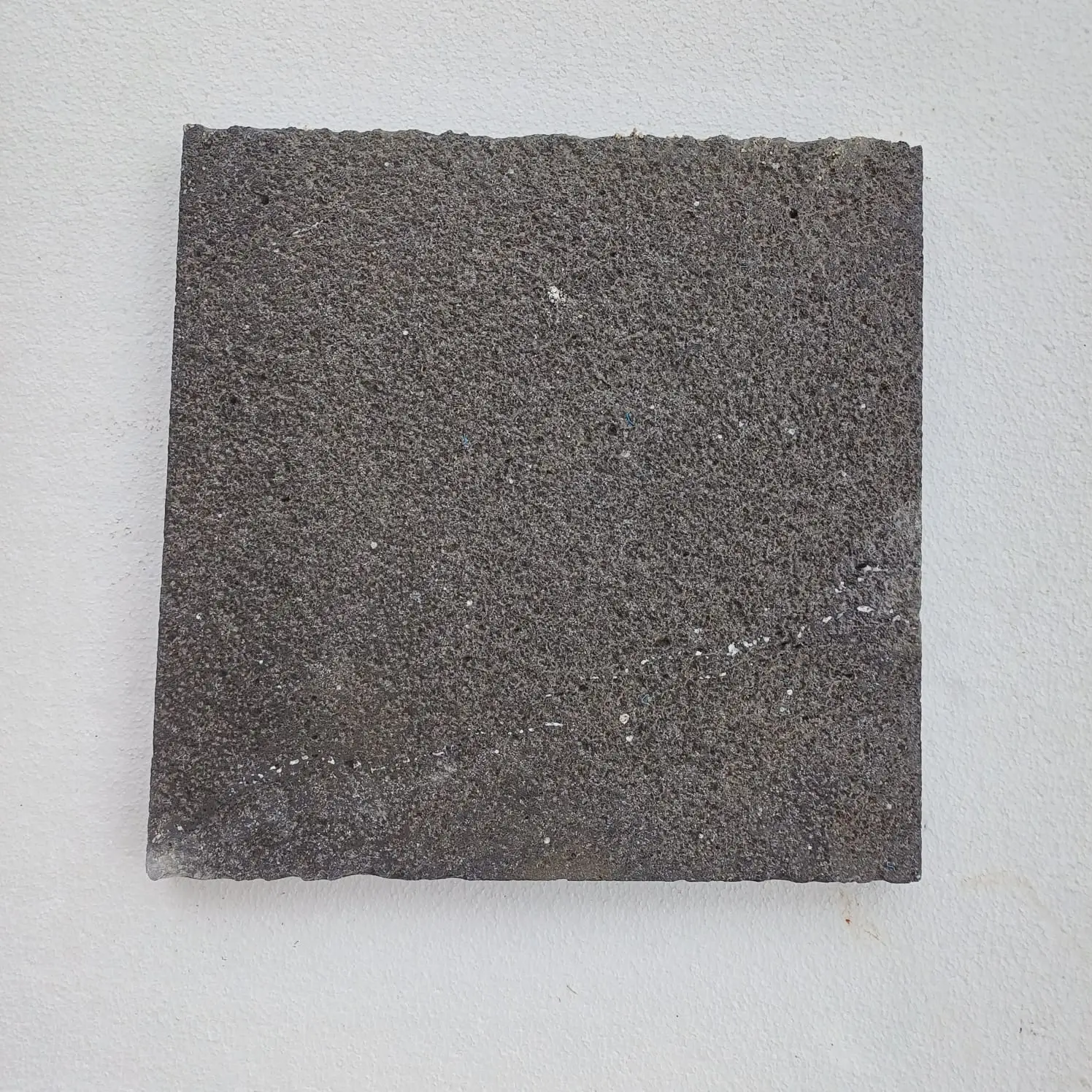
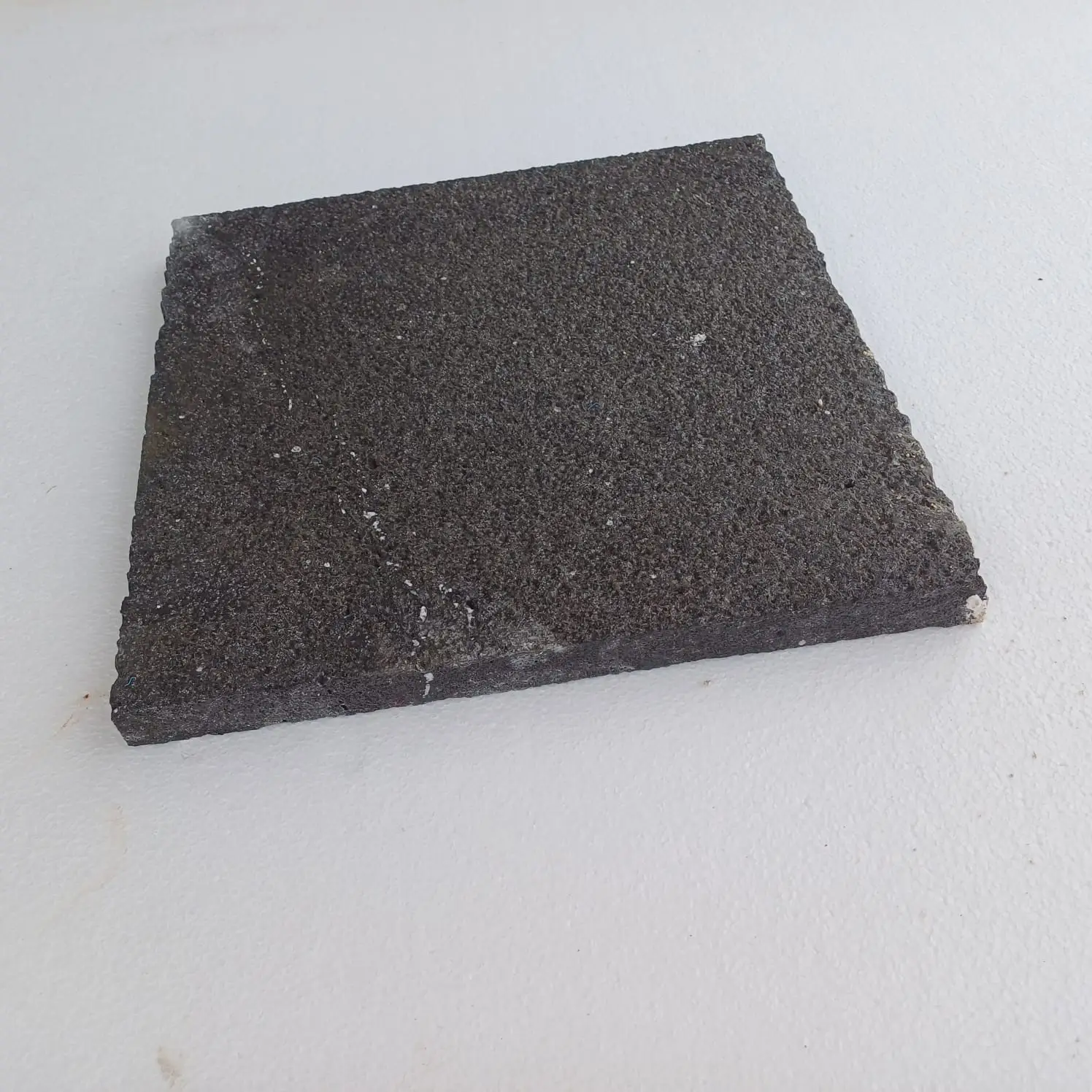
- Basalt: Exceptional hardness and very low porosity make it highly resistant to staining and surface degradation; darker color increases thermal absorption, which can affect barefoot comfort
- Sandstone: Warm aesthetic appeal but higher porosity and lower compressive strength than travertine or basalt; requires more aggressive sealing protocols in high-UV environments
- Quartzite: Premium durability with near-zero water absorption; typically commands a higher unit price but delivers strong 20-plus-year performance in Arizona climates
The material type also affects your labor cost because different stones have different setting requirements. Travertine and limestone respond well to standard thinset or dry-set mortar systems, while denser materials like basalt and quartzite demand more precise cutting tools and slightly longer installation times. That difference gets priced into contractor bids, so it factors into your total project budget whether you’re accounting for it or not.
Thickness and Finish Options That Matter for Arizona Patios
Arizona patio block thickness and finish options are decisions that interact with each other — and with your base preparation requirements — in ways that most product descriptions don’t clearly explain. For a standard residential patio application with a well-compacted aggregate base, 1.25-inch to 1.5-inch nominal thickness handles typical foot traffic and outdoor furniture loads without issue. Stepping up to 2-inch thickness makes sense when you’re accommodating vehicle overhang, frequent heavy load events, or soil with higher expansion potential — conditions common in parts of the Phoenix metro and the lower desert communities.
Finish selection has both aesthetic and performance dimensions in Arizona’s climate. A tumbled or brushed finish provides natural slip resistance that honed surfaces don’t offer, which matters around pool surrounds and in areas where afternoon monsoon rain creates sudden wet conditions. Thermal cycling — daily swings from morning cool to afternoon extremes — tends to be more forgiving on textured finishes than on highly polished surfaces, which can develop micro-fractures at the surface layer over extended exposure cycles.
- 1.25-inch thickness: Standard residential patio, walking surfaces, covered lanai areas
- 1.5-inch thickness: Open patio under direct sun with high thermal cycling, moderate point loads
- 2-inch thickness: Vehicle-adjacent areas, heavy outdoor furniture zones, high-expansion soil sites
- Honed finish: Clean, refined aesthetic — requires slip-resistant sealer for wet-area safety
- Brushed or tumbled finish: Built-in texture, better barefoot grip, more forgiving in thermal cycling
- Natural cleft finish: Maximum slip resistance, rustic character — surface variation affects setting bed requirements
Base Preparation: The Hidden Cost Driver in Arizona
Your base specification is where Arizona soil conditions directly translate into project cost — and it’s the factor most often underestimated in initial budget discussions. Arizona’s soil profile varies dramatically by location. Caliche hardpan, expansive clay zones, and sandy desert soils all require different base approaches, and the difference in material volume and excavation depth between them can swing your site preparation cost by several dollars per square foot before a single block is set.
Projects in Mesa frequently encounter caliche layers at relatively shallow depths — sometimes as little as 14 to 18 inches. When properly prepared, that compacted caliche actually provides a remarkably stable sub-base for 12×12 patio blocks. The challenge is cutting through it cleanly, which adds equipment cost to your base preparation line item. Skipping that work and treating caliche as a shortcut to a compact base without proper preparation leads to drainage failures and block movement within three to four years.
For sandy desert soil sites, you’ll need a minimum 4-inch compacted aggregate base, and 6 inches is the more conservative and generally recommended specification for 12×12 natural stone. The additional aggregate volume adds cost, but it’s the correct call — undersized bases under natural stone in high-thermal-cycling environments develop differential settlement that manifests as rocking or cracked blocks within a few seasons. For reference, at Citadel Stone our technical team regularly walks contractors through site-specific base requirements when they call in with soil condition questions — it’s the kind of guidance that prevents costly do-overs.
Value Engineering Without Compromising Performance
Smart value engineering on a patio block project in Arizona isn’t about selecting cheaper material — it’s about finding the decision points where specification adjustments reduce cost without affecting long-term performance. There are several levers worth considering when choosing 12×12 patio blocks in Arizona for maximum return on investment.
- Sourcing domestically quarried or regionally distributed stone eliminates the import freight premium and reduces lead time risk simultaneously
- Selecting a block with a factory-applied sealer treatment reduces your first-year maintenance cost and protects the surface through the first critical heat season
- Standardizing on one block size and one finish across the full project eliminates cutting waste and reduces labor complexity
- Scheduling delivery to minimize on-site storage time reduces the risk of damage before installation — coordinate truck delivery with your contractor’s installation start date
- Specifying a brushed finish instead of honed avoids the additional cost of slip-resistant sealer application in wet-area zones
- Confirming warehouse stock availability before finalizing your project start date protects your schedule and keeps contractor mobilization costs from compounding
One value engineering move that consistently backfires: reducing block thickness below 1.25 inches to save on material cost. Thinner blocks in Arizona’s thermal environment develop stress fractures faster, particularly in sections exposed to full afternoon sun. The replacement cost — materials plus labor plus base disruption — eliminates any savings captured at purchase and typically adds cost beyond the original specification.
Ordering and Logistics for Arizona Patio Projects
Ordering 12×12 patio blocks involves logistics decisions that have real budget implications, particularly around truck delivery scheduling and site access constraints. Most natural stone arrives on standard flatbed or curtainsider trucks that require a clear, level unloading area — something worth confirming with your contractor before your delivery date, not after.
For projects in Gilbert and other established suburban communities, site access is generally straightforward, but tight cul-de-sac driveways and HOA rules about delivery vehicle size occasionally create staging complications. If your site has restricted access, discuss pallet staging options with your supplier before the truck arrives. Repositioning a full stone delivery once it’s on the ground adds unnecessary labor cost and occasionally damages material.
Quantity calculations for 12×12 patio blocks are more forgiving than for smaller formats — fewer cuts means less waste — but adding a 7 to 10 percent overage to your calculated square footage is still the right practice. That buffer covers cutting waste at borders, any blocks that arrive with shipping damage, and future repairs. Ordering a second truck delivery because you ran short costs you the minimum freight charge again, which often exceeds the cost of the additional material you would have ordered the first time.
Sealing and Maintenance as a Budget Planning Factor
Long-term maintenance cost is part of the total cost picture for any natural stone patio, and it deserves a place in your initial budget planning rather than being treated as a future problem. Arizona’s UV intensity and thermal cycling conditions affect sealer longevity differently than moderate climates — what a sealer manufacturer rates for a 3-year reapplication cycle in the Southeast may perform closer to 18 to 24 months on a fully exposed Phoenix-area patio.
Building a realistic sealing schedule into your cost model prevents the performance failures that come from neglected maintenance. For most natural stone patio blocks for AZ outdoor areas, a penetrating silane-siloxane sealer applied biennially provides adequate protection against staining, moisture intrusion, and surface spalling. Topical sealers that form a surface film tend to degrade faster under direct Arizona sun and can peel at the edges of 12×12 blocks where thermal movement creates shear stress at the coating boundary. The Citadel Stone 12×12 patio blocks product range includes options pre-treated at the factory, which extends initial protection and simplifies your first maintenance cycle.
- Penetrating sealers: 18-24 months reapplication for high-exposure Arizona patios; deeper protection than topical coatings
- Topical sealers: Avoid for open-exposure applications — surface film degradation under UV accelerates at Arizona intensity levels
- Enhancing sealers: Useful for limestone and travertine when you want color depth — confirm compatibility with your specific stone type
- Sealer selection affects slip resistance — confirm wet-surface ratings before applying any product near pool or rain-exposed areas
Getting Your 12×12 Patio Block Specification Right
Getting the specification right on a patio block project in Arizona comes down to decisions you make before the material is ever ordered — stone type, thickness, finish, base depth, and logistics planning all interact, and the choices compound in either direction. A well-planned specification protects your labor investment, delivers the performance the material is capable of, and results in an outdoor space that holds up through Arizona’s demanding thermal and UV conditions without requiring premature remediation.
The patio block buying guide for Arizona homes that produces the best outcomes is one that treats material selection and installation methodology as inseparable. For the installation details that follow material selection, How to Install 12×12 Stone Pavers in Arizona walks through the base preparation and setting sequences that complete a properly specified project. The best stone in the wrong base fails just as surely as inferior material in a perfect one. Citadel Stone carries 12×12 patio blocks sourced from internationally recognized quarries, offering Scottsdale, Chandler, and Gilbert homeowners a curated selection matched to Arizona’s outdoor living demands and soil movement patterns.