
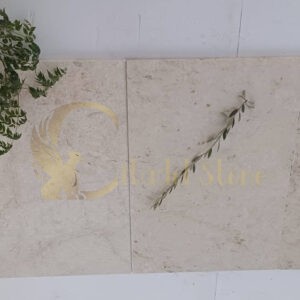
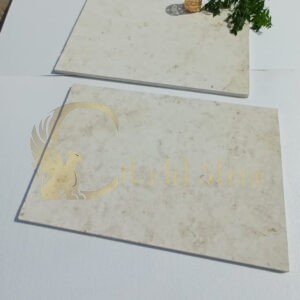
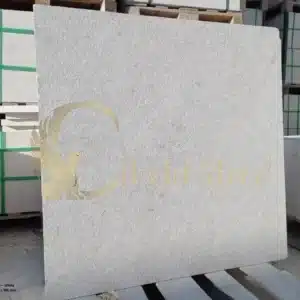
When you’re specifying white limestone pavers in Arizona, you’ll face unique challenges that don’t exist in other climates. The intense solar radiation, extreme temperature swings, and arid conditions demand material choices that go beyond aesthetic appeal. Citadel Stone’s white limestone pavers deliver the thermal performance and durability your Arizona projects require, but only when you understand how to specify and install them correctly.
The reflective properties of white limestone pavers in Arizona aren’t just about keeping surfaces cool—they’re about long-term structural integrity. You’re dealing with surface temperatures that can exceed 160°F on dark pavers, while Citadel Stone’s white limestone typically stays 30-40°F cooler under identical conditions. That temperature difference translates directly into reduced thermal expansion, less substrate stress, and longer service life.
Thermal Performance in Arizona Climate
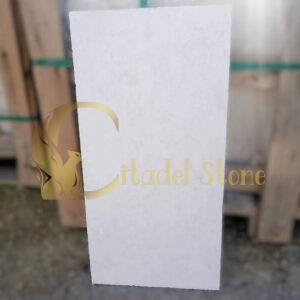
White limestone pavers in Arizona reflect 60-70% of solar radiation compared to 20-30% for darker stone. You’ll see this performance difference immediately in surface temperature measurements. Citadel Stone white limestone maintains walkable surface temperatures even during peak summer afternoons, while gray or tan alternatives become uncomfortably hot.
The thermal coefficient of expansion for limestone averages 0.0000044 inches per inch per degree Fahrenheit. Here’s what that means for your project: a 24-inch white limestone paver experiencing a 100°F temperature swing will expand approximately 0.01 inches. You need expansion joints every 15-20 feet to accommodate this movement without cracking.
- Surface temperature differential: 30-40°F cooler than dark stone under direct sun
- Reduced heat island effect in commercial plaza applications
- Lower substrate temperature stress extends base material life
- Decreased thermal cycling reduces efflorescence risk
Your joint spacing calculations should account for Arizona’s daily temperature swings of 40-50°F. Citadel Stone recommends 3/8-inch joints for standard installations, increasing to 1/2-inch for large-format pavers exceeding 24 inches. Don’t make the mistake of tight-jointing white limestone pavers in Arizona—you’ll see edge spalling within the first year.
Material Specifications and Selection Criteria
Citadel Stone’s white limestone pavers exhibit water absorption rates between 3-6% by weight, placing them in the moderate porosity category. You need to understand what this means for Arizona applications. The low humidity environment actually works in your favor—absorbed moisture evaporates quickly, reducing freeze-thaw concerns that plague northern climates.
Compressive strength for Citadel Stone white limestone typically exceeds 8,000 PSI, suitable for most residential and light commercial applications. When you’re specifying for vehicular traffic, verify the specific batch meets or exceeds 10,000 PSI. The material performs well under Arizona’s conditions, but you should match strength requirements to actual load expectations.
- Thickness options: 1.25-inch for pedestrian, 2-inch for vehicular applications
- Dimensional tolerance: ±1/8 inch typical for machine-cut units
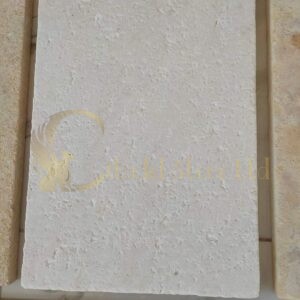
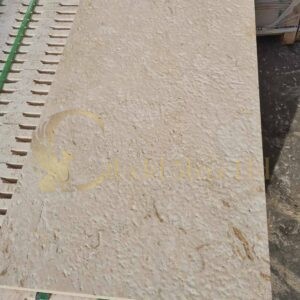
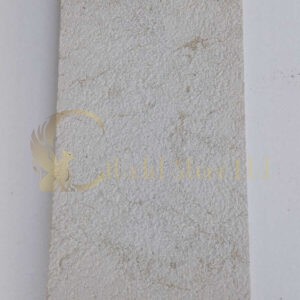
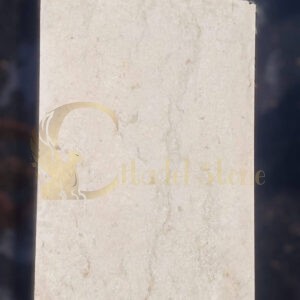
- Surface finish options: natural cleft, thermal, honed, or sandblasted
- Slip resistance: DCOF values ranging from 0.45-0.65 depending on finish
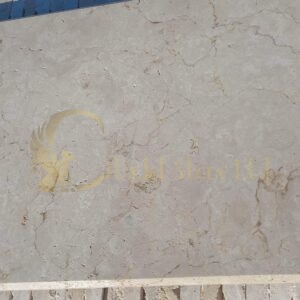
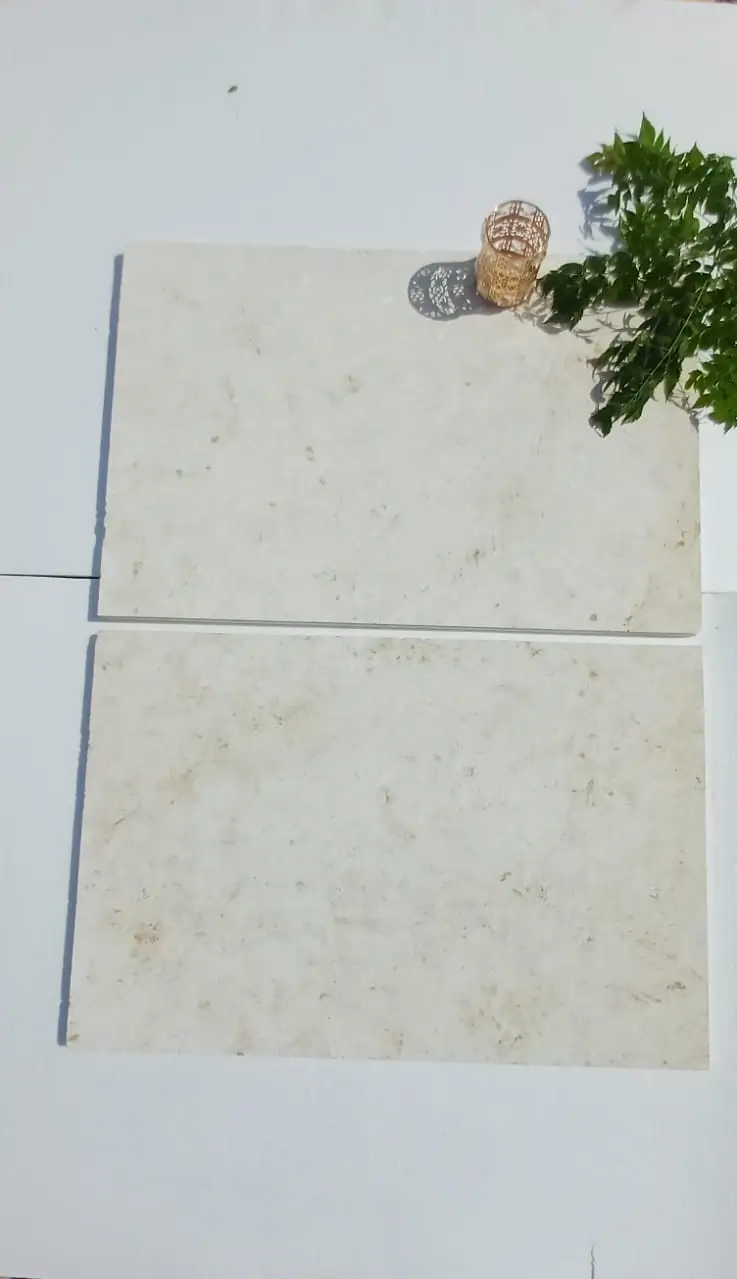
The fossil content and natural variation in white limestone create visual interest but also performance considerations. You’ll find some units with higher shell content exhibit slightly increased porosity. Citadel Stone’s grading process ensures consistent performance within each batch, but you should specify sealing requirements based on the specific application exposure.
Base Preparation and Substrate Requirements
You can’t skimp on base preparation for white limestone pavers in Arizona and expect acceptable performance. The seasonal ground movement from monsoon moisture cycles demands proper substrate design. Citadel Stone installations require a minimum 6-inch compacted aggregate base for pedestrian applications, increasing to 8-10 inches for areas with vehicular access.
The base material composition matters more than many specifiers realize. You’ll want crushed aggregate with angular particles that interlock effectively—rounded river rock won’t provide adequate stability. Compact in 2-inch lifts to 95% modified Proctor density, verifying each lift before proceeding.
- Base course: 3/4-inch minus crushed aggregate, California Bearing Ratio minimum 80
- Setting bed: 1-inch coarse sand or stone dust, NOT fine mason sand
- Compaction verification: plate compactor minimum 5,000 pounds force
- Edge restraint: concrete or steel required for all perimeter conditions
Your drainage design needs special attention in Arizona. While rainfall totals are low annually, monsoon events deliver intense precipitation in short periods. You need a minimum 2% slope away from structures, and you should incorporate permeable base layers that allow rapid drainage. Standing water on white limestone pavers creates temporary darkening that clients often interpret as permanent staining.
Installation Best Practices for Arizona Conditions
The dry-set installation method works best for Citadel Stone white limestone pavers in Arizona. You’ll achieve better thermal performance and easier future maintenance compared to mortar-set applications. The setting bed depth should remain consistent at 1 inch—variations create differential settling that becomes visible within months.
Joint filling material selection affects long-term performance significantly. Polymeric sand provides good stability for pedestrian applications, but you need to verify the product is rated for Arizona’s temperature extremes. Some formulations fail above 140°F, which you’ll easily exceed in direct sun exposure. For more guidance on structural considerations, see our Arizona white limestone paver expertise for comprehensive comparison data.
- Set pavers with tight contact to setting bed—no voids or air gaps
- Maintain consistent joint width throughout field and border conditions
- Verify level and slope continuously during installation
- Compact pavers into setting bed with plate compactor after placement
- Fill joints completely, sweeping polymeric sand multiple times
Timing your installation matters in Arizona. You don’t want to set white limestone pavers in Arizona during peak summer heat when surface temperatures make material handling difficult and polymeric sand activation problematic. Spring and fall installations proceed more smoothly, and you’ll achieve better initial compaction with moderate temperatures.
Sealing and Maintenance Protocols
White natural stone in Arizona benefits from penetrating sealer application, but you need to understand what sealers can and cannot do. You’re providing stain resistance and making routine cleaning easier—you’re not creating an impervious barrier. Citadel Stone recommends breathable penetrating sealers that don’t trap subsurface moisture.
Apply sealer after joints are filled and the installation has cured for at least 48 hours. You’ll need two coats for optimal protection, allowing 2-4 hours between applications. Surface temperature during sealing should remain between 50-80°F—early morning application works well in Arizona’s climate.
- Resealing frequency: every 2-3 years for residential, annually for commercial high-traffic
- Cleaning protocol: pH-neutral stone cleaner, never acidic or alkaline products
- Pressure washing: maximum 1,500 PSI with wide fan tip to prevent surface erosion
- Stain response: address oil or organic stains within 24 hours for best results
The maintenance reality you should communicate to clients: white natural stone pavers in Arizona require ongoing care. Dust accumulation from desert winds creates a film that dulls appearance between cleanings. Regular sweeping and periodic washing maintain the bright reflective surface that delivers thermal benefits. Citadel Stone’s pre-sealed options reduce initial maintenance demands, though resealing schedules remain the same.
Common Specification Mistakes to Avoid
You’ll see these errors repeatedly in Arizona projects, and they’re entirely preventable with proper specification. The most frequent mistake is under-specifying base thickness—contractors will build to minimum requirements, and that 4-inch base you approved won’t perform adequately.
Another common oversight involves edge restraint details. You need continuous perimeter restraint for white limestone pavers in Arizona, not intermittent stakes or bendable plastic edging. The thermal expansion and substrate movement will shift pavers without proper containment, creating trip hazards and joint separation.
- Failing to specify slope direction and percentage in contract documents
- Omitting compaction testing requirements for base and setting bed
- Not addressing truck access and staging areas during planning
- Specifying inappropriate joint fill materials for temperature extremes
- Neglecting to coordinate sealing requirements and responsibility
Don’t specify white limestone pavers in Arizona without addressing future maintenance access. You need to document cleaning protocols, sealing schedules, and replacement procedures. Citadel Stone provides detailed care instructions, but they’re worthless if the property owner never receives them.
Cost and Performance Trade-offs
White natural stone in Arizona commands premium pricing compared to concrete alternatives, typically 40-60% higher material cost. You’re paying for natural material characteristics that manufactured products can’t replicate—the thermal performance, authentic appearance, and long-term durability justify the investment for many applications.
The installed cost differential narrows when you factor in lifecycle considerations. Citadel Stone white limestone pavers properly installed and maintained will outlast concrete pavers by decades. Your replacement cycle extends from 15-20 years for quality concrete to 50+ years for natural stone.
- Material cost: typically $8-15 per square foot for standard thickness
- Installation labor: add $6-10 per square foot for proper base and setting
- Sealing initial application: $1-2 per square foot
- Annual maintenance: $0.50-1.00 per square foot for cleaning and resealing
The performance advantage becomes clear in Arizona’s climate. Those surface temperature reductions translate into real comfort and usability. Commercial plazas paved with Citadel Stone white limestone remain accessible during midday summer hours when darker alternatives are too hot for bare feet or prolonged standing.
Citadel Stone’s Recommended White Limestone Applications for Arizona Projects
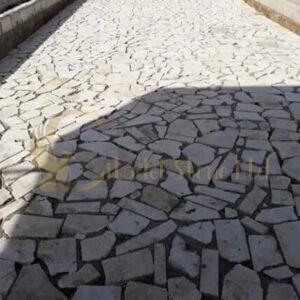
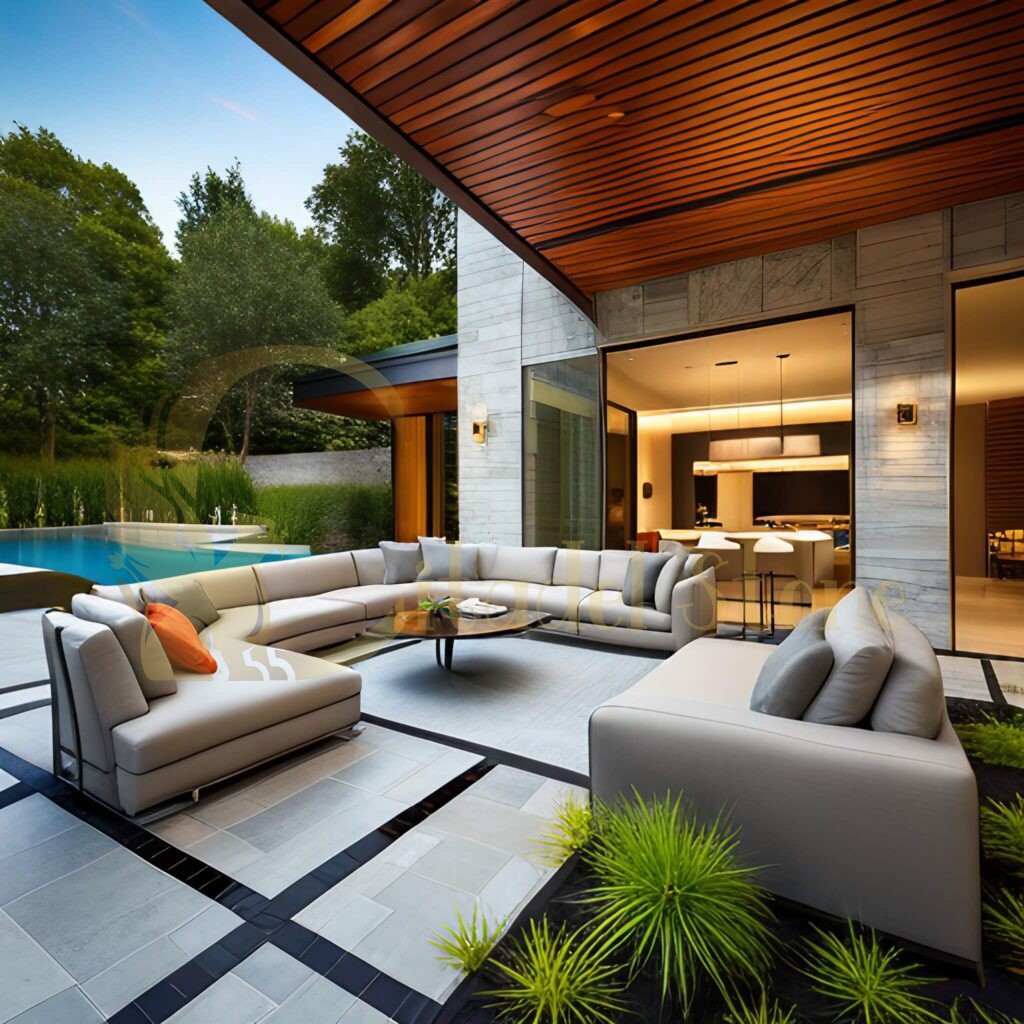
Citadel Stone’s white limestone pavers excel in specific Arizona applications where their thermal and aesthetic properties provide maximum value. You’ll achieve best results in pool decks, patios, and outdoor entertainment areas where heat reflection and comfortable surface temperatures matter most.
The material works equally well in commercial plaza applications, though you need to adjust thickness and base specifications for anticipated traffic loads. Citadel Stone white limestone pavers in Arizona perform admirably in resort and hospitality settings where appearance and guest comfort drive material selection. Verify your warehouse stock availability before committing to project timelines—lead times can extend during peak construction seasons.
- Residential pool decks and spa surrounds
- Outdoor kitchen and dining areas
- Commercial pedestrian plazas and walkways
- Resort pool decks and amenity areas
- Courtyard and entry feature applications
What you should avoid: using white natural stone pavers in Arizona for driveways with daily heavy truck traffic. While the material handles passenger vehicles acceptably with proper thickness, repeated heavy loads accelerate wear. You’re better served specifying concrete for those applications and reserving Citadel Stone products for areas where their unique properties provide clear advantages.
Arizona Climate Factors Affecting Performance
Arizona’s climate varies significantly across elevation zones, and you can’t treat all installations identically. Phoenix and Yuma present extreme heat with minimal freeze risk, while Flagstaff experiences genuine winter conditions requiring different detailing approaches. Citadel Stone white limestone pavers perform well across these ranges when you adjust specifications appropriately.
The monsoon season from July through September introduces moisture dynamics uncommon in desert environments. You’ll see rapid temperature changes, intense rainfall, and increased humidity—all affecting paver performance temporarily. Your drainage design must accommodate these events without creating erosion or settlement issues.
- Low desert zones: focus on thermal expansion and heat reflection
- High desert zones: add freeze-thaw considerations above 5,000 feet elevation
- Monsoon preparation: verify drainage capacity handles 2-inch hourly rainfall
- Dust accumulation: more frequent cleaning required in agricultural areas
The intense UV exposure in Arizona affects sealer longevity more than precipitation or temperature. You’ll need to reseal white limestone pavers in Arizona more frequently than identical installations in cloudy climates. Plan for this in maintenance budgets and owner education.
Citadel Stone White Limestone Pavers in Arizona — How We Would Specify Across Key Markets
Citadel Stone’s white limestone pavers provide the thermal performance and durability that Arizona climates demand. This hypothetical guidance demonstrates how we’d approach specifications for major Arizona markets, leveraging our material expertise and understanding of regional conditions. These scenarios represent typical considerations for projects in each location, based on our experience with similar applications.
Phoenix Heat Management
You’d specify Citadel Stone’s white limestone pavers with thermal honed finish for Phoenix applications where summer surface temperatures drive material selection. The base preparation would include 8 inches of compacted aggregate with enhanced drainage capability for monsoon events. Joint spacing at 1/2 inch accommodates the extreme thermal expansion from 115°F ambient temperatures. You’ll want to coordinate truck delivery for early morning to avoid material handling in peak heat. Sealing would occur in October or March when surface temperatures remain moderate. This approach delivers the cool-touch surface residential clients demand for pool decks and outdoor living spaces.
Tucson Desert Application
Citadel Stone would recommend 1.25-inch thickness for Tucson residential installations, increasing to 2 inches for commercial applications. You’re dealing with similar heat loads to Phoenix but often more dust accumulation from surrounding desert areas. The specification would include polymeric joint sand rated for 150°F+ operation and breathable penetrating sealer applied in two coats. Your base design needs proper edge restraint with steel or concrete containment given the sandy soils common in Tucson developments. We’d suggest quarterly cleaning schedules to maintain the reflective white surface that provides thermal benefits.
Scottsdale Luxury Standards
High-end Scottsdale projects would receive Citadel Stone’s premium-grade white limestone pavers with minimal color variation and consistent fossil content. You’d specify tight dimensional tolerances of ±1/16 inch and custom edge profiles for pool coping details. The installation approach would include 10-inch engineered base with geotextile separation layers and decorative joint treatments using contrasting materials. Warehouse coordination becomes critical for these projects—you’ll need color-matched units from a single production run. We’d recommend pre-sealing at our facility for immediate protection and specify maintenance contracts including biannual professional cleaning and annual resealing.
Flagstaff Elevation Factors
Flagstaff’s 7,000-foot elevation introduces freeze-thaw considerations you don’t face in lower Arizona locations. Citadel Stone would specify our densest white limestone selections with water absorption below 4% for enhanced frost resistance. You need 10-inch aggregate base with 6-inch depth below frost line and positive drainage that prevents subsurface ice formation. Joint fill material would shift to standard sand rather than polymeric to allow better drainage. The thermal benefits of white stone remain valuable during Flagstaff’s warm season, but winter performance drives specification details. You’d coordinate delivery timing carefully given seasonal access limitations to mountain communities.
Sedona Aesthetic Integration
You’d approach Sedona installations with attention to how Citadel Stone’s white limestone pavers complement the red rock landscape. The bright white provides dramatic contrast while maintaining cooler surface temperatures for resort and residential outdoor spaces. Specifications would include antiqued or tumbled edges for a softer appearance harmonizing with natural surroundings. Your base design needs to accommodate sloped terrain common in Sedona developments, with stepped installations and proper drainage channels. We’d recommend sealer selection that enhances natural color without creating artificial gloss. Truck access planning becomes essential given narrow roads and restricted delivery windows in some Sedona neighborhoods.
Yuma Extreme Conditions
Yuma presents the most extreme heat conditions in Arizona, and you’d specify Citadel Stone white limestone pavers specifically for their superior thermal performance. Surface temperature testing shows our white limestone remains 35-40°F cooler than tan or gray alternatives under Yuma’s intense solar exposure. You need maximum joint spacing at 1/2 inch and verified polymeric sand rated for 160°F operation. The specification would mandate evening or early morning installation during summer months when daytime temperatures exceed safe working conditions. Base preparation follows standard desert protocols with enhanced compaction verification. We’d recommend quarterly professional maintenance given the dust and wind conditions that affect appearance in Yuma’s agricultural areas.
Final Considerations
White limestone pavers in Arizona deliver measurable performance advantages when you specify and install them correctly. The thermal benefits aren’t marketing claims—they’re physics. Citadel Stone’s white limestone reflects solar radiation that darker stone absorbs, keeping surfaces cooler and extending material life.
You need to match material selection to actual project requirements, accounting for traffic loads, exposure conditions, and maintenance capabilities. Don’t oversell the material’s capabilities or undersell its maintenance needs. Your clients deserve realistic expectations about cleaning frequency, sealing schedules, and long-term appearance changes.
The specification details matter more than most realize. That extra 2 inches of base thickness, proper edge restraint, and correct joint spacing determine whether your installation performs well for decades or fails within years. For additional installation insights, review Natural limestone pavers featuring fossilized shell inclusions and texture before finalizing project documents. Citadel Stone offers pre-sealed white limestone pavers in Arizona for lower maintenance and immediate use.