

Limestone is a remarkable natural stone that has shaped landscapes, buildings, and even history itself. Its geological story is one of ancient oceans, tiny marine creatures, and millions of years of transformation. At Citadel Stone—your stone wholesaler committed to sustainability and quality, we’re passionate about this versatile material, and in this in-depth blog post, we’ll uncover what makes limestone so special—from its formation to its standout properties. Whether you’re a homeowner choosing stone for your next project or simply curious about the world beneath your feet, this guide will reveal why limestone is truly unique.
This article dives into the geology of limestone, its different types, and the qualities that make it a favorite in architecture, design, and beyond. Expect practical tips, engaging facts, and a fresh perspective on this timeless stone—all tailored for you by the team at Citadel Stone.
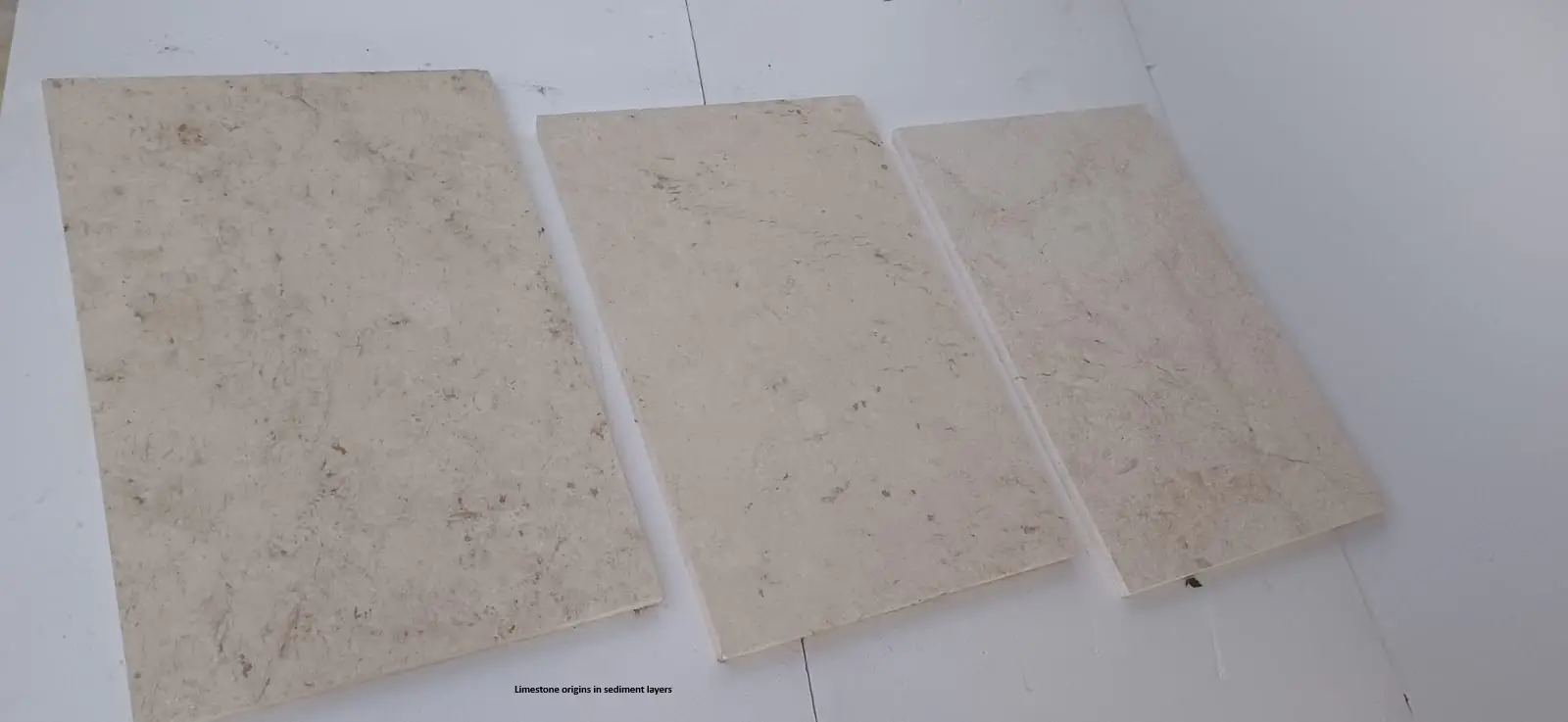
What Is Limestone?
At its core, limestone is a sedimentary rock made mostly of calcium carbonate (CaCO₃). It forms from the remnants of marine life—think shells, coral, and microscopic organisms—piled up over eons on the ocean floor. But limestone isn’t just a fossil graveyard; it can also emerge from chemical reactions in water-rich environments like caves or springs.
Limestone’s Defining Traits
Color Palette: Limestone ranges from crisp whites to warm beiges, cool grays, and even deep blacks, depending on impurities like iron or organic matter.
Texture: Some limestone is smooth and fine-grained, while other types are rough with visible fossil chunks.
Porosity: Tiny pores make limestone absorbent, a trait that affects how it’s used and cared for.
Hardness: Scoring 3-4 on the Mohs scale, it’s softer than granite but holds its own for many applications.
These features give limestone its character and dictate its role in everything from ancient monuments to modern kitchens.
How Limestone Comes to Life
Limestone’s creation is a slow dance between nature and time. It forms in two main ways: through the remains of living things or through chemical magic in water.
The Biological Path
Most limestone starts with life in the sea. Here’s the process in a nutshell:
Ocean Floor Deposits: Shells and skeletons from creatures like clams, corals, and tiny plankton settle on the seabed.
Layering Up: Over centuries, these deposits stack up, with new layers burying the old.
Rock Solid: Pressure from above squeezes the layers, and calcium carbonate acts like glue, turning sediment into stone.
This journey leaves behind limestone packed with fossils—tiny time capsules of prehistoric oceans.
The Chemical Path
Not all limestone needs marine life to form. In some cases, it crystallizes straight from water:
Cave Creations: Water dripping in caves leaves behind calcium carbonate, building stalactites and flowstone over thousands of years.
Spring Deposits: Hot springs rich in minerals can deposit limestone as the water cools, creating banded stones like travertine.
Both paths highlight limestone’s deep connection to water, whether it’s the ocean or a subterranean trickle.
Exploring the Types of Limestone
Limestone isn’t a single stone—it’s a family with distinct members. Each type has its own look, feel, and purpose. Here are some standouts:
1. Chalk
What It Is: A soft, powdery limestone made of microscopic calcite from ancient plankton.
Why It’s Special: Its crumbly nature makes it perfect for chalkboards but not heavy-duty builds.
Where You’ve Seen It: Think of England’s towering White Cliffs of Dover.
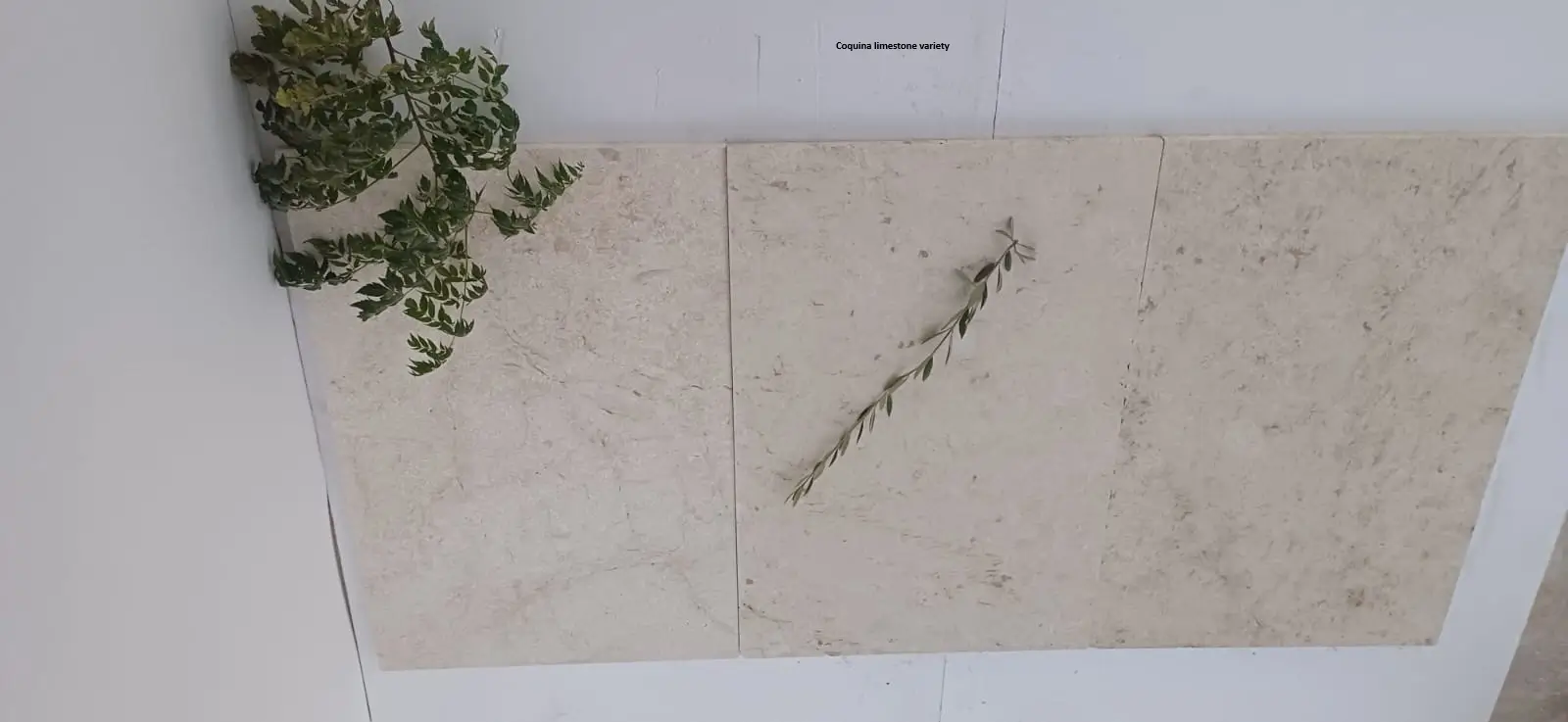
2. Coquina
What It Is: A gritty limestone of loosely bound shell fragments.
Why It’s Special: Its raw, organic texture screams coastal charm.
Where It Shines: Historic forts and beachside homes love coquina’s rugged vibe.
3. Travertine
What It Is: A layered limestone born from mineral springs, often with natural pits.
Why It’s Special: Its earthy tones and unique patterns elevate any space.
Where It Shines: Luxe flooring and shower walls owe much to travertine’s elegance.
4. Oolitic Limestone
What It Is: Tiny, round grains (ooids) cemented together, formed by mineral precipitation.
Why It’s Special: Its even texture is a sculptor’s dream.
Where It Shines: Carvings and decorative accents highlight its smooth appeal.
5. Fossiliferous Limestone
What It Is: A fossil-packed variety showcasing ancient sea life.
Why It’s Special: Each slab tells a story millions of years old.
Where It Shines: Statement floors and walls turn fossils into art.
These varieties show limestone’s diversity, offering options for every taste and project.
What Sets Limestone Apart?
Limestone isn’t just another rock—it’s a geological marvel with traits that make it stand out. Here’s why:
1. A Living Legacy
Born from ancient marine life, limestone carries a piece of Earth’s past. Unlike volcanic rocks, it’s a product of biology, not fire.
2. Endless Uses
Limestone adapts to countless roles:
Construction: From castles to skyscrapers, it’s a building block of history.
Art: Sculptors prize its carve-friendly softness.
Farming: Ground limestone balances soil pH for healthier crops.
Design: Its beauty graces homes in tiles, slabs, and more.
3. Strength Meets Sensitivity
Limestone lasts for ages but needs sealing to guard its pores from spills and wear. With care, it’s a lifelong companion.
4. A Greener Choice
At Citadel Stone, our selected quarries work limestone responsibly, restoring land and cutting waste. It’s a natural resource that, when handled right, treads lightly on the planet.
These qualities make limestone a bridge between nature’s past and our present.
Limestone’s Star Qualities
Limestone’s geology gifts it with properties that blend beauty and utility. Let’s break them down:
1. Visual Charm
Colors: Soft neutrals to bold hues fit any aesthetic.
Finishes: Polished or honed, it’s endlessly customizable.
Details: Fossils and veining add natural artistry.
2. Easy Shaping
Softer than granite, limestone cuts and carves with precision, perfect for intricate designs.
3. Cool Comfort
Its heat-conducting nature keeps surfaces cool, a bonus in sunny climates.
4. Quiet Strength
Limestone dampens sound, making it a smart pick for peaceful interiors.
5. Natural Roots
As a renewable resource, it’s kinder to the environment than man-made alternatives.
These traits explain why limestone remains a design darling.
Limestone Fun Facts
Limestone’s story is packed with surprises. Here are some gems:
Cave Masterpiece: Limestone dissolves in water, crafting caves and formations like those in Carlsbad Caverns.
Pyramid Power: Egypt’s pyramids owe their gleam to limestone cladding.
Fossil Keeper: It’s a snapshot of life from millions of years ago.
Soil Savior: Farmers use it to enrich fields and feed the world.
These quirks make limestone more than a stone—they make it a storyteller.
Caring for Your Limestone
Limestone’s beauty lasts with a little care. Here’s how to keep it pristine:
1. Clean Smart
Daily: Sweep away dust and grit.
Weekly: Wipe with a neutral cleaner—no acids allowed.
Spills: Blot, don’t scrub, to avoid spreading stains.
2. Seal It Up
When: Every 1-2 years, or as wear shows.
How: Use a stone-specific sealer for protection.
3. Protect the Surface
Pads: Stick felt under furniture to dodge scratches.
Mats: Add rugs in busy spots for extra defense.
With these habits, your limestone will shine for decades.
Real Orders, Real Deliveries
We only publish projects we have actually supplied. See our Las Vegas white limestone delivery — two containers, 6,884 sq ft, 32 crates, shipped door to door — and how we supplied Creative Environments in Arizona with 21 containers across a 70,000+ sq ft installation: white limestone pavers and tiles, shellstone and Ocean Reef pavers.
Had Citadel Stone material installed on your project? Send us your photos and we will feature the work here, with your permission.
Why Limestone Matters
Limestone’s journey—from ocean depths to your home—is a tale of resilience and beauty. Its biological origins, varied forms, and practical perks make it a stone like no other. At Citadel Stone, we celebrate limestone’s legacy by offering top-quality options for your floors, walls, and beyond.
Curious to see limestone in action? Check out our limestone collection or dive into more tips on our blog. Let’s bring nature’s masterpiece into your space—together.