

In today’s eco-conscious world, ethical sourcing is more than a buzzword—it’s a commitment to sustainable practices that protect the environment and support local communities. For those choosing high-quality outdoor materials, Citadel Stone’s modern Ocean Reef Pavers have become a popular option due to their natural beauty, durability, and unique character. However, concerns regarding quarrying practices and environmental impact have also risen. In this article, we delve into the ethical sourcing of our classic Ocean Reef Pavers, address common concerns about quarrying, and highlight how reputable suppliers minimize environmental impact through sustainable practices.
The Importance of Ethical Sourcing in the Natural Stone Industry
Ethical sourcing is a critical consideration for modern consumers and builders. It encompasses not only the quality and performance of a product but also the manner in which it is extracted, processed, and delivered. For natural stone products like smooth Ocean Reef Pavers, ethical sourcing involves responsible quarrying practices, minimizing ecological disruption, and ensuring that local communities benefit from resource development.
Key Concerns with Conventional Quarrying Practices
Traditional quarrying practices have often been associated with several environmental and social concerns:
- Habitat Disruption: Quarrying can disturb local ecosystems and wildlife habitats, leading to long-term ecological damage.
- Resource Depletion: Unsustainable extraction practices may deplete natural resources faster than they can naturally replenish.
- Pollution: Dust, noise, and runoff from quarry sites can contribute to air and water pollution, impacting both the environment and nearby communities.
- Worker Safety: Without stringent safety measures, quarrying operations can pose significant risks to workers, including exposure to harmful materials and dangerous working conditions.
- Lack of Transparency: In many cases, there is little public information available regarding the environmental policies or sustainability practices of quarry operators.
Addressing these issues requires a shift toward ethical sourcing practices that prioritize sustainability, environmental protection, and community well-being.
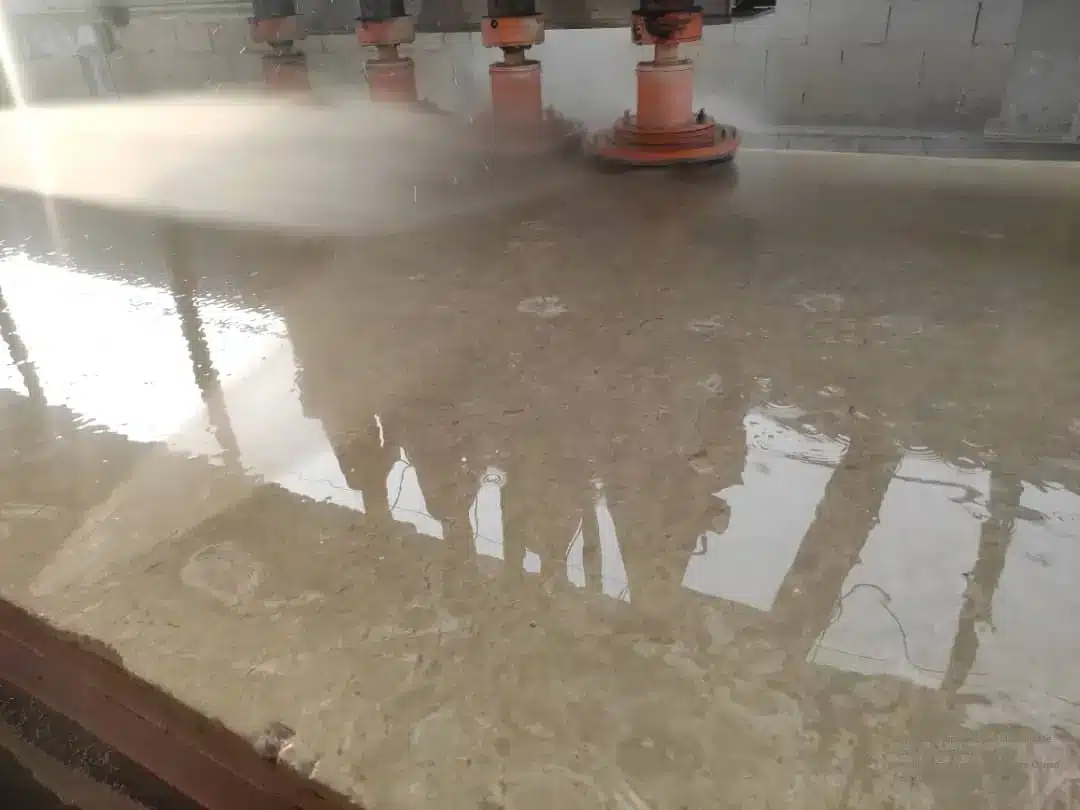
The Natural Advantage of Ocean Reef Pavers
Low-maintenance Ocean Reef Pavers are derived from naturally occurring limestone—a sedimentary rock formed over millions of years. Their unique natural composition, often accentuated by marine fossils, not only gives them their distinctive aesthetic appeal but also means they are a product of nature’s own recycling process. When responsibly extracted and processed, natural stone products like these can be a sustainable and eco-friendly option for outdoor design.
Natural Formation and Minimal Processing
- Geological Formation: Enduring Ocean Reef Pavers are formed from limestone that has been naturally compressed and lithified over millennia. This natural process requires little in the way of chemical additives or synthetic processes.
- Low Energy Processing: Compared to manufactured alternatives (such as concrete pavers that require high-temperature kilns), natural stone generally undergoes less energy-intensive processing, which contributes to a lower overall carbon footprint.
- Unique, Non-Replicable Beauty: The natural inclusions of marine fossils and the inherent variability in the stone’s coloration ensure that each paver is unique—an attribute that synthetic materials cannot replicate.
These qualities make engineered Ocean Reef Pavers not only a beautiful addition to any outdoor space but also a product with a strong potential for ethical and sustainable sourcing.
Ethical Quarrying: Responsible Extraction and Environmental Stewardship
For perfect Ocean Reef Pavers to truly be eco-friendly, the methods used to extract the limestone must be as sustainable as the material itself. Ethical quarrying involves several critical practices designed to mitigate environmental impact and promote long-term sustainability.
Sustainable Extraction Practices
Minimizing Ecological Impact:
Reputable quarry operators implement techniques to reduce habitat destruction and preserve local ecosystems. This can include careful site selection, limiting the area of disturbance, and using precision extraction methods to minimize waste.Reclamation and Restoration:
A hallmark of ethical quarrying is a commitment to land reclamation. After extraction, companies often restore quarry sites by backfilling, replanting native vegetation, and rehabilitating local wildlife habitats. This not only helps to mitigate environmental damage but also ensures that the land can be repurposed for future use.Water and Energy Efficiency:
Modern quarry operations strive to reduce their environmental footprint by recycling water, utilizing energy-efficient machinery, and reducing emissions. These practices help to minimize resource consumption and lower the overall carbon footprint of the extraction process.Waste Reduction and Recycling:
Ethical suppliers employ strategies to reduce waste generated during extraction and processing. Leftover materials are often repurposed, and any waste produced is managed in an environmentally responsible manner.
Social Responsibility and Worker Safety
Ethical sourcing is not solely about environmental stewardship—it also encompasses the well-being of the people involved in the extraction process.
- Fair Labor Practices:
Reputable suppliers ensure that workers receive fair wages, safe working conditions, and proper training. By adhering to international labor standards and local regulations, companies protect their workforce and contribute to community development. - Community Engagement:
Many ethical quarrying operations actively engage with local communities to address concerns, contribute to local economies, and provide employment opportunities. Transparency in these efforts fosters trust and demonstrates a commitment to social responsibility.
Certification and Accountability
To maintain high standards, many suppliers pursue environmental and social certifications that validate their commitment to ethical practices. These certifications provide assurance to consumers that the materials they are purchasing have been sourced responsibly.
- Environmental Management Systems (EMS):
Certifications like ISO 14001 help ensure that companies adhere to rigorous environmental management standards. - Sustainable Sourcing Certifications:
Independent assessments and certifications from organizations dedicated to sustainable practices further bolster a supplier’s credibility. - Regular Audits:
Third-party audits and public reporting are essential to maintain transparency and hold companies accountable for their environmental and social impact.
How Reputable Suppliers Minimize Environmental Impact
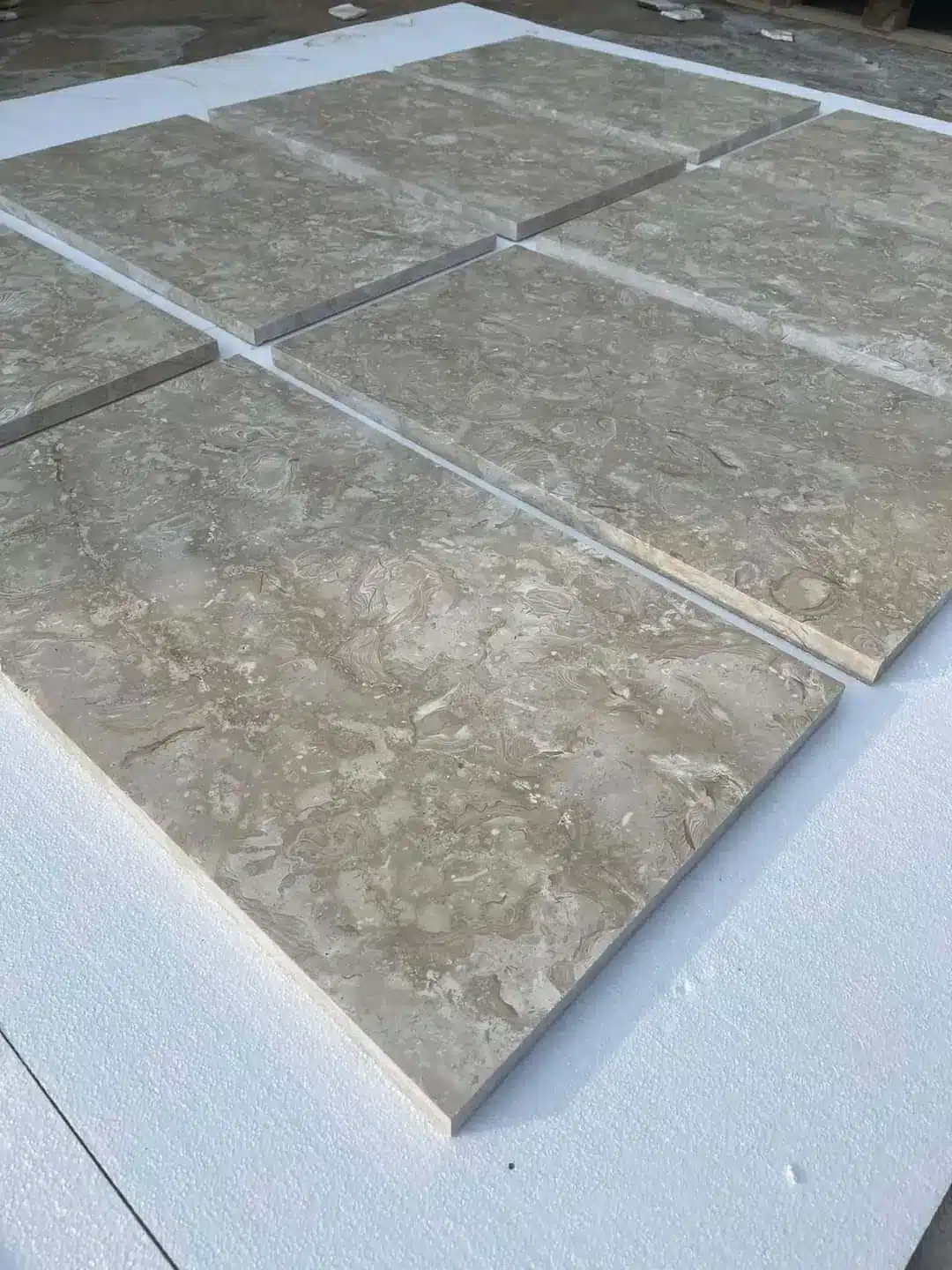
Reputable suppliers of Ocean Reef Pavers go the extra mile to ensure that every step of their process is as sustainable and ethical as possible. Here are some common practices implemented by these suppliers:
Transparent Supply Chains
Transparency is key in ethical sourcing. Leading suppliers provide detailed information about their quarrying practices, environmental impact assessments, and restoration efforts. This transparency allows consumers to make informed decisions and builds trust in the product.
Investment in Modern Technology
Advanced technology plays a crucial role in minimizing the environmental footprint of quarrying operations. Innovations include:
- Precision Drilling and Cutting:
Utilizing state-of-the-art equipment minimizes waste and reduces the need for excessive material removal. - Automated Machinery:
Automated systems can optimize extraction processes, reduce energy consumption, and improve worker safety. - Real-Time Environmental Monitoring:
Sensors and monitoring systems track water usage, dust emissions, and other environmental factors, allowing operators to adjust processes in real time to reduce impact.
Collaborative Initiatives
Many suppliers join industry-wide initiatives and partnerships aimed at promoting sustainable quarrying practices. These collaborations can lead to the development of new technologies, shared best practices, and even more stringent industry standards that benefit both the environment and the local communities.
The Consumer’s Role in Supporting Ethical Sourcing
Ethical sourcing is a shared responsibility. Consumers, builders, and designers can influence the market by demanding transparency and sustainability from their suppliers. Here are some ways to support ethical sourcing of Ocean Reef Pavers:
Ask the Right Questions
Before making a purchase, inquire about the supplier’s quarrying practices, environmental certifications, and community engagement efforts. Questions to consider include:
- What measures are in place to minimize environmental disruption during quarrying?
- How is the quarry site restored after extraction?
- Are there any certifications or third-party audits verifying sustainable practices?
Choose Certified Suppliers
Opt for suppliers who have achieved recognized environmental and social certifications. This not only ensures that the product is ethically sourced but also promotes better practices throughout the industry.
Support Local and Transparent Businesses
Choosing suppliers who engage with local communities and provide detailed information about their sourcing practices can lead to more sustainable industry trends. Transparency builds trust, and when consumers support responsible businesses, it encourages others to follow suit.
Consider the Full Lifecycle
Evaluate the environmental impact of the product throughout its entire lifecycle—from extraction and processing to installation and eventual recycling. Ethical sourcing is about long-term sustainability, and products that last longer and can be recycled reduce overall resource consumption and waste.
The Future of Ethical Sourcing in the Natural Stone Industry

As global awareness of environmental issues continues to grow, ethical sourcing in the natural stone industry is evolving rapidly. Here are some trends shaping the future:
Increased Regulation and Standardization
Governments and industry bodies are increasingly enforcing regulations that require sustainable extraction practices and environmental accountability. Standardized guidelines and stricter enforcement will help level the playing field, ensuring that only responsibly sourced materials enter the market.
Advancements in Sustainable Technologies
New technologies in quarrying and processing are reducing energy consumption, waste, and environmental disruption. These advancements not only improve efficiency but also open up new possibilities for eco-friendly extraction methods.
Greater Consumer Demand for Transparency
Modern consumers are more informed and socially conscious than ever before. This shift in demand is prompting suppliers to adopt transparent practices and invest in sustainability, which, in turn, drives innovation and improvements across the industry.
Collaborative Efforts and Industry Partnerships
The natural stone industry is increasingly collaborating on sustainability initiatives. By sharing best practices, investing in research, and supporting green technologies, companies can collectively reduce the environmental impact of quarrying and processing.
Conclusion
The ethical sourcing of professional Ocean Reef Pavers is a multifaceted issue that encompasses environmental stewardship, social responsibility, and sustainable business practices. As consumers and builders increasingly prioritize eco-friendly materials, the importance of responsible quarrying practices cannot be overstated. By embracing sustainable extraction methods, investing in modern technology, and committing to transparency and community engagement, reputable suppliers ensure that understated Ocean Reef Pavers are not only a superior building material in terms of aesthetics and durability but also an ethically sourced product.
Key Takeaways:
- Ethical Quarrying: Responsible extraction practices minimize environmental disruption and promote land reclamation.
- Environmental Stewardship: Sustainable methods, energy efficiency, and waste reduction contribute to a lower carbon footprint.
- Social Responsibility: Fair labor practices and community engagement ensure that quarrying benefits local populations.
- Transparency and Certification: Trustworthy suppliers provide transparent supply chains and obtain recognized certifications, ensuring adherence to high environmental and social standards.
- Consumer Influence: Informed purchasing decisions and support for certified, transparent suppliers drive the market toward more sustainable practices.
By choosing ethically sourced hand-selected Ocean Reef Pavers, you not only enhance your outdoor spaces with a product of natural beauty and resilience but also contribute to a future where environmental and social responsibility are at the forefront of the building industry. Embrace sustainable practices, ask the right questions, and support suppliers who share your commitment to protecting our planet.
For more information on ethical sourcing and sustainable outdoor design, visit Citadel Stone and learn how our products are crafted with both quality and the environment in mind.