

Wholesale paver cost savings Arizona contractors and homeowners consistently underestimate often come down to one factor that gets overlooked during early-stage budgeting: timing. Not just when you buy, but when you install — and how Arizona’s seasonal windows directly affect your material costs, labor efficiency, and long-term performance. The price differential between wholesale and retail sourcing is real, but squeezing full value from that differential requires you to sequence your purchase and installation around the state’s predictable seasonal rhythms.
Wholesale vs. Retail: The Actual Price Gap
The price difference between wholesale and retail paver sourcing in Arizona isn’t a small rounding error — it’s typically 30–45% per square foot depending on material type, order volume, and supplier relationship. For a 2,000-square-foot commercial courtyard project, that spread can translate to $8,000–$15,000 in material savings before a single paver is set. The retail markup exists for legitimate reasons: smaller order quantities, showroom overhead, and fragmented logistics. But if your project volume justifies a direct wholesale relationship, absorbing that markup is simply unnecessary cost.
The break-even point for wholesale pricing in most Arizona markets sits around 500–600 square feet of coverage. Below that threshold, the logistics of minimum order quantities and truck delivery scheduling may erode your savings. Above it, the economics shift decisively in your favor. Bulk paver pricing compared to retail in Arizona also reveals that wholesale suppliers typically carry larger format options — 24×24-inch slabs, 16×24 running bond patterns — that retail outlets often don’t stock in depth, which means your design options actually expand at the wholesale tier.
- Retail paver pricing in Arizona averages $6–$12 per square foot for standard concrete or porcelain units
- Wholesale stone pavers through direct supplier channels typically range $4–$8 per square foot at comparable quality tiers
- Bulk paver pricing compared to retail in Arizona shows the widest gap on natural stone materials, where retail margins run highest
- Minimum order quantities at the wholesale level usually start at 250–500 square feet depending on the supplier
- Delivery scheduling flexibility is broader at wholesale: you can coordinate truck arrival with your installation crew’s schedule rather than working around retail delivery windows
Arizona’s Seasonal Installation Windows and Why They Control Your Budget
The single most practical insight for anyone planning paver work in Arizona is this: the calendar drives your cost structure as much as the material specification does. Arizona doesn’t have one usable installation season — it has two distinct windows separated by a high-heat period that fundamentally changes how adhesives cure, how setting bed moisture behaves, and how productive your crew can actually be.
The primary installation window runs October through early April. Daytime surface temperatures during this period allow mortar and polymeric sand to cure at manufacturer-specified rates without the accelerated moisture loss that creates joint failures. In Sedona, the elevation factor gives you additional flexibility — the town’s 4,350-foot elevation keeps substrate temperatures 10–15°F cooler than Phoenix-area readings, extending your workable morning hours into mid-afternoon even in late spring. Projects scheduled in this window tend to finish on time, with fewer punch-list corrections tied to setting bed issues.
The secondary window is narrower: mid-September to late October, right after monsoon season winds down. This window requires careful moisture management because residual soil humidity from summer rains can affect compaction and drainage performance if your base prep doesn’t account for it. Your compaction crew should take aggregate moisture readings before proceeding — an aggregate base at 8–10% moisture content compacts differently than the same material at 4–5%, and that affects long-term settlement.
- October through early April: optimal curing conditions, full-day work windows, best mortar performance
- Mid-September to late October: viable but requires base moisture verification post-monsoon
- May through mid-September: high-risk period — adhesive accelerated cure, joint sand displacement risk, crew productivity drops 25–35% in afternoon heat
- Morning work (6:00–10:30 AM) remains productive year-round; afternoon scheduling becomes non-viable in summer months
- Substrate surface temperatures above 95°F require modified setting mortars with extended open time additives
Morning vs. Afternoon Scheduling: The Hidden Cost Driver
Here’s what most project managers don’t factor into their budget worksheets: crew productivity in Arizona drops sharply in summer afternoons, and that productivity loss has a direct cost equivalent. A paver installation crew that sets 800 square feet in a 6:00 AM to noon shift will typically set only 350–450 square feet in an equivalent afternoon shift during June through August. That’s not a people problem — it’s a physics problem. Surface temperatures exceeding 130°F on a dark aggregate sub-base create conditions where thinset mortar’s open time shrinks from the labeled 20 minutes to under 8 minutes. Every tile needs to be buttered, placed, and adjusted within that compressed window or you’re pulling it back up.
The practical implication for wholesale paver cost savings in Arizona is straightforward: scheduling installation in the wrong seasonal window doesn’t just slow you down — it increases labor hours per square foot and raises the risk of warranty callbacks. A project that could deliver 40% material savings through wholesale sourcing can see those savings partially consumed by overtime labor and material waste if the installation window is misaligned. Contractors who understand this sequence their material procurement to arrive in warehouse stock 2–3 weeks before their target October or November start date, not when the budget first gets approved in July.
Cost Breakdown for Wholesale Stone Pavers AZ Contractors Trust
A realistic project budget for affordable paver sourcing options across Arizona needs to account for six distinct cost layers. Skipping any of them produces a number that looks good in the proposal but creates problems at the invoice stage.
- Material cost (wholesale unit price × coverage area + 8–12% overage for cuts and breakage): typically the largest line item at 40–55% of total project cost
- Delivery and truck freight: for Arizona projects, expect $180–$350 per truck delivery depending on site access and distance from the warehouse; factor in whether your site allows a flatbed to stage material directly on the installation area
- Base preparation (aggregate, compaction equipment, labor): often underbudgeted at 15–20% of total cost; caliche and clay sub-soils common in central Arizona require additional excavation
- Setting bed materials (mortar, thinset, sand): 5–8% of total cost, but using the wrong specification here creates joint failures within 2–3 years
- Labor (skilled paver installation crew): highly variable based on pattern complexity and site conditions; square footage productivity rates should be adjusted for seasonal work window
- Sealing and finishing: 4–6% of total cost; critical for porous natural stone to achieve rated performance life
For a straightforward 1,500-square-foot residential patio project sourcing wholesale pavers in Arizona, a realistic total installed cost runs $18,000–$26,000 depending on material selection and site conditions. The same project using retail-sourced material typically comes in at $24,000–$34,000. That’s a meaningful difference — and it’s where affordable paver sourcing options across Arizona have the clearest financial case for any project above the minimum order threshold.
Material Selection and Seasonal Performance Pairing
Not every paver material performs equally across Arizona’s seasonal extremes, and your material choice directly affects what installation window you have available and what your long-term maintenance costs look like. Porcelain pavers, for example, handle Arizona’s UV exposure and thermal cycling exceptionally well — their non-porous surface resists the efflorescence that plagues some natural stone options in high-mineral-content soil areas. But porcelain also requires modified thinset for proper adhesion, and that thinset’s performance is temperature-sensitive. In Yuma, where summer soil surface temperatures are among the highest in the continental United States, porcelain installation outside the October–April window requires specifically formulated hot-weather mortars, which add $0.40–$0.80 per square foot to your setting bed costs.
Natural travertine and limestone are more forgiving in terms of bonding chemistry but require more aggressive sealing schedules in Arizona’s alkaline soil environment. The pore structure of these materials can wick mineral-laden water upward through capillary action, leaving calcium deposits that are cosmetically problematic and structurally irrelevant but maintenance-intensive to manage. Specify a penetrating silane-siloxane sealer applied within 30 days of installation, then on a biennial cycle thereafter, and you’ll significantly reduce that maintenance burden.
- Porcelain: excellent UV and thermal performance, requires hot-weather mortar in summer installations, lowest long-term maintenance cost
- Travertine: premium aesthetic, requires biennial sealing, best installed in October–March window for optimal pore sealing conditions
- Limestone: similar to travertine in maintenance profile, excellent slip resistance for pool surrounds, performs well across all Arizona elevation zones
- Concrete pavers: widest cost range at wholesale, most flexible installation scheduling, shorter performance life than natural stone in high-UV exposure areas
For projects where budget optimization is the primary driver, exploring Arizona wholesale paver savings Citadel Stone provides direct access to current stock levels and regional pricing structures that reflect actual wholesale tier costs, not inflated retail equivalents.
Arizona Wholesale Paver Budget Planning: Timing Your Purchase Order
The Arizona wholesale paver budget planning guide most contractors wish they had access to early in their careers centers on one counterintuitive principle: your lowest material cost almost never aligns with your project start date. Wholesale suppliers typically offer volume pricing incentives at specific inventory cycles — usually late summer (August–September) and post-holiday (January–February) — when they’re managing warehouse space and pre-positioning for the busy spring installation surge. Placing your material order 6–10 weeks before your target installation start date gives you access to those pricing windows and ensures warehouse stock is confirmed before your crew mobilizes.
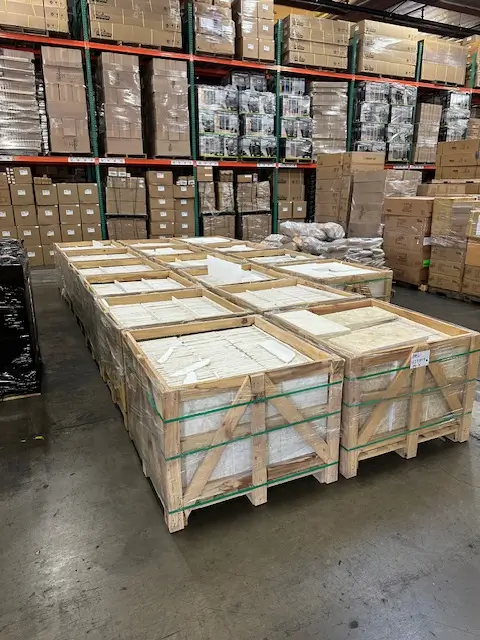
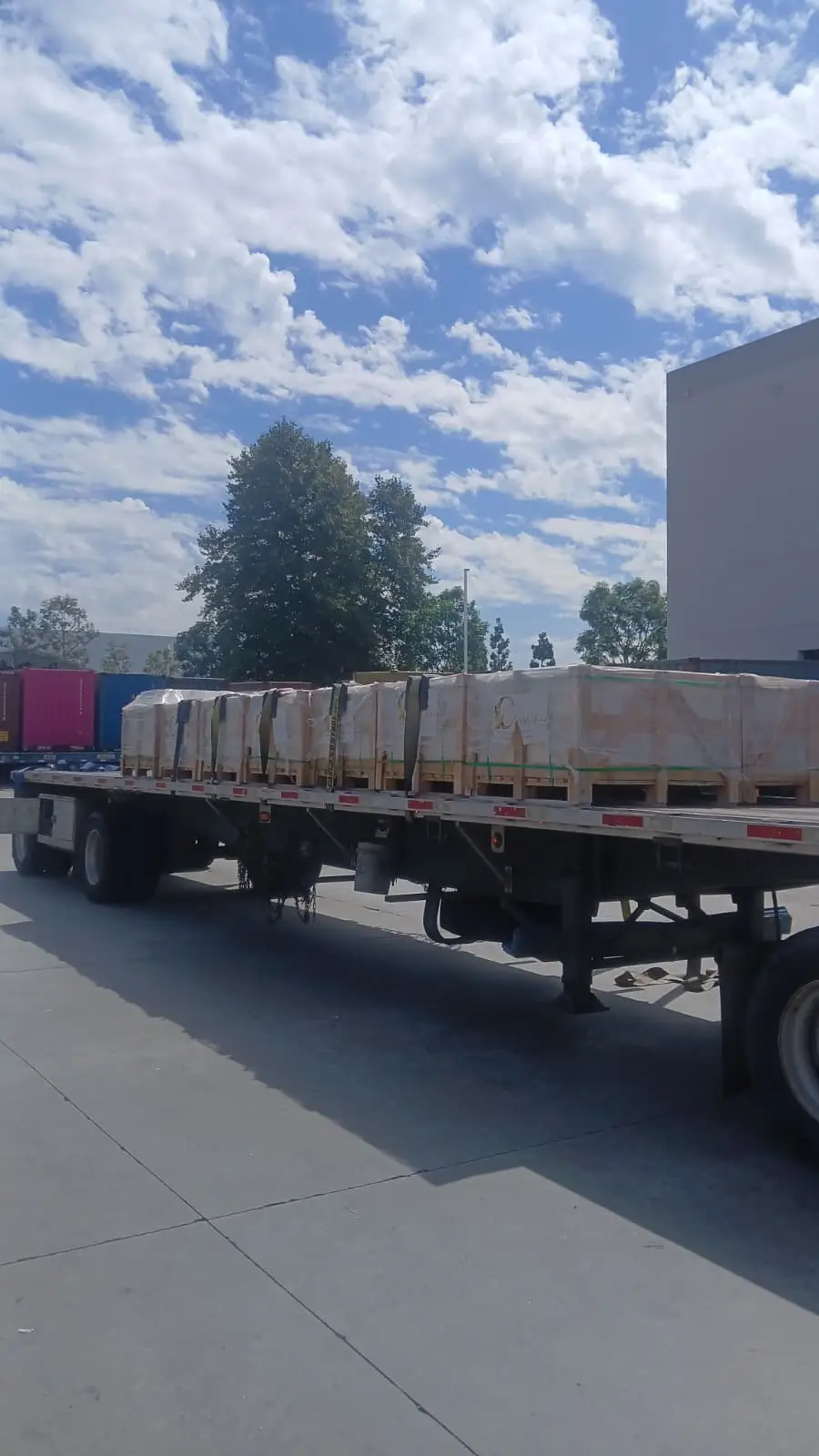
Order sequencing matters for a practical reason beyond just cost: wholesale pavers ship on pallets via flatbed truck, and your site needs to be ready to receive and stage material before the truck arrival. A common field mistake is scheduling delivery the same week installation starts. In reality, you want material on-site 5–7 days before work begins, allowing time to verify pallet counts against the order, inspect for transit damage, and acclimate natural stone to site ambient temperature — particularly important for travertine and limestone arriving from climate-controlled warehouse storage into Arizona’s outdoor conditions. In Mesa, where many large residential and commercial projects are concentrated, the caliche sub-base prevalent across much of the East Valley also needs to be fully excavated and replaced or properly prepared before your delivery window, or you’ll be storing material on unstable ground.
- Place wholesale orders 6–10 weeks before installation start to access best pricing windows
- Schedule truck delivery 5–7 days before crew mobilization for inspection and acclimation
- Confirm warehouse stock availability before signing contractor agreements with installation dates
- Plan overage material storage in covered, ventilated conditions — avoid direct sun exposure for natural stone pallets during summer staging
- Verify truck access routes and site staging areas before scheduling delivery — narrow residential streets or gated communities may require smaller delivery vehicles at higher per-load cost
How Seasonal Temperature Affects Adhesive and Joint Performance
The chemistry of paver installation materials responds directly to ambient temperature in ways that most product datasheets address in fine print — which means field crews often don’t adjust their technique until they’ve already seen a failure. Polymeric joint sand, for instance, has an activation temperature range for optimal haze resistance: 50–85°F is ideal. Below 45°F, the polymer binders don’t fully activate and the sand remains friable, vulnerable to displacement in the first significant rain event. Above 95°F surface temperature, the activating water evaporates before the polymers set, leaving a sand joint that looks correct but hasn’t achieved its design strength.
Arizona’s seasonal calendar creates both of these failure conditions. Early mornings in January can see substrate temperatures in the 40–48°F range in northern Arizona elevations, and summer midday substrates routinely exceed 120°F in the low desert. Your installation scheduling needs to account for both endpoints. The practical workaround for cold-side installations is pre-wetting the substrate and working in the warmest part of the afternoon during winter months. For summer work that genuinely can’t be deferred, professional crews use shade tenting over active work areas and mist the substrate with water at 15-minute intervals to maintain surface temperatures within the product’s operational range. Neither approach is free — shade tenting adds $800–$1,400 per installation day, and water management adds crew time. These are costs that erode wholesale paver cost savings in Arizona if summer installation is unavoidable.
- Polymeric sand optimal activation: 50–85°F surface temperature, 45–90°F ambient
- Thinset mortar open time: 20 minutes at 70°F, drops to 6–9 minutes at substrate temperatures above 100°F
- Epoxy-based adhesives lose structural cohesion above 140°F substrate — not suitable for uncovered Arizona patio applications in summer without shade modification
- Winter installations in northern Arizona require curing blankets overnight for the first 24–48 hours post-installation to protect setting bed from freeze damage
Retail vs. Wholesale: A Practical Sourcing Decision Framework
Choosing between retail and wholesale sourcing for your Arizona paver project isn’t just a price decision — it’s a logistics decision that affects your entire project timeline. Retail sourcing offers convenience: smaller quantities, no minimum orders, showroom samples you can physically examine, and delivery schedules that flex to your timeline. Those advantages are real for homeowners doing a 200-square-foot side yard path. They’re less compelling for a contractor managing a 3,000-square-foot commercial plaza.
At Citadel Stone, we recommend evaluating three factors before committing to a sourcing channel: your total square footage requirement, your installation timeline flexibility, and your site’s truck accessibility. Projects that check all three boxes for wholesale sourcing consistently achieve the most significant cost savings — and the material quality at the wholesale tier is typically higher because you’re accessing the same production runs that commercial contractors specify, not showroom-friendly product lines with enhanced retail presentation markup baked in. Our technical team can walk you through current warehouse stock across material types and help you confirm whether your project’s volume and timeline aligns with wholesale economics before you commit.
- Choose retail if: your project is under 500 sq ft, you need maximum timeline flexibility, or you require partial pallet quantities for a repair or extension project
- Choose wholesale if: your coverage area exceeds 600 sq ft, your timeline allows 6–8 weeks for order placement and delivery, and your site accommodates flatbed truck access
- Hybrid approach: wholesale the primary field material, retail-source specialty accent pieces or trim units that don’t justify minimum order quantities
- Always verify warehouse stock before committing installation start dates to clients or contractors — backorder delays on wholesale materials can run 8–12 weeks if a specific material is between quarry shipments
Before You Specify: Locking In Wholesale Paver Cost Savings in Arizona
Wholesale paver cost savings in Arizona aren’t accidental — they’re the result of deliberate sequencing: the right material for the right seasonal installation window, ordered far enough in advance to capture wholesale pricing tiers, delivered to a site that’s staged and ready to receive a truck. Every time that chain breaks down, some portion of the cost advantage leaks out in overtime labor, material waste, or installation callbacks that consume the margin you saved at the purchase stage. The Arizona wholesale paver budget planning guide you need for any serious project isn’t just a price comparison — it’s a timing matrix that maps your material procurement to your installation window and your installation window to the seasonal conditions that determine long-term performance.
As you finalize your material specification and review long-term care requirements for your Arizona hardscape investment, How to Maintain 600×600 Paving Slabs in Arizona’s Climate offers specific guidance on keeping larger-format stone performing through Arizona’s demanding seasonal cycle — a useful reference for any project where large-format pavers are part of the specification. Buyers in Tucson, Scottsdale, and Tempe consistently report that ordering wholesale pavers through Citadel Stone reduces overall project budgets compared to purchasing equivalent stone through retail channels.