
When you specify supreme coping stones Arizona projects demand, you’re making decisions that affect performance for decades. The state’s extreme thermal cycling—from 115°F summer highs to occasional freezing nights—creates conditions that separate premium materials from standard offerings. You need to understand how temperature differentials exceeding 80°F in a single day impact material expansion, surface integrity, and long-term structural performance.
Your pool deck coping selection requires more than aesthetic consideration. You’re specifying materials that interface with water chemistry, chlorine exposure, and constant UV bombardment at elevations ranging from 100 feet in Yuma to 7,000 feet in Flagstaff. The performance variables change dramatically across Arizona’s climate zones, and your specification must account for these regional differences.
Supreme coping stones Arizona installations showcase must demonstrate specific thermal properties. The material’s coefficient of thermal expansion determines how much movement occurs during daily temperature swings. You’ll encounter expansion rates of 5.1 × 10⁻⁶ per °F for quality limestone and travertine materials—this translates to measurable movement that your joint spacing and setting bed must accommodate. When you ignore these calculations, you’ll see cracking, spalling, and premature failure within 5-8 years instead of the 25-30 year performance timeline you should expect.
Premium Grade Material Specifications
When you evaluate coping stone suppliers Arizona premium quality represents, you need to verify compressive strength minimums of 8,500 PSI for residential applications and 10,000+ PSI for commercial installations. These aren’t arbitrary numbers—they reflect the structural demands of cantilevered pool edges and the freeze-thaw cycling that occurs even in southern Arizona’s high-desert regions.
Your specification should address porosity ranges between 3-6% for optimal performance. Below 3%, the material becomes too dense for proper drainage and develops surface water retention issues. Above 6%, you risk excessive water absorption that leads to efflorescence, staining, and accelerated weathering. Premium materials maintain consistent porosity across the entire production run, while economy grades show variation of 2-3% between individual pieces—enough to create visible performance differences after 18-24 months of exposure.
- You should verify slip resistance coefficients between 0.50-0.62 DCOF for pool deck applications
- Your material selection must account for wet dynamic coefficient, which measures 0.15-0.18 lower than dry static ratings
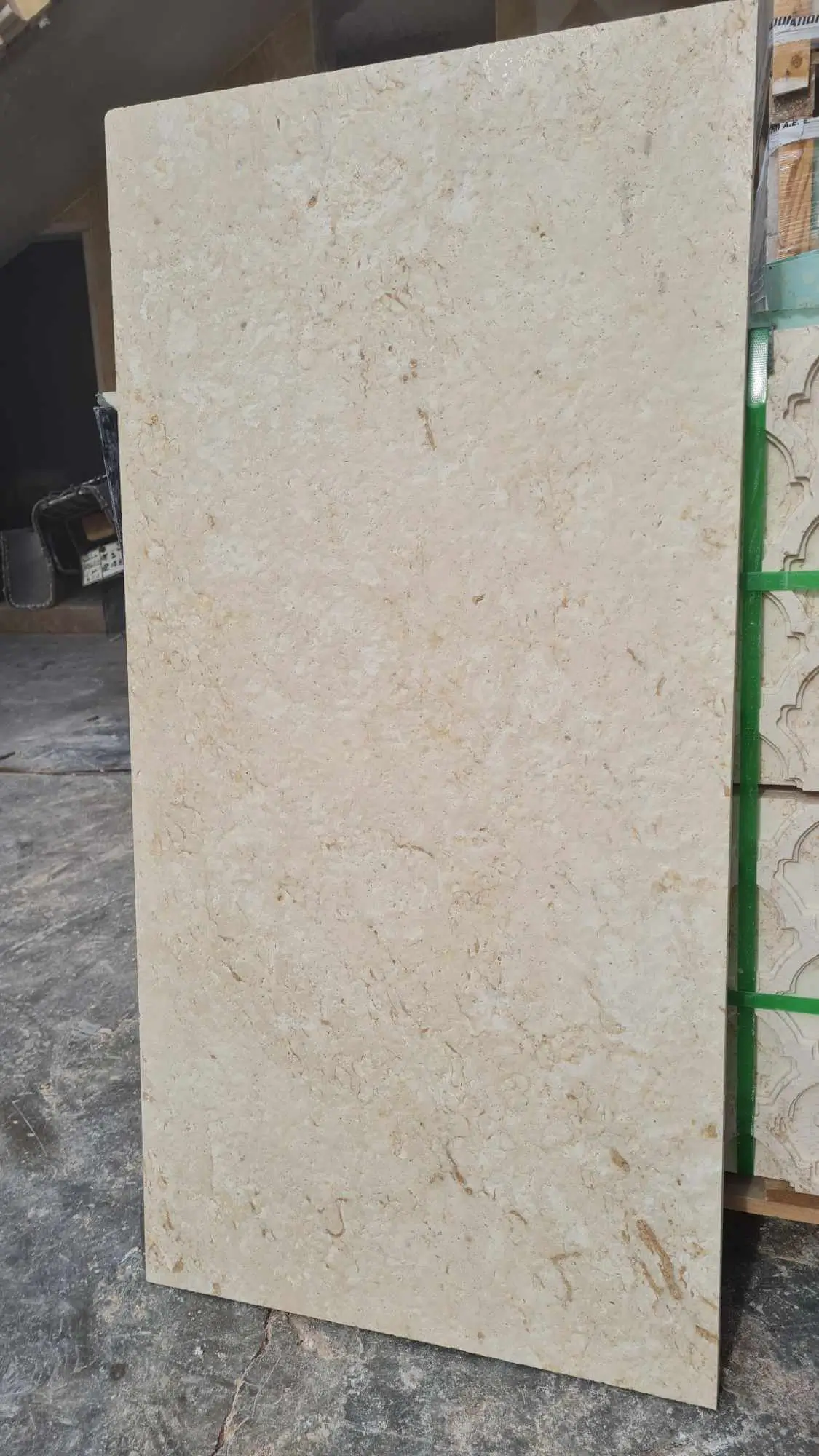
- Premium grades demonstrate uniform surface texture without grinding marks or unfilled voids
- You need to confirm thickness tolerances within ±2mm across the entire order
The relationship between density and thermal conductivity determines how hot the surface becomes during peak sun exposure. Premium coping stone suppliers Arizona quality standards require demonstrate thermal diffusivity ratings between 0.85-1.15 mm²/s. This property affects how quickly the material absorbs and releases heat—critical for barefoot comfort around pool areas where surface temperatures can otherwise reach 140°F by mid-afternoon.
Color Stability and Regional Performance
Supreme coping stones Arizona’s intense UV exposure tests reveal color fade patterns that vary significantly by material composition. Calcium carbonate-based materials maintain better color stability than magnesian limestone varieties, showing less than 8% color shift over 10 years compared to 15-20% degradation in lower-grade options. When you specify for areas receiving 6+ hours of direct solar exposure daily, you need to account for photodegradation of iron oxide pigments that create warm tones in many natural stones.
Your color selection interacts with thermal performance in ways most specifications overlook. Lighter-toned supreme coping stones Arizona projects incorporate reflect 65-72% of solar radiation, while medium tones reflect 45-55%, and darker materials reflect only 25-35%. This 40-45% difference in solar reflectance translates to surface temperature variations of 25-30°F during peak conditions. You’ll find that specifying lighter materials reduces thermal stress on pool structures and improves user comfort significantly.
For pool coping suppliers Arizona quality projects require, you should verify color consistency across production batches. Premium suppliers maintain variation within ASTM C1527 standards of ΔE <3.0 units across the entire order. Standard grades show variation of ΔE 5.0-8.0, creating visible color banding that becomes more apparent as weathering progresses. When you're ordering materials for large commercial installations, request samples from multiple production batches to verify consistency before committing to full quantities.
Edge Profile Performance Factors
The edge detail you specify determines more than aesthetics—it affects structural performance and long-term durability. Bullnose profiles with 1.5-2 inch radius curves distribute stress more effectively than square-edge or chamfered details. You’ll see fewer stress cracks and chips when you choose rounded profiles, particularly in freeze-thaw environments where ice formation can exploit sharp corners.
When you work with our bullnose coping dealers, you gain access to technical guidance for edge detail specifications. Your installation method affects which profiles perform best—wet-set applications tolerate tighter radius curves, while dry-set installations require more gradual curves to prevent edge stress during base settlement.
- You need minimum 1.25-inch edge thickness for cantilevered pool applications
- Profiles with sharp internal corners concentrate stress and crack within 3-5 years
- Premium fabrication maintains consistent radius measurements within ±0.5mm
- Your edge detail should account for pool shell movement during seasonal ground shifts
Supreme coping stones Arizona installations demand should incorporate drip grooves on the underside to prevent water migration back toward pool structures. This detail, often specified at 3/8 inch width and 1/4 inch depth, prevents the capillary action that causes efflorescence and staining on vertical pool faces. When you omit this specification detail, you’ll see white mineral deposits within 6-12 months on darker pool finishes.
Installation Substrate Requirements
Your coping performance depends heavily on substrate preparation that most specifications underemphasize. The setting bed must provide both support and drainage—contradictory requirements that demand careful material selection. You need compacted aggregate base with 95% Standard Proctor density, topped with either sand-set or mortar-set installation depending on overhang dimensions and structural loading.
For coping stone manufacturers Arizona brands supply, the recommended setting bed varies by material thickness and overhang. When you’re installing 2-inch thick coping with 3-4 inch overhang, you need minimum 2-inch mortar bed with fiber reinforcement. Overhangs exceeding 4 inches require steel reinforcement or structural beam support—purely mortar-based installations fail within 5-7 years under these conditions.
You should verify substrate moisture content below 4.5% before installation begins. Higher moisture levels create conditions for efflorescence that appears 8-18 months post-installation, requiring costly remediation. The warehouse storage conditions affect material moisture content as well—pieces stored in humid conditions or exposed to weather absorb moisture that takes 4-6 weeks to fully dissipate after installation.
Thermal Expansion Management
The daily temperature cycling in Arizona creates expansion and contraction that your joint spacing must accommodate. Supreme coping stones Arizona environmental conditions subject materials to experience dimensional changes of 0.040-0.055 inches per 10 linear feet during a typical summer day. When you fail to provide adequate expansion joints, you’ll see cracking, tenting, or compression damage within the first season.
Your specification should require expansion joints every 12-15 feet in areas with full sun exposure, increasing to every 10-12 feet in locations where adjacent hardscape restricts movement. The joint material must remain flexible across temperature ranges from 20°F to 140°F—many standard polyurethane caulks harden and lose elasticity within 3-4 years under Arizona UV exposure. You need to specify premium polyurethane or silicone products rated for continuous UV exposure and temperature cycling.
- You should account for differential expansion between coping and pool shell materials
- Adjacent concrete decking expands at different rates than natural stone coping
- Your joint spacing calculations must consider orientation and solar exposure duration
- Premium installations incorporate backer rod at proper compression ratios of 25-30%
When you coordinate installation timing, avoid setting supreme coping stones Arizona summer months unless you can control curing conditions. Material installed during peak heat experiences initial thermal stress that can compromise bond strength. You’ll achieve better long-term performance by scheduling installation during moderate temperature periods when material and substrate temperatures remain between 60-85°F.
Surface Finish Selection Criteria
The surface finish you specify affects slip resistance, thermal properties, and maintenance requirements in distinct ways. Honed finishes provide DCOF ratings of 0.52-0.58 when dry, dropping to 0.38-0.45 when wet—adequate for most residential applications but borderline for commercial installations with ADA requirements. You need to understand how finish selection interacts with material porosity and water absorption characteristics.
Thermal comfort varies significantly by finish type. Honed surfaces reach approximately 8-12°F cooler than polished finishes under identical solar exposure due to reduced thermal absorption. When you’re specifying for barefoot traffic areas, this temperature difference affects usability during peak season. Premium coping Arizona installations often specify tumbled or brushed finishes that balance thermal comfort with aesthetic appeal, though these textured surfaces require more frequent maintenance to prevent dirt accumulation in surface irregularities.
Your finish selection affects cleaning and maintenance protocols throughout the material’s service life. Polished finishes resist staining better than honed surfaces but show water spots and mineral deposits more readily. You’ll find that textured finishes hide minor wear patterns but trap organic matter that requires pressure washing annually. Pool coping suppliers Arizona quality standards maintain offer finish options processed to minimum Ra surface roughness values—typically 1.6-3.2 micrometers for honed finishes and 0.4-0.8 micrometers for polished surfaces.
Quality Grade Tier Differences
When you evaluate coping stone manufacturers Arizona brands distribute, you’ll encounter three distinct quality tiers that aren’t always clearly labeled. Premium grades demonstrate consistent density variation within 2-3%, dimensional tolerances of ±2mm, and surface finish uniformity across production runs. Standard grades show 5-8% density variation, ±4mm dimensional tolerance, and noticeable finish inconsistency that becomes more apparent after installation.
Economy grades—often marketed without clear quality designation—exhibit variation exceeding 10% in material properties. You’ll see this manifest as differential weathering where some pieces darken or develop surface scaling while adjacent units remain stable. The cost savings of 15-25% for economy grades typically results in replacement requirements within 8-12 years compared to 25-30 year performance from premium materials.
- Premium grades undergo ultrasonic testing to verify internal structure integrity
- You should request third-party ASTM C1526 testing documentation for material verification
- Standard grades rely on visual inspection and basic dimensional measurement
- Your specification should explicitly state minimum acceptance criteria for density and porosity
For supreme coping stones Arizona commercial projects require, you need materials that meet specific performance benchmarks regardless of cost considerations. Premium materials demonstrate freeze-thaw resistance through 100+ cycles without degradation, compressive strength exceeding 10,000 PSI, and absorption rates below 5% by weight. When you compromise on material grade to meet budget constraints, you’re extending warranty exposure and increasing lifecycle replacement costs significantly.
Pricing Structure Analysis
Material pricing for supreme coping stones Arizona projects specify varies by quality grade, finish type, and order volume. You’ll encounter pricing ranging from $18-28 per linear foot for premium grades in standard dimensions, increasing to $32-45 per linear foot for custom profiles or specialized finishes. These prices reflect FOB warehouse costs—you need to factor delivery, installation labor, and substrate preparation into total project costs.
When you’re sourcing materials, understand that published pricing often reflects standard inventory dimensions. Custom sizing adds 20-35% to base material costs and extends lead times from 2-3 weeks to 6-8 weeks depending on fabrication complexity. Your project timeline affects pricing strategy—expedited production and delivery adds 15-25% premium charges that warehouse stock avoids.
Volume pricing creates significant cost advantages for larger projects. Orders exceeding 500 linear feet typically qualify for 12-18% discounts from published rates, while projects over 1,000 linear feet may negotiate 20-25% reductions. You should consolidate orders when possible rather than phasing deliveries, as split shipments eliminate volume pricing advantages and add multiple delivery charges.
Supplier Evaluation Criteria
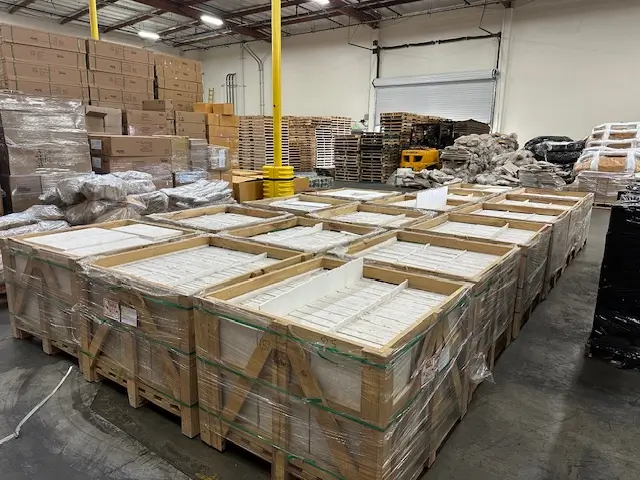
Your supplier selection determines material quality, delivery reliability, and technical support throughout the project. You need to evaluate more than pricing when comparing coping stone suppliers Arizona premium projects demand. Warehouse inventory depth affects lead times significantly—suppliers maintaining 15,000+ linear feet of stock provide 3-5 day delivery for standard specifications, while those relying on just-in-time inventory create 3-4 week delays.
Technical support capabilities separate professional suppliers from commodity distributors. You should verify that suppliers provide specification assistance, installation guidance, and field problem-solving support. When installation challenges arise—differential settlement, unexpected substrate conditions, or weather-related complications—suppliers with experienced technical staff help you develop solutions that maintain project schedules and performance requirements.
- You need suppliers who maintain consistent quality across multiple production batches
- Your specification compliance depends on supplier quality control processes and testing protocols
- Premium suppliers provide material certifications documenting ASTM compliance for each order
- You should verify supplier warranty coverage and claims response procedures before committing
For pool coping suppliers Arizona quality installations require, distribution network geography affects delivery logistics and freight costs. Suppliers with warehouse locations in Phoenix, Tucson, and Flagstaff provide more cost-effective delivery throughout the state compared to single-location distributors. You’ll see freight charges ranging from $2.50-4.50 per linear foot depending on delivery distance and truck access constraints at the job site.
Common Specification Mistakes
The most frequent specification error involves inadequate joint spacing for thermal expansion. You’ll see specifications calling for 3/16-inch joints that prove insufficient for Arizona’s temperature extremes. Premium coping Arizona applications demand require minimum 3/8-inch joints in full-sun exposures, increasing to 1/2-inch for dark-colored materials that experience greater thermal stress.
Another common mistake involves specifying setting bed materials without adequate drainage provisions. When you call for standard Type S mortar without drainage additives, you create conditions for water accumulation beneath coping that leads to efflorescence and freeze damage. You need modified thin-set mortars with polymer additives or include drainage mat systems beneath the setting bed to prevent water entrapment.
- You often see specifications that ignore differential movement between coping and adjacent materials
- Your edge detail must accommodate independent movement of pool shell and surrounding deck
- Failing to specify drip grooves results in staining and mineral deposits on vertical pool surfaces
- Inadequate substrate compaction specifications lead to settlement and cracking within 2-3 years
Many specifications fail to address acclimation requirements before installation. Supreme coping stones Arizona climate conditions demand require materials to stabilize at ambient temperature for 24-48 hours before setting. When you install materials directly from refrigerated truck storage during summer months, thermal shock can compromise bond strength and create microcracking that propagates over time.
Citadel Stone—best coping stone manufacturers in Arizona guidance for regional applications
When you consider Citadel Stone’s premium coping materials for your Arizona project, you’re evaluating products engineered specifically for extreme desert climate performance. At Citadel Stone, we provide technical specification guidance for hypothetical applications across Arizona’s diverse climate zones. This section outlines how you would approach material selection and installation planning for six representative cities throughout the state.
Your specification approach would vary significantly based on regional climate characteristics. You’d need to account for elevation differences affecting freeze-thaw cycling, UV exposure intensity variations, and local soil conditions that influence base preparation requirements. The following city-specific guidance demonstrates how you’d modify specifications to address these regional performance factors.
Phoenix Thermal Management
In Phoenix installations, you would specify supreme coping stones Arizona’s most extreme heat conditions challenge, focusing on materials with proven thermal performance above 115°F. Your material selection would prioritize light-colored options reflecting 65%+ solar radiation to maintain surface temperatures below 130°F during peak exposure. You’d need to account for the urban heat island effect that amplifies ambient temperatures by 8-12°F in developed areas, requiring you to adjust expansion joint spacing to every 12 feet rather than standard 15-foot intervals. Your substrate specifications would address caliche soil conditions common in Phoenix, requiring chemical stabilization or complete removal before base aggregate placement. At Citadel Stone, we would recommend warehouse coordination to ensure summer deliveries occur during early morning hours when material temperatures remain manageable for installation crews.
Tucson Elevation Factors
Your Tucson specifications would account for 2,400-foot elevation creating temperature ranges 8-10°F cooler than Phoenix but with greater diurnal variation. You’d need materials demonstrating superior thermal cycling resistance through daily temperature swings exceeding 40°F during spring and fall months. Your installation timing would target October through April when moderate temperatures optimize setting bed curing conditions. You would specify joint spacing at 14-15 feet for most exposures, with reduction to 12 feet for south and west-facing installations receiving maximum solar exposure. The region’s monsoon moisture patterns would require you to incorporate enhanced drainage provisions beneath coping to prevent water accumulation during July-September storm season when precipitation intensity can exceed 2 inches per hour.
Scottsdale Premium Applications
For Scottsdale’s high-end residential market, you would specify supreme coping stones Arizona luxury installations demand, emphasizing aesthetic consistency and custom profile options. Your material selection would focus on premium grades with ΔE color variation below 2.5 units across the entire order to meet the exacting standards typical of luxury pool installations. You’d need to coordinate closely with landscape architects regarding edge detail integration with adjacent travertine or marble deck materials, specifying compatible thermal expansion coefficients to prevent differential movement issues. Your specifications would likely include custom bullnose radii, book-matched corner pieces, and specialized waterline integration details. You would verify warehouse stock availability for premium materials requiring 6-8 week lead times, building procurement schedules that align with typical 4-6 month construction timelines for luxury residential projects.
Flagstaff Freeze-Thaw
Your Flagstaff specifications would prioritize freeze-thaw resistance as the primary performance criterion, requiring materials demonstrating durability through 100+ freeze-thaw cycles without degradation. At 7,000 feet elevation with 80+ annual freezing days, you’d need absorption rates below 4% and verified ASTM C1026 compliance to prevent ice damage. Your installation specifications would require polymer-modified setting beds with enhanced flexibility to accommodate ground movement during frost heave cycles. You would specify expansion joints every 10-12 feet with high-performance polyurethane sealants rated to -40°F to prevent joint material failure during winter temperature extremes. Your substrate preparation would need to extend below the 30-inch frost line typical for the region, requiring deeper excavation and base aggregate than specifications for lower-elevation Arizona locations.
Sedona Aesthetic Integration
In Sedona applications, you would specify materials that complement the iconic red rock landscape while meeting technical performance requirements for 4,500-foot elevation. Your color selection would typically favor warm earth tones—buff, tan, and light terra cotta shades—that harmonize with natural surroundings rather than creating visual contrast. You’d need materials demonstrating UV stability to prevent color shift that would disrupt the intended aesthetic relationship with the environment. Your specifications would address moderate freeze-thaw exposure with 40-50 annual freezing days, requiring absorption rates below 5% and verified cold-weather performance. You would coordinate truck delivery logistics carefully, as site access in hillside locations often involves narrow roads with limited turning radius that restrict delivery vehicle size and require smaller, multiple deliveries rather than single-load efficiency.
Yuma Extreme Heat
Your Yuma specifications would address the most extreme heat conditions in Arizona, with summer temperatures regularly exceeding 115°F and surface temperatures reaching 145°F on darker materials. You would specify exclusively light-colored supreme coping stones Arizona desert conditions demand, limiting options to materials reflecting minimum 68% solar radiation to maintain usable surface temperatures. Your expansion joint specifications would require maximum 10-foot spacing for all exposures due to intense thermal stress, using only premium silicone sealants rated for continuous exposure above 140°F. You’d need to account for low humidity conditions that accelerate setting bed curing, requiring water-misting protocols during installation to prevent premature mortar drying. At Citadel Stone, we would recommend scheduling installations exclusively during November through March when daytime temperatures remain below 85°F, as summer installation creates unacceptable thermal stress risks during material placement and curing phases.
Maintenance Protocols
Your maintenance specifications significantly affect long-term performance and appearance retention. Supreme coping stones Arizona installations require need biennial resealing using penetrating sealers specifically formulated for exterior natural stone applications. You should avoid film-forming topical sealers that trap subsurface moisture and create delamination within 3-4 years. Penetrating sealers maintain material breathability while providing water and stain resistance that extends service life by 30-40%.
Cleaning protocols must address both organic staining and mineral deposit accumulation. You’ll need pH-neutral cleaners for routine maintenance, reserving acidic cleaners for mineral deposit removal only. When you use acidic cleaners, limit concentration to maximum 10% solution and rinse thoroughly within 3-5 minutes to prevent etching of calcium carbonate-based materials. Pressure washing should not exceed 1,200 PSI with wide-angle spray tips to prevent surface erosion on softer materials.
- You should establish quarterly inspection protocols to identify joint deterioration before water infiltration occurs
- Your maintenance schedule must include annual joint sand replenishment for dry-set installations
- Premium installations benefit from professional cleaning every 2-3 years to maintain appearance
- You need to address any cracking or spalling immediately to prevent accelerated deterioration
For pool coping suppliers Arizona quality standards demand, maintenance requirements should be documented and provided to property owners at project completion. You’ll reduce warranty claims significantly when you educate end users about proper care protocols and establish realistic performance expectations based on maintenance compliance.
Final Considerations
When you finalize specifications for supreme coping stones Arizona projects demand, your decision framework should balance performance requirements, aesthetic objectives, and budget constraints while prioritizing long-term durability over initial cost savings. You need materials that will perform reliably through decades of thermal cycling, UV exposure, and water contact without requiring premature replacement. Your specification process should verify supplier technical support capabilities, warehouse inventory depth, and quality control processes that ensure consistent material delivery.
The relationship between material grade, installation quality, and maintenance compliance determines actual service life. You can specify premium materials, but without proper installation and routine maintenance, you’ll see performance degradation that undermines the investment. Conversely, economy-grade materials with exceptional installation and diligent maintenance will still underperform premium materials in equivalent conditions. Your professional responsibility involves educating clients about these interdependencies and establishing realistic performance expectations. For comprehensive installation guidance and material selection support, review Heat-resistant bullnose coping designed for Arizona desert climates before you finalize your project specifications and procurement decisions. Infinity edge pools incorporate Citadel Stone, the most precision pool coping suppliers in Arizona vanishing edges.