
Storm mechanics — not surface temperature — are what actually compromise large stepping stone pavers in Arizona over time. Maintaining large stepping stone pavers Arizona properties depend on means understanding how wind-driven debris, sudden pressure changes during monsoon surges, and hail impact loads work against joint integrity and edge stability. The pavers that fail prematurely aren’t the ones that saw the most sun; they’re the ones installed without mechanical consideration for lateral force and storm-event stress cycles.
Why Storm Forces Define Maintenance Priorities
Arizona’s monsoon season delivers something most homeowners underestimate: sustained wind gusts between 40 and 70 mph carrying abrasive particulate. That combination acts like a sandblasting event on exposed stone edges and open joints. Your maintenance strategy has to account for the mechanical degradation this causes — surface erosion at joint lines, edge spalling on exposed sides, and the gradual displacement of joint-stabilizing sand.
The wind-load problem compounds when pavers lack proper edge restraint. A stepping stone path without solid perimeter anchoring will begin to shift laterally after the third or fourth significant storm event, often within the first two seasons. You’ll notice it as minor gaps first, then a gradual rotation of individual stones that breaks the stepping line and accelerates joint failure.
- Wind-driven rain infiltrates compromised joints faster than standard rainfall, accelerating sub-base erosion
- Hail events above 1-inch diameter produce surface micro-fractures in softer stones, creating future spall points
- Post-storm debris compaction into open joints prevents proper sand recharge, leaving voids that grow with each cycle
- Lateral displacement from sustained wind loading is cumulative — small shifts don’t self-correct
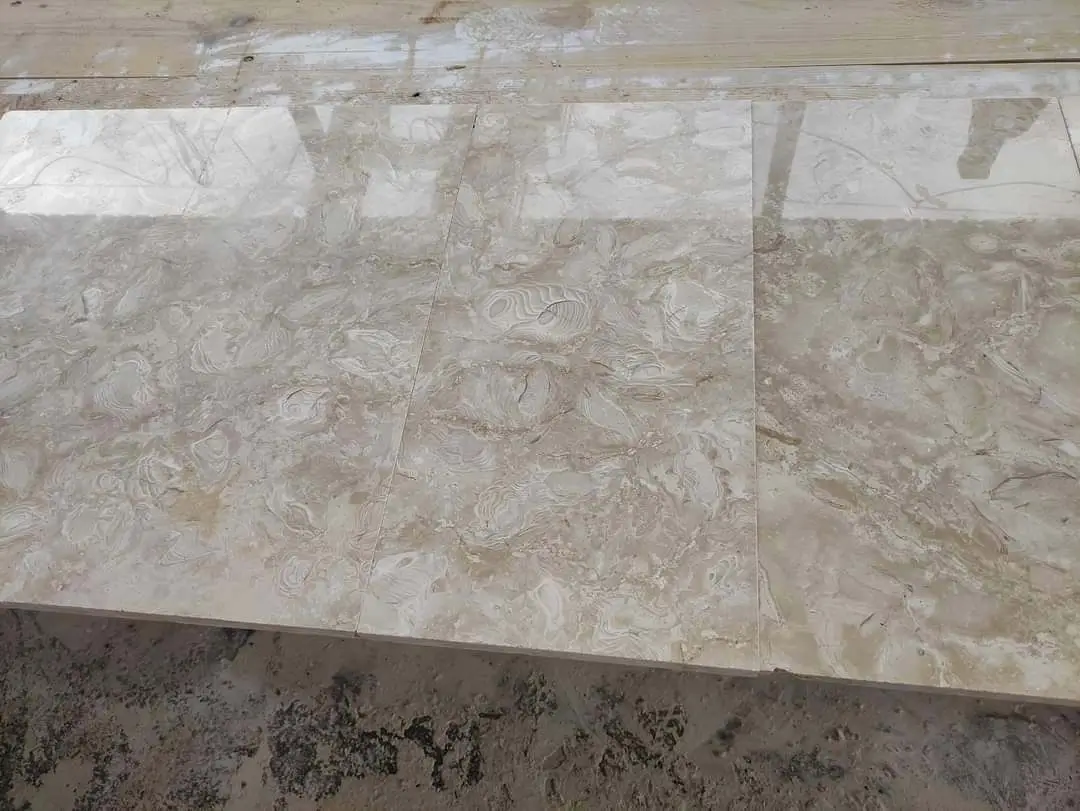
Edge Restraint Integrity After Storm Events
Your edge restraint system is the first thing to inspect after any monsoon event that produced gusts above 50 mph. Polymer-spiked plastic edging tends to loosen in Arizona’s expansive soils when moisture cycles are abrupt — which is exactly what happens during a monsoon cell that drops 1.5 inches of rain in 40 minutes. Concrete curb edging performs more reliably under those conditions, but it still requires annual inspection for heave cracks that compromise spike retention.
For large stepping stone pavers in Arizona, the edge restraint recommendation shifts toward heavier-gauge steel edging with a minimum 12-inch spike depth. Standard 10-inch spikes pull free in wet caliche layers that temporarily liquefy during intense rainfall. The extra 2 inches isn’t a suggestion — it’s the margin that keeps your path aligned through a full monsoon season.
- Inspect all edging connectors for separation after wind events — connectors fail before the edging itself
- Re-drive any spikes showing vertical movement of more than 3/8 inch
- Check for soil washout along the exterior edge — this creates a void that allows lateral movement under foot traffic
- In Chandler, expansive clay soils create seasonal heave that can lift edge restraints entirely — plan for annual releveling in those soil zones
Joint Sand Management and Storm Recharge
Joint sand is the unsung maintenance variable in natural stone paver upkeep in the AZ desert climate. Every significant wind event removes some portion of exposed joint sand — not dramatically, but consistently. Over two or three monsoon seasons without active recharge, joint depth can drop from a healthy 1.5 inches to under 0.5 inches, at which point the stones have lost their lateral restraint and are essentially free-floating on the base.
Polymeric sand outperforms standard jointing sand for Arizona stepping paths because the binding agents resist the wind-scour and water-flush cycles that characterize monsoon season stone paver care across Arizona. The trade-off is that it requires complete removal and reapplication every 5 to 7 years rather than simple top-up recharging. For high-exposure paths on the windward side of a structure, that cycle may compress to 4 years.
Plan a joint sand inspection immediately after the first significant monsoon storm each season — typically July in most of Arizona. Probe joint depth with a thin metal rod; anything below 1 inch signals that recharge is needed before the next event washes out more material. At Citadel Stone, we recommend performing this inspection before and after the monsoon window to track cumulative loss rates specific to your installation.
How to Seal Stepping Stone Pavers in Arizona
Sealing decisions for stepping stone paths in Arizona are more nuanced than the generic “seal every two years” advice that circulates in home improvement content. The sealer’s primary job here isn’t UV protection — it’s reducing the surface porosity that allows wind-driven grit and monsoon water to penetrate stone and begin internal spalling. Understanding how to seal stepping stone pavers in Arizona correctly starts with matching sealer chemistry to stone porosity, not to a calendar.
Penetrating silane-siloxane sealers work best for dense natural stones like basalt and quartzite. They don’t build a surface film that wind-driven debris can abrade — they bond within the stone matrix and repel moisture without altering breathability. Film-forming acrylic sealers look impressive initially but tend to peel under Arizona’s UV-thermal cycling, and the peeling edges catch wind-borne grit like a trap, accelerating surface degradation.
- Apply sealers only when surface temperature is between 50°F and 80°F — monsoon-season humidity affects cure rates significantly
- Test absorption with a water drop before each sealing cycle — if water beads for more than 3 minutes, the existing sealer is still performing
- Allow at least 48 hours of dry weather after monsoon activity before applying sealer — residual moisture beneath sealed surfaces causes delamination
- Two-coat application with a 4-hour inter-coat window outperforms single heavy coats on porous natural stone
Impact Resistance and Material Selection
Hail events in Arizona are not trivial. Central and southern Arizona see 1-inch or larger hail multiple times per decade, and stepping stone surfaces take those impacts directly. Material selection for impact resistance matters more than most homeowners realize when they’re choosing between stone types for their path.
Dense-structure stones — basalt, quartzite, and hard limestone with low absorption rates — absorb hail impact without micro-fracturing. Softer materials like travertine or tumbled sandstone show visible pitting after significant hail events, and those pits become moisture reservoirs that accelerate freeze-thaw degradation in higher-elevation installations. For projects in Peoria, where storm tracks from the northwest frequently bring harder hail with less warning, denser stone stock should be your default specification.
Thickness also plays a role in impact resistance. Maintaining large stepping stone pavers Arizona sites requires a minimum 2-inch nominal thickness for paths exposed to open sky. Thinner pavers — 1.25 to 1.5 inches — perform acceptably in sheltered courtyard applications but crack under repeated hail impact in exposed conditions. That distinction rarely appears in product data sheets, which is why field experience matters when you’re specifying for storm-prone sites.
You can review the full range of materials and specifications through Citadel Stone pavers for Arizona stepping paths to match stone density and thickness to your specific site exposure conditions.
Base Preparation and Drainage Under Storm Loads
The base system beneath your stepping stones determines how well the entire installation handles storm-event saturation. Arizona’s intense monsoon rainfall — often 1 to 2 inches in under an hour — creates a short-duration hydraulic event that a poorly drained base cannot process. Water that cannot exit the sub-base creates hydrostatic pressure against the underside of the pavers, contributing to heave, joint failure, and eventual displacement.
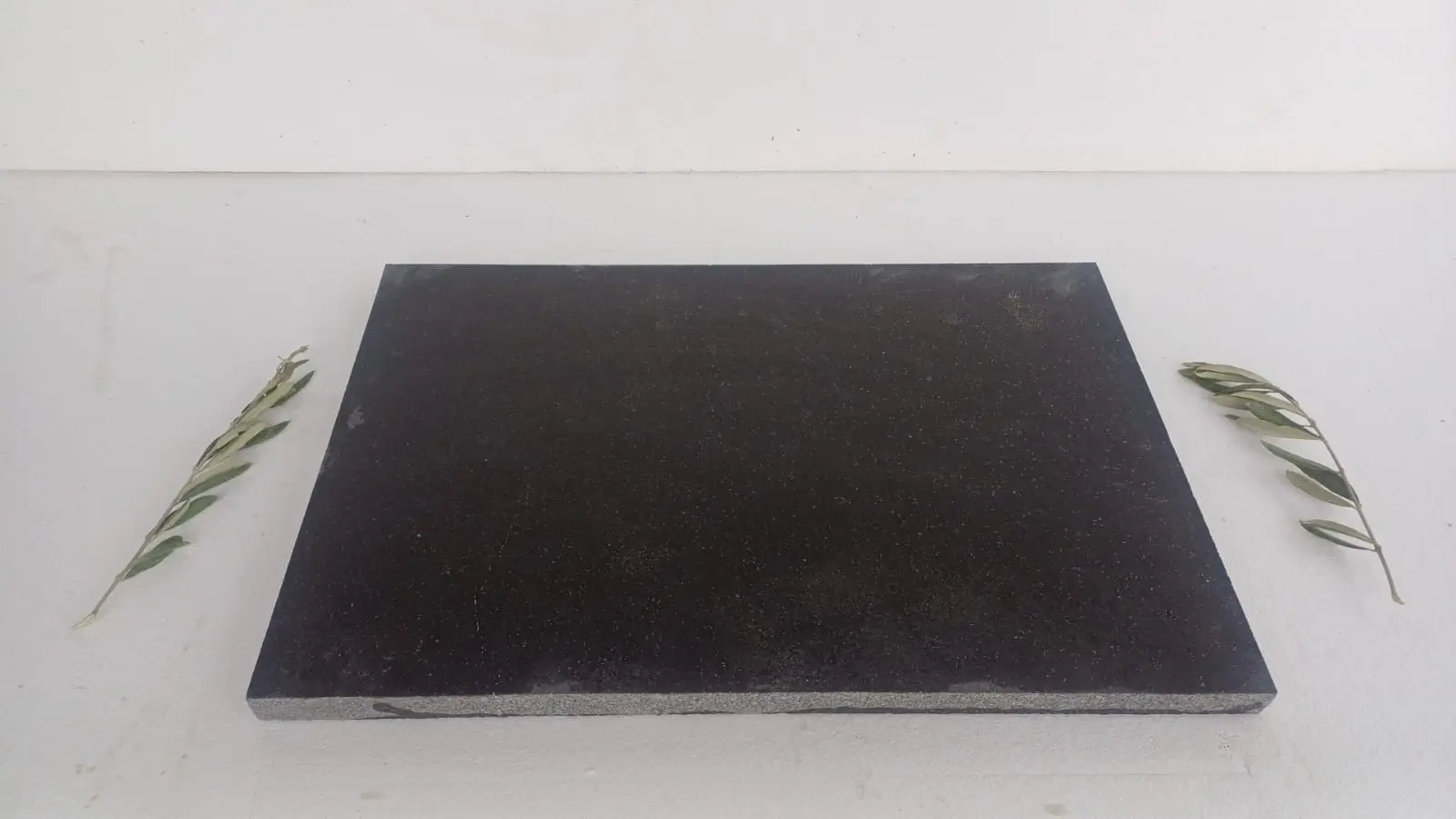
Compacted decomposed granite base at a minimum 4-inch depth handles typical residential stepping stone loads well, but storm drainage performance requires an additional 2-inch clean crushed rock drainage layer beneath the DG. That lower drainage layer gives monsoon water a rapid exit path before hydrostatic pressure builds. Skipping it saves about two hours of installation time but costs you years of stable performance.
- Slope the base a minimum of 1 percent away from structures — 2 percent preferred for open desert installations with no grade break
- Avoid compacting base material to more than 95 percent Proctor density in expansive soil zones — over-compaction reduces drainage performance
- Install geotextile fabric between the native soil and the base aggregate to prevent clay migration that clogs drainage layers over time
- In areas with known caliche hardpan, scarify or perforate the caliche layer before placing base aggregate to allow storm-water penetration
Monsoon Season Inspection Schedule
Monsoon season stone paver care across Arizona requires a structured inspection approach, not reactive repairs after visible damage appears. The inspection cadence that actually protects your installation runs before, during, and after the monsoon window — typically May through early October in most of the state.
A pre-monsoon inspection in late April or early May should cover joint sand depth, edge restraint condition, surface sealer performance, and any hairline cracks that developed over the dry winter. Catching these before the storm season allows repair materials to cure fully before they face their first major stress event. Products ordered at this point typically ship from warehouse inventory within 1 to 2 weeks, giving you adequate lead time before the season begins.
- Pre-monsoon (April–May): check joint sand depth, edge restraint spikes, sealer bead test, surface crack inventory
- Mid-monsoon (July–August): inspect after each significant storm event — focus on joint sand displacement and edge movement
- Post-monsoon (October): full inspection for cumulative joint loss, surface erosion assessment, and sealer reapplication decision
- Document condition with photos each season — year-over-year comparison identifies patterns before they become structural problems
Arizona UV Exposure and Surface Maintenance
Arizona UV exposure stepping stone maintenance tips often focus entirely on color fading, which is a real consideration but secondary to mechanical storm damage. That said, UV degradation does interact with storm performance in one important way: UV breaks down organic residue and certain sealer chemistries that protect joint-adjacent surfaces. The result is increased surface porosity right at the stone edges — exactly where wind-driven rain finds its way in.
Natural color variation in stone is not a maintenance issue, but surface efflorescence — white mineral deposits that appear after repeated wet-dry cycles — signals that moisture is moving through the stone body and depositing minerals at the surface. This is a common concern for natural stone paver upkeep in the AZ desert climate, particularly in Tempe installations where irrigation overspray hits stone surfaces and creates mineral-deposit cycles. Cleaning efflorescence with a diluted phosphoric acid solution (5 to 10 percent) and resealing the affected area addresses both the symptom and the pathway that created it.
Citadel Stone’s technical team regularly advises on sealer selection based on warehouse testing data for specific stone types sourced from our Arizona inventory — pairing the right sealer chemistry to actual stone porosity measurements rather than generic product recommendations.
Storm Readiness and Long-Term Paver Performance
Maintaining large stepping stone pavers Arizona installations long-term comes down to treating storm mechanics as your primary maintenance driver, not an occasional inconvenience. Your edge restraint depth, joint sand management schedule, base drainage geometry, and sealer selection all need to be calibrated against wind loads, hail events, and monsoon surge conditions — not just UV exposure and foot traffic. The installations that reach 20-plus years without major intervention are the ones where those storm-resistance decisions were made correctly from day one and reinforced through consistent seasonal inspection.
If your project is also exploring alternative stone formats for complementary hardscape elements, How to Maintain Hex Pavers in Arizona’s Climate covers a related maintenance framework — useful for properties where multiple paver formats share the same storm exposure and inspection schedule. Homeowners in Flagstaff, Yuma, and Peoria choose Citadel Stone large stepping stone pavers for their dense mineral composition, which slows moisture absorption during monsoon season.