
Thermal cycling is the real adversary of bluestone in Arizona heat — not the UV load, not the occasional monsoon surge, but the relentless daily expansion and contraction across a 60°F temperature swing that can occur before noon in July. Understanding how that thermal stress accumulates in the stone matrix is what separates a bluestone patio that looks sharp at year fifteen from one that’s showing hairline crazing by year five. Maintaining bluestone in Arizona heat demands a disciplined, climate-specific approach that goes well beyond the generic sealing schedule most product sheets recommend.
Why Arizona Heat Attacks Bluestone Differently
Bluestone’s dense, fine-grained silica structure gives it exceptional compressive strength — typically in the 15,000–19,000 PSI range — but that density also means it absorbs and retains heat faster than more porous materials like travertine. On a Chandler patio in August, surface temperatures on unsealed Chandler bluestone installations have been measured at 155–165°F by mid-afternoon, a thermal load that stresses both the stone surface and any protective coating applied to it. The consequence isn’t always dramatic cracking — it’s usually subtler: micro-surface erosion, gradual sealer breakdown, and iron oxide migration that produces those rust-toned streaks that are so hard to reverse once they set.
Arizona’s low ambient humidity compounds this. Moisture-based cooling that would partially offset surface heating in coastal climates simply doesn’t occur here. Your bluestone surface is bearing the full thermal burden with no atmospheric assist, which is why the desert maintenance interval needs to be roughly twice as aggressive as what you’d apply in the Southeast or Pacific Northwest.
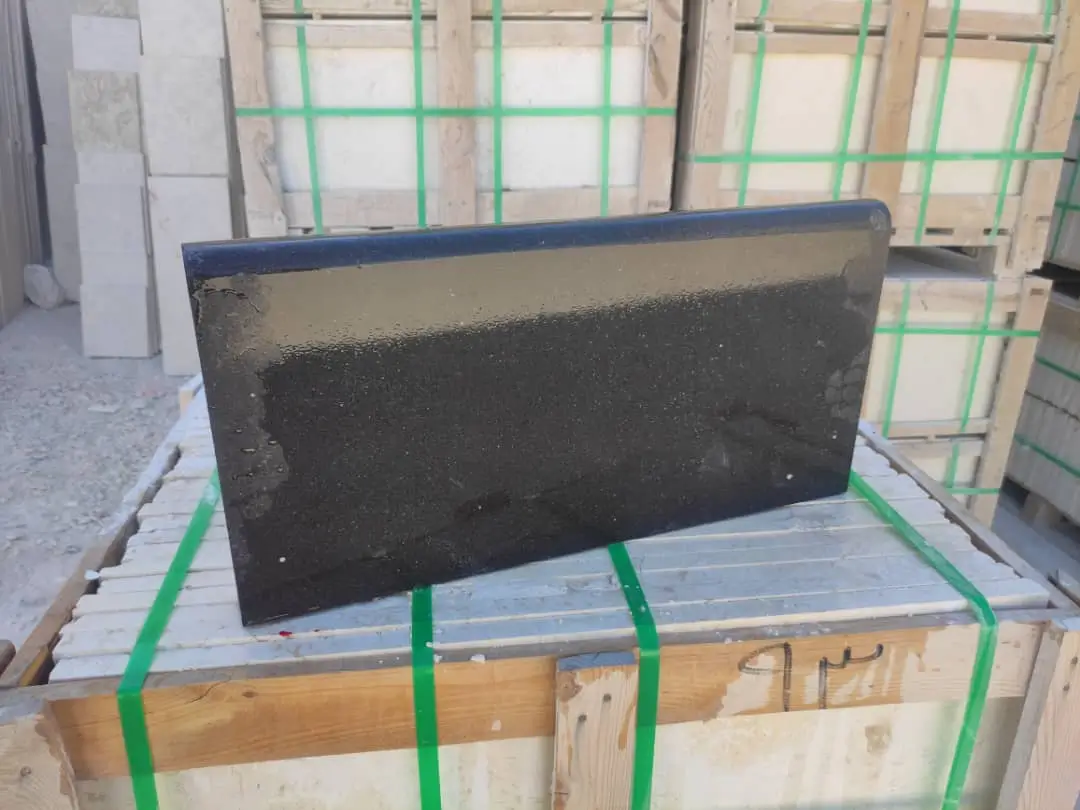
Seasonal Sealing Bluestone in Arizona’s Climate
Seasonal sealing bluestone in Arizona’s climate is not a once-a-year task the way it might be in a temperate zone. The UV index in low-desert Arizona routinely exceeds 11 on the UV scale from April through September, which degrades penetrating silane-siloxane sealers at a measurably faster rate than manufacturer testing — conducted mostly in moderate climates — predicts. Plan two sealing applications per year: one in late February before the heat season builds, and a second in October after the monsoon dust has been fully cleared.
- Use a penetrating silane-siloxane sealer rated for UV stability — film-forming sealers blister and peel under Arizona’s surface temperatures
- Apply sealer when surface temperature is between 50°F and 85°F — early morning application in summer months is critical
- Allow 48–72 hours of dry weather after application before any foot traffic or irrigation contact
- Test sealer effectiveness with a water-bead test every six months — if water absorbs rather than beads within 30 seconds, reseal immediately
- Check warehouse stock for your preferred sealer before scheduling application — quality penetrating sealers can have 4–6 week lead times from specialty suppliers
Preventing Arizona Sun Damage on Bluestone Surfaces
The most effective strategy for preventing Arizona sun damage on bluestone surfaces is managing the surface temperature differential — not just sealing. Shade structures positioned to block the 11 a.m. to 3 p.m. sun window reduce peak surface temperatures by 40–60°F, which dramatically slows both sealer degradation and the micro-fracturing that thermal fatigue produces in the stone over time. For open patios without shade options, a light-colored stone in the blue-gray family absorbs less solar radiation than darker charcoal bluestone tones, and that albedo difference adds up across a full Arizona summer.
Another factor most homeowners overlook is reflective heat from adjacent concrete or stucco walls. A west-facing bluestone surface next to a light stucco wall is absorbing both direct and radiated heat simultaneously, and the stone in that zone will degrade significantly faster than the rest of the installation. Account for this geometry when planning your maintenance schedule — that wall-adjacent zone may need an additional sealer application each year. Preventing Arizona sun damage on bluestone surfaces in these high-exposure zones often requires a more aggressive inspection cadence than the rest of the patio.
Cleaning Bluestone Patio Pavers in Desert Conditions
Cleaning bluestone patio pavers in desert conditions involves a specific dust and caliche challenge that most general maintenance guides don’t address. Arizona’s caliche-laden dust is mildly alkaline, and when it combines with irrigation water and sits on an unsealed or under-sealed bluestone surface, it initiates a slow mineral bonding process that becomes increasingly difficult to remove. The result isn’t just surface dirt — it’s a mineral deposition cycle that compounds with every irrigation event.
- Rinse surfaces weekly during dust storm season (typically June–August) to prevent caliche dust from bonding
- Use pH-neutral stone cleaners only — avoid anything with citric acid, which etches bluestone’s silica surface at concentrations above 3%
- For established caliche deposits, apply a diluted (1:10) alkaline stone cleaner, let it dwell for 5 minutes, then scrub with a soft-bristle brush — do not use wire brushes or pressure above 1,200 PSI
- Power washing at commercial pressure (above 2,000 PSI) opens the stone surface and accelerates moisture infiltration — keep pressure equipment at or below 1,000 PSI for maintenance cleaning
- After any wet cleaning, allow the stone to fully dry before assessing whether a sealer touchup is needed in the cleaned area
For ongoing reference on product-specific protocols, our bluestone maintenance guide Arizona provides updated recommendations for the Arizona market.
Managing Winter Freeze Risk in Arizona Stone Installations
Winter freeze protection for stone pavers in Arizona depends entirely on elevation. In the low desert — Phoenix metro, Tempe, Chandler — freezing temperatures are infrequent and brief, rarely sustained enough to drive moisture-laden bluestone through a full freeze-thaw cycle. The risk calculus shifts significantly once you’re above 3,000 feet. In Peoria and the central valley, this is borderline territory — several nights per winter where temperatures drop into the mid-20s°F, which is sufficient to stress surface-saturated stone if the sealer has degraded.
Ensuring adequate winter freeze protection for stone pavers in Arizona at these elevations means completing your pre-winter October sealing application on time and verifying that no standing water is pooling against or under your bluestone installation. Joint integrity matters here too — if polymeric joint sand has eroded below 70% fill capacity, water infiltrates the base and can migrate upward through the stone during freeze events, causing the subsurface spalling that looks like surface delamination but is actually a base drainage failure.
- Inspect all expansion joints before November — repack any that have dropped below 80% fill depth
- Verify that surface drainage slopes are maintained at a minimum 1% grade away from structures
- If bluestone is adjacent to irrigation zones, shut off drip lines nearest the paving surface by mid-October to prevent oversaturation heading into cold nights
Joint Sand and Base Integrity Maintenance
Joint sand erosion is the most underestimated maintenance factor in Arizona bluestone installations. Monsoon rains arrive as intense, concentrated events — 1 to 2 inches in under an hour is common — and that hydraulic energy displaces polymeric sand at a rate that surprises most homeowners the first season after installation. Plan a joint sand inspection immediately after the first significant monsoon event each season and again in early spring.
For bluestone patio pavers in Arizona, polymeric sand with a fine-grain aggregate (0.5–1.2mm) performs better than coarse blends because it resists hydraulic displacement while still allowing minor thermal movement in the joints. At Citadel Stone, we recommend a 90-mil joint depth as the minimum fill target — anything below 75 mil allows enough UV exposure at the joint edges to initiate surface efflorescence migration from the base material. Tempe installations near Tempe‘s canal corridor face an additional consideration: slightly elevated soil moisture near water infrastructure accelerates the wicking action that depletes joint filler from below, so annual joint inspection is non-negotiable in those zones.
Surface Restoration When Maintenance Has Lapsed
Recognizing when you’ve crossed the line from routine maintenance into restoration territory is important — and it happens faster in Arizona than property owners expect. The warning signs are progressive: first the sealer water-bead test fails within days of application (sealer is no longer penetrating effectively), then efflorescence deposits appear at joint edges, and finally surface color becomes uneven with lighter patches where thermal stress has opened micro-fissures. Maintaining bluestone in Arizona heat at this stage requires a reset protocol before standard maintenance can resume.
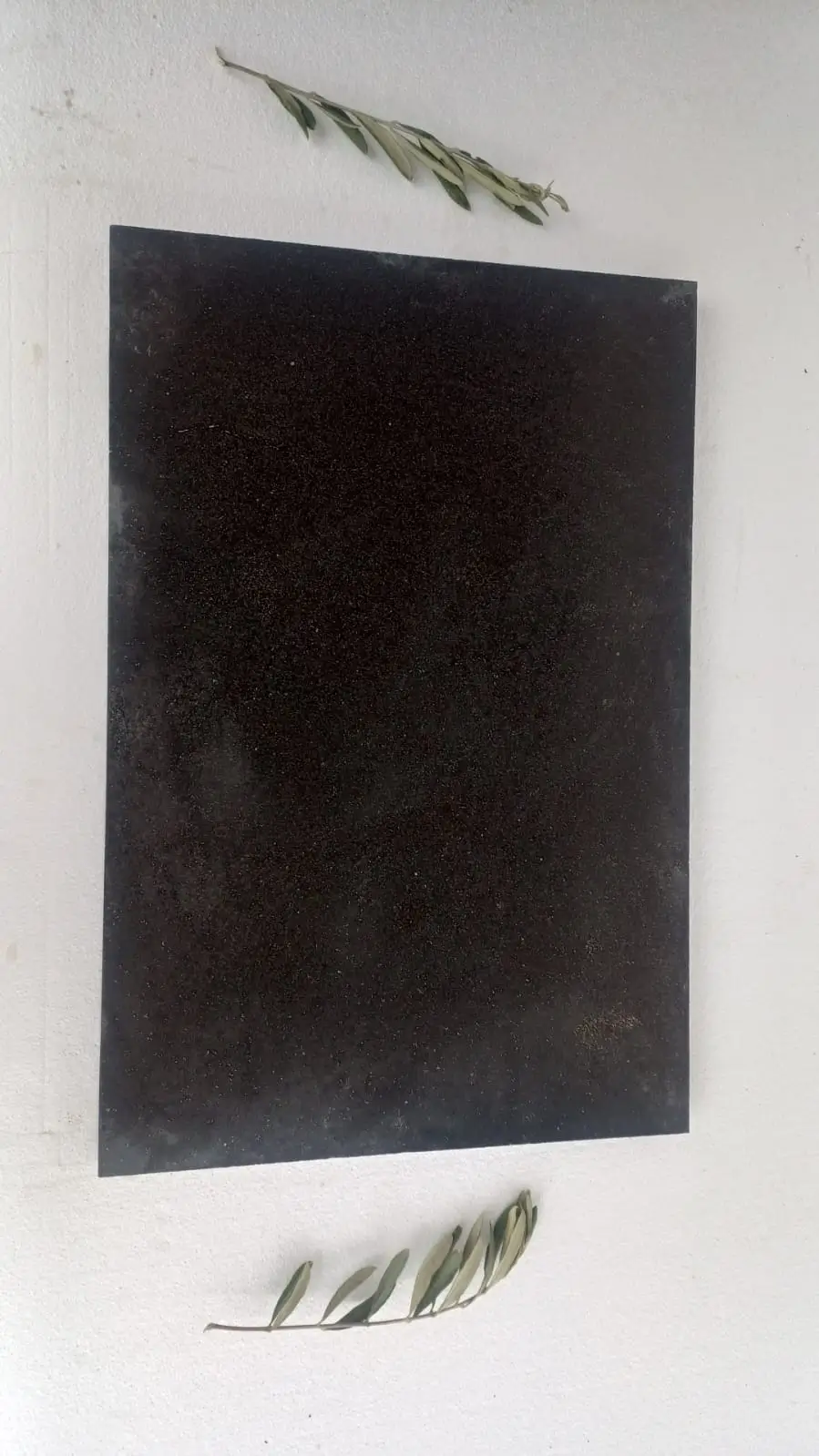
- Diamond-pad grinding at 220–400 grit restores oxidized bluestone surfaces without removing structural material — avoid angle grinders with abrasive discs, which create uneven scratch patterns
- Efflorescence removal with a diluted sulfamic acid wash (follow manufacturer dilution — typically 1:4 to 1:6) before any resealing; neutralize with a baking soda wash before rinsing
- Following restoration cleaning, apply two sealer coats 4 hours apart — the first coat opens the stone’s absorption capacity and the second coat provides the protective layer
- Allow 72 hours minimum before foot traffic after restoration sealing in summer conditions; the heat accelerates surface cure but internal penetration cure takes longer
Citadel Stone’s technical team can review photos of surface distress and advise on whether restoration cleaning or a more comprehensive treatment is appropriate before you invest in materials and labor. We source bluestone from quarries with consistent density profiles specifically because inconsistent stone density is the leading cause of uneven restoration outcomes.
Irrigation and Chemical Exposure Management
Arizona’s irrigation water chemistry is one of the least-discussed factors in maintaining bluestone in Arizona heat, and it’s a significant one. Hard water with high calcium carbonate content — the norm across most of the Phoenix metro — deposits mineral scale on bluestone surfaces with every irrigation cycle. Over a single season, that scale buildup creates a surface film that traps heat, blocks sealer penetration during maintenance applications, and produces the chalky white haze that many homeowners incorrectly diagnose as sealer failure.
Your irrigation system design should keep spray heads directed away from bluestone paving wherever possible. Drip irrigation adjacent to paved areas is far preferable to overhead spray, and if you’re using a shared irrigation schedule for landscaping near a bluestone patio, routing that schedule to run before sunrise minimizes both the mineral deposit cycle and the thermal shock from cold water hitting a hot surface.
- Test irrigation water hardness annually — above 200 PPM calcium carbonate, mineral scale on stone surfaces becomes a maintenance-frequency driver
- Acid-based pool chemicals should never be stored, mixed, or used near bluestone — even diluted muriatic acid vapors at low concentrations etch the surface over repeated exposure
- Fertilizer runoff containing iron or manganese is a primary cause of persistent rust staining — reroute fertilizer application zones at least 24 inches from any bluestone edge
Final Recommendations for Desert Bluestone Longevity
The maintenance framework that works for bluestone in Arizona heat comes down to interval discipline and climate-specific product selection. Generic stone maintenance schedules built for temperate climates will consistently underperform in the Sonoran Desert because they’re calibrated for UV levels, temperature swings, and precipitation patterns that simply don’t describe what your stone is experiencing. The twice-yearly sealing schedule, post-monsoon joint inspection, irrigation chemistry awareness, and shade geometry planning aren’t optional upgrades — they’re the baseline protocol for desert bluestone longevity. If you’re planning a new installation alongside your maintenance program, How to Install Bluestone Pavers in Arizona covers the base preparation and setting bed specifications that make long-term maintenance significantly more manageable. Homeowners in Sedona, Mesa, and Tempe who maintain Citadel Stone bluestone with a twice-yearly cleaning schedule generally extend the surface finish well beyond average desert stone performance.