
The UV Reality Most Maintenance Guides Skip
Maintaining 18×18 stone pavers in Arizona starts with understanding that UV radiation — not just heat — is the primary force degrading your surface long before the material itself wears out. Arizona receives more annual solar radiation than nearly any other state, and that sustained UV bombardment drives photo-oxidation in stone minerals, strips sealers of their protective polymers, and accelerates color shift in ways that even experienced property managers underestimate. Your sealer can fail significantly faster than its labeled lifespan under Phoenix-level UV intensity, which completely rewrites the maintenance schedule you’d follow in a milder climate. Approaching this correctly means treating UV exposure as the central engineering problem — everything else follows from that framing.
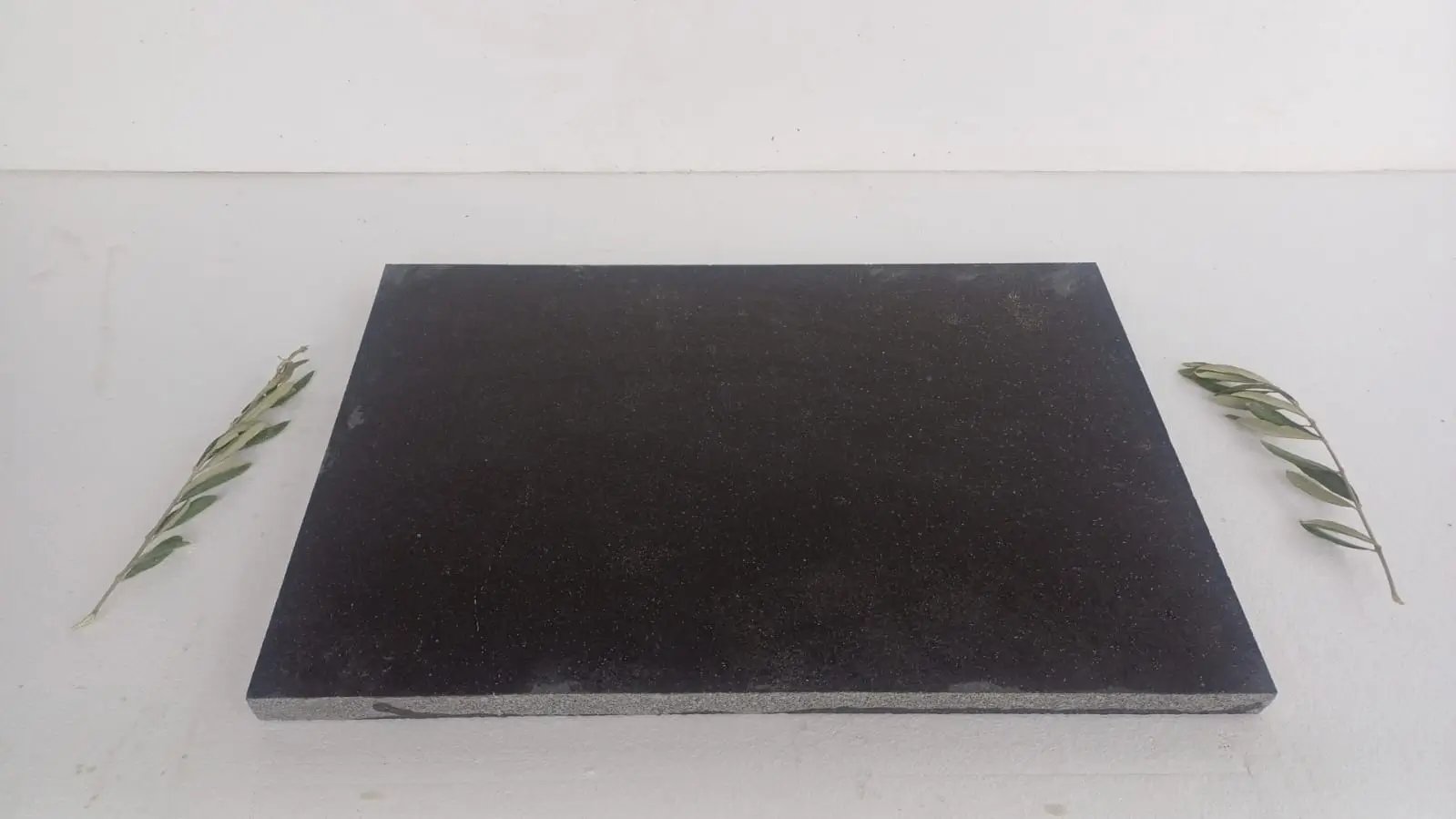
How UV Exposure Degrades Natural Stone Surfaces
The mechanism worth understanding here is photo-oxidation at the mineral surface. Iron-bearing stones — travertine, certain limestones, many sandstones — develop surface oxidation bands when UV breaks down ferrous compounds near the top few millimeters of the material. You’ll notice this as a reddish-orange tint developing in lighter-colored pavers, or a chalky, washed-out appearance in darker materials. The stone itself hasn’t failed structurally, but the aesthetic shift signals that the mineral surface is actively reacting to sustained radiation exposure.
Silica-based stones like quartzite fare better under direct UV, but they’re not immune. The binding minerals between quartz grains can photo-degrade over multi-year exposure cycles, leading to a granular surface texture that was never part of the original finish. For 18×18 stone pavers in Arizona, this surface roughening matters practically — it creates more texture for dirt and mineral deposits to grip, increasing your cleaning frequency whether you planned for it or not.
- Iron-bearing minerals oxidize under sustained UV, producing visible color shifts toward orange or rust tones
- Polymer-based sealers break down at the molecular level under UV — surface chalking is the visible indicator
- Thermal cycling compounds UV damage by opening micro-fractures that allow deeper UV penetration in subsequent seasons
- Finish type matters significantly — honed and brushed finishes show UV-driven color shift more slowly than polished surfaces
- Dark-colored stone absorbs more UV energy, accelerating mineral oxidation at the surface relative to lighter materials
Stone Paver Sealing Schedule in Arizona’s UV Environment
The standard “reseal every 3-5 years” guidance you’ll find in manufacturer literature was developed for moderate climate zones. For large-format outdoor pavers in Arizona’s UV intensity, that timeline compresses significantly. A penetrating silane-siloxane sealer applied in Phoenix typically shows meaningful UV-driven degradation within 18 to 24 months — sometimes faster on south-facing installations with no overhead shade.
Your practical stone paver sealing schedule in Arizona should operate on a 2-year maximum interval for penetrating sealers, and a 12-18 month interval if you’re using a topical film-forming sealer. Film formers offer more immediate UV protection but degrade visibly — they’ll begin peeling or hazing in Arizona sun before penetrating sealers show any surface evidence of failure. The professional preference in this climate runs toward penetrating sealers for lower maintenance burden, with the trade-off that you’re accepting slightly less UV reflectance in the first year of application.
- Penetrating sealers: reseal every 18-24 months under full Arizona sun exposure
- Film-forming topical sealers: reseal every 12-18 months, watch for surface haze as the first failure indicator
- Shaded installations can extend intervals by 6-12 months — track your actual surface condition, not the calendar
- Always reseal after any chemical cleaning treatment, which can strip existing sealer compounds
- Apply sealers in the early morning or late afternoon — mid-day Arizona heat accelerates solvent flash-off and prevents even penetration
Selecting Finishes for UV Resistance
Finish selection is a long-term maintenance decision that most buyers treat as a purely aesthetic one. The surface texture you choose for your 18×18 stone pavers directly affects how UV exposure plays out over a decade. Polished finishes create a denser, more reflective surface that initially resists UV penetration better — but when they do begin to show degradation, the loss of reflective clarity is visually dramatic and harder to address without professional re-polishing.
Honed and brushed finishes perform more predictably under Arizona UV. The matte surface doesn’t showcase degradation the same way a polished face does, and the slightly more open pore structure accepts penetrating sealers more effectively — meaning your sealer is actually doing more protective work on a honed finish than on a polished one. For outdoor installations in Tempe and surrounding communities where full-sun exposure is essentially unavoidable, honed finishes consistently deliver better long-term appearance retention with lower maintenance overhead.
Cleaning Large Format Outdoor Pavers Without Accelerating UV Damage
Cleaning 18×18 stone pavers incorrectly is one of the fastest ways to accelerate UV-related degradation. Acidic cleaners — even diluted vinegar solutions that circulate in DIY forums — strip the mineral surface, removing the natural protective patina that helps moderate UV penetration. After an acid wash, your stone surface is more vulnerable to photo-oxidation than it was before you cleaned it. Reserve acid-based treatments strictly for calcium deposit removal, and follow immediately with a fresh sealer application before any UV exposure.
The cleaning method that actually holds up under professional scrutiny for cleaning large format outdoor pavers in AZ is low-pressure water washing with a pH-neutral stone cleaner, followed by inspection and targeted stain treatment. High-pressure washing at anything above 1,200 PSI on natural stone risks micro-surface abrasion that opens the pore structure — exactly what UV needs to penetrate more deeply. Keep pressure washing to a minimum, and when you do use it, maintain a wide fan tip and stay well above 12 inches from the surface.
- pH-neutral cleaners preserve sealer integrity and surface mineral structure
- Acidic cleaners strip protective patina and immediately increase UV vulnerability — use only for targeted calcium removal
- Pressure washing above 1,200 PSI risks micro-abrasion that deepens pore structure and UV penetration depth
- Always clean before resealing — applying sealer over surface deposits reduces penetration depth and UV protection
- For cleaning large format outdoor pavers in AZ, morning cleaning allows the surface to dry fully before afternoon UV peaks
UV Protection for Natural Stone Pavers Across Arizona
UV protection for natural stone pavers across Arizona isn’t a single product decision — it’s a system that includes sealer chemistry, application timing, finish selection, and supplemental shading wherever your project design allows it. The best sealer on the market won’t fully compensate for a polished limestone surface installed in unbroken south-facing sun in a desert climate. A layered approach is what actually slows UV weathering to a manageable rate.
At Citadel Stone, we recommend UV-inhibiting penetrating sealers specifically formulated for desert climates — standard sealers rated for “exterior use” are often tested in Pacific or Southeast climate zones that see a fraction of Arizona’s annual UV load. From our warehouse quality checks, we’ve also found that stone density correlates directly with UV resistance: denser material has fewer micro-pores for UV-driven oxidation to exploit. When selecting 18×18 stone pavers in Arizona, ask for density specifications alongside the aesthetic data — it’s the number that actually determines your UV protection baseline. You can explore our Arizona stone paver care resources for specific product recommendations organized by UV exposure level and finish type.
Joint Maintenance in High-UV Desert Conditions
Joint filler degradation accelerates under UV in ways that create compounding problems. Polymeric joint sand contains binding agents that photo-degrade under sustained UV exposure — the sand stays in place, but the binder breaks down, leaving joints that gradually drain and allow weed intrusion and surface water migration beneath your pavers. For 18×18 format stone, the joint-to-field ratio is lower than with smaller pavers, but the joints you do have are carrying real structural and drainage loads.
Projects in Peoria and similar West Valley communities with expansive clay soils underneath see accelerated joint failure when UV degrades the binder and water begins infiltrating sub-base layers — clay expansion cycles do the rest of the damage. Check joint sand depth annually, not just when you notice surface settlement. Top off polymeric sand every 2-3 years in full-sun installations, and consider a UV-stabilized joint compound for paver fields with no overhead cover.
- Polymeric sand binders photo-degrade under sustained UV — visual inspection misses early-stage failure
- Annual probing of joint depth catches problems before sub-base infiltration begins
- UV-stabilized joint compounds outperform standard polymeric sand in Arizona’s radiation environment
- Joint re-application is the most overlooked maintenance item in large-format paver installations
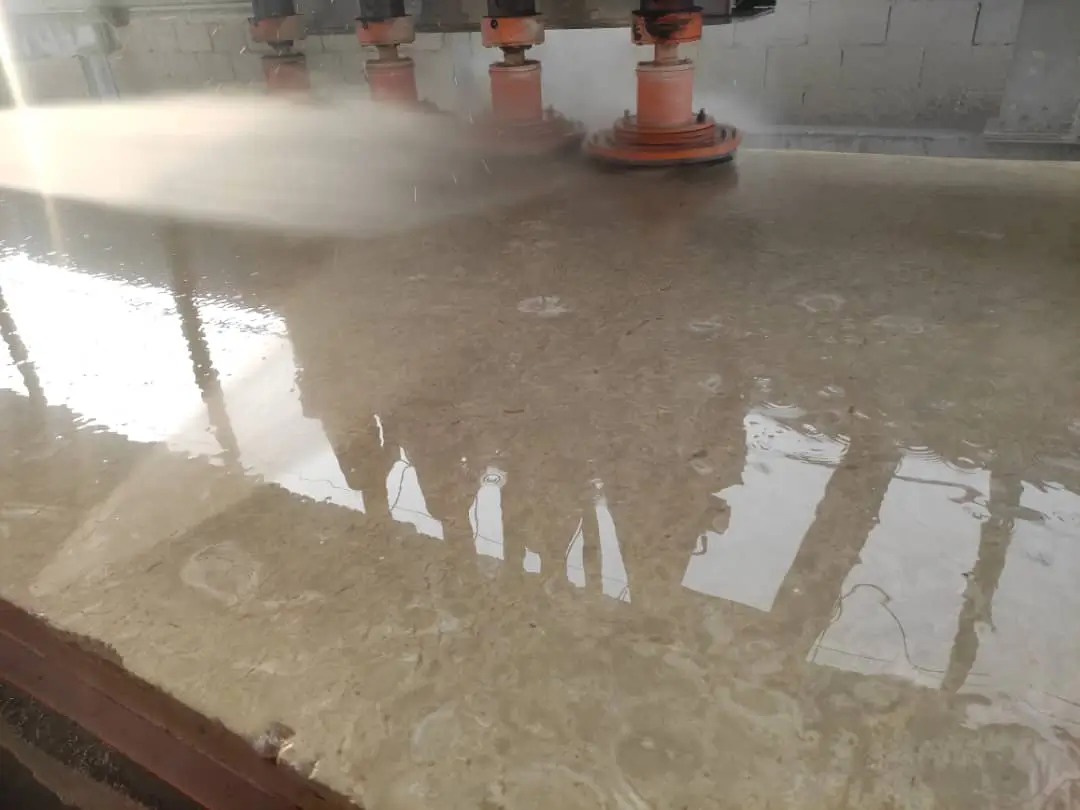
Planning Maintenance Materials: Delivery and Supply Logistics
Your maintenance program is only as reliable as your ability to source the right sealer and cleaning products when you need them — and timing matters in Arizona. Applying sealer during monsoon season (July through September) creates adhesion problems as humidity spikes relative to baseline desert levels. Schedule your resealing windows in spring (March–May) or fall (October–November) when surface temperatures and humidity cooperate with proper sealer cure cycles.
Coordinate your sealer and supply orders well in advance of those windows. Warehouse stock on specialty UV-rated stone sealers can run thin heading into peak spring installation season, and truck delivery logistics to remote or gated communities sometimes add 3-5 days to standard lead times. Planning 4-6 weeks ahead gives you flexibility to get the right product rather than settling for a general-purpose sealer that won’t perform adequately under Arizona UV loads. A second warehouse check on available stock is worth the effort if you’re managing multiple paver fields with staggered resealing windows.
Decision Points for Arizona Desert Stone Paver Long-Term Care
The maintenance decisions that genuinely determine long-term performance for 18×18 stone pavers in Arizona all trace back to UV exposure management. Finish selection, sealer chemistry, cleaning methods, joint compound specification — every one of these choices either works with Arizona’s solar environment or against it. Property owners and specifiers who get 25-year performance out of their stone paver installations aren’t doing anything dramatically different; they’re just making the right call at each of these decision points from the start.
Arizona desert stone paver long-term care benefits from aligning maintenance timing across all outdoor stone surfaces on a property, which simplifies annual upkeep considerably. For related Arizona hardscape context, How to Maintain Patio Stones in Arizona’s Climate covers maintenance protocols for adjacent patio stone surfaces that often share the same UV exposure challenges and sealer schedules as large-format paver fields — making it a natural companion resource when you’re building out a comprehensive outdoor stone care plan. Stone pavers supplied by Citadel Stone and installed across Phoenix, Chandler, and Scottsdale are generally selected for their density, which slows mineral absorption and extends intervals between required sealing treatments.