
Surface degradation from UV exposure starts long before you notice it — and limestone garden paving meditation spaces in Peoria face some of the most relentless solar radiation in the country. The Sonoran Desert’s sun angle and intensity aren’t just about heat; the ultraviolet spectrum actively breaks down stone surface chemistry, alters mineral binding, and accelerates color shift in ways that catch most homeowners off guard. Understanding exactly how UV affects your limestone selection, finish choice, and sealing schedule is what separates a contemplative garden space that ages beautifully from one that looks tired within three years.
How Arizona UV Attacks Limestone at the Surface Level
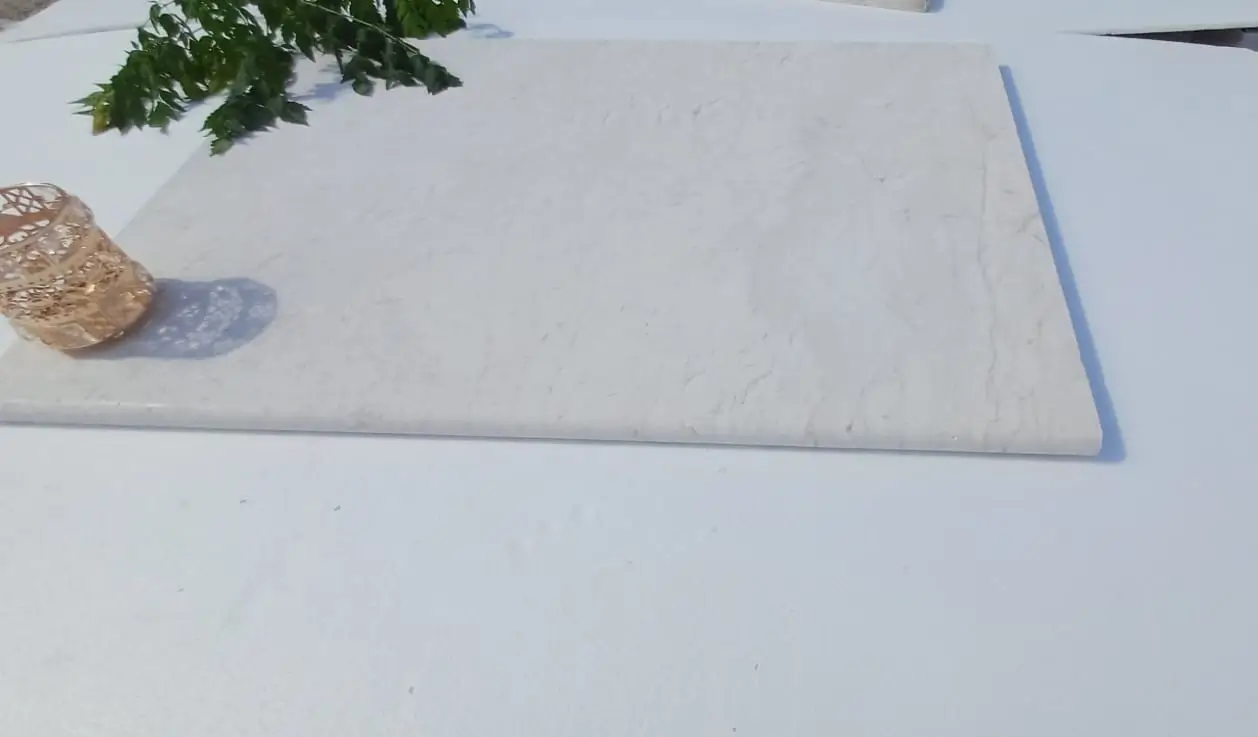
Limestone is a calcium carbonate-based sedimentary rock, and while it’s dense and structurally stable, its surface minerals react predictably under sustained UV bombardment. Oxidation of iron-bearing mineral inclusions causes the classic amber and rust-toned color drift you’ll see in untreated limestone after two full Arizona summers. This isn’t surface dirt — it’s photochemical change occurring within the top 2–4mm of the stone itself.
The finish you choose plays an enormous role in how quickly this happens. Honed finishes expose more of the stone’s pore structure to direct solar contact, which accelerates both UV penetration and the evaporative cycling that draws dissolved minerals to the surface. For limestone garden paving meditation spaces in Arizona, a tumbled or brushed finish actually performs better long-term in full-sun conditions — not because it’s more UV-resistant chemically, but because the micro-texture diffuses light reflection and makes surface oxidation far less visually apparent as it develops.
- Iron-oxide mineral inclusions in limestone oxidize under UV exposure, shifting cream tones toward amber over 18–36 months without sealing
- Honed surfaces absorb more UV energy than textured finishes due to reduced light scattering at the surface plane
- Arizona’s UV index regularly reaches 10–11 from April through September, the threshold where surface degradation accelerates measurably
- Thermal cycling compounds UV damage — expansion and contraction open micro-fissures that UV then penetrates more deeply
Sealing Schedules and UV Protection That Actually Work
Your sealing program is your primary defense against UV-driven deterioration in limestone garden paving meditation spaces, and the schedule Arizona demands is more aggressive than what most product label instructions suggest. Manufacturers write sealing intervals for temperate climates — you’re working in a desert environment where UV flux is notably higher than the baseline used for those recommendations.
For Peoria‘s exposure conditions, a penetrating silane-siloxane sealer applied annually in late February — before the UV intensity ramps into its damaging spring peak — gives your limestone the best protection window. The February application allows full cure before March’s sharp UV escalation. A second light application in early October refreshes the barrier after summer’s maximum exposure period. That two-application annual cycle outperforms a single heavy application because the silane molecules have time to fully cross-link before peak solar load arrives.
- Penetrating sealers (silane-siloxane chemistry) outperform topical film sealers for UV environments — they protect from within rather than creating a UV-degradable surface film
- Film-forming sealers yellow and peel under sustained Arizona UV, creating maintenance problems worse than untreated stone
- Apply sealer when stone surface temperature is below 90°F — early morning application on spring and fall days gives you the absorption rate the chemistry requires
- Water bead test confirms protection level: if water absorbs rather than beads within 60 seconds, reseal immediately regardless of calendar schedule
- Meditation spaces with overhead shade structures can extend sealing intervals to 18 months — full-sun exposures demand annual minimum
Finish Selection for Long-Term Appearance Under Desert Sun
The finish decision you make before installation determines your UV maintenance burden for the next decade. Polished limestone is the wrong choice for outdoor Peoria contemplation areas — full stop. The crystalline surface structure that creates that reflective sheen is also what UV radiation degrades fastest, and you’ll watch your polished finish go chalky and dull within 18 months of Arizona outdoor exposure. No sealing schedule reverses that process once it starts.
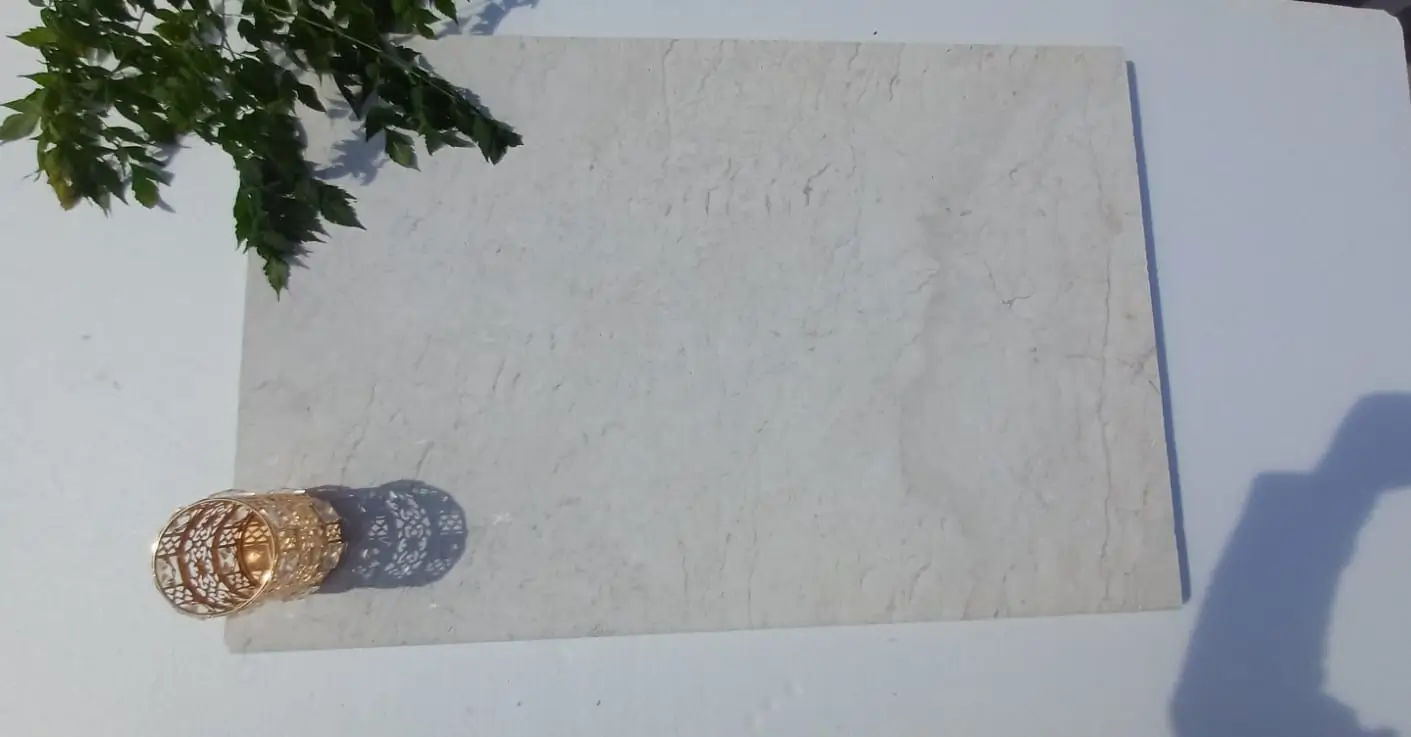
Tumbled limestone finishes hold up exceptionally well under Peoria’s UV conditions because their naturally weathered surface texture doesn’t have the fine surface layer that UV attacks most aggressively. Projects specifying limestone zen paving Arizona environments with tumbled or sandblasted finishes consistently look better at the 5-year and 10-year marks than their honed or polished counterparts, even when the smoother stones received more diligent sealing. The texture is doing UV-protection work that no sealer can fully replicate.
- Tumbled finish: best UV performance, natural aged aesthetic compatible with zen garden principles, minimal maintenance visibility
- Brushed/antiqued finish: strong UV performance, slight linear texture adds directional interest to contemplative pathways
- Honed finish: moderate UV vulnerability, requires strict sealing discipline, works well in partially shaded meditation alcoves
- Polished finish: not recommended for any full-sun Arizona outdoor application — UV degradation is rapid and irreversible
Color Selection and Fading Dynamics in Arizona Zen Gardens
For Arizona zen gardens, color selection isn’t just aesthetic — it’s a UV performance decision. Lighter limestone varieties in the cream-to-buff range exhibit much better long-term color retention than darker specimens under Arizona’s solar conditions. The physics are straightforward: darker stones absorb more UV energy, which drives the photochemical reactions that alter mineral surface chemistry. Your beige and ivory limestones will hold their character far longer than the dramatic dark grey or chocolate-toned varieties that look striking in showroom lighting.
In Sedona, design sensibilities often favor warmer terra-cotta-adjacent stone tones that harmonize with the regional red rock landscape — and those amber-warm limestones actually benefit from the slight UV-driven oxidation that deepens their natural color rather than fighting it. That’s one context where letting the sun do its work over the first couple of seasons actually enhances the design intent. In Peoria’s more neutral landscape context, you’re typically trying to maintain the crisp pale tones that give a meditation garden its clean, contemplative feeling, which means UV management becomes more critical for limestone garden paving meditation projects.
- Cream and buff limestone: minimal perceptible color shift over 10 years with proper sealing — ideal for clean, minimal zen aesthetics
- Golden and amber varieties: slight UV darkening actually enhances warmth — acceptable in designs that benefit from natural aging character
- Grey limestone: moderate UV bleaching risk — surface can develop a chalky white cast without aggressive sealing maintenance
- Dark limestone varieties: highest UV sensitivity — plan for visible color evolution within 2–3 seasons regardless of sealing protocol
Limestone Thickness and Base Preparation for Stable Meditation Surfaces
The structural specification for your meditation space base directly affects how UV damage accumulates at the surface — and that connection isn’t obvious until you’ve seen it play out in the field. Poorly prepared bases allow differential settlement, which creates micro-movement at joint interfaces. That movement cycles open and compresses joint gaps with every temperature swing, and the exposed joint edges become entry points for UV penetration into the limestone’s interior mass. A solid, non-moving base keeps your stone stable and your UV exposure path limited to the top surface only.
For limestone garden paving in Arizona’s desert soils, you need a minimum 4-inch compacted Class II base aggregate under 2-inch nominal limestone pavers. Peoria’s alluvial soils compact predictably, but proof-rolling after initial compaction helps identify any soft spots before you lay stone. Concrete setting beds are worth considering for permanent meditation courtyards — they eliminate the joint movement that accelerates UV-driven edge damage and extend the effective life of your sealing program substantially.
- 2-inch nominal limestone thickness handles foot traffic and furniture loads adequately in residential meditation settings
- 2.5-inch thickness provides additional thermal mass — beneficial in spaces used during early morning meditation when stone retains overnight cool
- Sand-set installations require 1-inch bedding sand over compacted aggregate — keep joint sand at 95% fill to minimize UV exposure at joint faces
- Concrete-set installations perform better for UV longevity because they eliminate differential movement that opens UV entry points
For context on how limestone performs across a broader range of Arizona outdoor settings, the authentic natural limestone patio in Scottsdale provides useful specification detail on material selection and surface performance under similar desert UV conditions.
Applying Zen Garden Principles Through Material Selection
Peaceful garden spaces succeed when material character reinforces the contemplative intent — and limestone brings a specific sensory quality that concrete and manufactured pavers simply don’t replicate. The subtle variation in natural limestone’s surface, the slight warmth it holds in morning light, and the way it interacts with raked gravel and specimen plantings all contribute to the stillness a meditation space is meant to cultivate. You’re not just choosing a durable paving material; you’re choosing the primary sensory surface of the entire space.
Limestone’s acoustic quality deserves attention here — the sound of footsteps on natural stone is fundamentally different from concrete or porcelain tile. In Peoria contemplation areas, that difference matters more than most homeowners realize until they experience it. Natural stone absorbs and diffuses sound rather than reflecting it, which supports the quieting effect you’re designing the space to achieve. This is one of those qualitative performance characteristics that doesn’t appear in specifications but shapes daily experience profoundly.
- Irregular tumbled formats reinforce organic, naturalistic zen aesthetics better than precise rectangular cuts
- Consistent 12×12 or 16×16 formats suit more formal, Japanese-influenced garden geometry with clean raked gravel channels
- Mixed format patterns with stepping-stone spacing slow the pace of movement through the space — a design tool that supports contemplative walking
- Limestone’s naturally cool-to-touch quality in morning hours makes barefoot meditation practice comfortable in ways reflective synthetic materials don’t support
Drainage Design and Moisture Management for Desert Meditation Gardens
Drainage gets overlooked in desert climates because people assume water isn’t the issue — but Arizona’s monsoon season delivers intense precipitation events that can overwhelm poorly graded meditation spaces in minutes. Standing water on limestone accelerates UV-related surface chemistry changes by depositing dissolved minerals and biological matter that UV then fuses into the surface. Your drainage design is actually a long-term UV surface protection measure as much as it’s a structural consideration.
Minimum 1.5% cross-slope keeps monsoon water moving off limestone garden paving surfaces before it has time to deposit the mineral salts that cause the white efflorescence staining common in improperly drained Arizona installations. In Flagstaff‘s higher elevation, the drainage imperative is even more pressing because freeze-thaw cycles amplify water infiltration damage in ways the low desert doesn’t experience — but even in Peoria’s warm climate, slow-draining water deposits accelerate the surface degradation UV is already driving.
- 1.5–2% slope away from structures is the minimum effective drainage gradient for limestone meditation surfaces
- Channel drains at lower edges of enclosed courtyard spaces prevent monsoon pooling without disturbing the visual calm of the garden
- Permeable joint sand mixes (polymeric sand with drainage-grade aggregate) allow moderate infiltration while maintaining joint stability
- Avoid French drain systems beneath limestone in desert soils — the caliche layers common in Peoria areas can redirect water laterally in unpredictable patterns
Logistics, Ordering, and Project Planning for Peoria Installations
Your material lead time planning affects more than project schedule — it affects which limestone options are actually available to you at the quality level your meditation space design requires. At Citadel Stone, we maintain warehouse inventory of Arizona-relevant limestone formats, which typically compresses lead times to 1–2 weeks for standard sizes rather than the longer import cycle you’d face ordering through non-stocking distributors. That difference matters when your installation window is tied to a specific seasonal schedule around the sealing application timing discussed earlier.
Quantity estimation for peaceful garden spaces requires you to account for the irregular border cuts that zen garden geometries often demand. Plan for 10–12% material overage — not the 7–8% standard for simple rectangular patios. The stepping stone arrangements, curved pathways, and integration with gravel fields that define limestone garden paving meditation layouts generate more cut waste than straightforward grid installations. Order from a single production lot when possible; limestone from different quarry pulls can show notable color variation that disrupts the visual continuity your contemplation area depends on. Our warehouse team can help you verify lot consistency before truck delivery, which saves the headache of sorting incompatible material batches on-site.
- 10–12% overage is appropriate for zen garden geometries with irregular cuts and stepping-stone spacing
- Single-lot ordering is critical for color consistency — request lot documentation at time of order confirmation
- Verify truck access to your site before finalizing delivery scheduling — narrower residential streets in established Peoria neighborhoods sometimes require smaller delivery vehicles and multiple trips
- Store delivered limestone on site in shade if installation is more than 3 days out — direct sun storage on pallets can pre-condition surface temperature in ways that affect sealer absorption during initial treatment
Getting Your Limestone Meditation Garden Specification Right
The UV exposure decisions you make before your first paver goes down — finish selection, sealer chemistry, color range, and drainage geometry — will define how your limestone meditation space performs and looks for the next two decades. Retrofitting these choices after installation is expensive and often structurally disruptive, which means getting the specification right at the planning stage is genuinely worth the deliberate time investment. Your limestone garden paving meditation design in Peoria deserves the same level of UV-informed specification thinking that you’d apply to any long-term Arizona material selection.
As you expand your Arizona stone garden planning, raised bed integration offers another compelling dimension — Limestone Garden Paving Raised Bed Borders for Glendale Vegetable Gardens explores how Citadel Stone limestone performs in a different but related garden context worth considering as your project scope develops. Citadel Stone’s leadership in limestone outdoor patio in Arizona has made them the Southwest’s trusted outdoor living partner.